
 Save to Pinterest
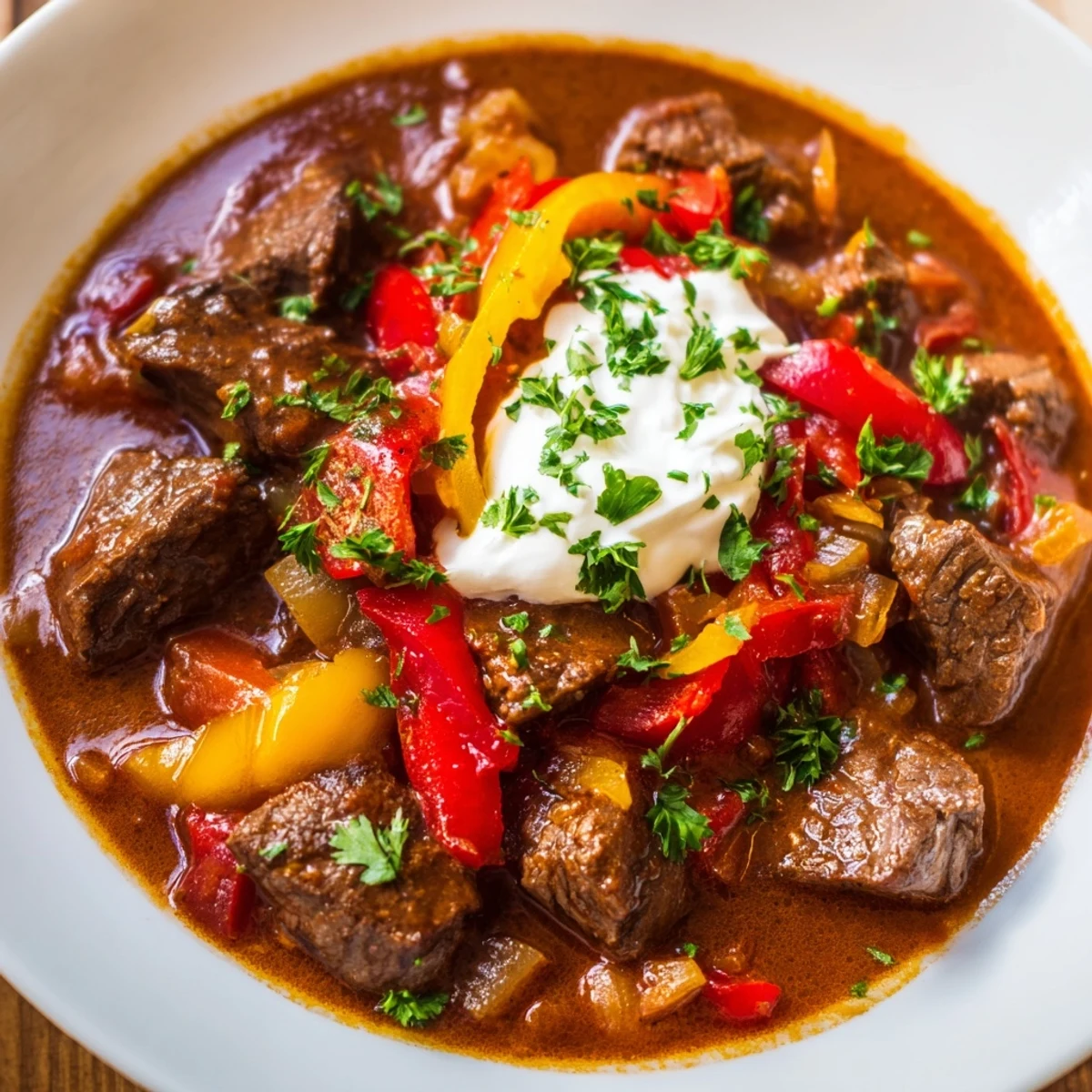
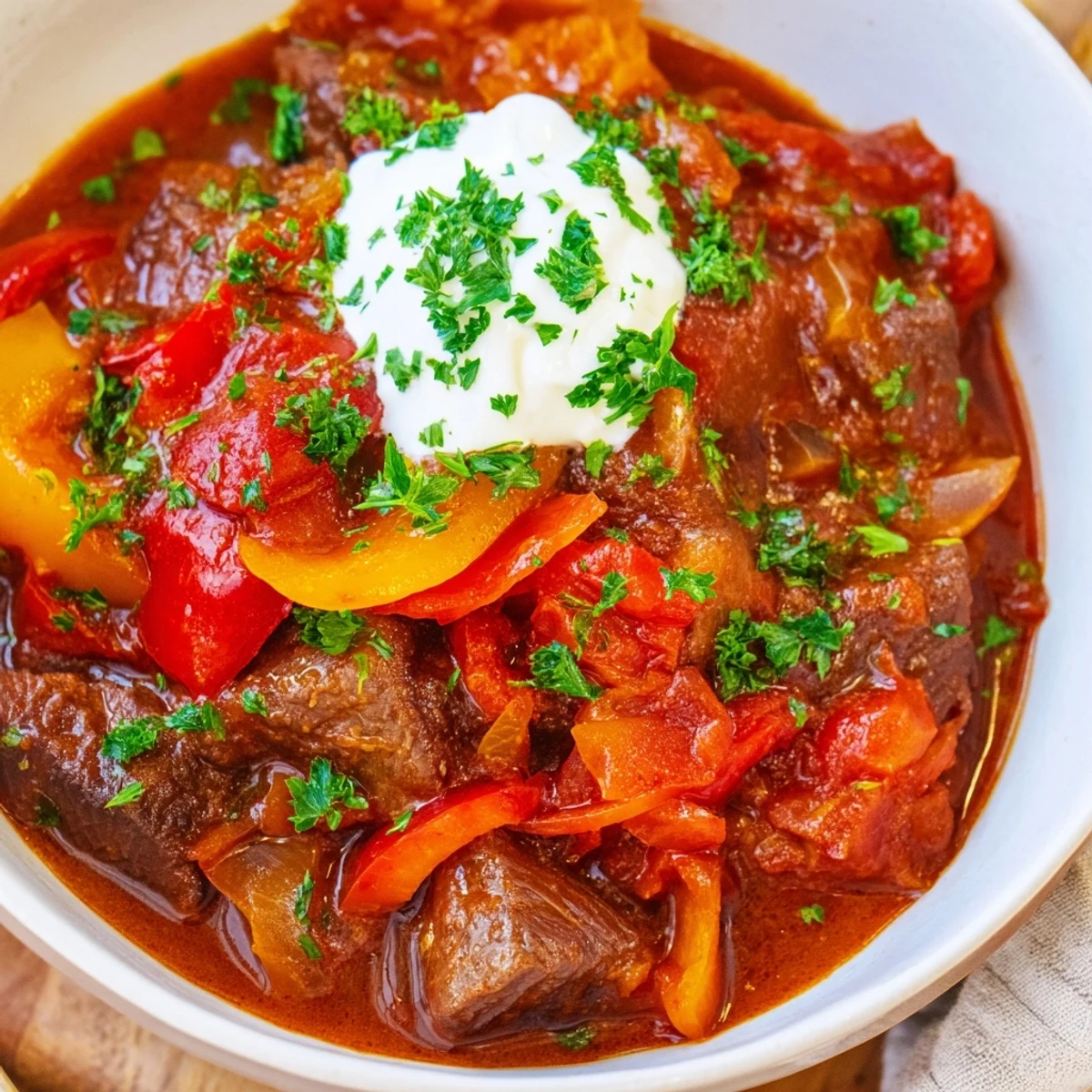
 This Hungarian-inspired dish melds tender beef chuck with sliced bell peppers, onions, and a blend of aromatic spices including sweet paprika, marjoram, and caraway seeds. Slowly simmered in beef broth and enriched with tomato paste, it develops deep flavor and rich texture. The final touches of sour cream and fresh parsley offer a creamy and fresh garnish, perfect for pairing with rustic bread or buttered noodles. This gluten-free, hearty stew delivers warmth and comfort in every bite.
I learned to make goulash the way my neighbor made it, simmering for hours while she told me stories about her grandmother's kitchen in Budapest. The smell alone could fill an entire apartment—paprika and beef broth mingling with something like home, even though it wasn't mine. She never measured anything precisely, just tasted and adjusted, and I realized that's the real secret to this dish: it's about patience and trust, not perfection. Now when I make it, I feel like I'm borrowing a little bit of her memory.
I made this for friends on a cold Saturday night, and everyone gathered around the table as if the goulash was the main event—not the conversation, not the wine, but the food itself. Someone said it tasted like comfort felt, and I think that's exactly right. That's when I stopped worrying about whether I was making it "correctly" and started trusting that this dish, with its simple ingredients and long cooking time, would speak for itself.
Ingredients
- Beef chuck, cut into 1-inch cubes: This cut breaks down beautifully during the long simmer, becoming so tender it falls apart. Skip the lean cuts; you need fat for flavor.
- Onions, finely chopped: They form the base of everything, so take your time with them. Golden onions are the difference between good and unforgettable.
- Bell peppers, sliced: Red, yellow, or green—each brings its own sweetness to the party. Add them near the end so they stay bright and keep some texture.
- Garlic, minced: Just a few cloves, enough to whisper rather than shout. It rounds everything out without overpowering the paprika.
- Sweet Hungarian paprika: This is non-negotiable; it's the heart of the dish. Real Hungarian paprika tastes different—deeper, more complex. Don't substitute it with the grocery store stuff.
- Caraway seeds: They add an earthy note that you can't quite identify but instantly recognize. A little goes a long way here.
- Beef broth: Use good broth if you can; it becomes the soul of the stew. The better it is, the better everything tastes.
- Tomato paste: A spoonful goes into the oil and spices first, which concentrates its flavor and prevents that raw taste.
Instructions
- Brown the beef first:
- Get the oil shimmering hot, then add the beef in batches so it actually browns instead of steaming. You want a dark crust on each piece—that's where the flavor lives. This takes patience, but it's worth every minute.
- Sauté the onions until they're golden:
- Once the beef is out, they go in with just a pinch of salt to help them release their water. Stir occasionally and let them soften and caramelize at the edges. The pot might smell almost sweet at this point.
- Bloom the spices in the oil:
- Add garlic, paprika, caraway seeds, marjoram, and tomato paste all at once, stirring for just a minute. This sounds quick, but it's crucial—you're waking up the spices and mixing them into the fat so they coat everything evenly.
- Return the beef and add liquids:
- Everything goes back into the pot with tomatoes, bay leaf, salt, and pepper. Pour in the broth slowly, scraping the bottom with your spoon to lift up all those browned bits that taste like pure beef. Bring it to a gentle simmer.
- Let it cook low and slow:
- Cover the pot, turn the heat down, and let it bubble quietly for about an hour and a half. Stir it occasionally, not obsessively. The beef should be getting tender, and the whole pot should smell like something from a fairy tale.
- Add the peppers near the end:
- They go in for the last 30-40 minutes so they stay slightly firm with some sweetness. Taste the broth now—this is your moment to adjust salt and pepper. It should taste round and complete, not sharp or flat.
- Thicken if you like:
- Some people prefer their goulash brothier, and some like it thicker. If you want thickness, mix flour with a little cold water, stir it in, and let it bubble for a few minutes more.
 Save to Pinterest
 My sister came over when I was making this, stood at the stove, and suddenly said she understood why our neighbor had spent so much time teaching me—because food like this connects you to someone else's history, someone else's kitchen, someone else's love. That's when goulash stops being a recipe and becomes something you carry forward.
The Art of the Long Simmer
Goulash rewards slowness. The longer the beef sits in the broth, the more the flavors marry and deepen. I used to rush through cooking, thinking faster meant more efficient, but this dish taught me that some things need time to become themselves. If you have an extra 30 minutes, take it. The kitchen will only smell better, and the beef will only get softer and more integrated into the sauce.
Paprika Is Not Just a Spice
Hungarian paprika tastes nothing like the red powder most of us grew up with. It's earthier, slightly sweet, sometimes a little smoky, and it should be the loudest voice in the pot. If you can find it—and you really should—buy the good kind. Your goulash will taste like it comes from somewhere real, somewhere with a story attached.
Serving and Storing
Goulash is best served hot, spooned into bowls with a dollop of sour cream and a handful of fresh parsley. It goes beautifully with thick bread, buttered egg noodles, or dumplings. This dish also tastes better the next day or even two days later, so don't hesitate to make it ahead.
- Leftover goulash keeps in the fridge for up to four days and freezes well for up to three months.
- Reheat gently on the stove with a splash of broth so it doesn't dry out.
- A swirl of sour cream at the end makes everything feel a little bit more special, even for a quiet lunch alone.
 Save to Pinterest
 This goulash is the kind of recipe that gets better every time you make it, because you learn something new each time: a little more paprika next time, or less salt, or an extra 10 minutes of cooking time. Make it, share it, and let it become part of your own kitchen story.
Recipe FAQs
- → What cut of beef is best for this dish?
-
Beef chuck cut into cubes works well, providing tender, flavorful meat after slow cooking.
- → Can I use different types of bell peppers?
-
Yes, red, yellow, or green bell peppers all add vibrant color and sweetness to the stew.
- → How long should the stew simmer?
-
After browning the beef and adding ingredients, simmer gently for around 2 hours until the meat is tender.
- → Is it possible to thicken the sauce?
-
Yes, stirring in a slurry of flour and water towards the end of cooking will create a thicker sauce.
- → What sides pair well with this dish?
-
Rustic bread, buttered noodles, or dumplings complement the rich stew beautifully.
- → Can I add wine to enhance flavor?
-
Adding a splash of dry red wine with the broth enriches the dish’s depth and aroma.