
 Save to Pinterest
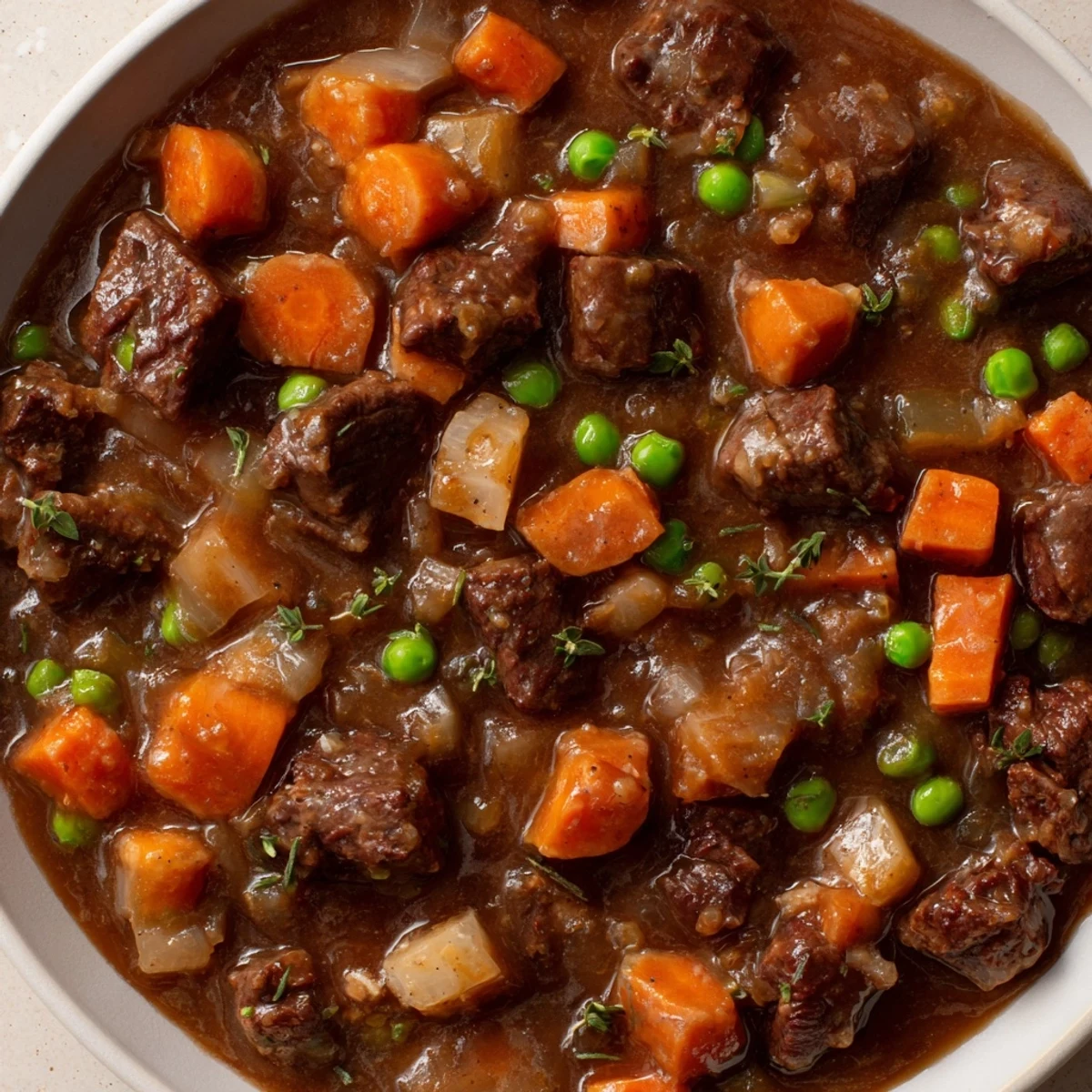
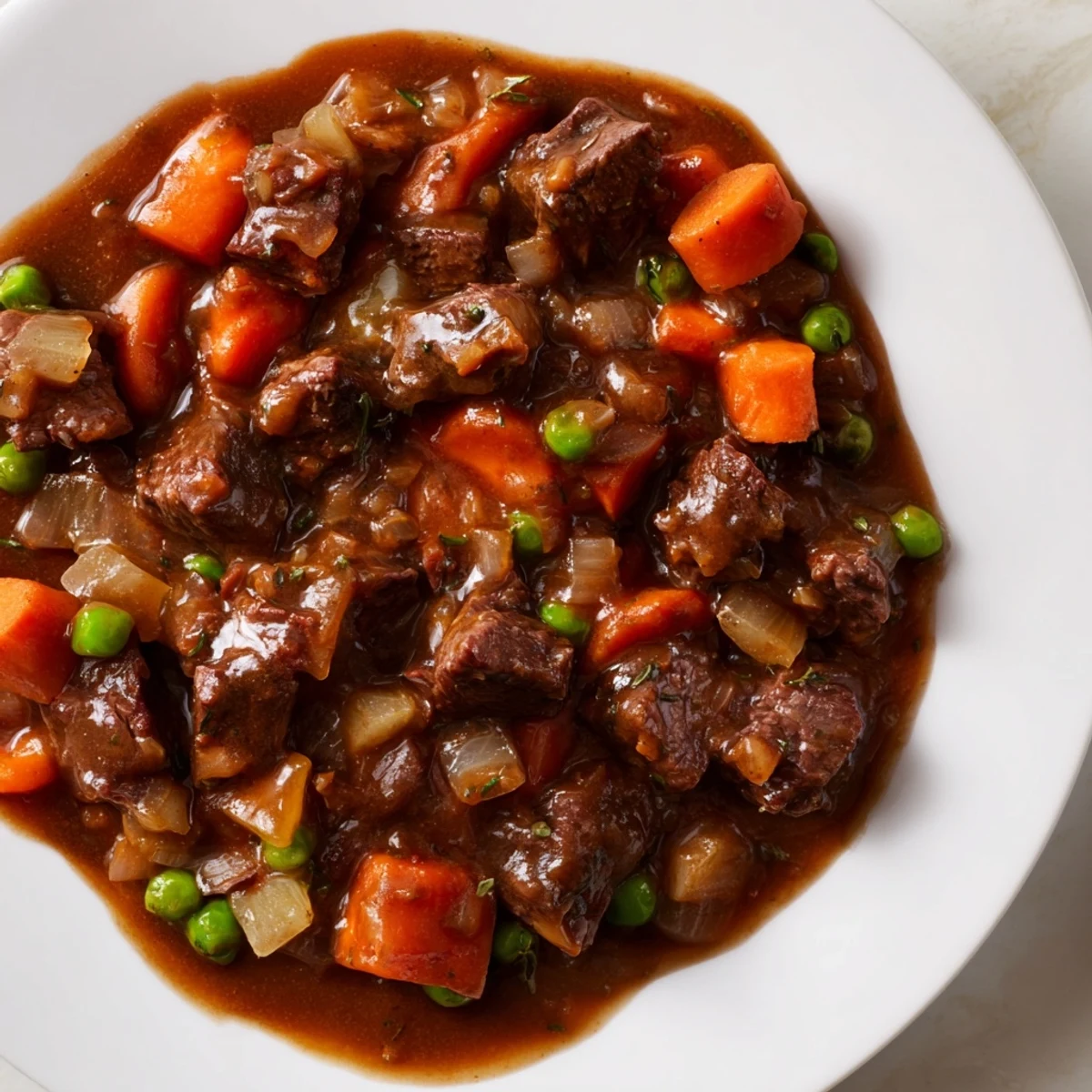
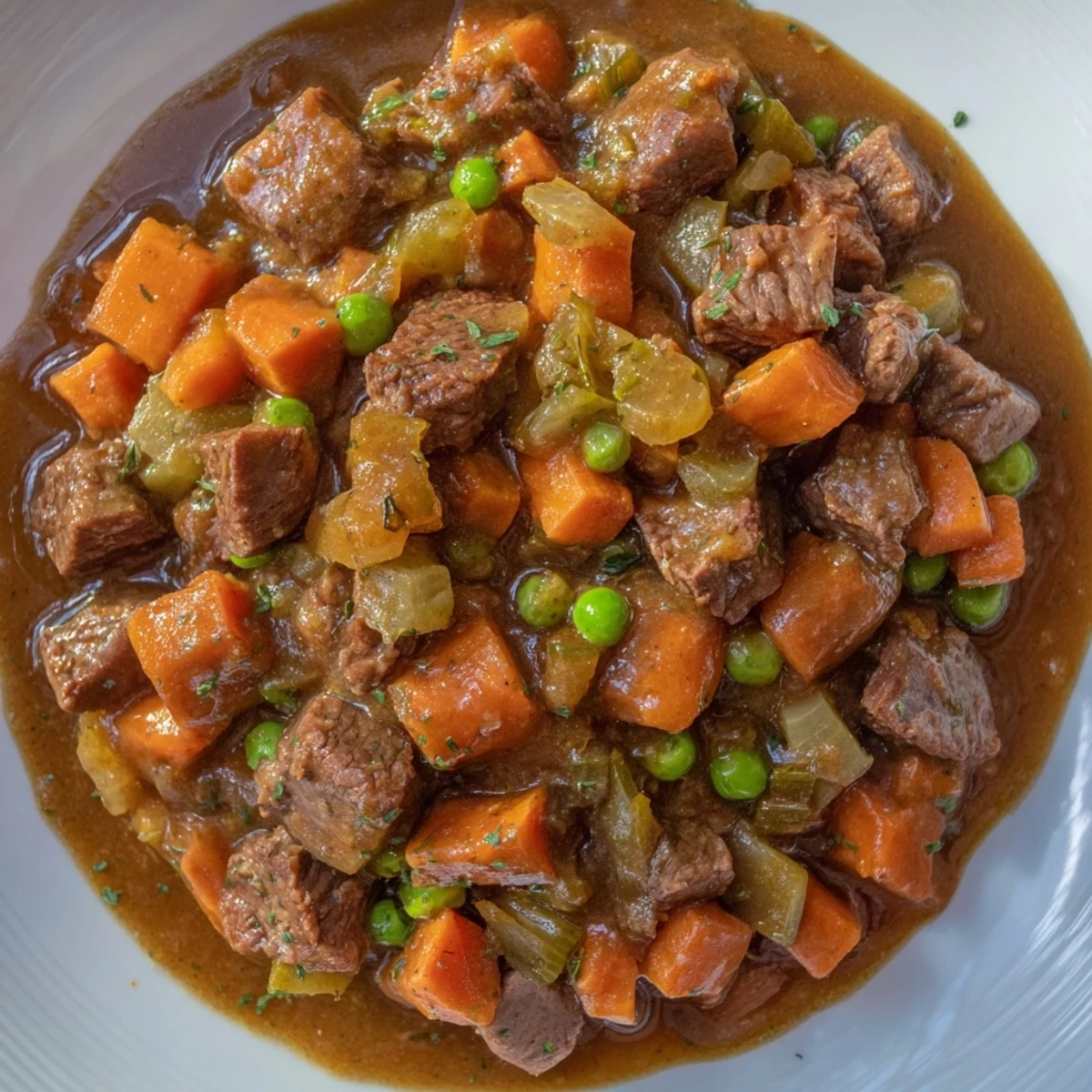
 This savory filling features tender chunks of beef chuck slowly simmered with onions, carrots, celery, and garlic. Thickened with flour and enriched with tomato paste, red wine, thyme, and Worcestershire sauce, the gravy delivers deep, layered flavors. Frozen peas add a pop of sweetness at the end. Perfect for use in meat pies or pasties, this filling promises hearty, comforting taste with every bite. Ideal for make-ahead cooking and freezes well for convenience.
I'll never forget the first time my grandmother pulled a golden beef pie from her oven on a cold Sunday afternoon. The kitchen filled with that incredible aroma of slow-cooked beef and rich gravy, and I watched her carefully spoon the tender filling into the pastry case with such care. Years later, I recreated that filling from memory, and it became my most requested dish at dinner parties. There's something about a proper beef pie that makes people feel genuinely loved and looked after.
I remember my partner's face the first time he bit into a slice of this pie still warm from the oven, steam rising from the filling. He closed his eyes and just sat there for a moment, and I knew right then that this was the filling that would become part of our family traditions. Now, whenever we have people over on a chilly evening, someone always asks if I'm making that beef pie.
Ingredients
- Beef chuck or stewing beef, 800 g (1.75 lbs), cut into 1.5 cm cubes: This cut is specifically chosen because it breaks down beautifully during slow cooking, becoming tender rather than tough. The fat and connective tissue melts into the gravy, creating incredible depth of flavor.
- Vegetable oil, 2 tablespoons: High heat tolerance is essential here, so use something with a neutral taste that won't burn when searing the beef.
- Large onion, finely chopped: The foundation of your filling's flavor. Don't skip this, and don't rush chopping it—the finer you go, the better it dissolves into the sauce.
- Carrots, 2, diced: These provide natural sweetness that balances the savory elements. I learned to dice them slightly larger than the onion so they hold their shape during the long cook.
- Celery stalks, 2, diced: This is what separates a good filling from a great one. It adds a subtle earthiness that ties everything together, though some people skip it if they're not fans.
- Garlic cloves, 2, minced: Add this after the vegetables have softened, never before, or it can turn bitter and ruin your carefully built flavors.
- Beef stock, 375 ml (1½ cups): Use good quality stock here, as it becomes the base of your gravy. The better your stock, the better your filling.
- Red wine, 125 ml (½ cup), optional: This adds complexity and richness that beef stock alone cannot achieve. If you skip it, add more stock, but honestly, the wine makes a real difference.
- Tomato paste, 2 tablespoons: A small amount adds umami depth without making the filling taste tomatoey. Cook it briefly in the pan to deepen its flavor before adding liquids.
- Dried thyme, 1 teaspoon: This herb infuses the entire filling with a gentle, woody note. Fresh thyme works too, but use triple the amount and add it later in cooking.
- Worcestershire sauce, 1 teaspoon: This is the secret that makes people say "what IS that flavor?" It adds savory depth without being identifiable.
- Bay leaves, 2: Remove these before serving or eating—I learned that the hard way at a family dinner once. They add subtle flavor but nobody wants to bite into one.
- Salt and black pepper, to taste: Taste as you go near the end of cooking. The stock is salty, so be gentle with your seasoning until you see the final result.
- All-purpose flour, 2 tablespoons: This thickens your sauce naturally as the beef releases its juices. It also creates a coating on the meat that helps retain moisture.
- Frozen peas, 150 g (1 cup): Add these at the very end so they stay bright green and just tender, not mushy. They provide color and a slight textural contrast to the soft beef.
Instructions
- Sear the beef beautifully:
- Heat your oil over medium-high heat until it shimmers. You should hear a proper sizzle when the beef hits the pan. Work in batches so the meat browns rather than steams—crowding the pot is the biggest mistake people make here. Each batch needs about 3 to 4 minutes per side. You're not cooking the beef through; you're building flavor with that deep brown crust. Set each batch aside on a plate and keep going until all the beef is seared.
- Soften the aromatics:
- In the same pot with all those lovely browned bits stuck to the bottom, add your chopped onion, carrots, and celery. Stir frequently for about 5 minutes. You want them to release their moisture and become tender and fragrant. The vegetables should start to turn golden at the edges. Then add your minced garlic and cook for just one more minute—any longer and it becomes bitter.
- Coat and create depth:
- Return the beef to the pot with the vegetables. Sprinkle the flour over everything and stir well for about a minute. You're coating every piece of meat and creating a thickening agent that will work its magic as everything cooks. This step looks a bit odd, but trust it completely.
- Build layers of flavor:
- Add the tomato paste and cook it for about a minute, stirring constantly. You'll see it deepen in color and smell more intense. Then add the red wine if you're using it, and use a wooden spoon to scrape the bottom of the pot, releasing all those caramelized bits. This is called deglazing, and it's pure gold for flavor.
- Simmer into tenderness:
- Pour in the beef stock and add the thyme, Worcestershire sauce, and bay leaves. Season with salt and pepper, tasting as you go. Bring everything to a gentle simmer—not a rolling boil, but a steady, quiet bubble. Cover the pot and turn the heat to low. Now time becomes your ally. For one full hour, let everything cook together, stirring occasionally. The beef will gradually soften and the flavors will meld.
- Reduce and thicken:
- Remove the lid and let it simmer uncovered for another 20 to 30 minutes. You're watching for the sauce to thicken and cling to the beef. It should look glossy and rich, not watery. The beef should be so tender that it breaks apart with just the back of a wooden spoon.
- Finish with brightness:
- Stir in your frozen peas and cook for just 2 to 3 minutes until they're heated through and still bright green. Remove those bay leaves now—feel along the bottom and sides of the pot if you can't see them. Taste one more time and adjust seasoning if needed.
- Cool completely:
- This step cannot be rushed. Spread the filling on a large plate or transfer to a shallow container and let it cool to room temperature. This is especially important if you're using it in pastry, as hot filling will make the pastry soggy and soft. Once cool, you can cover and refrigerate it until you're ready to use it.
 Save to Pinterest
 There's a moment in my kitchen, when the aroma of slow-cooked beef and red wine fills every corner, that I feel completely present and grateful. My family gathers around asking when the pie will be ready, and that anticipation feels like proof that food truly does connect us to each other.
Making It Your Own
This filling is wonderfully flexible and forgiving, which is why it's been made countless ways across different kitchens and generations. Some people add a splash of balsamic vinegar near the end for a subtle sweetness and acidity that brightens the whole filling. Others add a teaspoon of mustard for a gentle sharpness that makes you taste each layer of flavor. I've had success substituting mushrooms for half the beef, which lightens the dish without losing any richness. The vegetables are your canvas too—turnips, parsnips, or even a small diced potato all work beautifully. The key is respecting the cooking time and technique while playing with ingredients to match what you love.
Storage and Make-Ahead Magic
One of the greatest gifts of this filling is that it actually becomes better with time. Once cooled completely, it will keep refrigerated in a covered container for up to 3 days. The flavors deepen and marry together, and the gravy thickens further as it rests. You can also freeze it for up to 2 months in a freezer-safe container or even in portions in an ice cube tray for smaller uses. Thaw overnight in the refrigerator before using, and reheat gently over low heat with a splash of stock if the sauce seems too thick. This make-ahead quality means you can build your pie fresh the day you want to bake it, using filling that's already a day or two old and therefore even more delicious.
The Perfect Pie
The real magic happens when this filling meets pastry. Whether you use shortcrust, puff pastry, or rough puff, you're creating something that feels homemade and deeply comforting. The filling should be completely cool before you fill your pie, ensuring the pastry bakes perfectly crisp rather than becoming soggy. Brush the pastry with an egg wash for a golden finish that catches the light when it comes out of the oven. Bake according to your pastry recipe instructions until the top is golden brown and the filling peeks out at the edges just slightly. The moment you cut into a slice and see that rich, tender beef studded with vegetables and bound in silky gravy, you'll understand why this filling has been beloved in British kitchens for generations.
- Always let the filling cool completely before using it in pastry or the pastry will steam and become soft instead of crisp
- You can also use this filling for pasties, hand pies, or even as a pot pie with biscuits on top
- A little brush of melted butter on the warm pastry after baking adds extra richness and shine
 Save to Pinterest
 This beef pie filling is the kind of recipe that becomes part of your cooking identity, the one people ask for by name and remember years later. It's food made with time and care, and that always matters.
Recipe FAQs
- → What cut of beef works best for this filling?
-
Beef chuck or stewing beef cut into 1.5 cm cubes provides the perfect balance of tenderness and flavor when slow-cooked.
- → Can I omit the red wine in the gravy?
-
Yes, simply replace the wine with extra beef stock to maintain the rich, savory taste without alcohol.
- → How do I thicken the filling sauce?
-
Sprinkling all-purpose flour over the cooked meat and vegetables before adding liquids helps achieve a thick, hearty gravy.
- → Are there any vegetable substitutes recommended?
-
You may substitute mushrooms for half the beef to lighten the filling and add earthy flavor.
- → How long can I store the prepared filling?
-
The filling can be refrigerated for up to 3 days or frozen for up to 2 months for easy meal prep.
- → What is the purpose of adding Worcestershire sauce?
-
Worcestershire sauce enhances the savory depth with subtle umami and tanginess, balancing the flavors.