
 Save to Pinterest
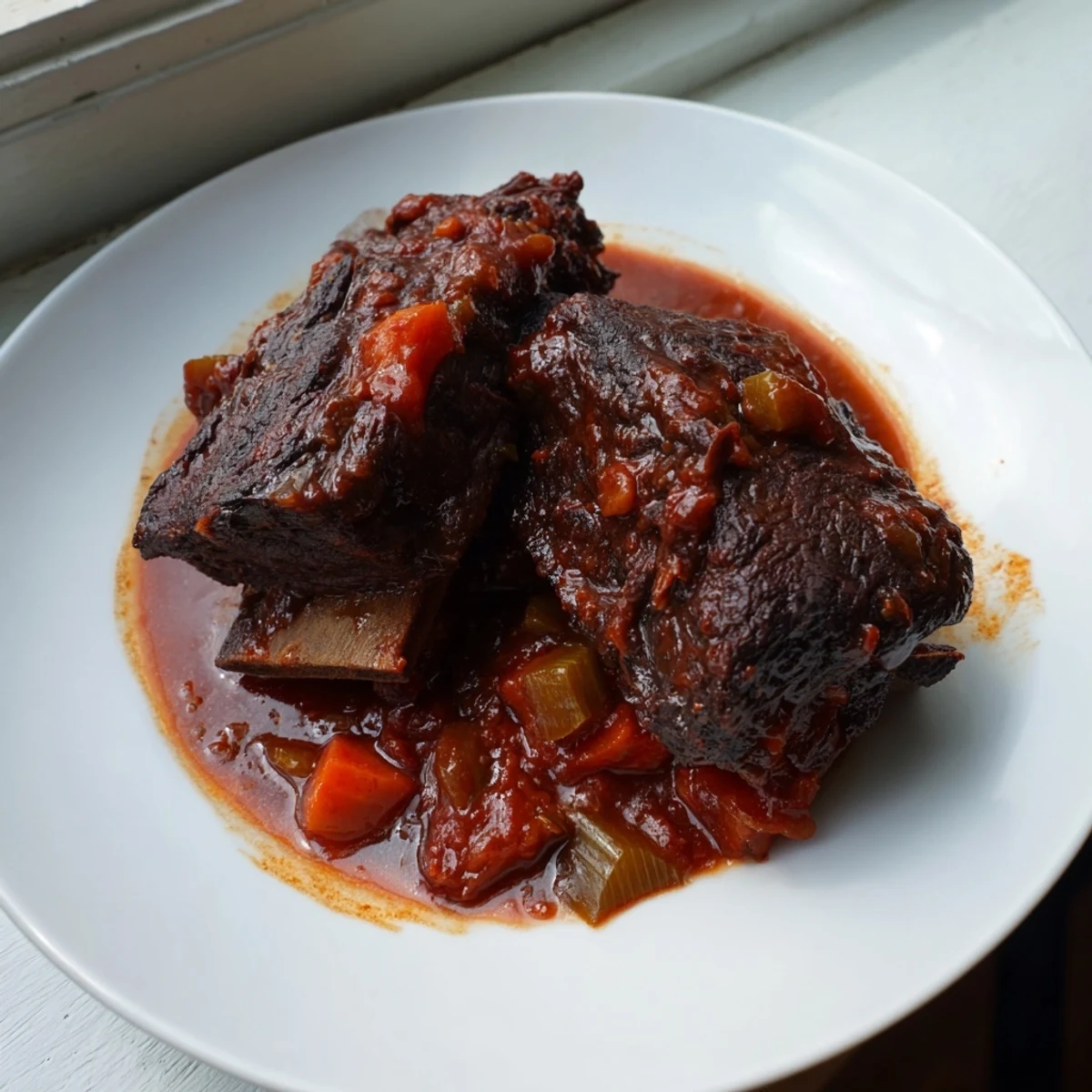
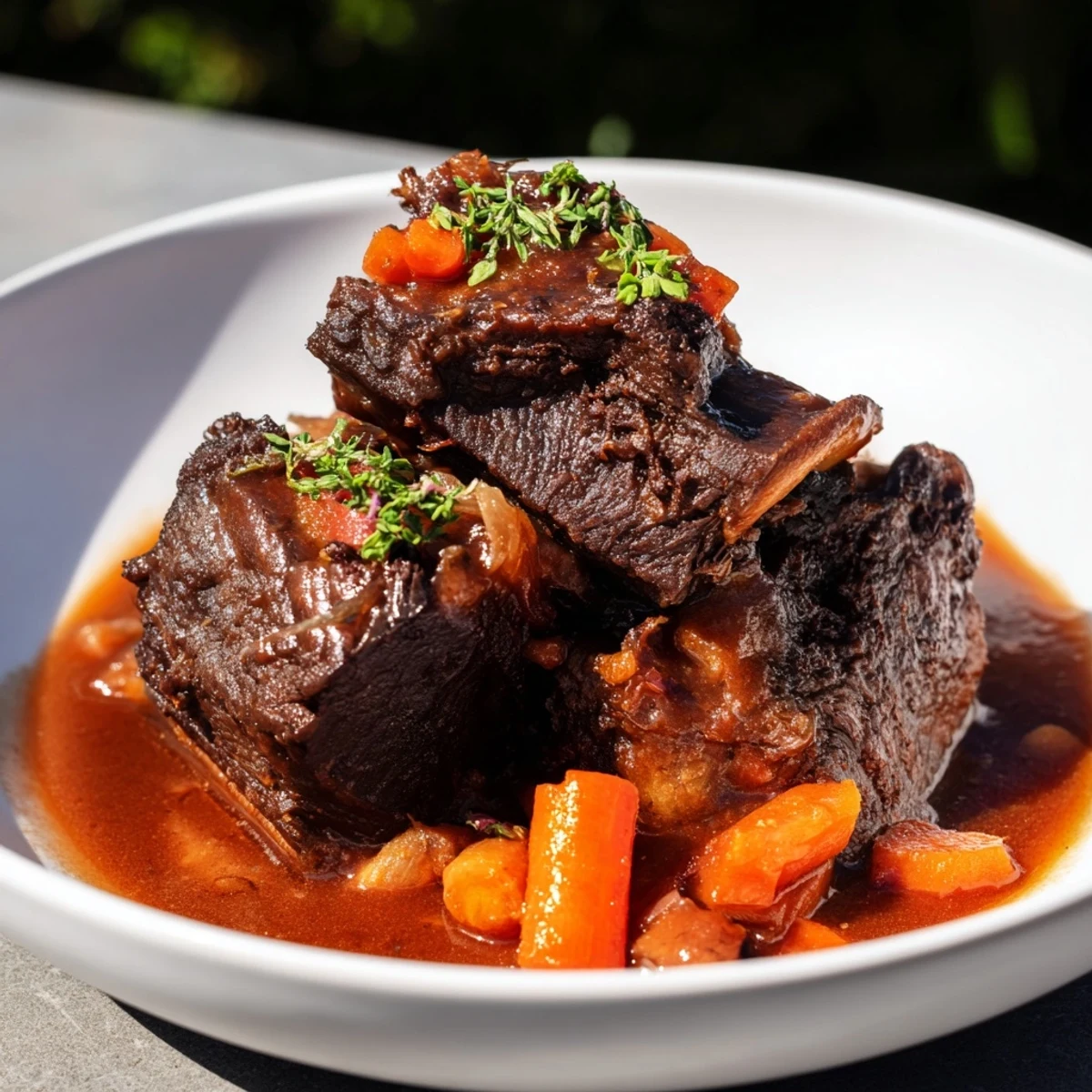
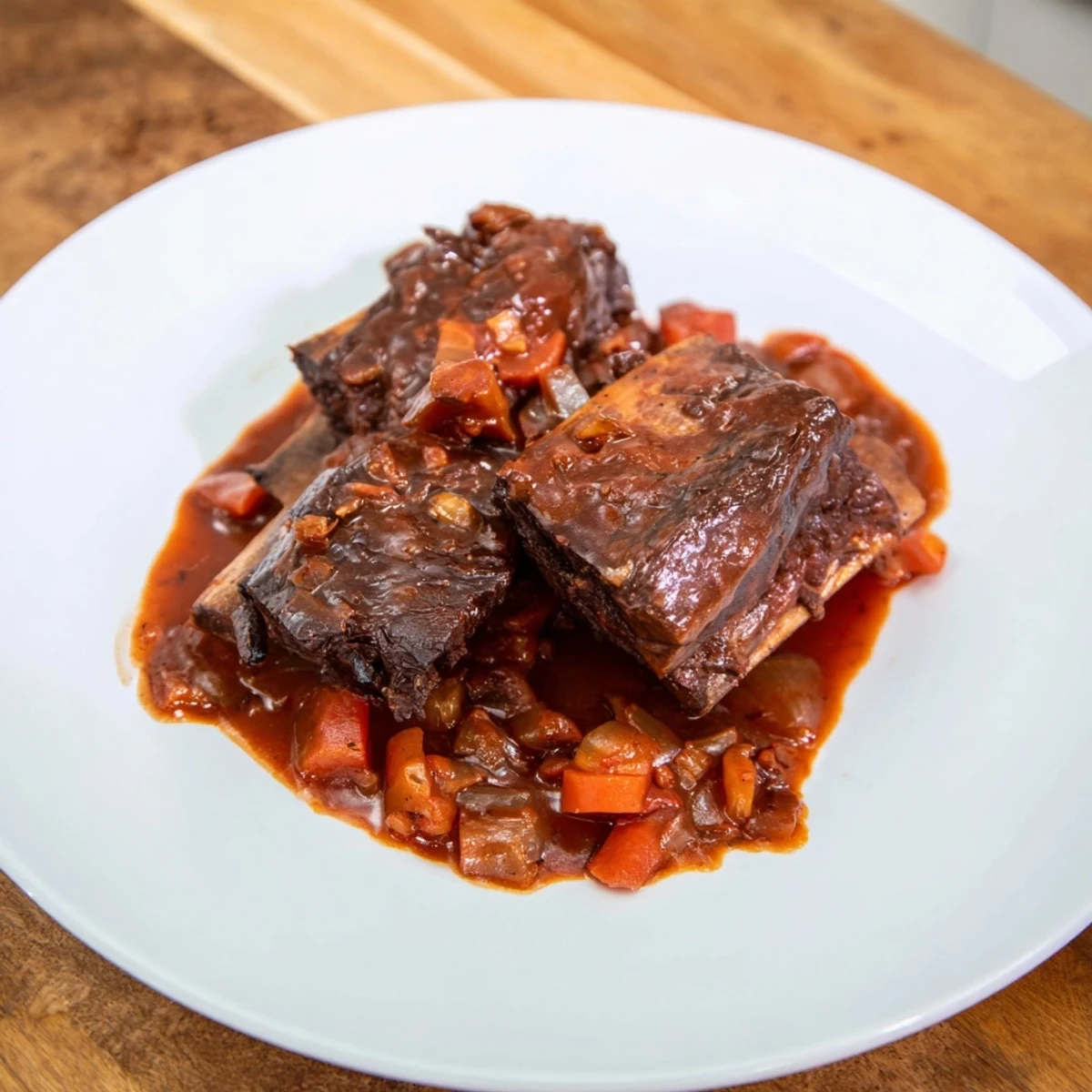
 These beef ribs are slowly braised in a savory blend of herbs, garlic, and red wine, resulting in meat that is tender and flavorful. The process involves searing the ribs, sautéing aromatic vegetables, and simmering everything in a rich broth, creating a deep, comforting sauce. After hours of gentle cooking, the ribs become exceptionally soft, perfect for pairing with mashed potatoes or crusty bread for a satisfying meal.
I threw my first dinner party on a rainy October evening, and I panicked until I remembered these ribs. The smell of caramelized meat and herbs filled my tiny apartment while everyone huddled around the kitchen, wine in hand. By the time I pulled that Dutch oven from the oven, the conversation had shifted from polite small talk to storytelling, and I knew I'd found my signature dish.
My neighbor once knocked on my door mid-braise, convinced something incredible was happening. I invited her in for a glass of wine and she stayed through the whole process, scribbling notes on a grocery receipt. She later told me her husband thought she'd secretly taken cooking classes.
Ingredients
- Beef short ribs (1.5 kg, bone-in): Look for ribs with good marbling and a thick layer of meat, the bone adds flavor and the fat keeps everything moist during the long braise.
- Carrots (2 medium, chopped): They sweeten the sauce as they break down and add a subtle earthiness you'll taste in every spoonful.
- Celery (2 stalks, chopped): Don't skip this, it brings a savory depth that balances the richness of the beef.
- Onion (1 large, chopped): Yellow or white onions work best, they caramelize beautifully and form the backbone of the sauce.
- Garlic (4 cloves, minced): Fresh garlic is essential here, it mellows into a sweet, aromatic note as it cooks.
- Beef broth (500 ml): Use a good quality broth or homemade stock if you have it, this is half the liquid so flavor matters.
- Dry red wine (250 ml): A medium-bodied red like Merlot or Cabernet works perfectly, it adds acidity and complexity.
- Tomato paste (2 tbsp): This thickens the sauce and gives it a deep, slightly sweet umami backbone.
- Fresh thyme and rosemary (2 sprigs each): Fresh herbs are worth it, they infuse the braise with a woodsy, aromatic quality dried herbs can't match.
- Bay leaves (2): They add a subtle herbal bitterness that rounds out the flavors.
- Black pepper and salt (1 tsp each): Season generously, the meat needs it and the sauce will thank you.
- Olive oil (2 tbsp): For searing, it can handle the high heat without burning.
Instructions
- Prepare the oven and ribs:
- Preheat your oven to 160°C (325°F). Pat the ribs completely dry with paper towels, then season both sides liberally with salt and pepper, the drier the meat, the better the sear.
- Sear the ribs:
- Heat olive oil in a large Dutch oven over medium-high heat until it shimmers. Sear the ribs in batches without crowding, about 2 to 3 minutes per side until deep golden brown, then set them aside on a plate.
- Cook the vegetables:
- In the same pot with all those flavorful browned bits, add onion, carrots, and celery. Sauté for 5 minutes, stirring occasionally, until they soften and start to color, then add garlic and cook 1 minute more until fragrant.
- Build the braising liquid:
- Stir in tomato paste and cook for 1 minute to caramelize it slightly. Pour in the red wine and scrape up every stuck bit from the bottom of the pot, then let it simmer for 3 to 4 minutes to reduce and concentrate.
- Add broth and herbs:
- Pour in the beef broth, then add thyme, rosemary, and bay leaves. Nestle the seared ribs back into the pot, making sure they're mostly submerged in the liquid.
- Braise in the oven:
- Bring everything to a gentle simmer on the stovetop, then cover tightly with a lid and transfer to the oven. Braise for 2 to 2.5 hours until the meat is fork-tender and nearly falling off the bone.
- Finish the sauce:
- Carefully remove the ribs and vegetables to a serving platter. Fish out and discard the herb sprigs and bay leaves, then skim off excess fat and simmer the sauce uncovered on the stovetop for 10 minutes if you want it thicker.
- Serve:
- Spoon the rich, glossy sauce over the ribs and vegetables. Serve immediately with your favorite sides.
 Save to Pinterest
 One winter my brother showed up unannounced with his new girlfriend, and I happened to have these ribs in the oven. We ate at the coffee table because my dining table was covered in laundry, and she later told him it was the coziest meal she'd ever had. They got married two years later, and I made these ribs for their rehearsal dinner.
What to Serve Alongside
Creamy mashed potatoes are my go-to because they soak up the sauce like a dream. Polenta is another favorite, especially if you stir in a little butter and Parmesan at the end. If you want something lighter, roasted root vegetables or a simple arugula salad with lemon vinaigrette cuts through the richness beautifully.
Making It Ahead
This is one of those rare dishes that actually improves overnight. Let the ribs cool in the sauce, then cover and refrigerate for up to three days. The fat will solidify on top, making it easy to lift off before you gently reheat everything on the stovetop or back in a low oven.
Adjustments and Swaps
If you don't drink or cook with alcohol, replace the wine with an equal amount of beef broth plus a tablespoon of balsamic vinegar for acidity. I've also added mushrooms, chunks of parsnip, or even a few dried porcini for extra earthiness.
- Try adding 100g of cremini or button mushrooms with the other vegetables for a deeper, earthier sauce.
- Swap rosemary for a sprig of sage if you want a slightly sweeter, more autumnal flavor.
- For a thicker sauce, mash a tablespoon of butter with a tablespoon of flour and whisk it in during the final simmer.
 Save to Pinterest
 There's something quietly powerful about a dish that asks for patience and rewards you with tenderness. These ribs have carried me through celebrations, apologies, and ordinary Tuesdays when I just needed something warm and true.
Recipe FAQs
- → What cut of beef is best for this dish?
-
Bone-in short ribs are ideal as their marrow and fat render slowly, enhancing the sauce's richness.
- → Can I use alternatives to red wine in the cooking liquid?
-
Yes, substituting red wine with extra beef broth maintains moisture and depth without alcohol.
- → How do I achieve tender, fall-off-the-bone ribs?
-
Slow braising at low temperature over 2 to 2.5 hours breaks down connective tissues, making the meat tender.
- → What vegetables add flavor to the braising liquid?
-
Carrots, celery, onions, and garlic create a flavorful base that complements the beef and herbs.
- → Is it necessary to brown the ribs before braising?
-
Browning develops a deep, savory crust and intensifies the overall flavor of the dish.