
 Save to Pinterest
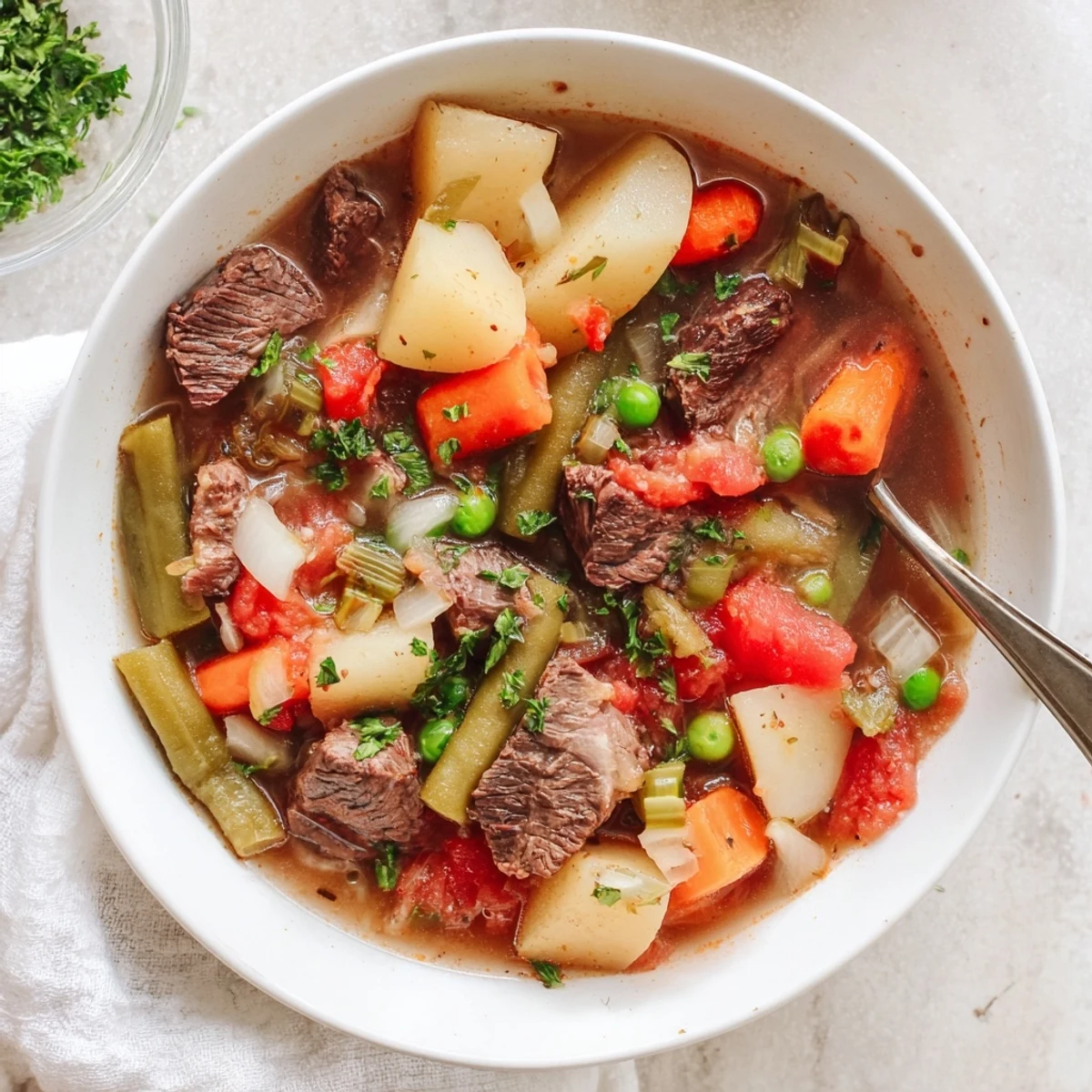
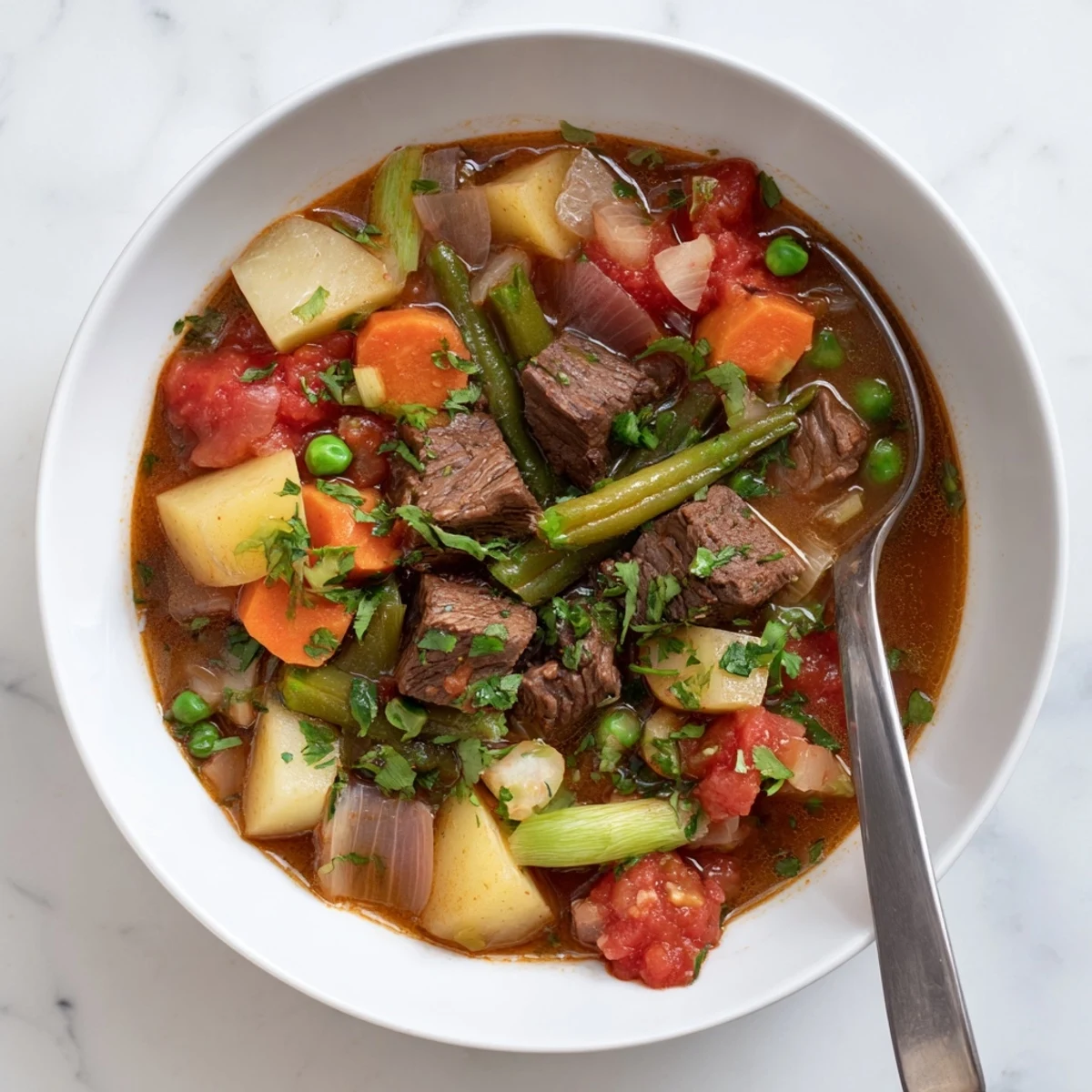
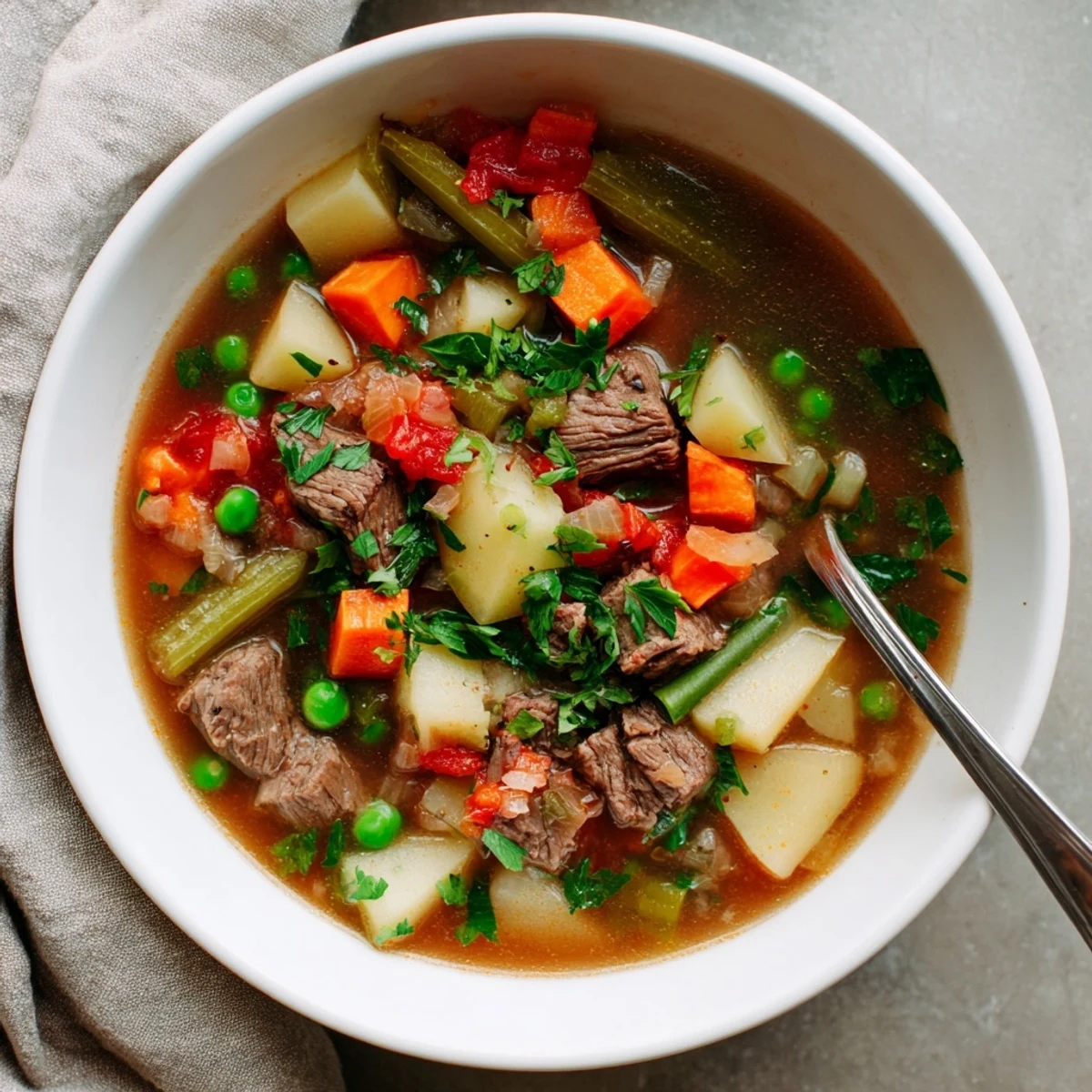
 This satisfying soup features beef chuck that's browned then slowly simmered for over an hour until fork-tender. The broth becomes deeply flavored with tomato paste, herbs, and sautéed vegetables. Potatoes, green beans, and peas join in the final stages, creating a complete meal in a bowl. Each serving delivers lean protein and hearty vegetables in a rich, warming broth that's perfect for serving with crusty bread on chilly evenings.
The first snowfall had just started sticking when my grandmother handed me her battered Dutch oven, insisting soup weather waits for no one. I had been planning something elaborate, but she just smiled and said the best soups are built on patience and whatever the crisper drawer happens to hold.
Last winter, my neighbor came over shoveling snow and I ladled out steaming bowls while we watched fat flakes collect on the windowsill. She took one sip, closed her eyes, and asked if I could teach her my grandmother's secrets.
Ingredients
- Beef chuck: Chuck is the secret here because all that marbling transforms into silkiness during the long braise, and cutting it into uniform cubes ensures everything finishes cooking at the same time
- Olive oil: A good slick of oil creates that beautiful fond on the bottom of your pot, which is basically liquid gold for building depth
- Onion, carrots, celery: This classic trio forms the aromatic backbone that makes your kitchen smell like somewhere people want to be
- Garlic: Minced fresh and added late so it sweetens rather than burns, because bitter garlic ruins everything
- Potatoes: Yukon Golds hold their shape beautifully while still becoming creamy enough to thicken the broth naturally
- Green beans: Fresh ones give a lovely snap that contrasts with the melting beef, though frozen work in a pinch
- Diced tomatoes: Keep the juice because that liquid is pure concentrated flavor you do not want to pour down the drain
- Frozen peas: Added at the very end so they stay bright and sweet rather than turning into sad gray mush
- Beef broth: Homemade is ideal obviously, but a good store bought brand works perfectly fine for a weeknight dinner
- Tomato paste: This little tube adds umami and a gorgeous russet color that makes the soup look as rich as it tastes
- Worcestershire sauce: Dont skip it, that fermented tang is what elevates this from basic beef soup to something people write down
- Bay leaves: Two is the magic number, and please remember to fish them out before serving because nobody wants that surprise
- Dried thyme and oregano: Dried herbs actually work better than fresh here since they can withstand the long simmer without losing their soul
- Salt and black pepper: Taste at the end because the beef broth might already be saltier than you expect
- Fresh parsley: A handful of green sprinkled over each bowl makes everything look intentional and finished
Instructions
- Season the beef:
- Pat those cubes completely dry with paper towels because wet meat will steam instead of developing that gorgeous caramelized crust that makes braising worth it
- Sear in batches:
- Crowding the pot is the enemy of browning, so give each piece some breathing room and listen for that sizzle that tells you fond is forming
- Build your base:
- Sauté the aromatics in those beefy drippings, scraping up every bit of flavor from the bottom because that is where the real magic lives
- Bring everyone together:
- Return the beef, stir in the tomato paste until it smells sweet and cooked, then pour in everything else and watch it turn into something magnificent
- The long simmer:
- Low and slow for an hour and a half, with the lid slightly askew so the liquid can concentrate and the beef can transform into something unrecognizably tender
- Add the hearty vegetables:
- Potatoes and green beans need that last 25 minutes to cook through while still maintaining enough structure to feel substantial in each spoonful
- Finish with peas:
- Five minutes is all it takes for the peas to heat through and brighten everything up
- The final tasting:
- This is the moment that matters, so season carefully and ladle into bowls while steam is still rising
 Save to Pinterest
 My friend Tom swore he hated soup until I put a bowl of this in front of him during a terrible February cold. Now he texts me every time he makes it, which I choose to interpret as the highest compliment.
Making It Your Own
Sometimes I swap turnips for half the potatoes when I am feeling fancy, or add a splash of red wine with the broth if dinner feels like it should be a little more special. The recipe is forgiving like that.
Serving Suggestions
A hunk of crusty bread is nonnegotiable for soaking up every drop, and a simple green salad with vinaigrette cuts through all that richness beautifully.
Storage and Reheating
This soup actually improves after a day in the refrigerator, which might be the best thing I can tell you about it. The potatoes will absorb more broth overnight, so you might need to splash in a little extra when reheating.
- Cool completely before transferring to airtight containers
- Freeze for up to three months if you somehow manage not to eat it all immediately
- Reheat gently over medium low, stirring occasionally
 Save to Pinterest
 There is something profoundly satisfying about feeding people from a single pot that has been simmering all afternoon, knowing that whatever else happened today, at least there was this.
Recipe FAQs
- → How long does the beef need to cook?
-
The beef simmers for 1.5 hours before adding potatoes, then cooks another 30 minutes with vegetables. This slow cooking breaks down connective tissue, creating tender, succulent meat that falls apart easily.
- → Can I make this in a slow cooker?
-
Yes. Brown the beef first, then transfer everything to your slow cooker. Cook on low for 7-8 hours or high for 4-5 hours. Add potatoes and green beans during the last hour of cooking time.
- → What cut of beef works best?
-
Beef chuck is ideal because it becomes tender with long simmering and adds rich flavor. Other options include brisket, round, or short ribs. Avoid lean cuts like sirloin as they can become tough.
- → Can I freeze this soup?
-
This soup freezes beautifully for up to 3 months. Cool completely before transferring to freezer-safe containers. Thaw overnight in the refrigerator and reheat gently on the stove.
- → How can I make the broth thicker?
-
For a heartier consistency, mash some potatoes against the side of the pot or remove a cup of vegetables, purée, and stir back in. You can also add a slurry of cornstarch and water near the end.
- → What vegetables can I substitute?
-
Try turnips, parsnips, rutabaga, or butternut squash instead of potatoes. Add corn, kale, spinach, or zucchini in the last 10 minutes. Adjust cooking times based on vegetable hardness.