
 Save to Pinterest
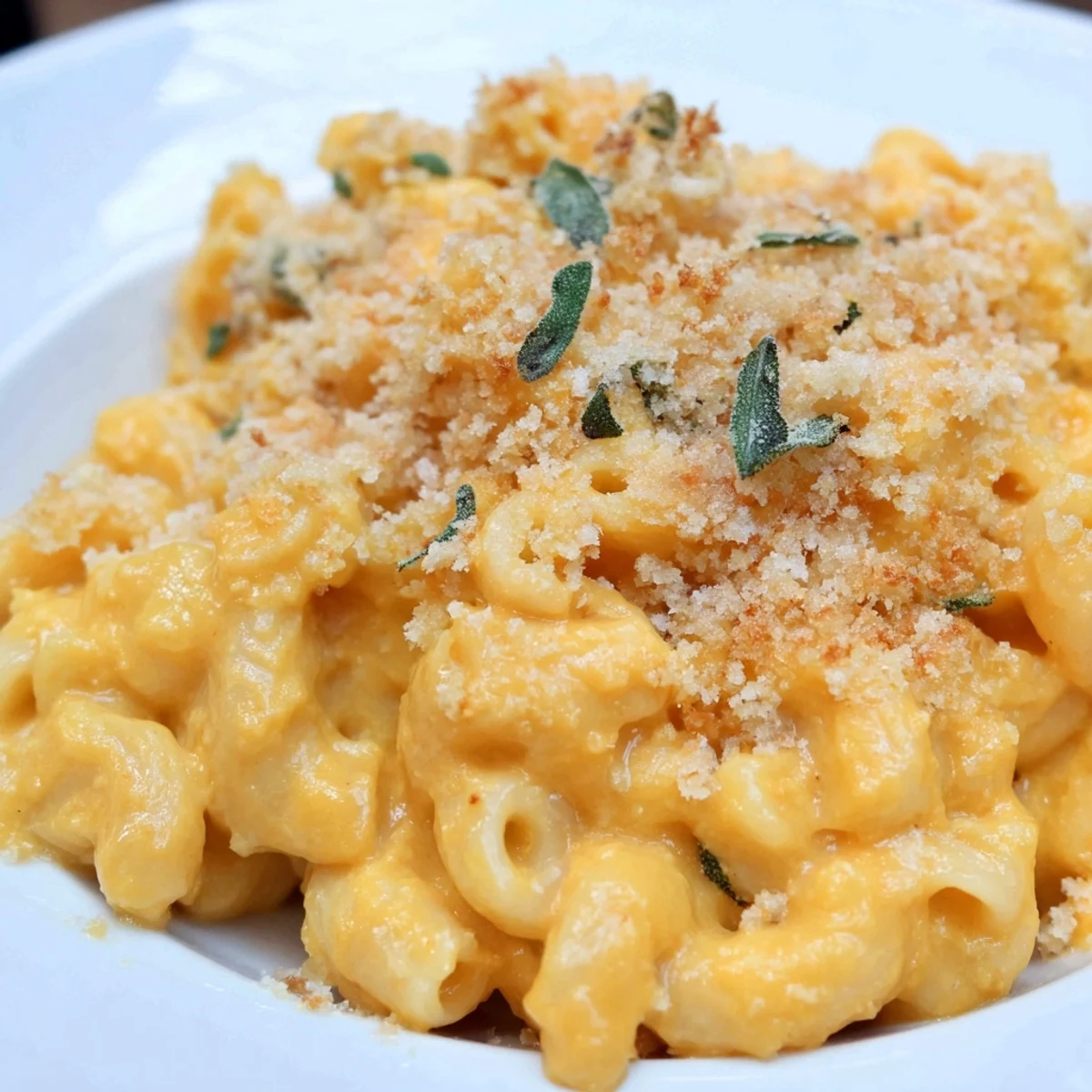
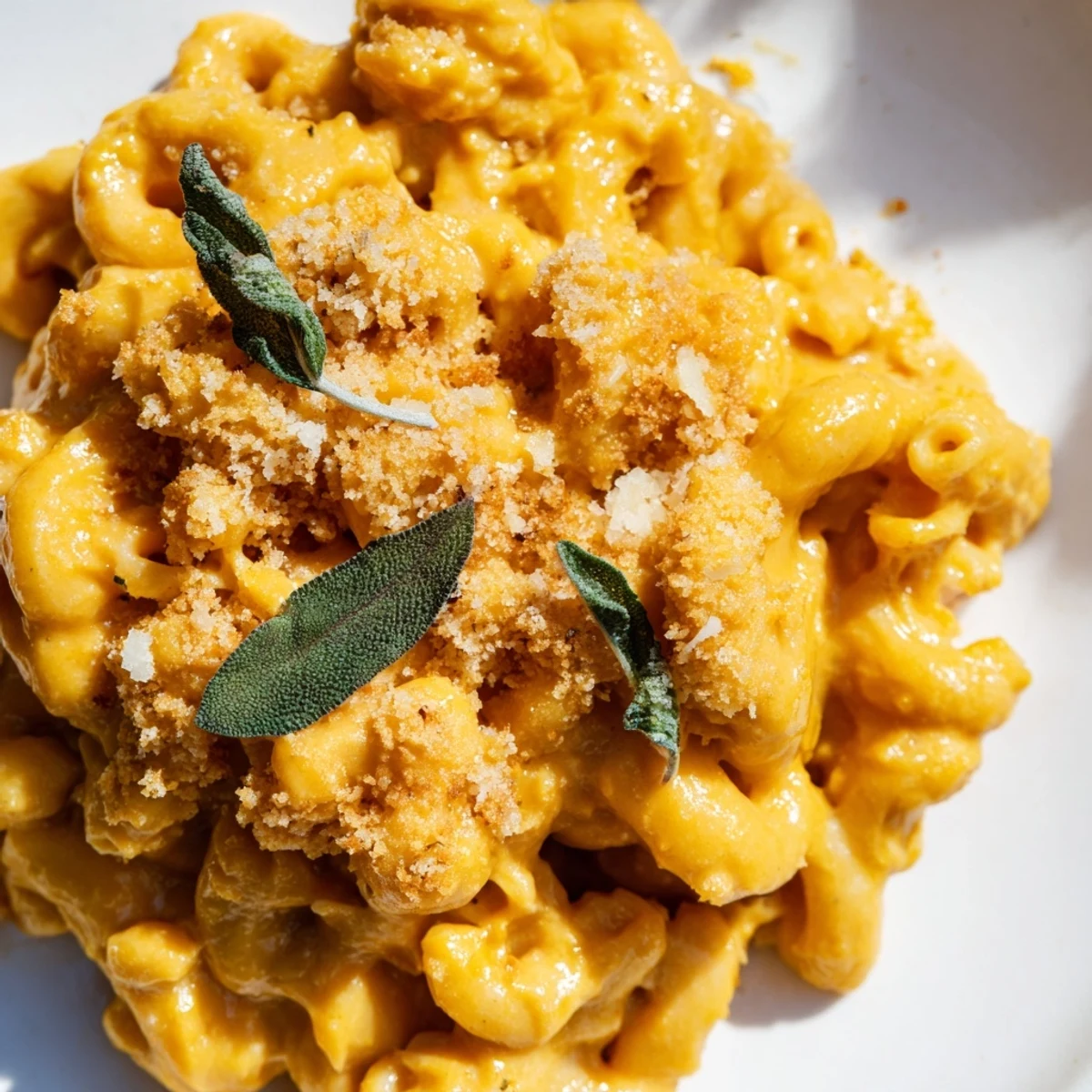
 This comforting mac and cheese combines tender roasted butternut squash with sharp cheddar and Gruyère cheeses, infused with fresh sage for a rich, autumnal flavor. The squash is caramelized to bring out natural sweetness, while the silky cheese sauce coats perfectly cooked elbow macaroni. An optional baked topping of buttery panko and Parmesan adds a golden, crunchy finish. Ideal for a hearty vegetarian main dish that delivers warmth and depth in every bite.
There's something about October that makes me crave comfort food with a sophisticated twist, and this butternut squash mac and cheese appeared in my kitchen almost by accident. I had roasted too much squash one Sunday afternoon, the apartment smelled like caramelized honey and nutmeg, and I found myself wondering what would happen if I folded that golden puree into a cheese sauce. The answer was immediate and entirely convincing—a dish that somehow feels both cozy and elegant, like fall had invited itself to dinner.
I made this for my sister on her first week working from home, when she called me stressed about putting together a real dinner while still answering emails. An hour later she was laughing over a bowl, saying it tasted like autumn in a way that made everything feel manageable again. That's when I knew this recipe was the kind worth keeping close.
Ingredients
- Elbow macaroni, 340 g (12 oz): Short pasta shapes work best because they cradle the sauce; cook it just shy of the package recommendation so it stays tender but doesn't break apart when you fold it in.
- Butternut squash, 450 g (1 lb) peeled and diced: The secret to a silky sauce that tastes almost too indulgent; roasting concentrates the sweetness and gives the squash a chance to caramelize slightly.
- Olive oil, 1 tbsp: Just enough to help the squash brown without making it greasy during roasting.
- Salt and black pepper for squash, 1/2 tsp and 1/4 tsp: These small amounts season the squash as it roasts, building flavor before the sauce even starts.
- Unsalted butter, 2 tbsp: The foundation of your sauce; it matters that it's unsalted so you control the final seasoning.
- Small onion, finely chopped: It dissolves into the sauce and rounds out the flavor with subtle sweetness and depth.
- Garlic, 2 cloves minced: A whisper of garlic that adds complexity without dominating; mince it fine so it disperses throughout the sauce.
- Fresh sage, 1 tbsp finely chopped: This herb is the entire personality of the dish; fresh sage has an earthiness that dried sage can never match, so don't skip it or substitute.
- All-purpose flour, 2 tbsp: Creates the roux that thickens the sauce and prevents it from being thin or watery once the squash is blended in.
- Whole milk, 500 ml (2 cups): Use whole milk because the fat content makes the sauce taste rich and coat the pasta properly; low-fat versions break apart during cooking.
- Vegetable broth, 120 ml (1/2 cup): Adds savory depth and helps the sauce come together without being overly heavy.
- Sharp cheddar cheese, 150 g grated: The sharpness cuts through the sweetness of the squash and keeps the sauce from becoming cloying.
- Gruyère cheese, 75 g grated: This cheese melts impossibly smooth and adds a subtle nuttiness that makes people ask what the secret ingredient is.
- Ground nutmeg, 1/2 tsp: Just enough to echo the warm spices of fall without announcing itself; it's the bridge between savory cheese and roasted squash.
- Panko breadcrumbs, 30 g (optional topping): Creates a golden, crispy topping that stays crunchy even after it cools.
- Parmesan cheese, 2 tbsp grated: Sprinkled over the breadcrumbs for extra sharpness and a texture that browns beautifully under the broiler.
Instructions
- Roast the squash until it's caramelized gold:
- Preheat your oven to 200°C (400°F) and line a baking sheet with parchment paper. Toss your diced butternut squash with olive oil, salt, and pepper until every piece glistens, then spread it out in a single layer. Roast for 20–25 minutes, stirring halfway through, until the squash is completely soft and the edges turn amber and crispy—this is where the sweetness concentrates.
- Cook the pasta until it's almost there:
- While the squash roasts, bring a large pot of salted water to a rolling boil and add your pasta. Cook it about 1 minute less than the package suggests so it stays firm enough to hold its shape when you mix it with the sauce later.
- Build the foundation of the sauce:
- In a saucepan over medium heat, melt your butter and add the finely chopped onion. Let it soften for 3–4 minutes until it's translucent and sweet, then add the minced garlic and fresh sage. Cook for just 1 minute more, stirring so the sage perfumes the butter without burning.
- Create the roux that binds everything:
- Sprinkle in your flour and stir constantly for 1–2 minutes, letting it cook into the butter and form a thick paste. This roux prevents lumps from forming when you add the liquid.
- Add the liquid slowly and gently:
- Pour in your milk and vegetable broth in a steady stream while whisking, making sure no lumps form. Keep stirring as the sauce comes to a gentle simmer and thickens—about 3–4 minutes—until it coats the back of a spoon.
- Blend the squash into silk:
- Add your roasted squash to the sauce and use an immersion blender to puree it completely smooth. If you don't have an immersion blender, carefully transfer the mixture to a countertop blender in batches, then pour it back into the saucepan. The sauce should be creamy, warm, and almost luxurious.
- Finish with cheese and spice:
- Reduce the heat to low and stir in your grated cheddar and Gruyère, along with the nutmeg. Stir until every bit of cheese melts and disappears into the sauce, then taste and adjust the salt and pepper—remember the cheeses already contribute saltiness.
- Bring it all together:
- Add your drained, cooked pasta to the sauce and fold it gently until every strand is coated. The mixture should look creamy and cohesive, not thin or watery.
- Optional: Top it and broil for crunch:
- If you want that crispy contrast, preheat your broiler and transfer the mac and cheese to a greased baking dish. Mix panko with melted butter and grated Parmesan, sprinkle it over the top, and broil for 2–3 minutes until it turns golden brown and smells irresistible.
- Finish with fresh sage and serve:
- Garnish each serving with a whisper of extra chopped sage so everyone gets the fresh herb flavor, and serve immediately while the sauce is still creamy and warm.
 Save to Pinterest
 The moment that made this dish essential happened when my neighbor smelled it cooking through our shared wall and knocked on my door to ask what that smell was. We ended up sharing the entire pot while watching the sun set through the kitchen window, barely talking, just eating and feeling like autumn was exactly what we needed. That's when comfort food stopped being just food and became a language.
Why This Works in Autumn (and Beyond)
Butternut squash arrives at the market exactly when people start craving warmth and sweetness, but this dish is too good to save only for fall. I've made it in January when the cold demands comfort, in June when I wanted something nostalgic without being heavy, and every time someone tastes it, they ask how the sauce became so silky. The secret is patience with roasting the squash and courage to blend it completely smooth.
The Science Behind the Creaminess
Butternut squash contains natural pectin and starches that thicken a sauce the way cream would, which means you get luxurious texture without the heaviness of adding extra cream. The Gruyère cheese melts faster than cheddar and creates a silkier emulsion, so using both cheeses together is the difference between sauce that breaks and sauce that stays velvety even as it cools slightly. Understanding how these ingredients interact with each other means you can adjust the recipe confidently based on what you have on hand.
Making It Your Own
This dish is forgiving enough to accommodate what's actually in your kitchen and bold enough to handle your own flavor ideas. Some nights I add a handful of crispy sage leaves on top for texture, other times I fold in sautéed mushrooms or spinach for more vegetables. The roasted squash is so forgiving that sweet potato works beautifully if that's what you have, though the flavor becomes slightly deeper and less delicate.
- If you don't have Gruyère, use all sharp cheddar or add a small amount of smoked gouda for complexity.
- For a lighter version, replace half the milk with more vegetable broth and it still tastes rich and satisfying.
- Make it ahead and reheat gently on the stovetop with a splash of milk, since the sauce thickens as it cools.
 Save to Pinterest
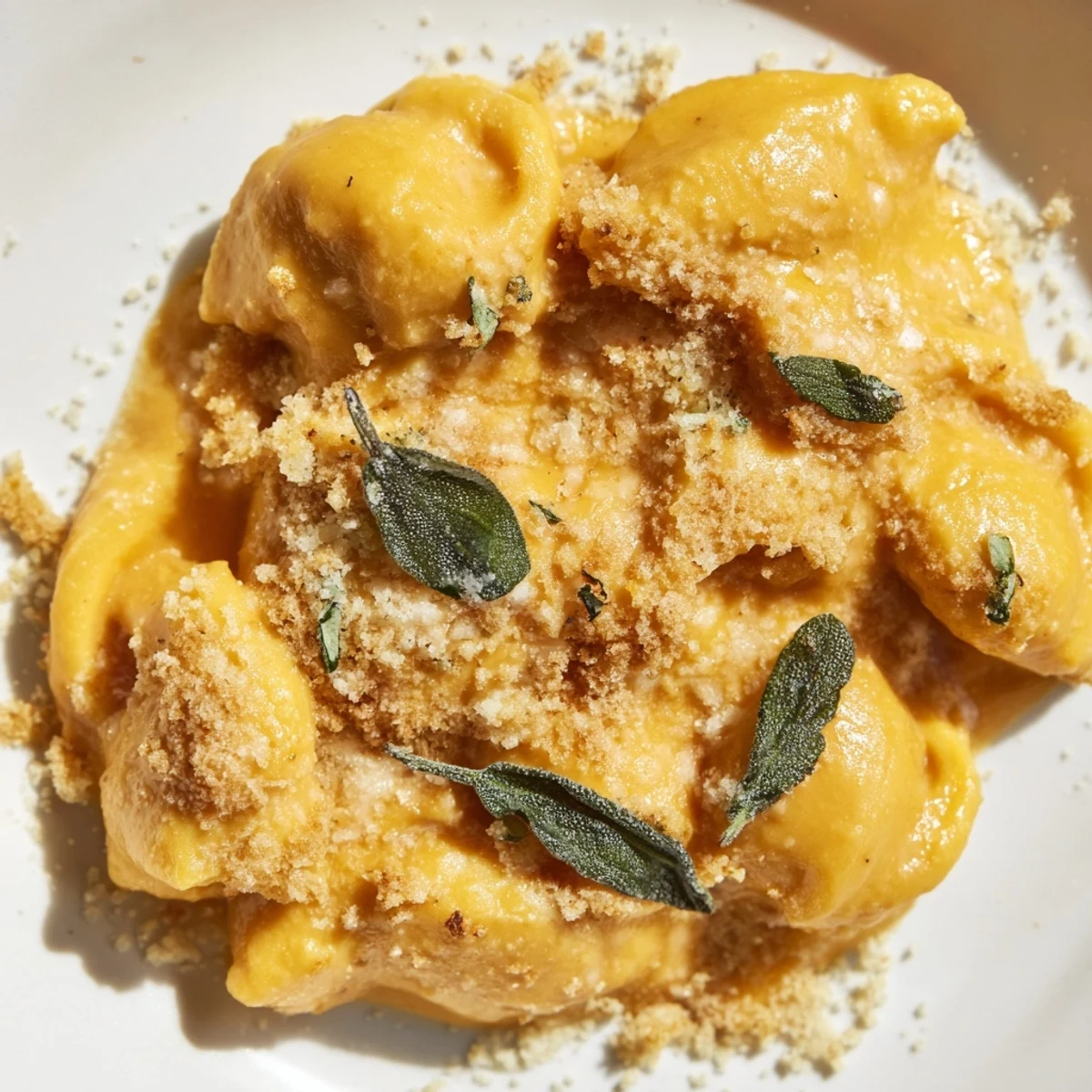
 This is the kind of dish that tastes like you planned it for hours, when really it just asks for attention and honesty. Make it for someone who needs comfort, or make it for yourself on a day that demands something warm and thoughtful.
Recipe FAQs
- → Can I substitute the butternut squash with another vegetable?
-
Yes, sweet potatoes are a great alternative that offers similar sweetness and texture when roasted and blended into the cheese sauce.
- → How can I make this dish gluten-free?
-
Use gluten-free pasta and replace the all-purpose flour with a gluten-free flour blend to maintain the creamy sauce without gluten.
- → What is the role of sage in this dish?
-
Sage adds a fragrant, earthy note that complements the sweetness of the roasted squash and richness of the cheeses.
- → Can I prepare this dish without a blender?
-
While blending the sauce creates a smooth texture, you can mash the squash finely and stir it in for a chunkier consistency.
- → How do I achieve a crispy topping?
-
Combine panko breadcrumbs with melted butter and Parmesan cheese, sprinkle over the assembled dish, and broil until golden brown and crispy.