
 Save to Pinterest
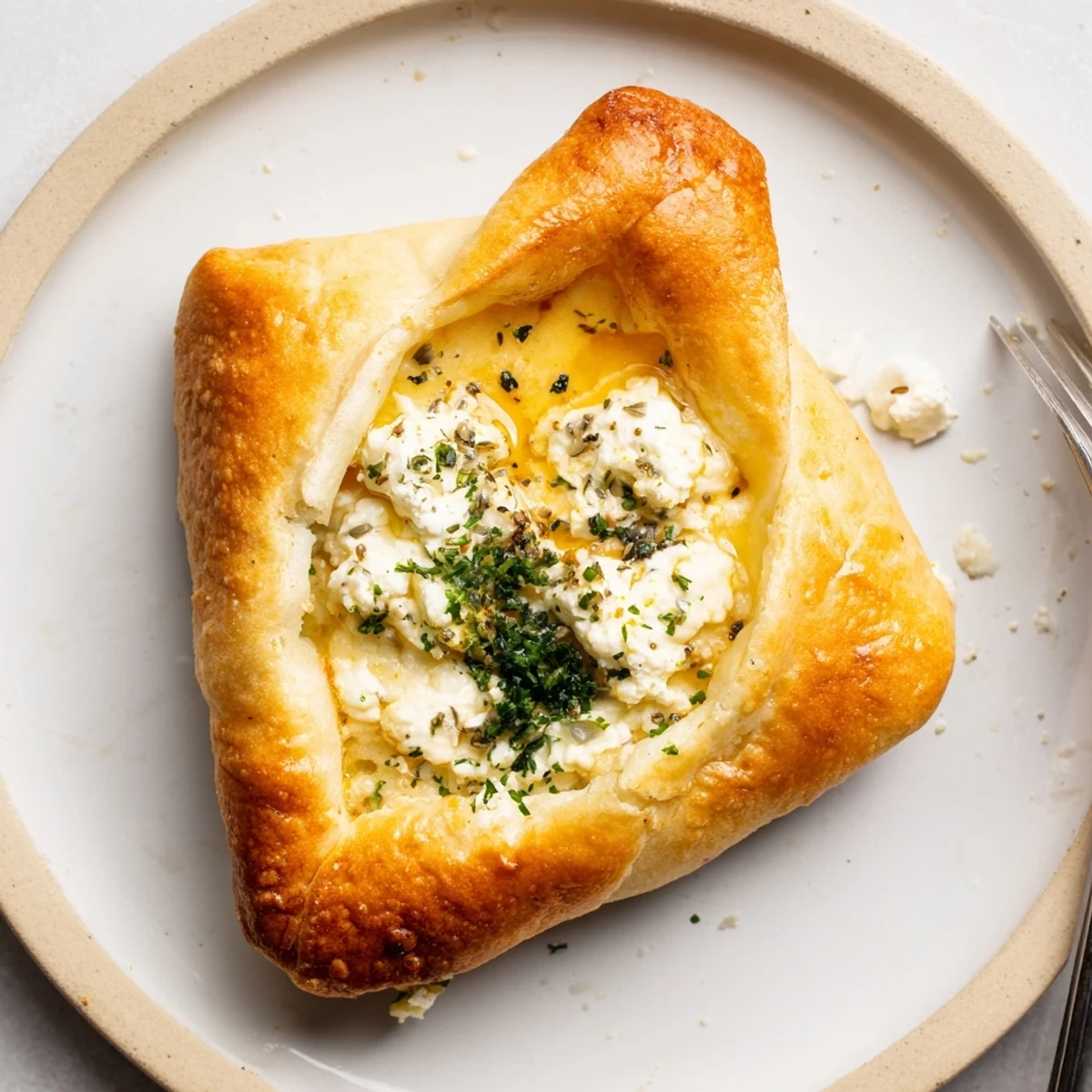
 Make a soft, elastic dough from flour, yeast, olive oil and warm milk, then let it rise until doubled. Mix crumbled feta with shredded mozzarella, chopped parsley, egg white and pepper for a creamy, tangy filling. Divide dough into 12 rounds, spoon filling into centers and fold into triangles or ovals, sealing seams well. Brush with an egg-yolk wash, sprinkle nigella or sesame if desired, and bake at 190°C (375°F) until golden, about 18–22 minutes. Serve warm with fresh herbs, tomatoes or olives; swap cheeses to adjust saltiness and texture.
The moment the scent of warm, toasty bread mingled with melting cheese drifted from my oven, I knew Cheese Fatayer would become a cherished kitchen project. There’s something quietly thrilling about molding each pastry and sealing it closed, anticipation building as they puff up golden under the oven light. One afternoon, a sudden spring shower tapped on the windows as I waited for the dough to rise, making the process feel extra cozy. Somehow, these little parcels always elicit a sense of comfort—no matter the season.
The last time I made a big batch, my cousin popped in unexpectedly, catching me with flour dust on my hands and a grin I couldn’t hide—she sampled a warm fatayer right off the tray and declared it was the best snack she’d had in months.
Ingredients
- All-purpose flour: This gives the dough its gentle chew—sift it if you want extra fluffiness.
- Instant dry yeast: The secret to pillowy pastry as it helps the dough puff up.
- Sugar: Just a touch encourages yeast activity and faint sweetness.
- Salt: Cuts the richness and keeps the flavors balanced.
- Olive oil: Adds tenderness; don’t be shy to use good quality for subtle aroma.
- Warm milk: Brings the dough together with a soft finish—don’t let it get too hot or it’ll trouble the yeast.
- Feta cheese: For tangy flavor; pat dry if it’s too wet so the filling isn’t runny.
- Mozzarella cheese: Gives a lovely stretch and mild, creamy background.
- Fresh parsley: Brightens each bite; chop as finely as you can for even flavor.
- Nigella seeds or black sesame seeds: Optional, but they add a subtle crunch and intriguing taste—sprinkle some on top too.
- Egg white: Binds the filling; keep the yolk for a shiny golden crust.
- Freshly ground black pepper: Lends a hint of spice—I always add more than I think I’ll need.
- Egg yolk: For glazing so your pastries really glow.
- Milk or water: Thins the yolk enough to brush smoothly over the tops.
Instructions
- Start the dough:
- Scoop flour, yeast, sugar, and salt into a large bowl; swirl your fingers to mix, then add olive oil and most of the warm milk. Bring it all together by hand—the dough should feel softly springy but not sticky.
- Let it rise:
- Shape your dough into a plump round, tuck it back in the bowl, and cover to let it quietly double in a warm corner; it usually takes about an hour, and you’ll know it’s ready when your finger leaves a gentle indentation.
- Mix the filling:
- Crumble feta, toss with mozzarella, parsley, nigella seeds if using, egg white, and black pepper. The filling should smell herby and taste slightly salty with a touch of peppery kick.
- Divide and shape:
- Punch down the risen dough, then quickly split it into twelve even blobs. Roll each bit into a ball and flatten into disks—don’t worry if they’re not perfectly round.
- Fill and seal:
- Place a spoonful of cheese mixture in the center of each disk, folding up the edges to form little triangles or ovals. Pinch the seams firmly so none of the gooey filling bubbles out.
- Prepare for baking:
- Set shaped fatayer on a baking sheet lined with parchment. Whisk the reserved egg yolk with milk or water, and brush it generously over the tops so they’ll bake shiny and golden.
- Into the oven:
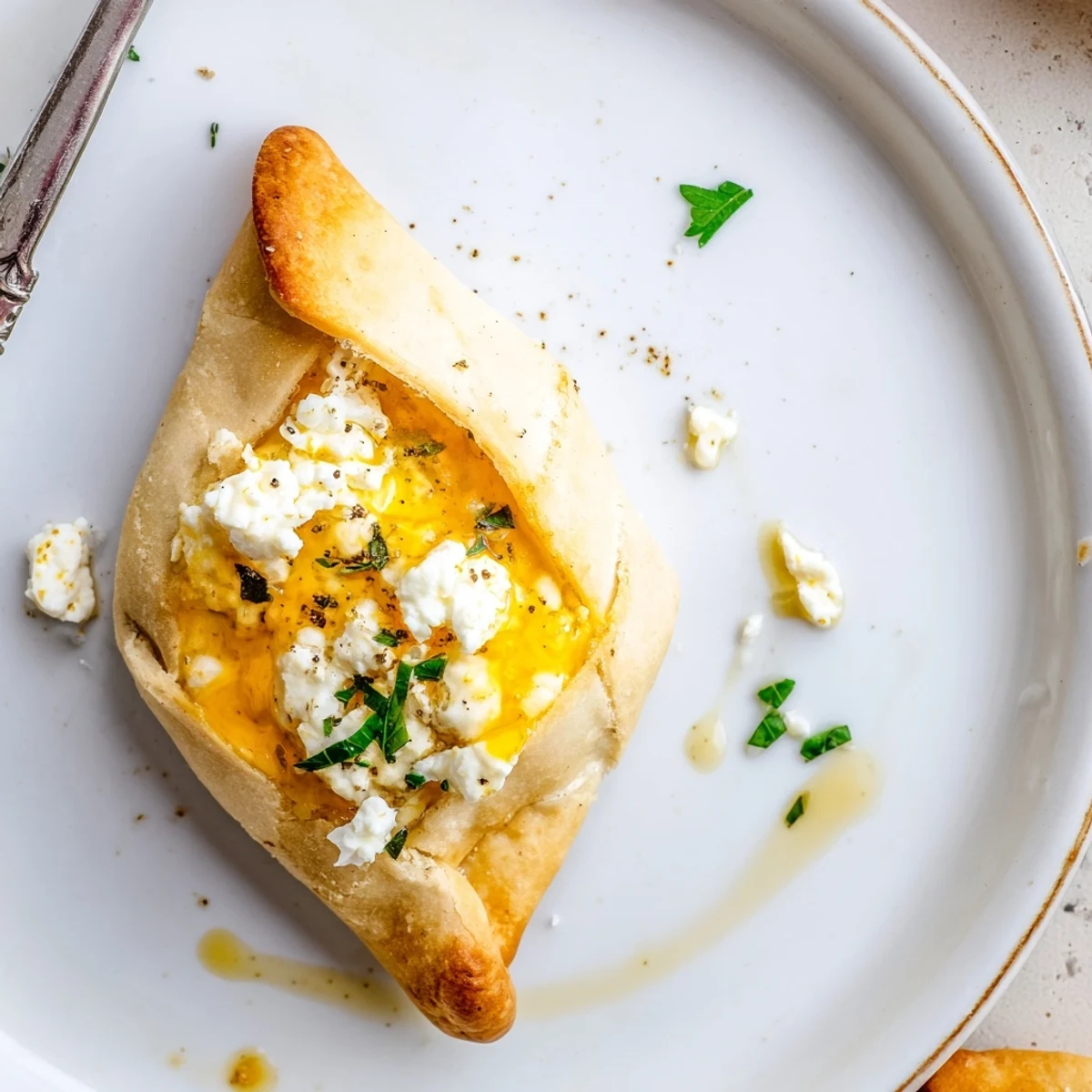
- Bake at 375°F (190°C) for 18–22 minutes, rotating once for even color. When the pastries turn light golden and their bases are dry, take them out and let them cool just enough so you don’t burn your fingers.
 Save to Pinterest
 One evening, a friend arrived in a rush and found me dusted in flour, wrestling triangles of dough—she jumped in to help, and soon the kitchen rang with laughter and playful competition over whose fatayer looked best.
Cheese Swaps for Adventurous Bakers
Some days, I swap in halloumi or a spoonful of creamy ricotta to mix up the flavors, and I always find that different combinations bring out new favorites. There’s almost no way to go wrong as long as your cheese is reasonably firm and not too watery.
Serving Suggestions to Impress
Fatayer pair beautifully with fresh mint, tomato wedges, or briny olives—sometimes I even bring out a tangy yogurt dip for dipping. When these are on the table, even a casual gathering suddenly feels a bit more festive.
Troubleshooting: Common Fatayer Questions
If your dough turns out too stiff, just knead in a splash more warm milk until supple again. If you overfill the pastries, they’ll burst in the oven, so keep a light hand for best results. Give the baked fatayer a few minutes of rest after baking so the steam settles and cheese sets.
- A small bowl of water nearby helps seal edges if the dough dries out.
- Leftovers reheat nicely in a low oven to restore their aroma.
- Remember to taste and adjust pepper before filling for zingier bites.
 Save to Pinterest
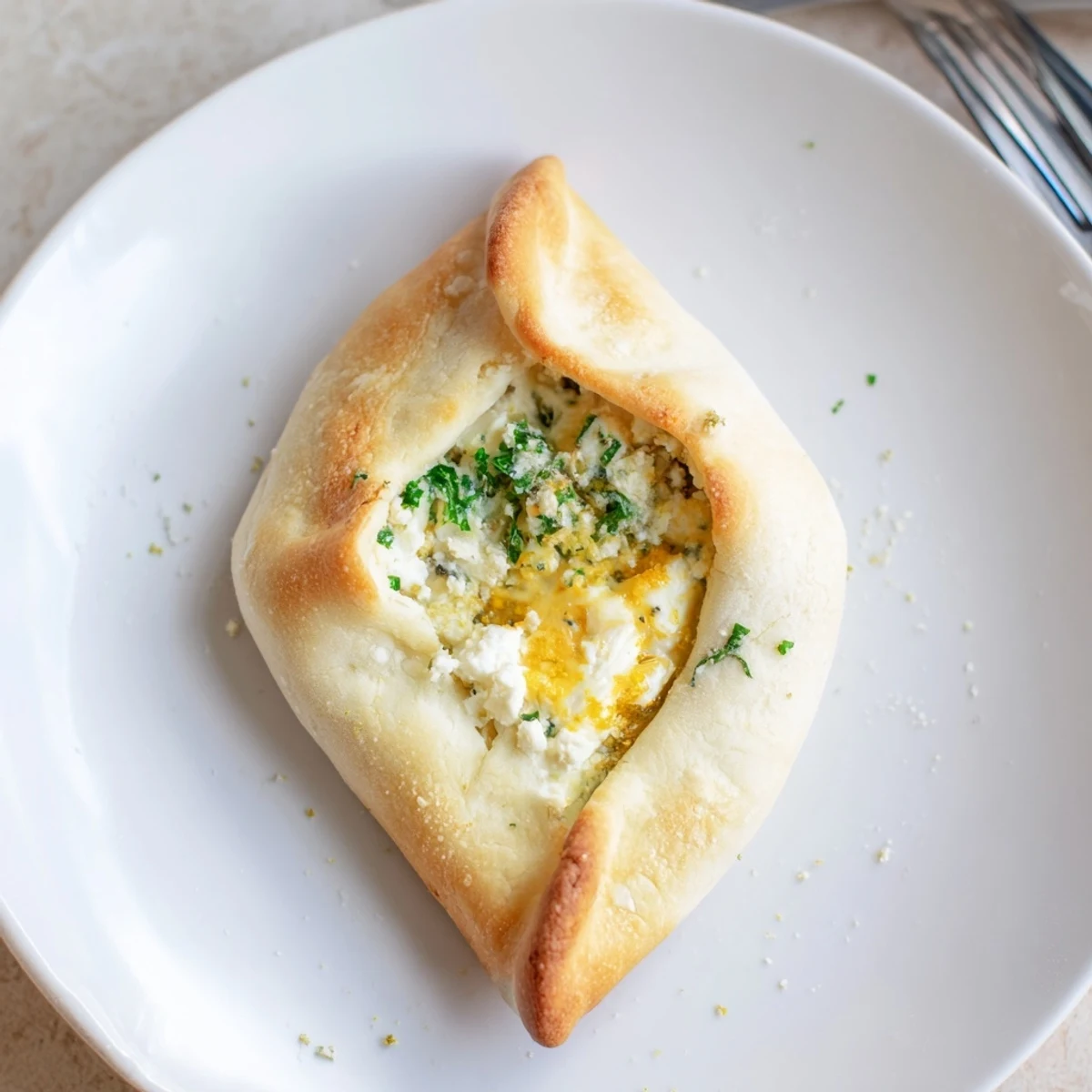
 Cheese Fatayer are a joy to make and share—whether for a quiet snack or as part of a lively spread. There’s just something special about eating with your hands and watching the smiles appear with every cheesy bite.
Recipe FAQs
- → How do I keep the dough soft and elastic?
-
Use warm milk and a little olive oil, knead until smooth and slightly tacky, and allow a full rise in a warm spot. Resting the dough improves gluten development and elasticity.
- → Which cheeses work best for the filling?
-
Crumbled feta combined with shredded mozzarella gives tang and melt. For variation try ricotta for creaminess or halloumi for a firmer, saltier bite; adjust seasoning accordingly.
- → Can I prepare fatayer ahead of time or freeze them?
-
Yes. Shape and freeze unbaked fatayer on a tray, then transfer to a bag. Bake from frozen, adding a few extra minutes. Alternatively, refrigerate shaped pieces for up to 24 hours before baking.
- → How can I prevent the filling from leaking during baking?
-
Work with slightly thick filling, include an egg white to bind, and pinch seams firmly. Chill filled pieces briefly if dough gets warm, and avoid overfilling each pocket.
- → What creates the deep golden gloss on top?
-
Brush tops with a mixture of egg yolk and milk or water just before baking. Bake at a steady 190°C (375°F) and rotate the sheet if your oven heats unevenly for even browning.
- → Any tips for extra texture or flavor?
-
Sprinkle nigella or sesame seeds on top before baking for crunch and aroma, and serve with fresh mint, olives or sliced tomatoes to balance the richness of the cheese.