
 Save to Pinterest
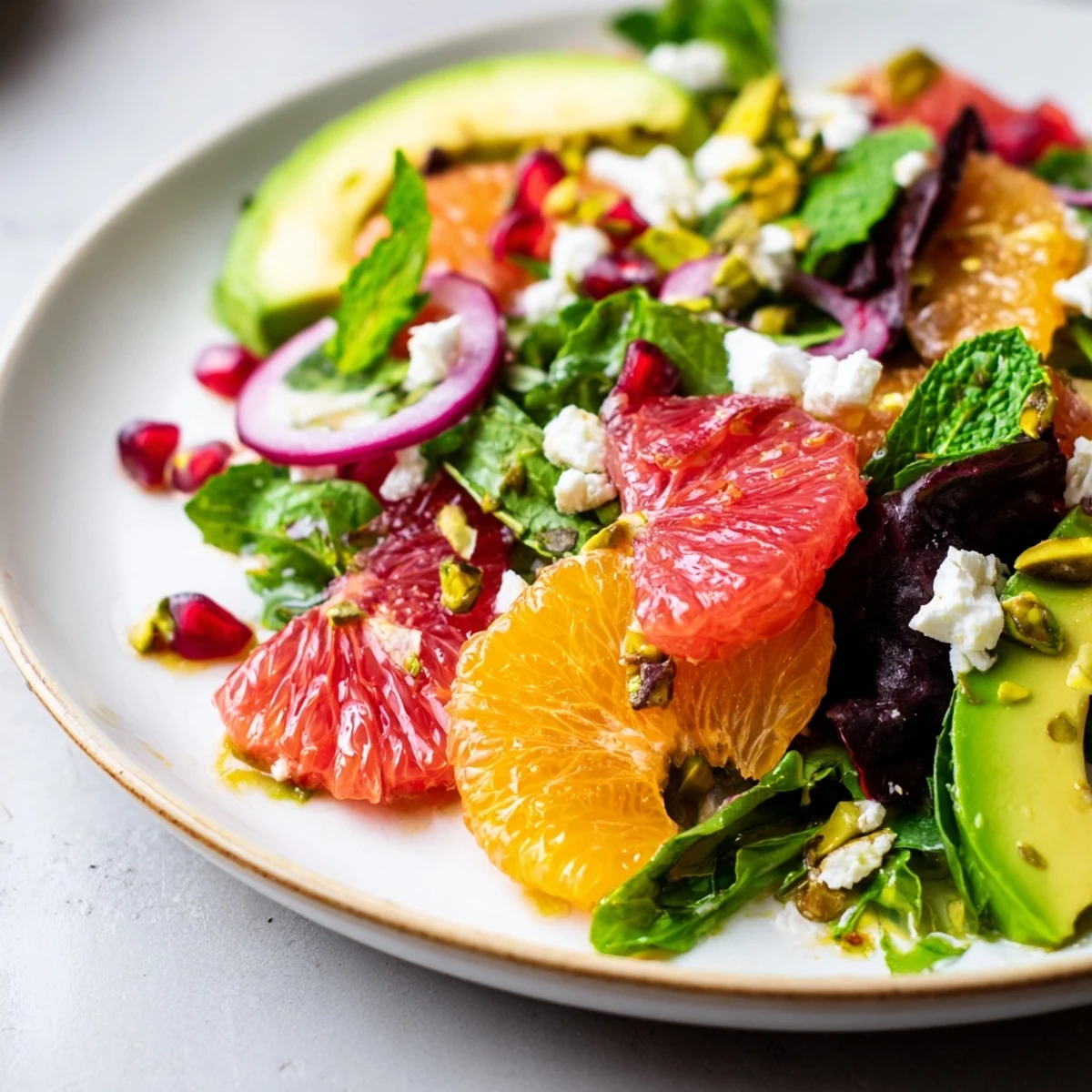
 This vibrant Mediterranean-inspired salad brings together the season's best citrus fruits—sweet oranges, tangy grapefruit, and jewel-toned blood oranges—on a bed of tender mixed greens.
Creamy avocado slices and crumbled feta add rich, savory contrast, while bursts of pomegranate seeds deliver a sweet-tart crunch. A simple honey-lemon dressing ties everything together with bright, fresh flavor.
Ready in just 20 minutes with no cooking required, it's an effortless showstopper for weeknight dinners, holiday tables, or sunny afternoon lunches. Naturally vegetarian and gluten-free.
There is something about a grey January afternoon that makes me crave color on a plate, and this salad is the answer every single time. The first time I segmented a grapefruit properly, juice ran down my wrist and splattered the cookbook propped open on the counter. My kitchen smelled like a Mediterranean market stall, bright and alive. That mess was absolutely worth it.
I brought this to a potluck last winter and watched three people skip the main course entirely to go back for seconds of the salad. One friend stood over the platter picking pomegranate seeds off the edges before anyone else could claim them. It is that kind of dish, quietly competitive and unapologetically fresh.
Ingredients
- 2 large oranges: Use navel or Cara Cara if you can find them, their sweetness balances the sharper grapefruit beautifully.
- 2 large grapefruits: Ruby red gives the best color, but white grapefruit works if that is what your store has.
- 1 blood orange (optional): The deep magenta flesh adds a visual pop that makes people lean in closer.
- 1 ripe avocado: It should yield slightly when pressed but not feel mushy, firm enough to hold its shape when sliced.
- 1 small red onion: Soak the slices in ice water for five minutes if you find raw onion too aggressive.
- 1/2 cup pomegranate seeds: Extract them over a bowl of water to avoid staining your cutting board pink.
- 1/2 cup feta cheese, crumbled: Block feta crumbled by hand has better texture than the pre-crumbled kind.
- 4 cups mixed greens: Arugula adds a peppery bite that plays well with the sweet fruit.
- 3 tbsp extra-virgin olive oil: Use the good stuff here since the dressing is raw and the flavor really comes through.
- 1 tbsp fresh lemon juice: Bottled juice tastes flat, so squeeze a real lemon for this one.
- 1 tsp honey or maple syrup: Just enough to round out the acidity without making anything sweet.
- 1/2 tsp Dijon mustard: This tiny amount emulsifies the dressing so it clings to the greens instead of pooling at the bottom.
- Sea salt and freshly ground black pepper: Season gradually and taste as you go.
- 2 tbsp fresh mint leaves, torn (optional): Mint and citrus are old friends, do not skip this if you have it.
- 1 tbsp toasted pistachios or walnuts, chopped (optional): Toasted nuts add a finishing crunch that elevates the whole platter.
Instructions
- Prep the citrus:
- Slice off the top and bottom of each fruit so it sits flat, then cut downward following the curve to remove all the white pith. Cut the naked fruit into rounds or segments, letting them fall onto a plate to catch every drop of juice.
- Slice the avocado:
- Halve it, remove the pit with a gentle twist of your knife, and peel back the skin before slicing into thin crescents. Squeeze a tiny bit of lemon juice over the slices to keep them from browning while you assemble everything else.
- Cut the onion:
- Slice the red onion paper thin, aiming for translucent rings that fold softly over the greens without overpowering each bite.
- Whisk the dressing:
- In a small bowl, combine the olive oil, lemon juice, honey, Dijon mustard, salt, and pepper, whisking until the mixture looks creamy and unified. Dip a leaf in to taste it and adjust the seasoning before moving on.
- Build the platter:
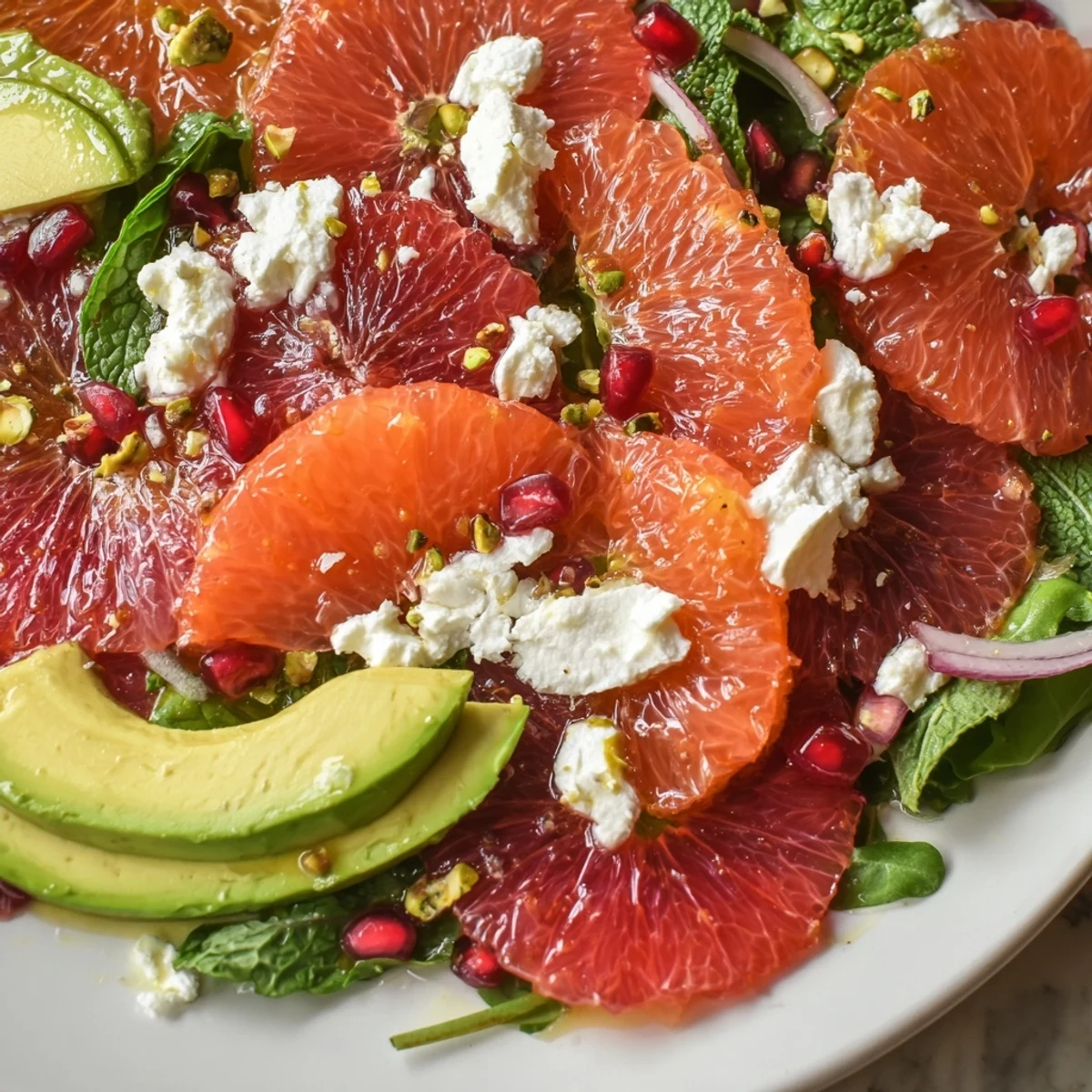
- Spread the mixed greens across a large serving platter as your foundation, then arrange the citrus segments, avocado slices, and red onion in overlapping layers on top. Scatter the pomegranate seeds and crumbled feta over everything like confetti.
- Dress and garnish:
- Drizzle the dressing evenly across the salad, then tear the mint leaves and scatter the toasted nuts over the top if using. Serve immediately while the greens are still crisp and the avocado gleams.
 Save to Pinterest
 One February evening I plated this for a friend who claimed she did not like grapefruit, and she ate two helpings without complaint. The sweetness of the honey and the creaminess of the avocado had quietly won her over.
Choosing the Best Citrus
Pick fruits that feel heavy for their size, which means they are packed with juice rather than thick rind. A slight give when pressed is fine, but avoid anything with soft spots or shriveled skin. Blood oranges have a shorter season than other varieties, usually peaking in January and February, so grab them when you see them.
Making It a Full Meal
This salad stands beautifully on its own as a light lunch, but a handful of grilled shrimp or sliced chicken breast turns it into something hearty enough for dinner. Crusty bread on the side helps soak up the dressing and any citrus juice that pools at the bottom of the platter.
Storing and Make Ahead Tips
The dressing can be mixed a day in advance and kept in a jar in the refrigerator, just bring it to room temperature and shake well before using. Citrus segments can be prepped and stored in an airtight container for up to two days without losing their brightness.
- Keep the avocado whole and slice it at the last possible moment.
- Store pomegranate seeds in a sealed container in the fridge for up to five days.
- Never dress the salad until you are ready to carry it to the table.
 Save to Pinterest
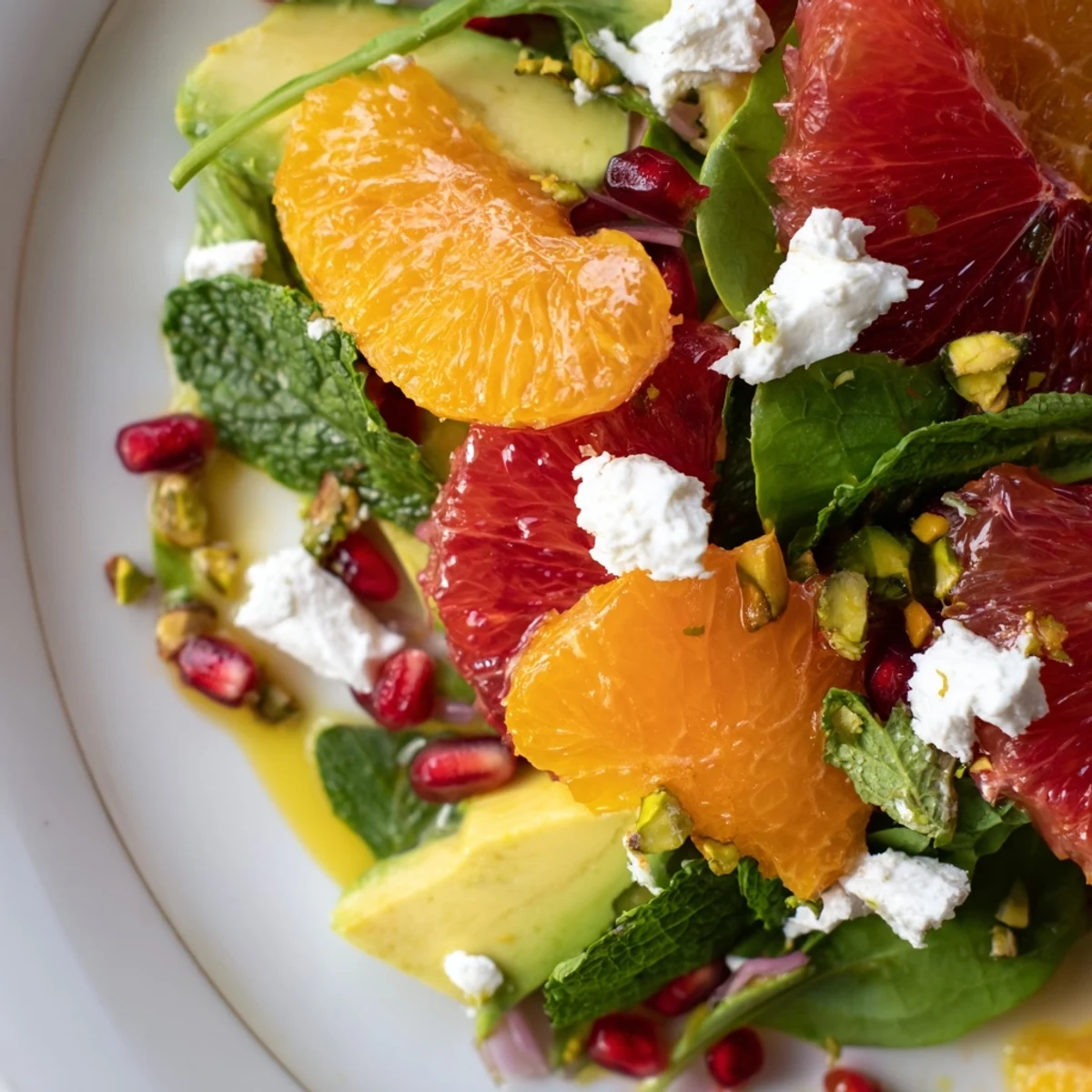
 This is the kind of recipe that reminds you simple food, treated with a little care, can be the most memorable thing on the table. Make it once and it will become part of your winter rotation without even trying.
Recipe FAQs
- → Can I prepare this citrus salad ahead of time?
-
You can prep the individual components up to a day in advance. Segment the citrus, slice the onion, and whisk the dressing, then store each separately in the refrigerator. Assemble everything and add the avocado, feta, and dressing just before serving to keep the greens fresh and the avocado from browning.
- → What's the best way to segment citrus fruits for this salad?
-
Use a sharp knife to slice off the top and bottom of each fruit, then cut away the peel and white pith following the fruit's curve. Cut between the membranes to release clean segments, or simply slice the peeled fruit into rounds for a more rustic presentation. Catch any juice for the dressing.
- → How do I keep the avocado from turning brown?
-
Slice the avocado right before assembling the salad and toss it gently with a squeeze of lemon juice. The citric acid slows oxidation. You can also lay the avocado slices on top of the dressed greens rather than tossing them, which limits exposure to air.
- → What can I substitute for feta cheese?
-
Goat cheese crumbles work beautifully and offer a similar tangy creaminess. For a dairy-free option, try marinated tofu cubes or a store-bought vegan feta. Salted ricotta salata is another excellent Mediterranean alternative that shaves nicely over the top.
- → Which citrus fruits work best in this salad?
-
Navel oranges and ruby red grapefruit are classic choices, but feel free to mix it up. Blood oranges add stunning color, Cara Cara oranges bring a subtle pink hue and berry-like sweetness, and Meyer lemons can add an aromatic twist. Aim for a mix of sweet and tart varieties for the best balance.
- → What protein can I add to make this a complete meal?
-
Grilled chicken breast, seared shrimp, or flaked salmon all pair wonderfully with the bright citrus flavors. For a plant-based protein, try chickpeas, toasted almonds, or edamame. Add the protein warm or at room temperature for the most satisfying result.