
 Save to Pinterest
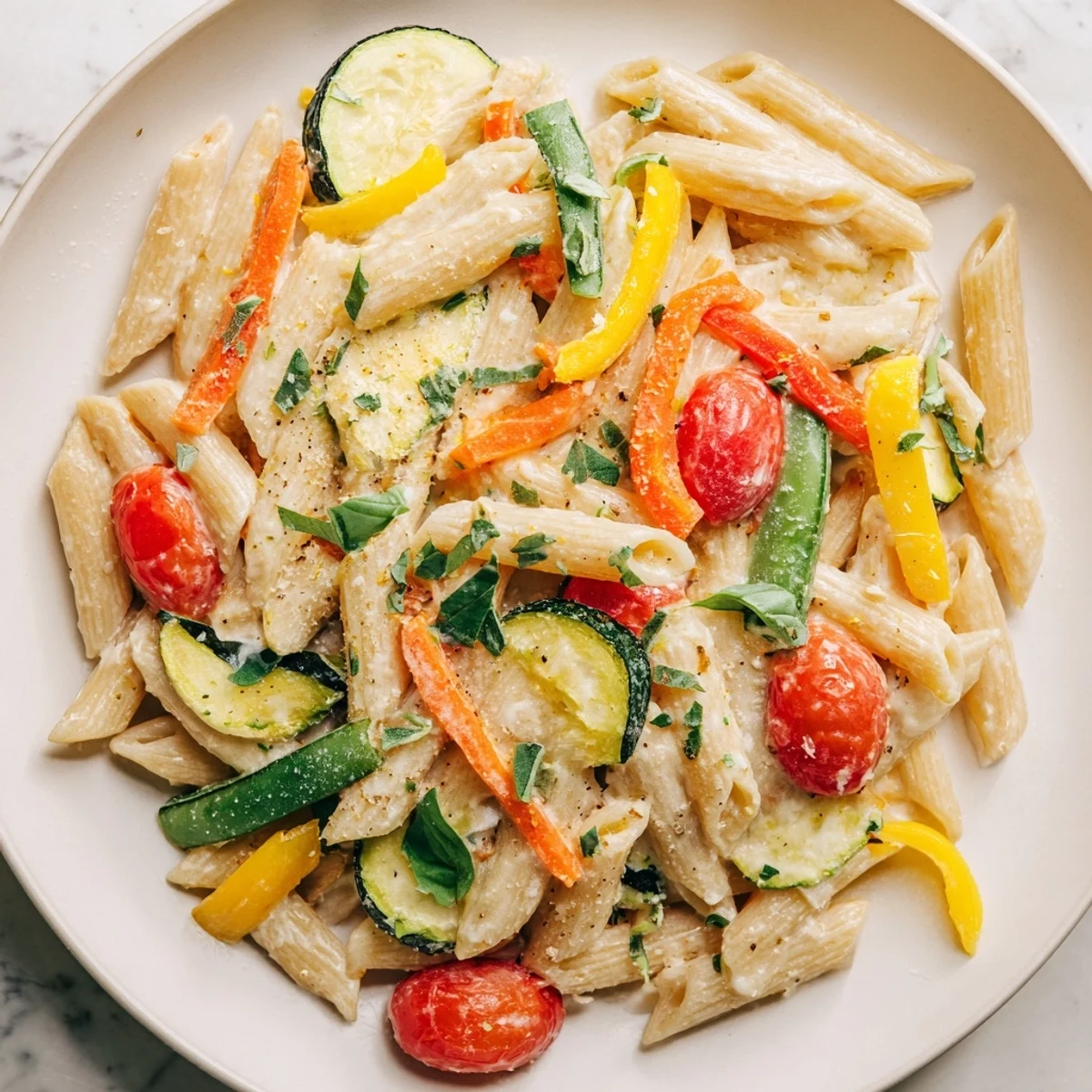
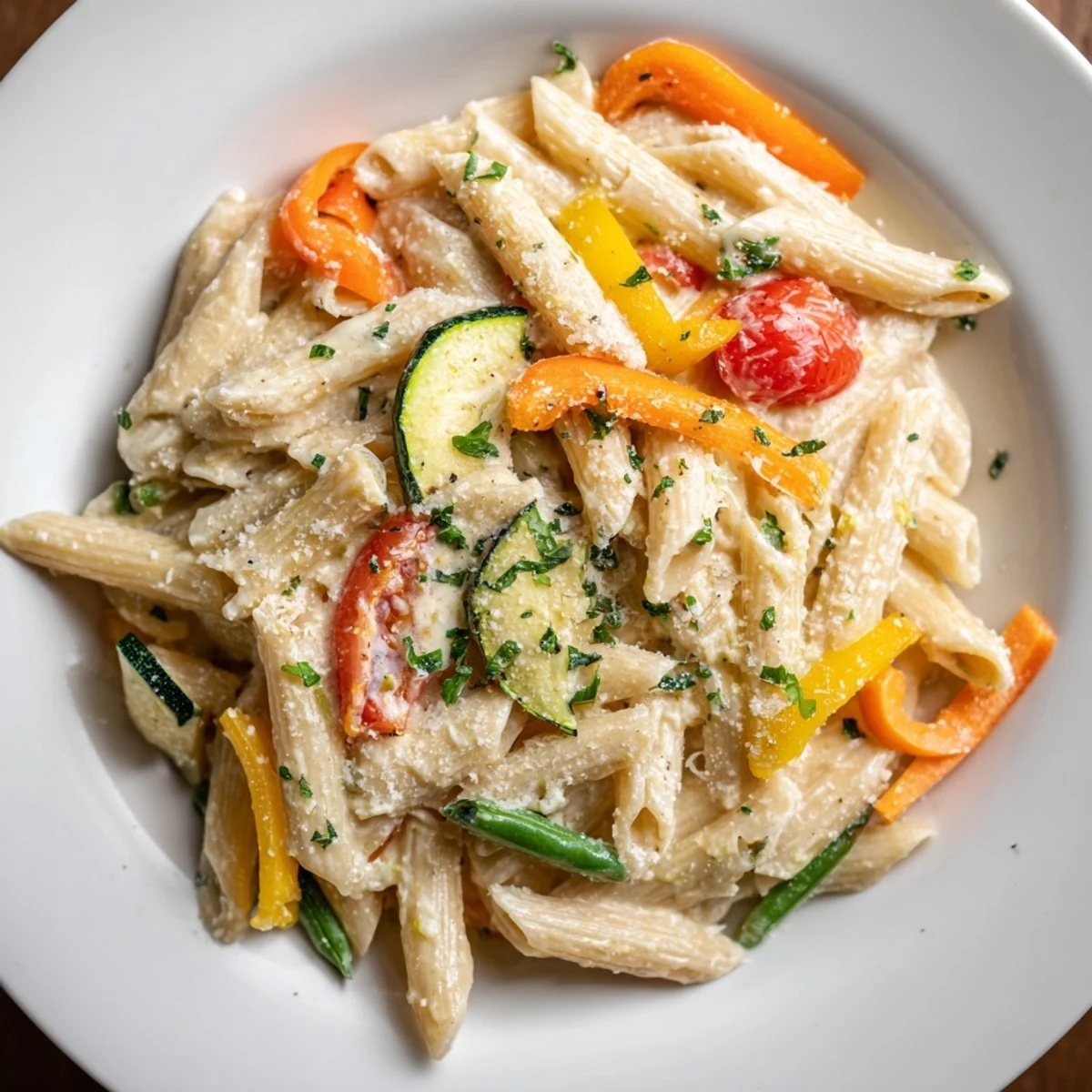
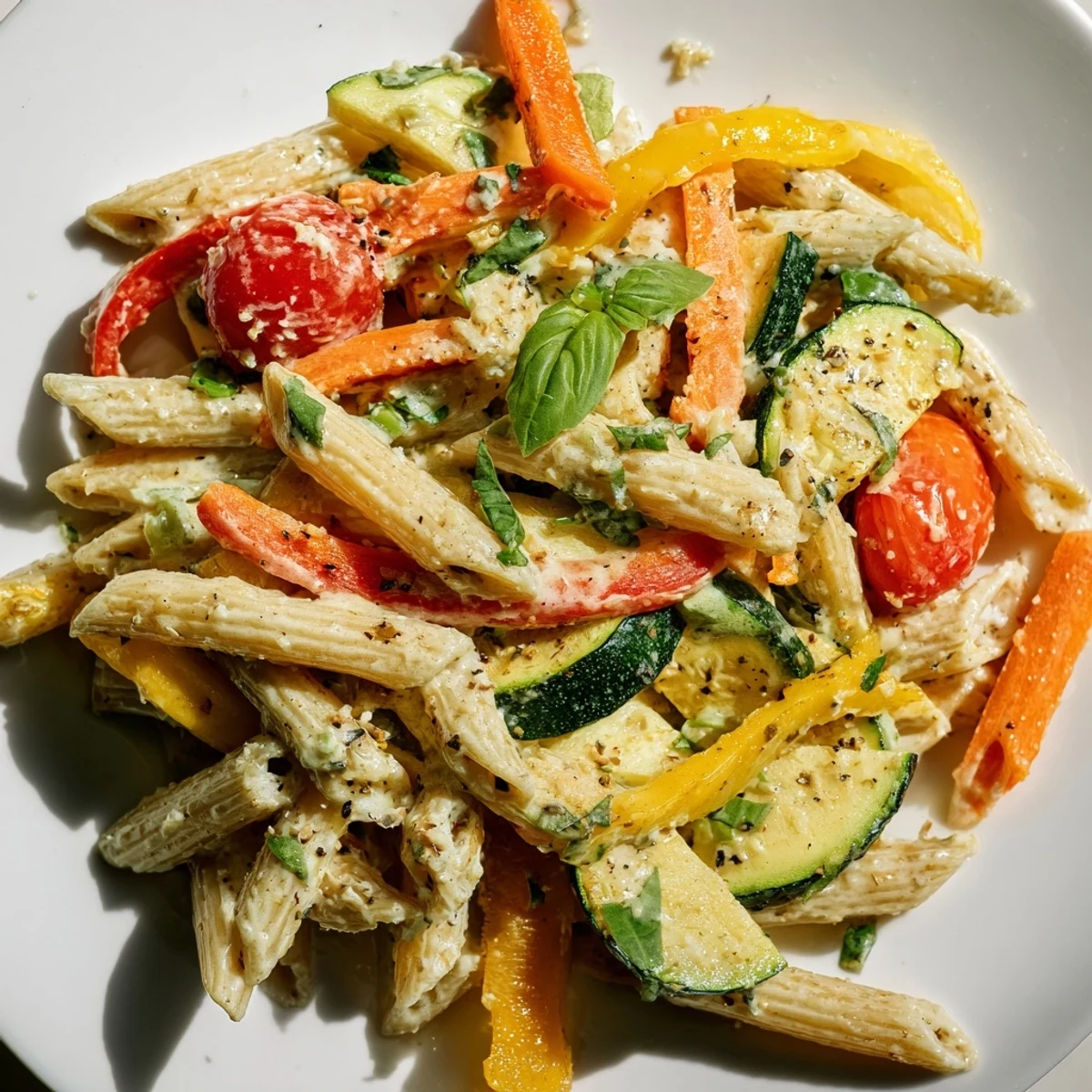
 This vibrant pasta features tender penne or fettuccine combined with sautéed zucchini, bell peppers, carrots, sugar snap peas, and cherry tomatoes. The vegetables are gently simmered in a rich sauce of heavy cream, butter, olive oil, and lemon zest, then folded together with grated Parmesan for a smooth, luscious coating. Finished with fresh basil and extra Parmesan, this colorful dish balances creamy textures with crisp, bright flavors for a wholesome and satisfying meal.
There's something about the smell of garlic hitting hot butter that signals spring has officially arrived in my kitchen. I made this creamy pasta primavera for the first time when I wanted to use up a colorful pile of vegetables from the farmers market before they wilted, and I realized halfway through that I didn't need to overthink it—just let the fresh flavors do the work. The cream mellows everything into this soft, cohesive sauce without drowning out the vegetables' natural sweetness. Now it's become my go-to when I want something that feels both comforting and bright.
I made this for my sister one spring evening when she was going through a rough patch, and watching her face light up at that first bite—seeing how something so simple could feel like a small celebration—reminded me why I cook. She came back the next week asking for the recipe, and now she makes it for her own friends.
Ingredients
- Penne or fettuccine pasta, 350 g (12 oz): Penne cups the sauce beautifully, but fettuccine works just as well if you prefer something that ribbons through the vegetables.
- Zucchini, 1 medium, sliced into half-moons: Half-moons cook faster and present nicely; cut them about a quarter-inch thick so they soften but don't turn to mush.
- Red and yellow bell peppers, 1 of each, thinly sliced: The two colors matter because they taste slightly different—red is sweeter, yellow is milder—and together they make the dish feel intentional.
- Carrot, 1 medium, julienned: Thin matchsticks ensure the carrot softens in the same time as the other vegetables; thicker cuts will lag behind.
- Cherry tomatoes, 1 cup (150 g), halved: Halving them helps them release their juice into the sauce and cook through without bursting into nothing.
- Sugar snap peas, 1 cup (120 g), trimmed: These add a pop of freshness and a slight crunch; add them last so they stay lively.
- Garlic, 2 cloves, minced: Mince it small so it disperses evenly and doesn't overpower—you want it to whisper, not shout.
- Olive oil, 2 tbsp and unsalted butter, 2 tbsp: Together they create a richer base than oil alone and give the garlic something luxurious to sizzle in.
- Heavy cream, 200 ml (3/4 cup + 1 tbsp): This is what brings everything into harmony; don't skimp, but don't drown the vegetables either.
- Parmesan cheese, 80 g (3/4 cup), grated: Freshly grated makes all the difference—pre-grated cheese has additives that make it grainy in the sauce.
- Lemon zest, from 1 lemon: This is the secret brightness that keeps the dish from feeling too heavy; it's subtle but essential.
- Salt and freshly ground black pepper, to taste: Season as you go, not at the end, so the flavors build naturally.
- Fresh basil, 2 tbsp chopped: Add it at the very end so it stays vibrant green and tastes alive, not cooked into submission.
Instructions
- Start the pasta water:
- Bring a large pot of salted water to a boil—it should taste like the sea. The salt seasons the pasta from the inside out and gives you a starchy water you'll use later to loosen the sauce.
- Cook the pasta:
- Add the pasta and cook until it's al dente, still with a tiny bit of resistance when you bite it. Reserve a half-cup of that starchy water before draining; this liquid is gold for adjusting the sauce consistency later.
- Build the flavor base:
- While the pasta cooks, heat the oil and butter in a large skillet over medium heat until the butter melts and foams. The foam tells you it's ready for the garlic.
- Coax out the garlic:
- Add the minced garlic and let it sizzle for just a minute, stirring gently, until it's fragrant and turns a light golden color. This one minute is the difference between sweet garlic and bitter garlic.
- Add the sturdy vegetables:
- Stir in the zucchini, bell peppers, and carrot, making sure everything gets coated in the oil and butter. Sauté for 3 to 4 minutes until they begin to soften but still have some resistance.
- Finish with the delicate ones:
- Add the sugar snap peas and cherry tomatoes, cooking for another 2 to 3 minutes. Listen for the sound of the tomatoes as they start to release their juice—that's your signal they're ready.
- Build the cream sauce:
- Lower the heat to keep everything gentle, pour in the heavy cream and lemon zest, and stir slowly until everything mingles into a silky sauce. A light simmer for 2 to 3 minutes brings the flavors together without breaking the cream.
- Bring it all together:
- Add the drained pasta to the skillet with the vegetables and sauce, then sprinkle in the Parmesan, tossing everything until the cheese melts and coats every strand. If it feels tight, add a splash of that reserved pasta water until the sauce flows loosely.
- Finish and serve:
- Remove from heat, fold in the fresh basil, and taste for salt and pepper. Serve immediately, with extra Parmesan scattered on top if you like.
 Save to Pinterest
 I once served this to a friend who'd been skeptical about vegetarian pasta, and after dinner she asked me to teach her how to make it. We cooked it together on a rainy Sunday, and somewhere between the garlic and the cream, we got talking about why we both loved cooking for people—it became more than a meal, it became a conversation.
Vegetables Matter More Than You Think
The vegetables are the real star here, not the cream, and the difference between a forgettable dish and an exceptional one comes down to buying them fresh and cutting them properly. When vegetables are truly fresh, they need almost nothing—just good heat and a little fat to shine. I learned this the hard way by buying pre-cut vegetables once and ending up with a sad, watery sauce. Now I spend the extra five minutes with a sharp knife, and it always shows in the final dish.
Why Fresh Basil at the End Changes Everything
Basil has a delicate, peppery quality that disappears the moment it hits sustained heat, which is why so many creamy pasta dishes taste flat and one-note. By folding it in at the very end, off the heat, you preserve that brightness and add a fresh note that makes everyone pause and ask what you did differently. It's a small move that feels like sleight of hand.
Timing and Temperature
The whole dish lives or dies by heat management—you want the vegetables to soften without losing their color, and the cream to warm through without breaking into a grainy mess. Keep the heat at medium or even medium-low once the cream goes in; a rolling boil will make the sauce separate and the vegetables turn to pulp. The reward for patience is a silky, cohesive sauce and vegetables that still taste like themselves.
- Start checking the pasta a minute before the package says it's done so you catch it at al dente, not soft.
- If you're cooking ahead, undercook everything by a minute and finish it gently when you're ready to serve.
- Taste constantly as you cook—seasoning is personal, and what tastes right to you matters more than any written rule.
 Save to Pinterest
 This dish reminds me that some of the best meals come from respecting what you have on hand and not overthinking it. Make it once the way it's written, then make it your own—add shrimp, swap in different vegetables, use whatever pasta you love.
Recipe FAQs
- → What pasta types work best for this dish?
-
Penne and fettuccine both hold the creamy sauce well and complement the texture of the vegetables nicely.
- → Can I use other vegetables in this dish?
-
Yes, asparagus, broccoli, or green beans can be substituted for a seasonal variation without losing the dish’s fresh appeal.
- → How do I prevent the sauce from becoming too thick?
-
Reserve some pasta water during cooking and add it gradually when mixing to achieve a smooth, creamy consistency.
- → What garnishes enhance the flavor?
-
Fresh chopped basil and extra grated Parmesan add aromatic and savory notes that elevate the dish’s flavor profile.
- → Is it possible to boost the protein content?
-
Adding sautéed shrimp or grilled chicken offers a flavorful protein addition to complement the creamy vegetables.