
 Save to Pinterest
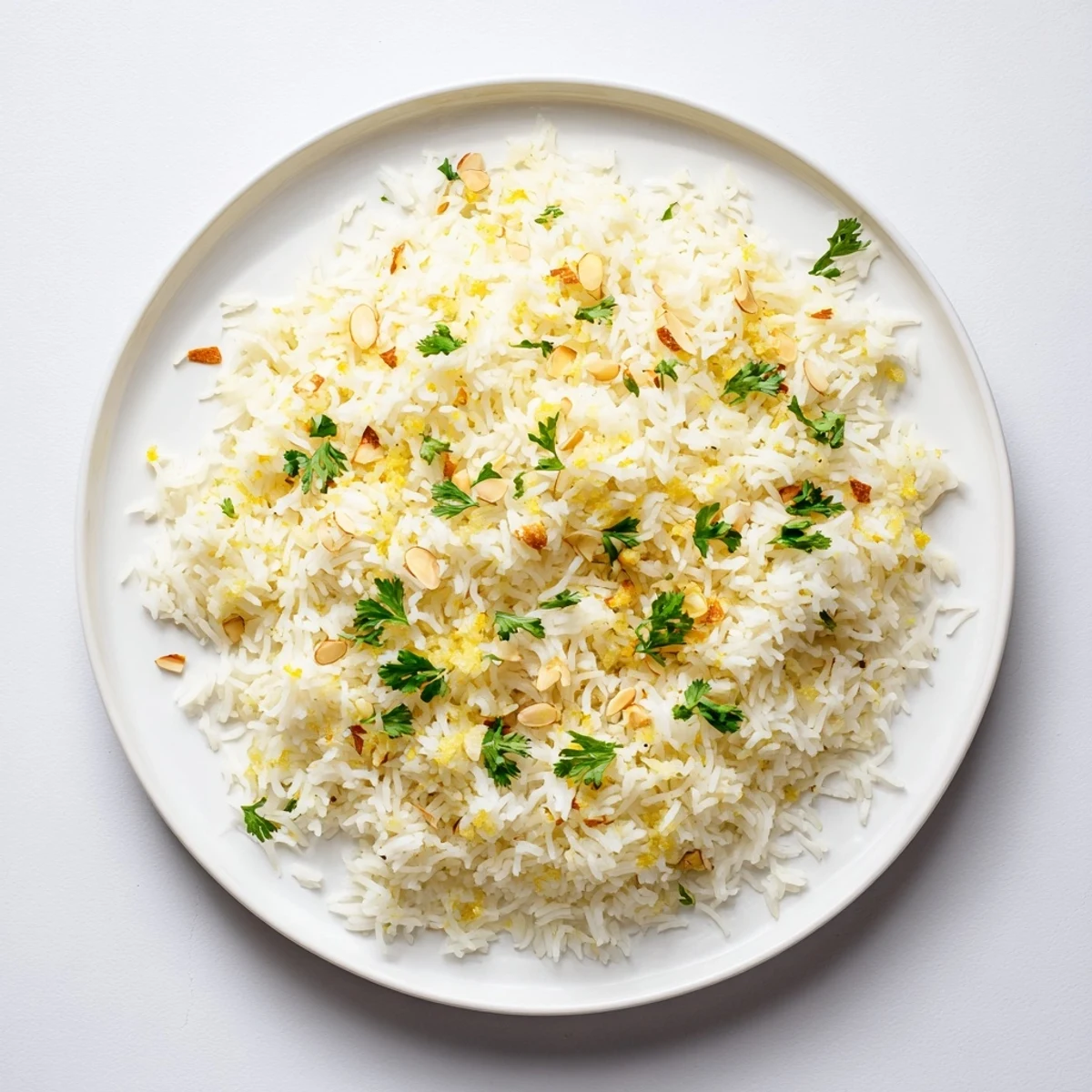
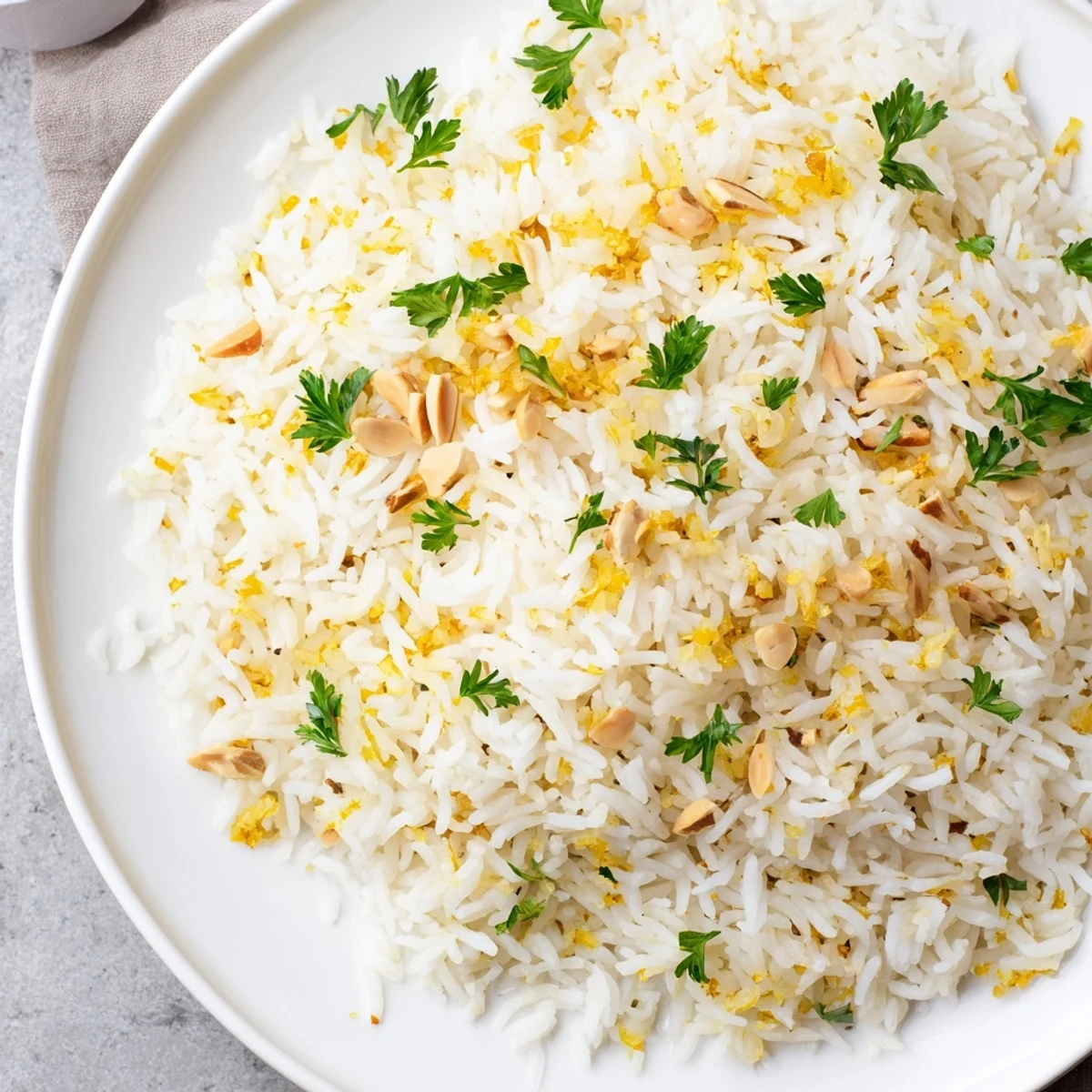
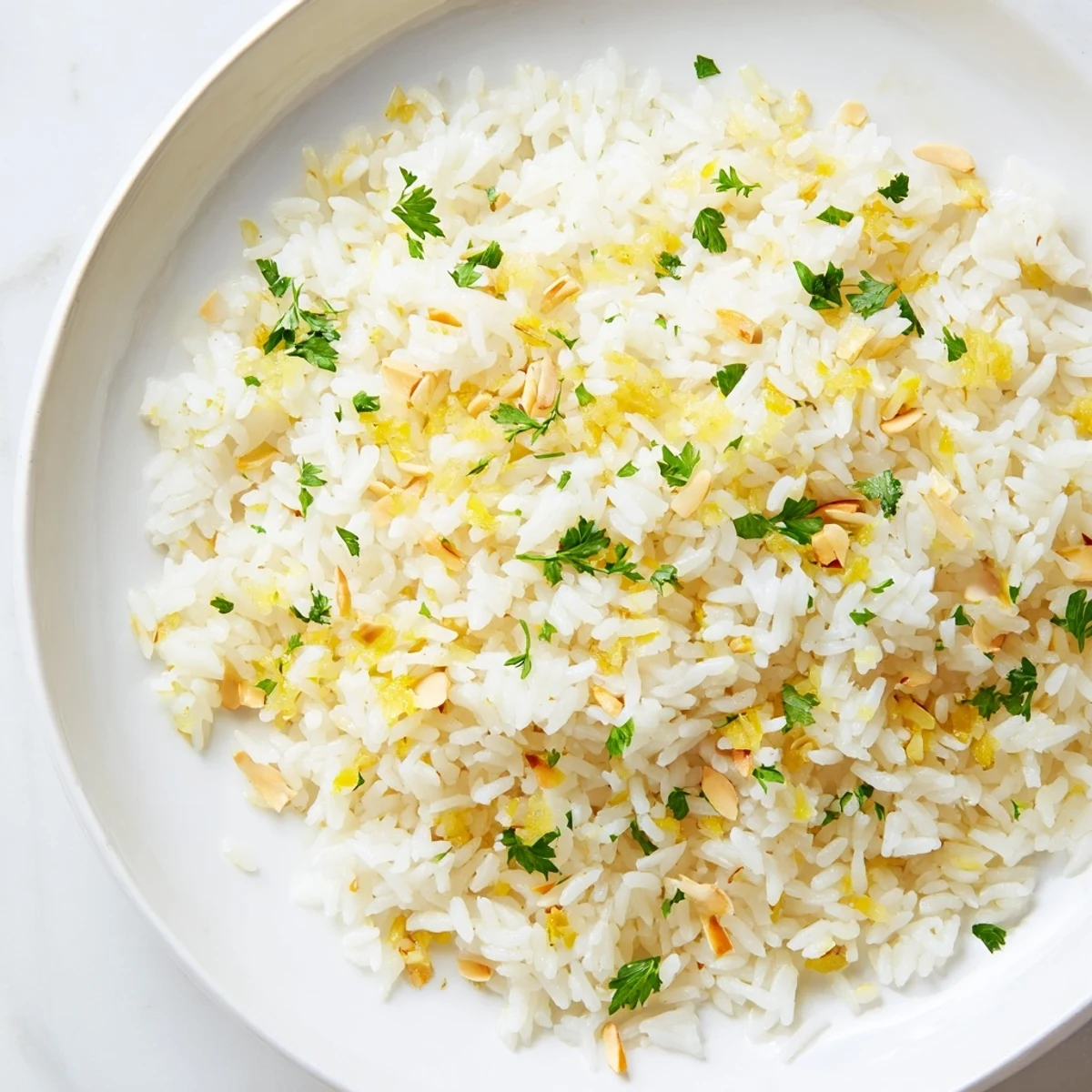
 This fragrant, fluffy rice pilaf combines long-grain white rice with sautéed onions, garlic, and spices like cumin and turmeric to create a richly flavored dish. Cooked tender in vegetable broth and finished with fresh parsley and toasted almonds, it offers a delightful texture and aroma. Its simple preparation fits well as a side or light main course, with options to enhance richness using olive oil or add vegetables for extra color and sweetness.
My neighbor once called me in a panic at dinnertime, having just realized her rice cooker was broken and she needed something warm and fragrant to go with her roasted chicken. I walked over with butter, rice, and a few spices, and we made this pilaf together in her kitchen while her kids played in the next room. Twenty-five minutes later, the whole house smelled incredible, and she hasn't made rice the same way since. That's when I learned that simple pilaf is less about fancy ingredients and more about letting each grain do its job.
I made this for a potluck where everyone brought something complicated and fussy, and people kept coming back to the rice. Someone even asked if I'd used a fancy rice cooker technique, and I loved telling them it was just butter, onions, and patience in a regular saucepan. It reminded me that the best dishes aren't always the ones that look impressive on a plate.
Ingredients
- Long-grain white rice (Basmati or Jasmine): Rinsing removes starch so each grain cooks separately and stays distinct; basmati has a subtle fragrance that adds depth without competing.
- Unsalted butter: Toasting the rice in butter creates a nutty foundation that carries the other flavors.
- Yellow onion, finely chopped: It softens into sweetness and becomes almost invisible, building flavor from underneath.
- Garlic, minced: Thirty seconds is all it needs; any longer and it turns harsh.
- Low-sodium vegetable or chicken broth: The liquid that becomes the rice's personality, so don't skip quality here.
- Bay leaf: One is perfect, two is too much; trust me on this one.
- Ground cumin and turmeric (optional): Cumin adds earthiness, turmeric brings a gentle color and warmth without overpowering.
- Fresh parsley and toasted almonds: The last-minute garnish wakes everything up with brightness and a little crunch.
Instructions
- Rinse and drain your rice:
- Run it under cold water while stirring gently with your fingers until the water runs clear. This removes excess starch that would make the rice sticky and dense instead of light.
- Build your flavor base:
- Melt butter over medium heat and add your onion, letting it soften for a few minutes until it's translucent and sweet. You'll smell it change, and that's when you know it's ready for the garlic.
- Toast the rice:
- After the garlic blooms for just half a minute, stir in your rice and keep moving it for 2 or 3 minutes until it smells warm and slightly nutty. Don't skip this step; it's what keeps the grains from sticking together later.
- Add your liquid and season:
- Pour in the broth and add your salt, pepper, bay leaf, and any spices you're using. Stir everything together and bring it to a boil so you can see the liquid bubbling around the rice.
- Cover and simmer gently:
- Turn the heat down to low and cover with a lid, then let it cook undisturbed for 15 to 18 minutes. You'll know it's done when you lift the lid and see no liquid pooling at the bottom.
- Rest before fluffing:
- Remove from heat and let it sit, still covered, for 5 minutes. This allows the rice to finish absorbing moisture and become even more tender and fluffy.
- Fluff and finish:
- Use a fork to gently separate the grains, picking out the bay leaf as you go. Top with parsley and toasted almonds if you want that little textural contrast.
 Save to Pinterest
 My daughter once said this rice tasted "cozy," and I realized she meant the way it felt warm and familiar without being heavy. That's exactly what good pilaf does.
Small Changes That Make a Big Difference
Swapping half the butter for olive oil gives you a more delicate, Mediterranean flavor that works beautifully if you're serving it with seafood or lighter dishes. Some cooks add a pinch more turmeric than the recipe calls for if they want a deeper golden color that catches the light on the plate.
Variations and Add-Ins
Once you master the basic technique, you can fold in diced carrots or peas in the last few minutes, or toss in a handful of currants or raisins for subtle sweetness and chewiness. A friend of mine adds a stick of cinnamon and a cardamom pod to hers, creating something almost dessert-like in aroma.
Serving and Storage
This pilaf serves as a quiet companion to grilled meats, roasted vegetables, or spiced curries without ever stealing the spotlight. Leftovers keep well in the refrigerator for three days and can be gently reheated with a splash of broth and a covered pan over low heat.
- Serve it while it's still warm so you get the full fragrance and the butter is at its softest.
- If you're making it ahead, store it in an airtight container and give it a little love with moisture and gentle heat when you warm it up.
- Toast your almonds fresh just before serving so they stay crisp and don't absorb moisture from the rice.
 Save to Pinterest
 Pilaf is the kind of dish that gets better the more you make it, because you start trusting your senses instead of the timer. Once you do, it becomes something you can make without thinking, which is when cooking stops being a task and starts being a comfort.
Recipe FAQs
- → What type of rice works best for this dish?
-
Long-grain varieties such as Basmati or Jasmine are ideal, providing a fluffy texture and fragrant aroma.
- → Can I substitute the butter in this dish?
-
Yes, for a richer or dairy-free option, substitute half or all of the butter with olive oil.
- → How do the spices influence the flavor?
-
Bay leaf adds subtle depth, while cumin and turmeric contribute warm, earthy notes and color enhancement.
- → What is the best way to cook the rice evenly?
-
Simmer with broth covered over low heat until tender, then let it rest covered before fluffing to ensure even cooking.
- → Are almonds necessary for the garnish?
-
Almonds add a pleasing crunch and nutty flavor but can be omitted or replaced if there are allergy concerns.
- → Can I add vegetables to this dish?
-
Yes, diced carrots, peas, or currants can be incorporated for added sweetness and vibrant color.