
 Save to Pinterest
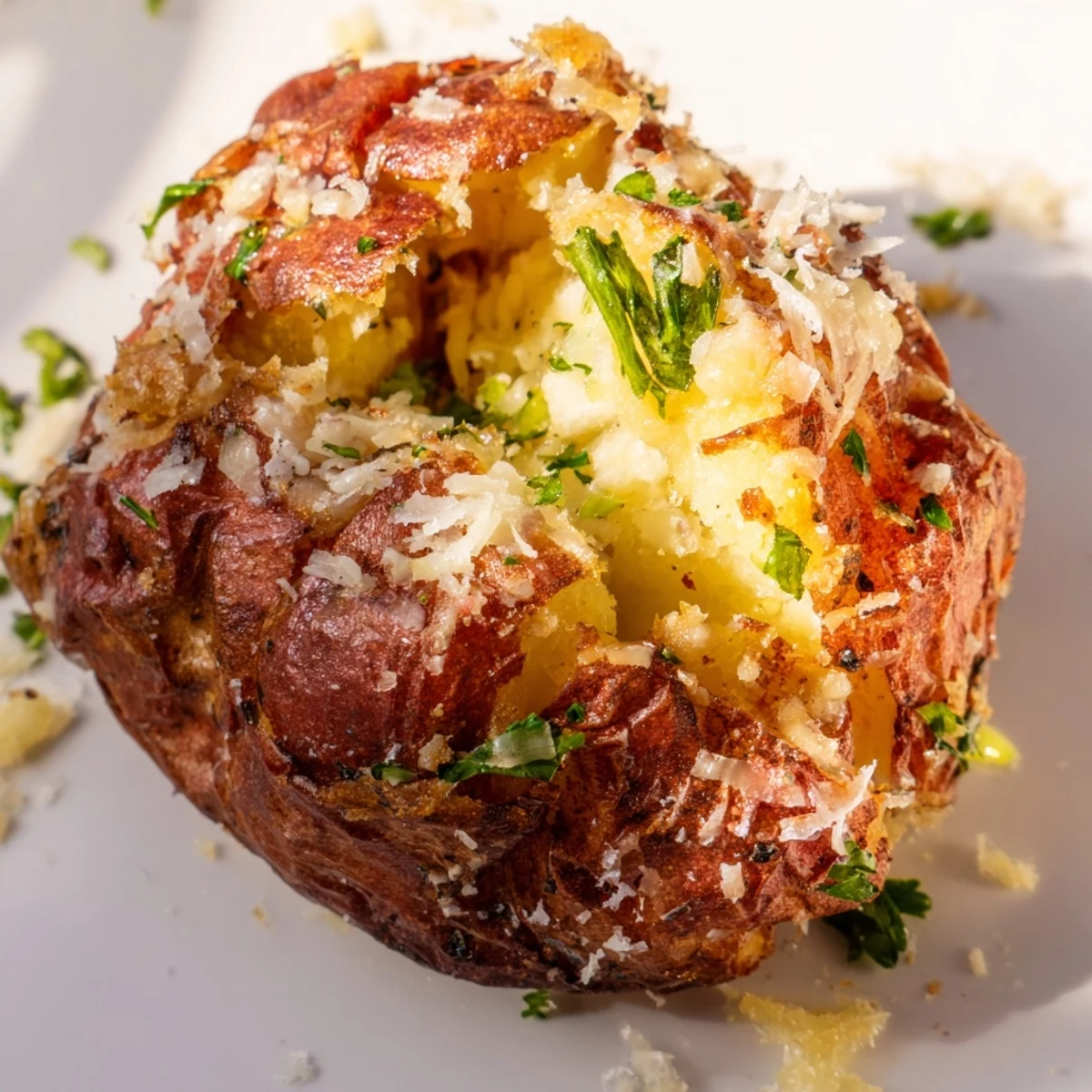
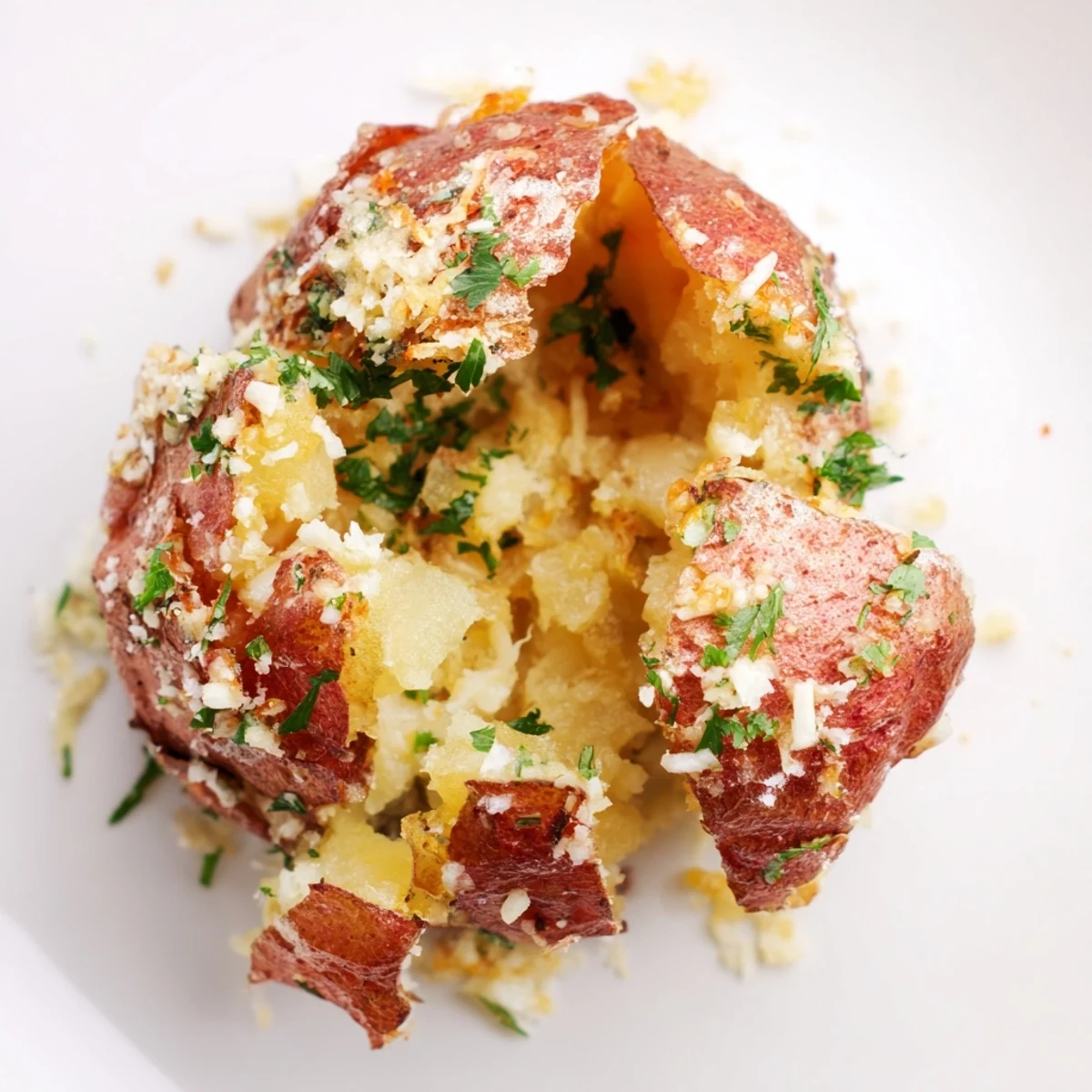
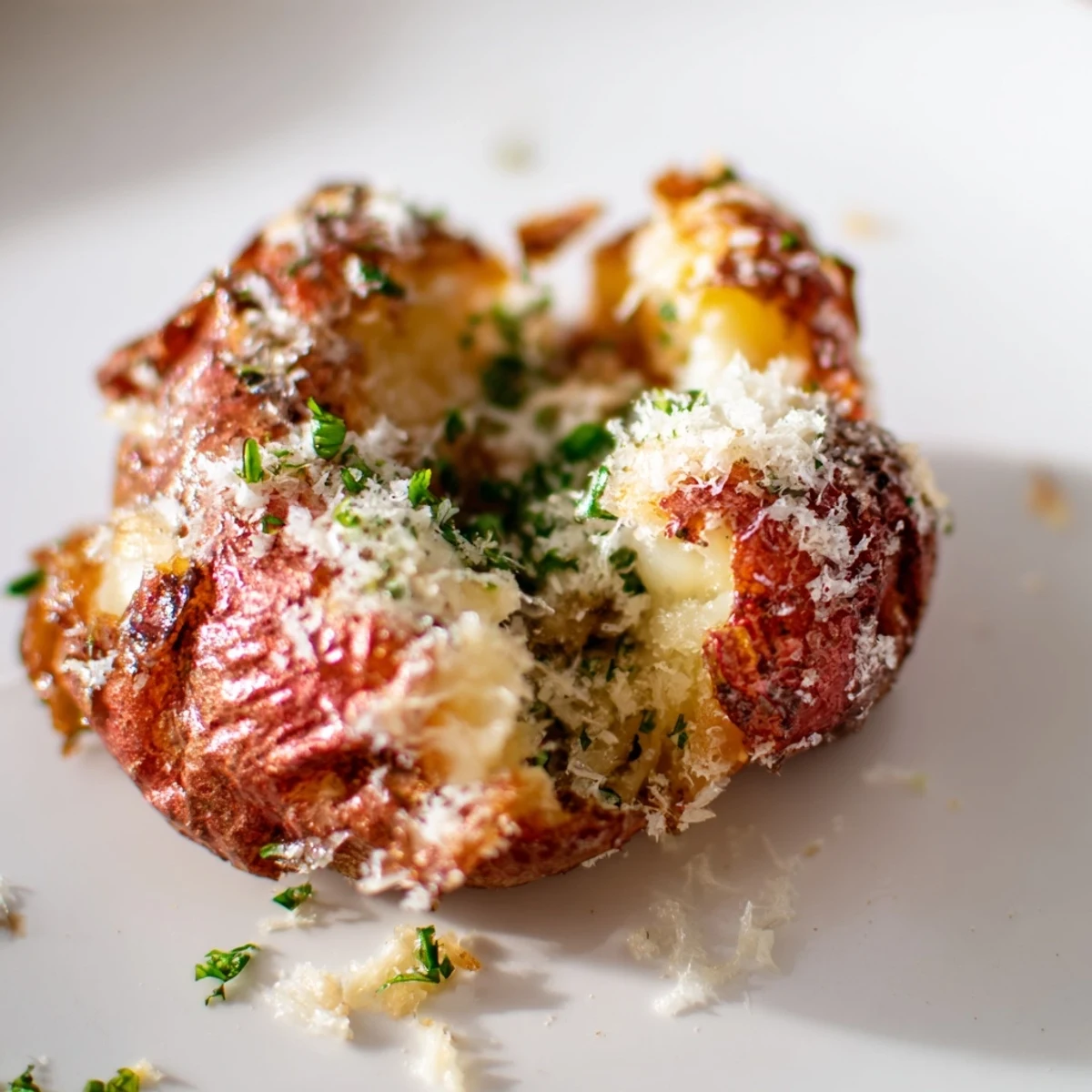
 These smashed red potatoes are tender inside and crisp outside, roasted with minced garlic, olive oil, and Parmesan cheese. Seasoned with salt, pepper, and optional Italian herbs, they deliver a rich, savory flavor perfect for any meal. The potatoes are boiled until fork-tender, smashed gently, then brushed with a garlic-oil mixture and topped with freshly grated Parmesan before roasting. Garnished with fresh parsley, they offer a delightful texture contrast and can be broiled briefly for extra crispiness. Ideal alongside grilled mains or fresh salad.
There's something about the smell of garlic hitting hot oil that stops me mid-task every time—and these smashed potatoes lean fully into that magic. I discovered this method by accident one Sunday when I'd overcooked potatoes meant for mashing and decided to rescue them by flattening and roasting instead. The result was crispy edges wrapped around creamy centers, studded with salty Parmesan, and suddenly my dinner table got very quiet.
I made these for a potluck once and watched them vanish before anyone touched the main dish. A coworker came back for thirds and admitted he'd never thought red potatoes could be this good—skins still on, minimal fussing, maximum flavor. That moment taught me that simple is often exactly what people are hungry for.
Ingredients
- Small red potatoes: The skins stay on and add earthiness and texture, plus they're forgiving during cooking—harder to overcook than larger potatoes.
- Olive oil: Use your better quality oil here since it's not being cooked down into oblivion, just infusing with garlic.
- Fresh garlic: Minced fine so it toasts evenly and distributes throughout; don't use jarred.
- Sea salt: Sprinkle some into the boiling water to season the potatoes from within, not just on top.
- Freshly ground black pepper: The coarse stuff matters—it doesn't disappear into dust like pre-ground.
- Parmesan cheese: Grate it yourself if you can; the pre-shredded stuff has anti-caking agents that make it clump.
- Fresh parsley: A small green surprise at the end that makes the plate look alive and tastes bright against the richness.
Instructions
- Heat and prepare:
- Preheat your oven to 425°F and line a baking sheet with parchment paper or give it a quick grease—this prevents sticking and means less scrubbing later.
- Cook the potatoes tender:
- Boil whole unpeeled red potatoes in salted water for 15–20 minutes until a fork slides through without resistance. You want them soft but not falling apart.
- Dry them out:
- Drain and let them sit for a minute to steam-dry slightly—this helps them crisp up better during roasting.
- Smash gently:
- Use the bottom of a glass or a potato masher to flatten each one to about half an inch thick, keeping the skin intact. Press firm but not angry—you're creating surface area, not mashing into submission.
- Add the garlicky coating:
- Mix oil, minced garlic, salt, pepper, and herbs in a bowl, then brush or spoon this evenly over each flattened potato. Don't skip the edges; they get the crispiest.
- Top with cheese:
- Sprinkle a generous handful of Parmesan over each one—be generous, it's the whole point.
- Roast until golden:
- Slide into the oven for 15–20 minutes, watching for deep golden brown spots. The Parmesan should be melted and slightly dark at the edges.
- Finish and serve:
- Sprinkle fresh parsley over the hot potatoes and get them to the table while the edges are still crackling.
 Save to Pinterest
 My kid, who usually negotiates around any vegetable, once ate four of these in a row without comment. I realized it wasn't about tricking her into eating potatoes—it was about making something so good that the side dish becomes the memory.
The Crispy-Creamy Equation
The whole magic lives in the contrast: roasting flattens and browns the exterior while the interior stays creamy since they're boiled first. You're not trying to bake potatoes from raw; you're finishing pre-cooked potatoes to unlock texture. That two-step method is what separates these from both mushy roasted potatoes and overly dense mashed versions.
Flavor Multipliers
Garlic and Parmesan are a team that needs no introduction, but the real trick is the olive oil carrying everything together. It softens slightly in the oven, making the garlic fragrant instead of harsh, and helps the Parmesan melt into a salty crown. The fresh parsley at the end isn't just decoration—it cuts through the richness and makes you taste the potato itself again.
Room to Play
This base is forgiving enough for swaps and additions without losing its identity. Try stirring a touch of Dijon mustard into the oil mixture, or scatter crispy bacon bits across the top, or dust with smoked paprika for warmth. The red potato skins are sturdy enough to hold up to creative toppings, so don't be afraid to make it your own.
- For extra crispiness, run them under the broiler for 2–3 minutes at the very end, watching like a hawk.
- These keep in the fridge and reheat beautifully in a 350°F oven for about 10 minutes.
- Serve them hot straight from the oven when the cheese is still melted and the edges are still crackling.
 Save to Pinterest
 These potatoes have become my go-to when I need something that feels effortless but tastes like you cared. They're proof that the simplest dishes often make the biggest impression.
Recipe FAQs
- → How do I achieve crispy edges on smashed potatoes?
-
Ensure potatoes are well-drained and dry before smashing. Use enough olive oil and roast at a high temperature (425°F) until golden. A quick broil at the end enhances crispiness.
- → Can I use other cheeses instead of Parmesan?
-
Yes, Pecorino Romano or vegan cheese alternatives work well to maintain a savory, cheesy topping.
- → What potatoes work best for smashing?
-
Small red potatoes are ideal due to their firm texture and thin skins, which crisp nicely after roasting.
- → Should I peel the potatoes before cooking?
-
No peeling is needed; cooking them with skins on adds flavor and helps retain shape during smashing.
- → Can I prepare this dish ahead of time?
-
Boil and smash the potatoes in advance, then add the garlic-oil and cheese topping before roasting just prior to serving for best freshness.