
 Save to Pinterest
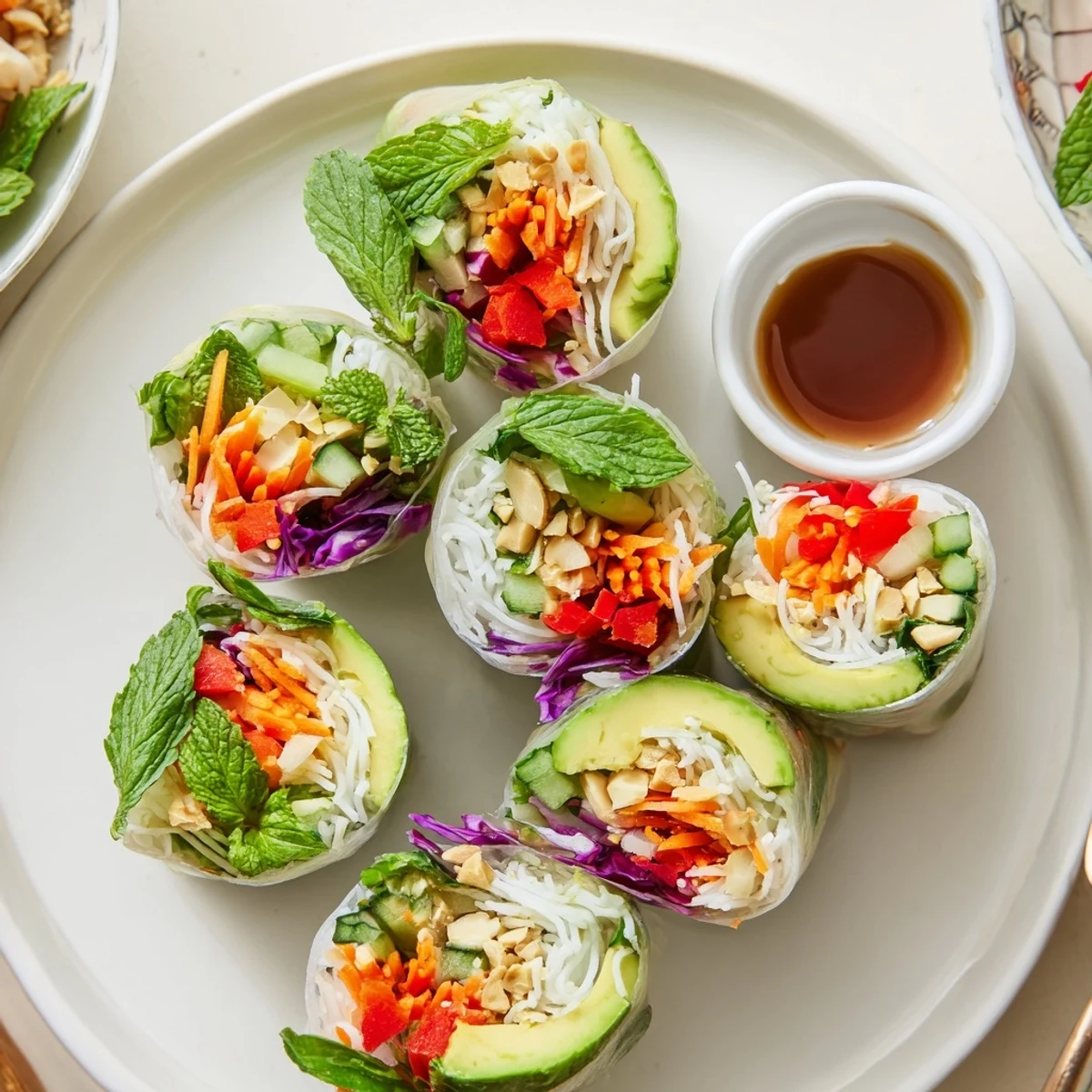
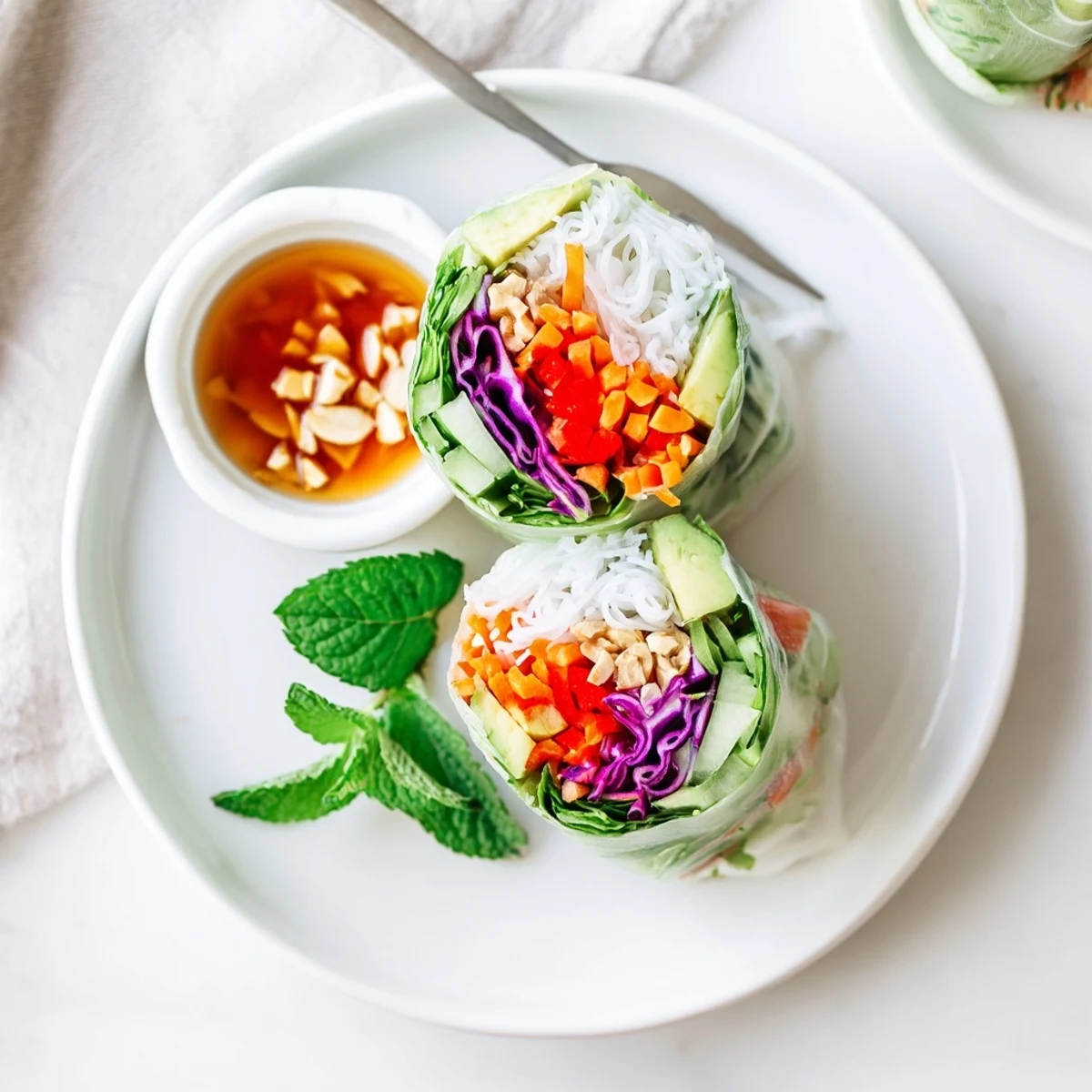
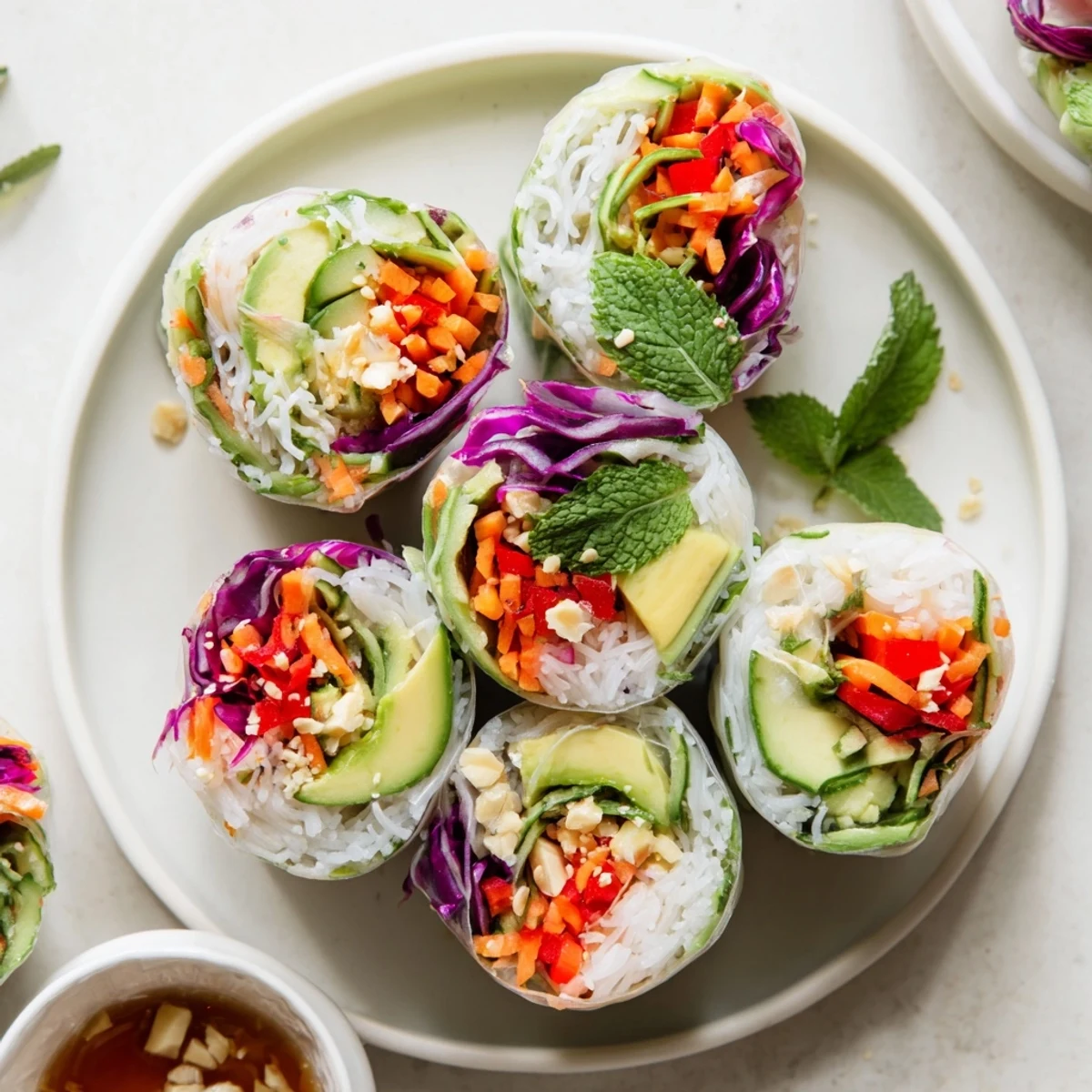
 These gluten-free vegetable spring rolls combine julienned carrot, cucumber, red bell pepper, cabbage and creamy avocado with fresh mint and cilantro. Briefly soak rice paper until pliable, layer a small portion of rice vermicelli and vegetables, then roll tightly. Whisk tamari, rice vinegar, maple and grated ginger for a bright dipping sauce. Serve immediately for best texture; store covered with a damp towel for a few hours.
My friend Minh laughed at me the first time I tried rolling these at her kitchen counter, my fingers hopelessly sticky and the rice paper tearing in every direction. She grabbed one from my pile, refolded it in three seconds flat, and said you press too hard, relax your hands. That afternoon taught me more about patience than any cooking class ever could.
I brought a platter of these to a backyard potluck last June and watched a normally shy neighbor eat four of them standing up before she even said hello. The mint and cilantro together hit something primal and refreshing, especially when the afternoon heat makes heavy food unappealing.
Ingredients
- 1 medium carrot, julienned: Cut them thin and uniform so every bite has a little snap without being woody.
- 1/2 cucumber, julienned: English cucumbers work best here because the seeds are smaller and the skin is tender.
- 1 red bell pepper, julienned: The sweetness balances the sharpness of the ginger in the dipping sauce beautifully.
- 1 cup red cabbage, thinly shredded: This is where most of the crunch comes from, so do not skip it or cut corners on the shredding.
- 1 avocado, sliced: Add it last during assembly because it makes the wrapper slippery if it shifts around too much.
- 1 cup fresh mint leaves: Tear them gently rather than chopping to keep the oils from turning bitter on the cutting board.
- 1 cup fresh cilantro leaves: If you are one of those people who tastes soap, substitute flat leaf parsley and you will still be happy.
- 8 gluten free rice paper wrappers: Check the label carefully because some brands sneak in wheat starch as a filler.
- 100 g rice vermicelli noodles: Cook them just until tender and rinse with cold water immediately so they do not clump into a brick.
- Warm water: Use comfortably warm, not hot, because boiling water turns rice paper to glue in seconds.
- 3 tbsp gluten free soy sauce or tamari: Tamari has a rounder, deeper flavor that I prefer, but either one works fine.
- 2 tbsp rice vinegar: This brightness is what makes the dipping sauce addictive enough to eat by the spoonful.
- 1 tbsp maple syrup or honey: A small amount of sweetness rounds out the salty and acidic notes perfectly.
- 1 tsp toasted sesame oil: A little goes a long way, and it adds that nutty aroma that signals something special.
- 1 tsp grated fresh ginger: Freeze your ginger first and it grates into a fine paste without any stringy fibers.
- 1 clove garlic, minced: Smash it with the flat of your knife before mincing to release more flavor.
- 1 tbsp chopped peanuts (optional): Omit these entirely if anyone in the group has allergies, because the rolls are perfect without them too.
Instructions
- Soften the noodles:
- Follow the package directions for your rice vermicelli, drain them well, and spread loosely on a plate so they cool down and separate.
- Prep and arrange the vegetables:
- Julienned carrots, cucumber, and bell pepper should all be roughly the same thickness so the rolls feel balanced in your mouth. Lay everything out on a big platter or cutting board like a little assembly line.
- Soak the rice paper:
- Fill a wide shallow bowl with warm water and dip one wrapper for about ten to fifteen seconds until it feels floppy but still has some structure. Pull it out too early and it cracks, leave it too long and it collapses into a sticky mess.
- Build the roll:
- Lay the softened wrapper flat, pile a modest amount of noodles and vegetables across the lower third, and tuck in herbs and avocado slices on top. Keep the filling compact because overstuffed rolls split open every time.
- Roll it up tight:
- Fold the left and right sides inward over the filling, then roll from the bottom toward you like a burrito, pressing gently as you go. Place each finished roll seam side down on a damp towel so they do not stick to the plate.
- Whisk the dipping sauce:
- Combine tamari, rice vinegar, maple syrup, sesame oil, ginger, garlic, and chopped peanuts if using in a small bowl and stir until everything is smooth and fragrant.
- Serve right away:
- Arrange the rolls on a platter with the sauce in a small bowl at the center and watch them disappear within minutes.
 Save to Pinterest
 Sitting on Minhs patio afterward with tea and a plate of mangled looking rolls that still tasted incredible, I realized the imperfections were part of the charm.
Making Them Your Own
Once you get comfortable with the basic rolling technique, this recipe becomes a canvas for whatever is sitting in your fridge. Blanched asparagus, shaved radish, mango slices, and even leftover roasted sweet potato all find a happy home inside a rice paper wrapper. The dipping sauce is equally forgiving and welcomes lime juice, chili flakes, or a spoonful of peanut butter if you want to take it in a different direction.
Getting Ahead of the Game
You can prep every filling ingredient hours in advance and store them in separate containers in the refrigerator, which makes the actual rolling feel effortless when guests arrive. The dipping sauce keeps beautifully in a jar for up to five days and actually tastes better on day two when the garlic and ginger have had time to mingle. Just resist the urge to roll more than an hour before serving because the wrappers dry out and toughen no matter how carefully you cover them.
A Few Final Thoughts Before You Start
The first roll will probably be ugly, and that is completely fine because it still tastes exactly as good as the pretty ones. By roll number three your hands will have learned the rhythm and you will be folding with surprising confidence. Keep these small things in mind and the rest takes care of itself.
- Keep a damp kitchen towel over your finished rolls to prevent the wrappers from drying and cracking at the edges.
- If your rice paper tears, wrap a second softened sheet around the whole thing and pretend it was intentional.
- Always taste the dipping sauce before serving and adjust the balance of salty, sweet, and sour to your own preference.
 Save to Pinterest
 However they turn out looking, these rolls always taste like summer and shared kitchens, and that is worth every sticky finger along the way.
Recipe FAQs
- → How long should I soak the rice paper?
-
Submerge each wrapper in warm water for about 10–15 seconds, just until it becomes pliable but not mushy. Over-soaking makes the paper tear and creates a soggy roll.
- → How can I keep the rolls from sticking together?
-
Place finished rolls seam-side down on a plate and cover loosely with a damp towel. Separate layers with parchment or a damp paper towel if stacking to prevent sticking.
- → What are good protein additions?
-
Additions like pan-fried tofu, grilled shrimp, or thinly sliced chicken breast fold well into the rolls and boost protein without overwhelming the fresh vegetable flavors.
- → How do I avoid soggy rolls?
-
Keep fillings compact and dry—pat vegetables and noodles well—and avoid overfilling the wrapper. Serve soon after assembling for the best crisp texture.
- → Can I change the dipping sauce?
-
Yes. Try a spicy peanut sauce, a citrus-ginger dressing, or a thicker tamari-maple dip. Adjust acidity and sweetness to balance the fresh vegetables.
- → How should I store leftover rolls?
-
Cover rolls with a damp towel and store in the fridge for a few hours. They are best fresh; longer storage will soften the rice paper and reduce crunch.