
 Save to Pinterest
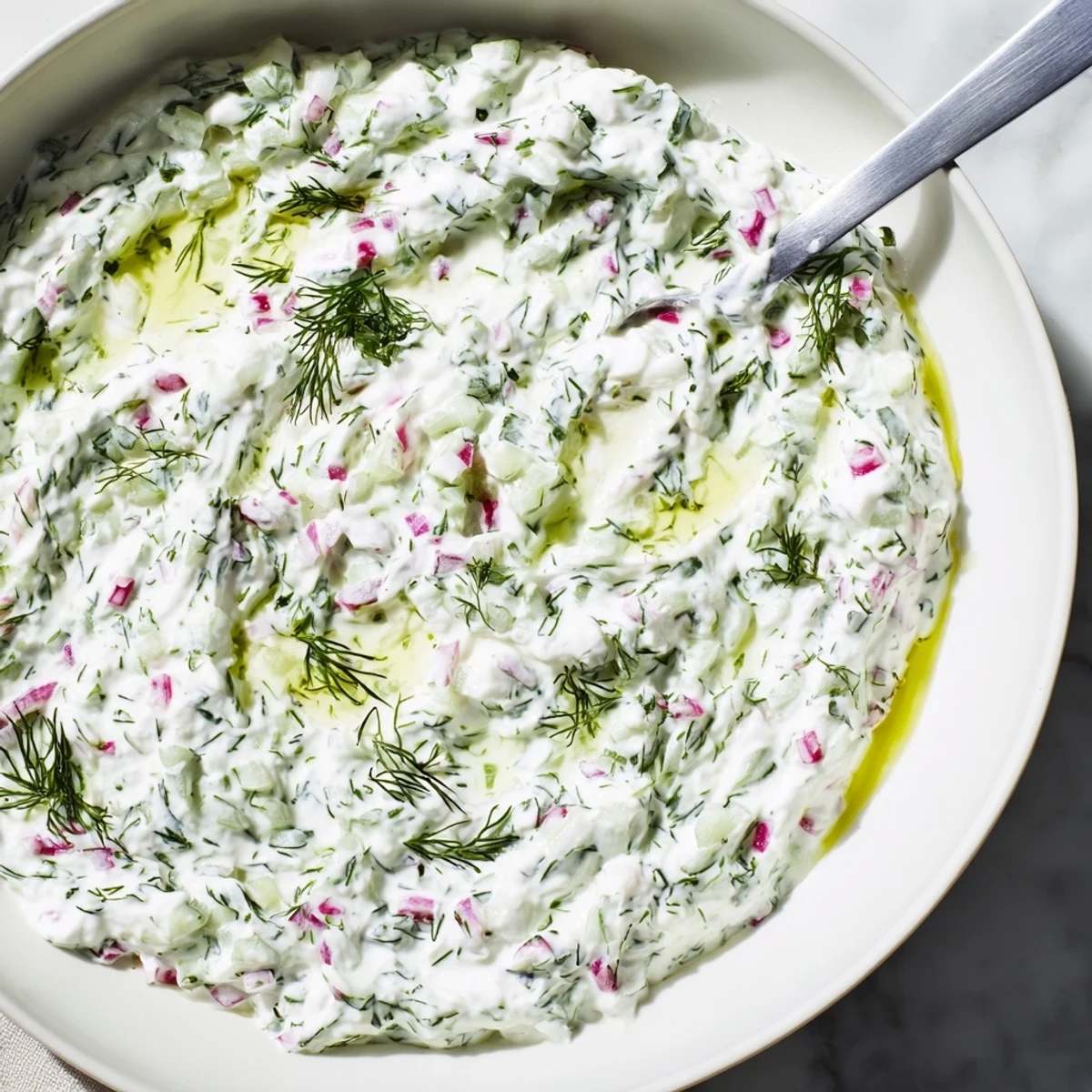
 This vibrant Mediterranean dip transforms traditional tzatziki with the addition of crisp, peppery radishes. The combination creates extra crunch and a subtle kick that perfectly complements the cool creaminess of Greek yogurt. Fresh dill and mint add bright herbal notes while lemon juice provides just the right amount of zing.
Ready in just 15 minutes, this versatile creation works beautifully as a dip for vegetables and pita, a spread for sandwiches, or a light sauce for grilled meats. The radishes add vitamin C and fiber while keeping things low in carbohydrates.
For best results, refrigerate for at least 30 minutes before serving to let the flavors meld together. The taste only gets better the next day, though it's best enjoyed within two days of preparation.
The kitchen counter was scattered with vegetables from my farmers market run and I had no plan until I spotted those vibrant red radishes. My grandmother always said the simplest dishes taste the best when you start with fresh ingredients, so I decided to experiment with a classic tzatziki recipe. The peppery crunch of radishes transformed into something completely unexpected.
I first brought this to a summer potluck when I was short on time and my friends kept asking me for the recipe. Now it is my go to dish whenever I need something impressive but effortless that works for almost any dietary preference.
Ingredients
- 8 medium radishes: Grating them releases their natural moisture and that signature peppery kick that makes this dip special
- 1 small cucumber: Seeds and peel removed so the texture stays smooth and creamy throughout
- 1 garlic clove: Freshly minced because garlic powder just does not give the same bright punch
- 1 cup Greek yogurt: The backbone that brings everything together with its rich tangy flavor
- 2 tablespoons fresh dill: This herb makes all the difference between good tzatziki and great tzatziki
- 1 tablespoon fresh mint: Optional but adds such a lovely cooling contrast to the radishes
- 1 tablespoon lemon juice: Freshly squeezed balances the richness and brightens every bite
- 1 teaspoon olive oil: Just enough to add silky richness without making it heavy
- ½ teaspoon salt: Enhances all the flavors but taste before adding more
- ¼ teaspoon black pepper: Freshly ground adds warmth and depth to the cool creamy base
Instructions
- Drain the vegetables:
- Wrap grated radishes and cucumber in a clean kitchen towel and squeeze firmly until no more liquid drips out
- Mix the base:
- Combine yogurt, grated vegetables, garlic, dill, mint, lemon juice, olive oil, salt, and pepper in a medium bowl
- Stir everything together:
- Fold ingredients until completely blended and the mixture looks uniformly creamy
- Adjust the flavors:
- Taste your dip and add more salt, pepper, or lemon juice until it sings
- Let it rest:
- Refrigerate for 30 minutes so all the flavors can get friendly with each other
- Serve it up:
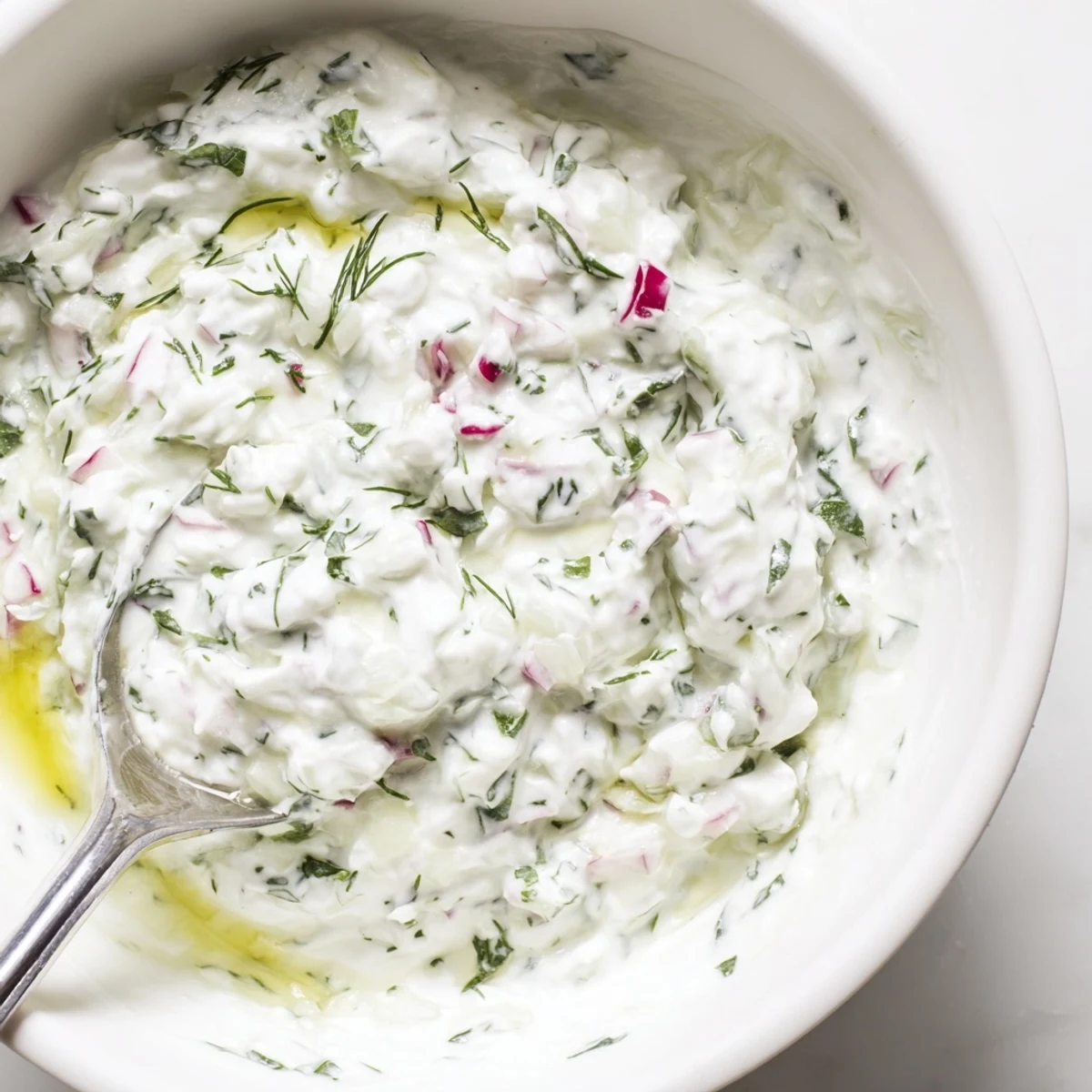
- Garnish with extra herbs and a final drizzle of olive oil before serving chilled
 Save to Pinterest
 My neighbor asked for the recipe after trying it at our weekly summer barbecue and now she makes it for every gathering. It has become one of those recipes I make without thinking, the one people always ask me to bring.
Make It Your Own
I have played around with adding fresh parsley when dill is not available and it still tastes wonderful. Sometimes I toss in some chopped chives for a mild onion flavor that complements the radishes beautifully.
Perfect Pairings
This dip shines alongside raw vegetables but do not stop there. I love it spread inside a grilled chicken wrap or dolloped on top of roasted potatoes. It also makes an unexpected and delicious sandwich spread instead of mayonnaise.
Serving Suggestions
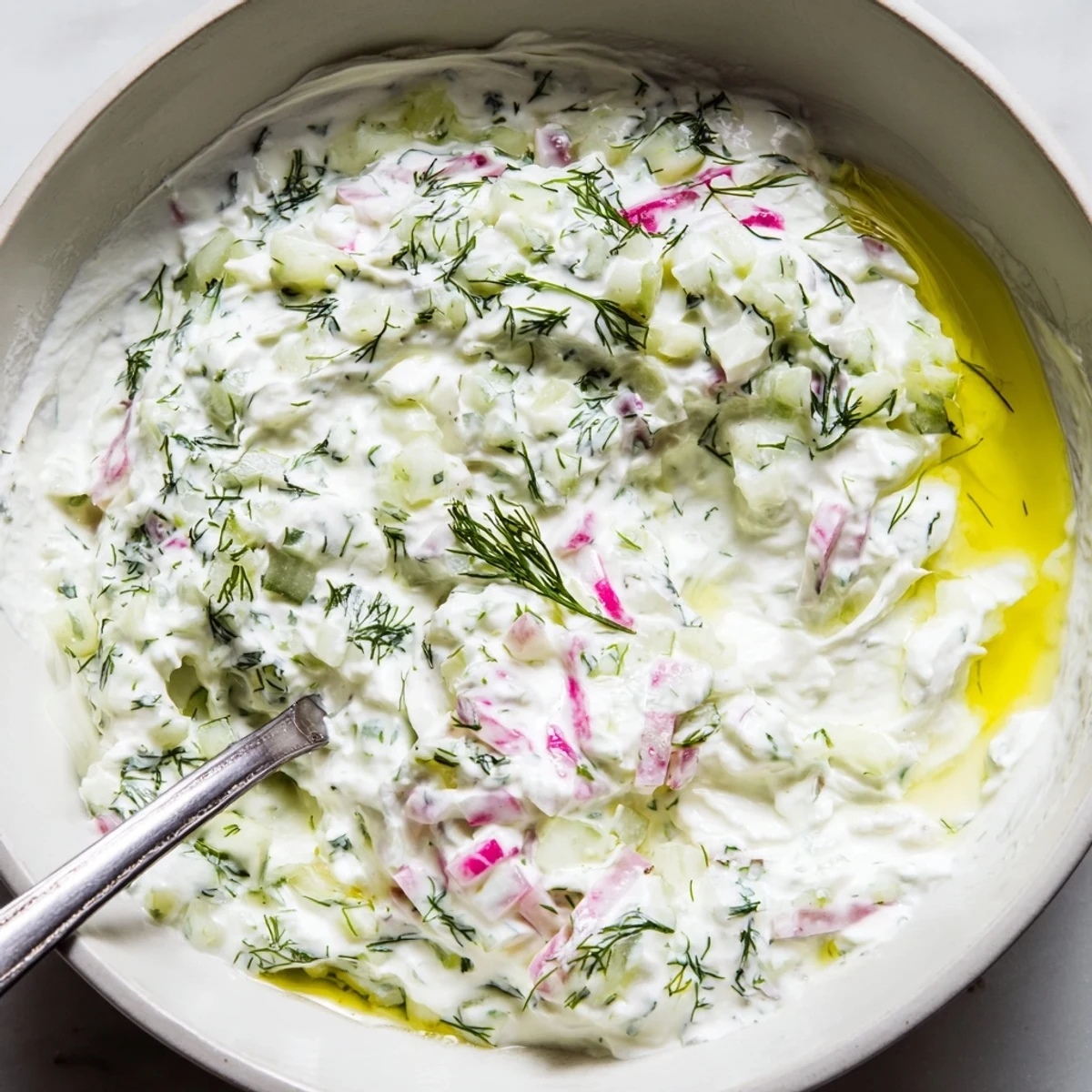
Present it in a shallow bowl with a well in the center and drizzle generously with olive oil and a sprinkle of fresh herbs. The contrast of white yogurt against green herbs and red radishes is absolutely beautiful on the table.
- Keep a small bowl of extra dill nearby for guests to add more if they love herb flavor
- Serve with warm pita bread that has been lightly brushed with olive oil and grilled
- Try it alongside grilled fish for a light and refreshing summer dinner
 Save to Pinterest
 There is something deeply satisfying about transforming simple ingredients into something so refreshing and delicious. Hope this becomes a staple in your kitchen like it has in mine.
Recipe FAQs
- → What makes radish tzatziki different from traditional versions?
-
The addition of grated radishes provides extra crunch and a mild peppery bite that complements the cool cucumber. Radishes also add vibrant color and boost the nutritional content with vitamin C and fiber, while keeping the dish light and low-carb.
- → How do I prevent the dip from becoming watery?
-
Squeeze out as much liquid as possible from the grated radishes and cucumber using a clean kitchen towel or cheesecloth. This step is crucial for achieving a thick, creamy consistency that won't separate or become watery.
- → Can I make this dairy-free?
-
Absolutely. Substitute Greek yogurt with an unsweetened plant-based yogurt alternative. Coconut or almond yogurt works well, though the flavor profile will shift slightly. Look for varieties with minimal additives for the best texture.
- → How long does this keep in the refrigerator?
-
Store in an airtight container and enjoy within 2 days for optimal freshness. The flavors actually develop and improve after resting, but the texture may become slightly looser over time as the vegetables release more moisture.
- → What are the best serving suggestions?
-
Serve with fresh vegetable sticks like carrots, bell peppers, and cucumbers. Pair with warm pita bread or pita chips for dipping. It also makes an excellent spread for Mediterranean sandwiches, a topping for grilled chicken or fish, or a side for roasted vegetables.
- → Can I add other vegetables or adjust the seasonings?
-
Feel free to experiment. Finely diced red onion adds sweetness and crunch. A pinch of smoked paprika introduces depth. For extra brightness, increase the lemon juice or add a splash of red wine vinegar. Fresh herbs like parsley or basil can replace or supplement the dill and mint.