
 Save to Pinterest
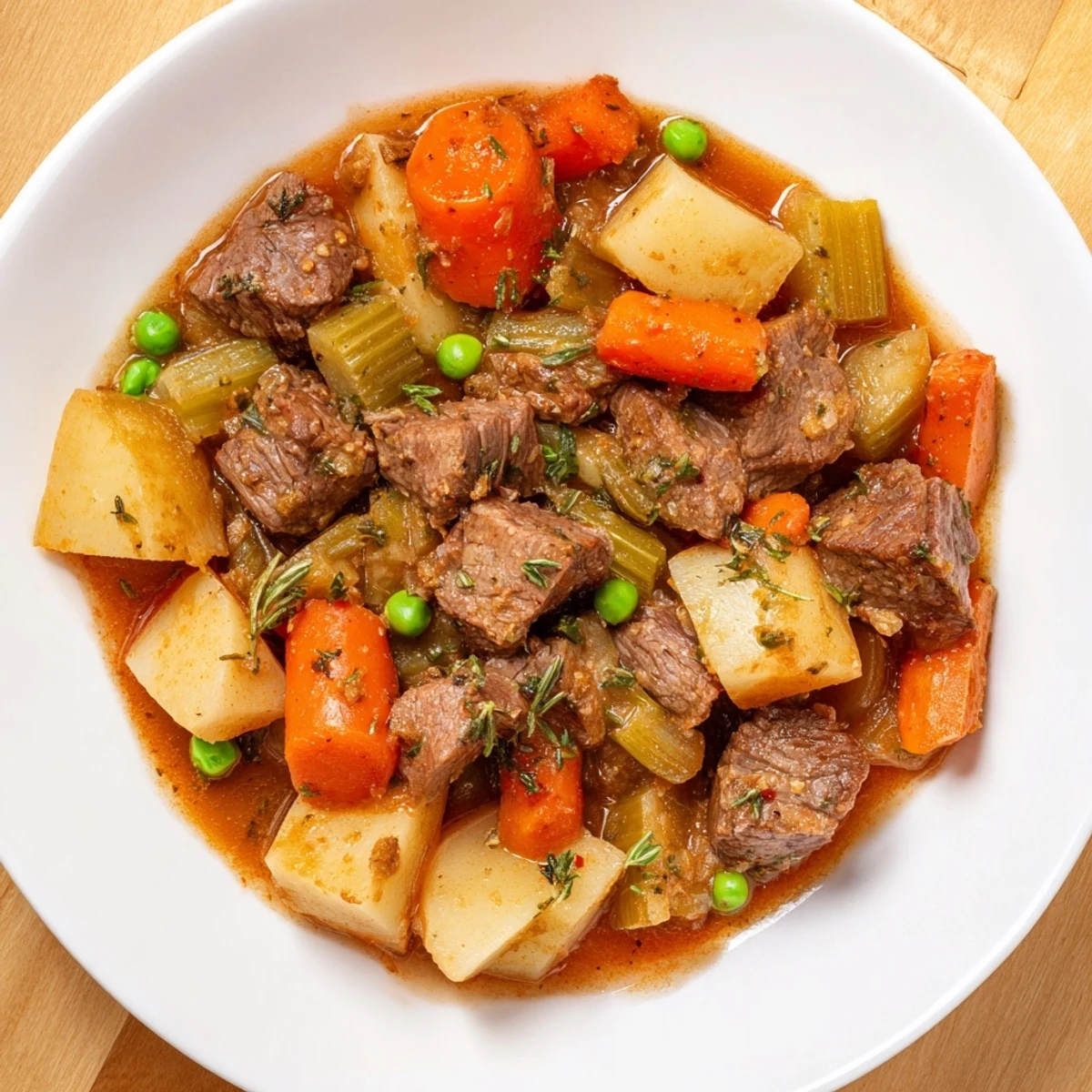
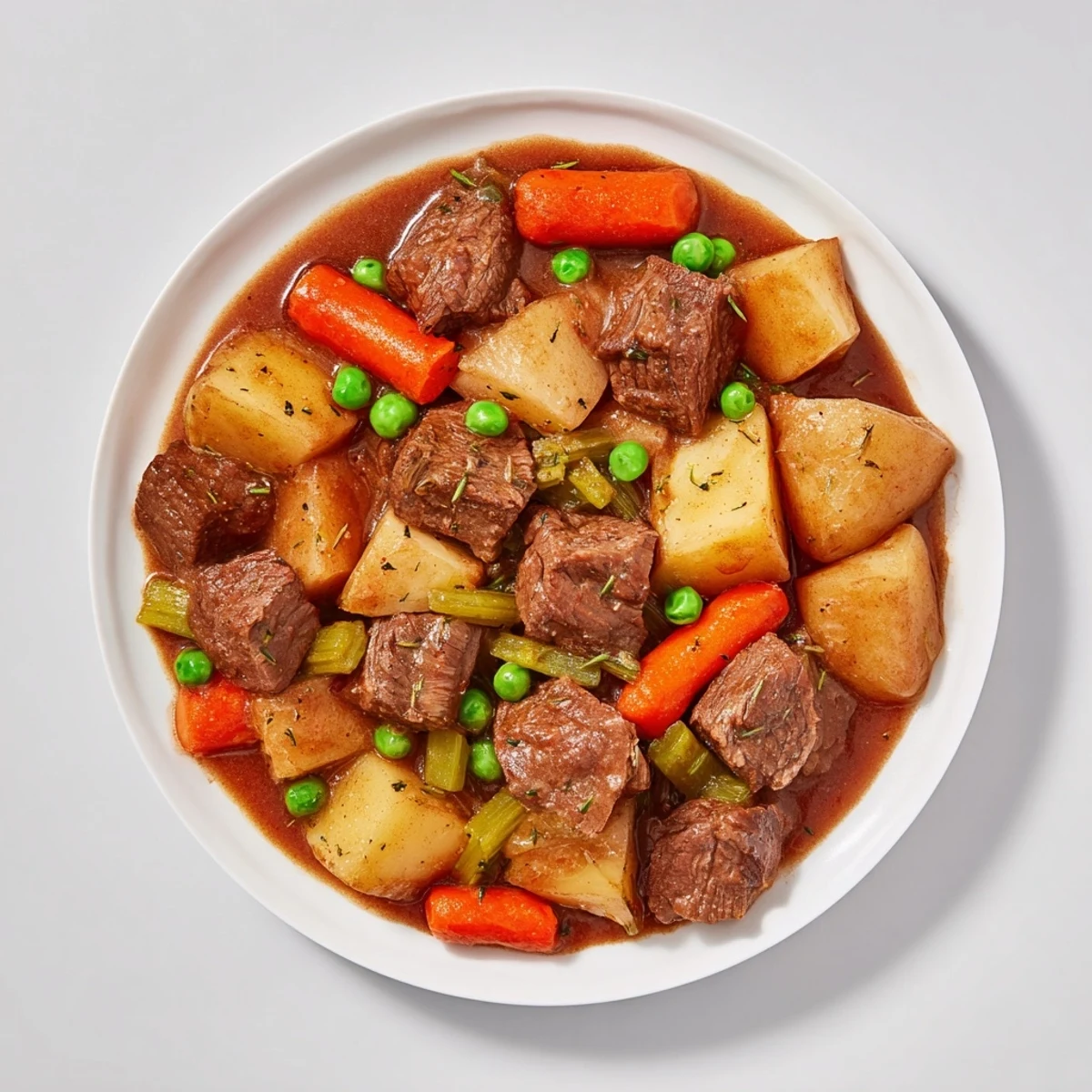
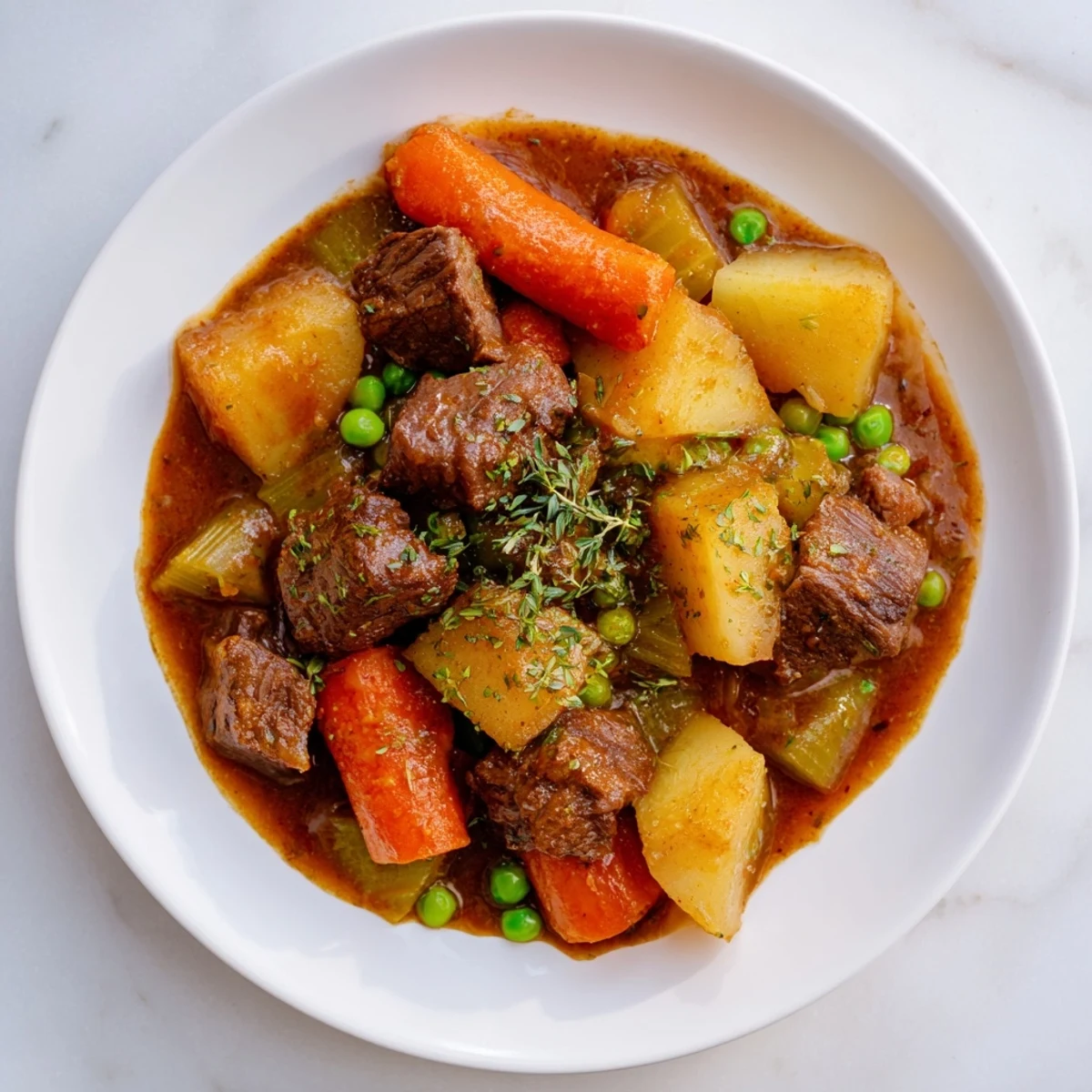
 This hearty beef dish features tender cubes of beef chuck simmered slowly in a flavorful broth with carrots, potatoes, celery, and aromatic herbs including thyme and rosemary. The slow cooking process melds savory flavors with a rich, comforting texture. Optional additions include red wine and Worcestershire sauce for depth, with peas stirred in near the end for freshness. A touch of cornstarch slurry can thicken the dish, making it ideal for chilly evenings. Serve with crusty bread or buttered noodles for a satisfying experience.
There's something about the smell of beef browning in a hot pot that stops me mid-afternoon. Years ago, my neighbor brought over a Dutch oven of stew on a rainy Sunday, and I remember thinking how something so simple—just meat, vegetables, and time—could taste like comfort itself. That's when I started making my own, learning that the real magic happens in those quiet moments when nothing needs your attention but the occasional stir.
I made this for my sister the first winter she moved into her place, when her kitchen was still mostly boxes and borrowed dishes. We ate it straight from the pot with crusty bread, and she kept saying it tasted like home, even though we'd grown up with our dad's version that was honestly pretty bland. That's when I realized good stew isn't about fancy ingredients—it's about letting flavors build on each other without rushing.
Ingredients
- Beef chuck, cut into 1-inch cubes (1.5 lbs): Chuck is the secret—it has enough fat and connective tissue that it becomes silky after simmering, unlike leaner cuts that turn tough.
- Olive oil (2 tbsp): This browns the meat properly and builds that deep, savory foundation the whole stew rests on.
- Onion, diced (1 large): The aromatic base that softens into the background, adding sweetness and depth without tasting like onion.
- Garlic, minced (3 cloves): Add it after the onions start softening, never before, or it'll burn and taste bitter.
- Carrots, peeled and sliced (3 medium): They stay slightly firm through the long cook, adding natural sweetness and that satisfying texture.
- Celery, sliced (2 stalks): Sounds boring, but it's the quiet player that brings savory depth most people can't quite identify.
- Potatoes, peeled and cubed (3 medium): They thicken the stew naturally as they break down, no cornstarch needed if you prefer it rustic.
- Frozen peas (1 cup): Added late so they stay bright and don't turn to mush—they're your pop of color and sweetness at the end.
- Beef broth (4 cups): Check the label for gluten-free if that matters to you; the quality of broth makes a real difference in the final taste.
- Dry red wine (1 cup, optional): If you skip it, just use more broth, but the wine adds a subtle complexity that's hard to replicate.
- Tomato paste (2 tbsp): This concentrated flavor deepens the stew in a way fresh tomatoes never could; it's a small amount but does real work.
- Salt and black pepper (2 tsp salt, 1 tsp pepper): Taste as you go—you might want more, especially if your broth is low-sodium.
- Bay leaves (2): Don't skip them, and don't forget to fish them out before serving or you'll have an awkward moment with a guest.
- Dried thyme and rosemary (1 tsp each): These are dried, not fresh, which means they hold up to long cooking without turning bitter.
- Worcestershire sauce (1 tbsp): A small splash that adds umami and savory punch; verify it's gluten-free if needed.
- Cornstarch and cold water (2 tbsp each, optional): Only use this if you want a thicker stew; otherwise, it's perfect just as is.
Instructions
- Dry and season your beef:
- Pat the cubes with paper towels so they brown instead of steam—this is the difference between a stew that tastes rich and one that tastes watered down. Season generously with salt and pepper right before browning.
- Sear the beef in batches:
- Don't crowd the pot or the meat will steam. Work in batches if needed, letting each side get golden and crusty, which takes about 8 to 10 minutes total per batch. This crust is flavor you can't get any other way.
- Build your aromatic base:
- Once the beef is out, add onions, carrots, and celery to the same pot with all those browned bits stuck to the bottom. Let them soften for 5 minutes, then add garlic for just 1 minute—you want fragrant, not burnt.
- Deepen with tomato paste:
- Stir it in and let it cook for a minute, which removes that raw flavor and makes it taste toasted and complex.
- Bring it all together:
- Return the beef, add your broth, wine if using, potatoes, bay leaves, herbs, and Worcestershire sauce. Bring to a boil, then immediately turn the heat down low.
- Simmer low and slow:
- Cover the pot and let it bubble gently for 1.5 hours, stirring just a few times. You'll know it's done when the beef falls apart with a wooden spoon.
- Finish with peas and brightness:
- Uncover, stir in the frozen peas, and let it simmer another 10 minutes so they warm through but stay tender. If you want a thicker stew, mix cornstarch with cold water and stir it in now, simmering 5 more minutes.
- Taste and adjust:
- Remove the bay leaves, taste it, and add more salt and pepper if needed. This is your stew—make it taste the way you want it.
 Save to Pinterest
 I learned the hard way that this stew is forgiving and generous. The first time I made it, I forgot about it for an extra 45 minutes while on the phone, certain I'd ruined it. But when I finally lifted the lid, the beef was even more tender, the flavors had deepened, and my mistake became the version everyone now asks for.
Why This Stew Works Year-Round
Stew is one of those dishes that makes sense no matter the season. In winter, it's pure warmth and comfort. In summer, I make it the day before and eat it cold or gently reheated, which somehow feels lighter than you'd expect. Spring and fall are when I start swapping vegetables—adding fresh mushrooms or trying parsnips instead of potatoes—and the stew adapts without complaint.
Serving and Storage
Serve this with something to soak up the broth—crusty bread, buttered noodles, or even over rice if you're in the mood. The stew keeps beautifully in the fridge for four days, and it actually tastes richer on day two or three as the flavors continue to marry. It also freezes well for up to three months, though I've never had leftovers last that long.
Small Variations That Change Everything
Once you've made this basic version a few times, you'll find yourself tinkering. A splash of balsamic vinegar adds subtle sweetness, a pinch of smoked paprika brings smokiness without overpowering, and some people swear by a touch of fish sauce for umami depth. The recipe is a foundation, not a prison.
- Try swapping carrots for parsnips, or add a handful of mushrooms for earthiness.
- If you want less broth, use it as a filling for pot pie or serve it over creamy polenta.
- Leftovers can be shredded and turned into tacos, topped on baked potatoes, or stirred into rice for a completely different meal.
 Save to Pinterest
 This is the kind of dish that teaches you something about cooking each time you make it. There's no rush, no fancy technique, just the simple magic of time and heat turning tough cuts of meat into something you'd crave on the coldest day of the year.
Recipe FAQs
- → What cut of beef is best for this dish?
-
Beef chuck is ideal due to its marbling and tenderness after slow cooking.
- → Can I substitute vegetables in this stew?
-
Yes, parsnips or turnips can replace potatoes for a different texture and flavor.
- → How do I thicken the stew if needed?
-
Mix cornstarch with cold water to create a slurry, then stir it in and simmer until thickened.
- → Is red wine necessary for the flavor?
-
Red wine adds depth but can be replaced with additional beef broth if preferred.
- → How long should the stew simmer for best results?
-
Simmering for about 1.5 hours helps the beef become tender and flavors to develop fully.