
 Save to Pinterest
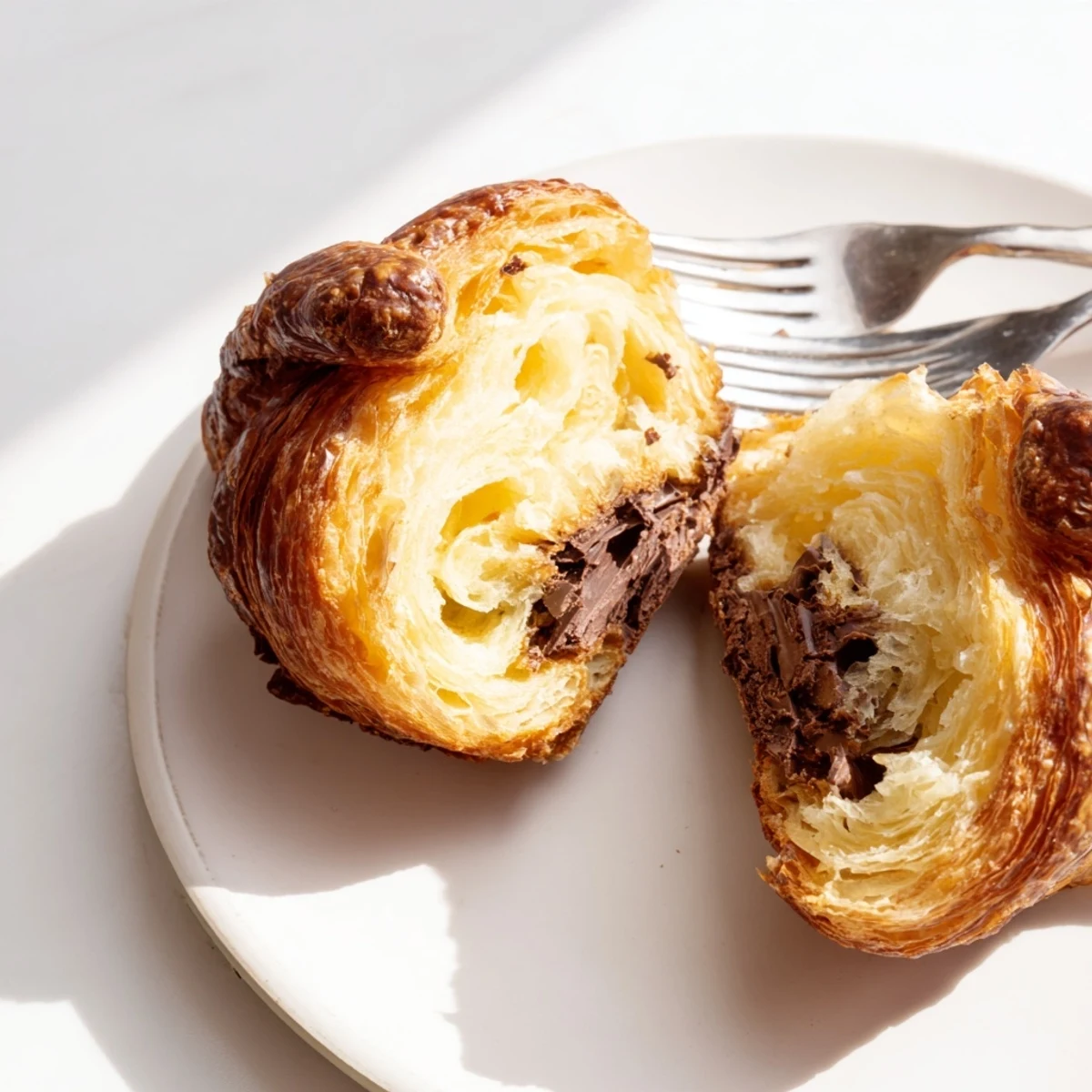
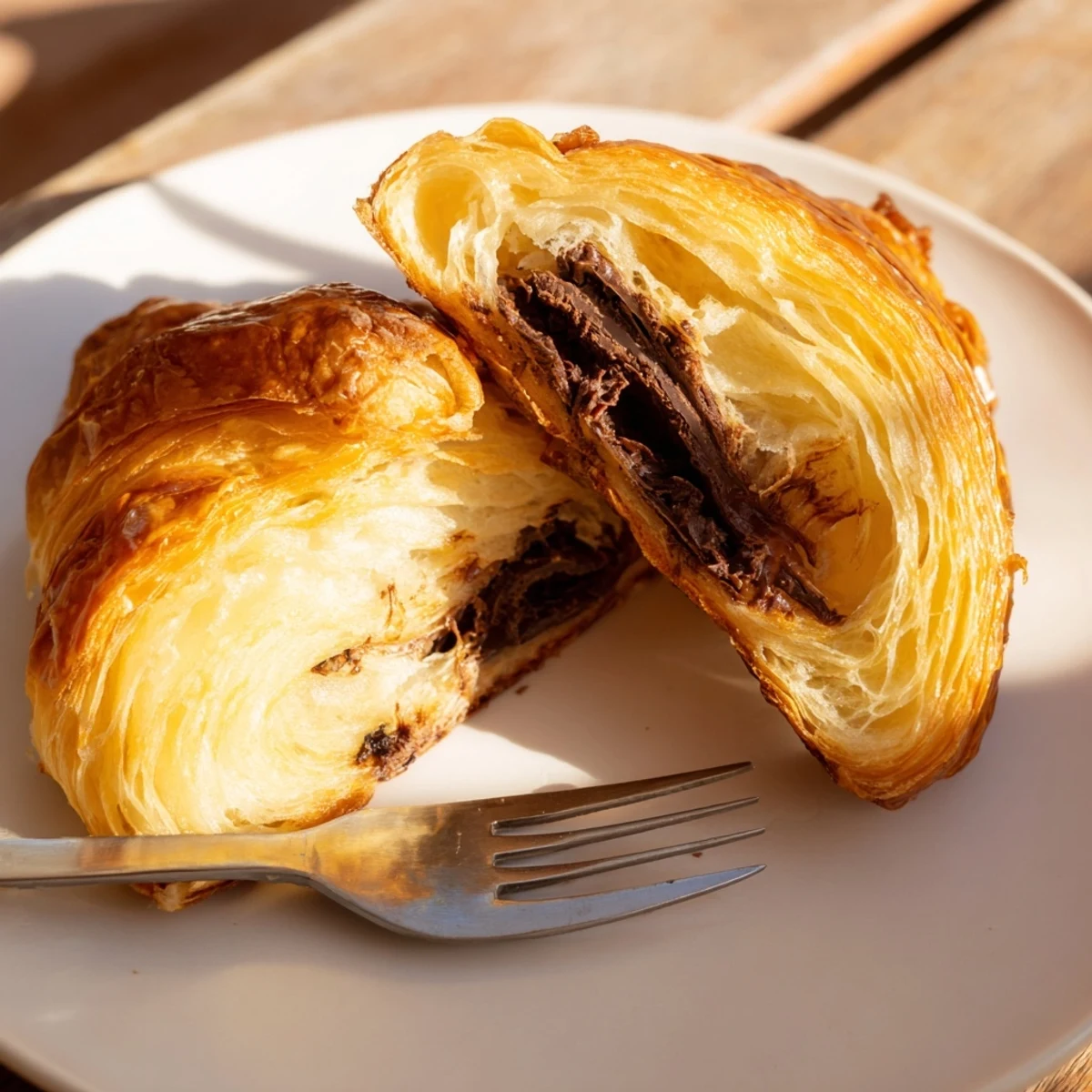
 These croissants offer a delicate balance of flaky, buttery layers and a rich chocolate center. The process involves folding cold butter into dough several times to create signature flakiness. After shaping with bittersweet chocolate, the dough is proofed until puffy, then baked to a crisp golden finish. Ideal for breakfast or an indulgent snack, these croissants reward patience with a tender, airy texture and deep, satisfying chocolate flavor.
My tiny apartment kitchen became a butter sanctuary that first Saturday I attempted these. The windows fogged up from all the laminating, and somewhere around the third fold, I understood why French bakers take this so seriously. By the time they emerged from the oven—impossibly golden and smelling like a Parisian morning—I'd ruined two good towels and my patience, but taken my first real bite of pastry enlightenment.
I brought a batch to my sister's book club once, still slightly warm from the oven. Usually polite and chatty, the room went silent for a full minute. Someone finally whispered that they tasted like something from a bakery window we'd never be allowed inside. Now they request them every month, and I've learned to double the batch because the first tray disappears before anyone even bothers pouring coffee.
Ingredients
- All-purpose flour: Bread flour would make these too chewy; you want tender layers that surrender to your teeth
- Active dry yeast: Lukewarm milk wakes it up gently—hot milk kills the magic before it begins
- Unsalted butter: European-style butter has less water, meaning more pure fat and exponentially more flakiness in every layer
- Bittersweet chocolate: High-quality chocolate here isn't optional; cheap chocolate pools into a greasy mess instead of staying velvety
- Whole milk: The fat content matters for tenderness; skim milk produces a drier, less luxurious crumb
Instructions
- Wake up the yeast:
- Dissolve the yeast in lukewarm milk and wait about 5 minutes until it develops a creamy foam on top—this tells you the yeast is alive and ready to work.
- Build the dough:
- Mix flour, sugar, salt, softened butter, and the activated yeast mixture until a rough shaggy dough forms, then knead until smooth and elastic.
- First chill:
- Shape the dough into a neat rectangle, wrap tightly in plastic, and refrigerate for 1 hour to relax the gluten and firm everything up.
- Prep the butter:
- Pound cold butter between parchment sheets into a flat 6 by 8 inch rectangle, keeping it chilled but pliable.
- First envelope fold:
- Roll chilled dough to 10 by 14 inches, place the butter slab on half the dough, fold the other half over like a book, and seal the edges tight.
- First letter fold:
- Gently roll into a 10 by 20 inch rectangle and fold into thirds like a letter, then wrap and chill for 30 minutes.
- Second and third folds:
- Repeat the rolling and folding two more times, rotating the dough 90 degrees each time and chilling for 30 minutes between folds.
- Shape the croissants:
- Roll the dough into a 10 by 20 inch rectangle, cut into 8 rectangles, nestle chocolate at one end, and roll tightly into logs.
- The final rise:
- Place seam-side down on parchment, cover loosely, and let proof at warm room temperature for 2 hours until puffy and jiggly.
- Bake to golden:
- Brush with egg wash, bake at 400°F for 18 to 20 minutes until deep golden brown and the kitchen smells like heaven itself.
 Save to Pinterest
 Last winter my neighbor smelled these baking through our shared wall and knocked on my door with two coffee mugs. We sat at my tiny kitchen table watching snow fall outside, chocolate dripping down our chins, making that batch worth every frustrated hour of folding and waiting. Some recipes are just meant to be shared.
The Temperature Game
Keep everything cold during laminating—your rolling pin, your work surface, your hands. Warm butter melts into the dough instead of forming distinct layers, and all that work yields something closer to a dinner roll than a croissant.
Making Them Ahead
You can freeze shaped, unproofed croissants for up to a month. Transfer them to the fridge overnight to thaw slowly, then let them proof at room temperature before baking. Fresh croissants on a weekday morning feel like cheating the system.
Getting That Professional Finish
The egg wash creates that deep, burnished gold that signals bakery-quality pastry. Brush gently—too much pressure can deflate your carefully proofed dough—and don't let it pool in the crevices where it can inhibit proper baking.
- Avoid brushing the cut edges or the layers wont separate properly during baking
- Sprinkle the baking sheet with a little water before loading the oven to create steam
- Let them cool for at least 15 minutes so the chocolate sets slightly instead of burning your tongue
 Save to Pinterest
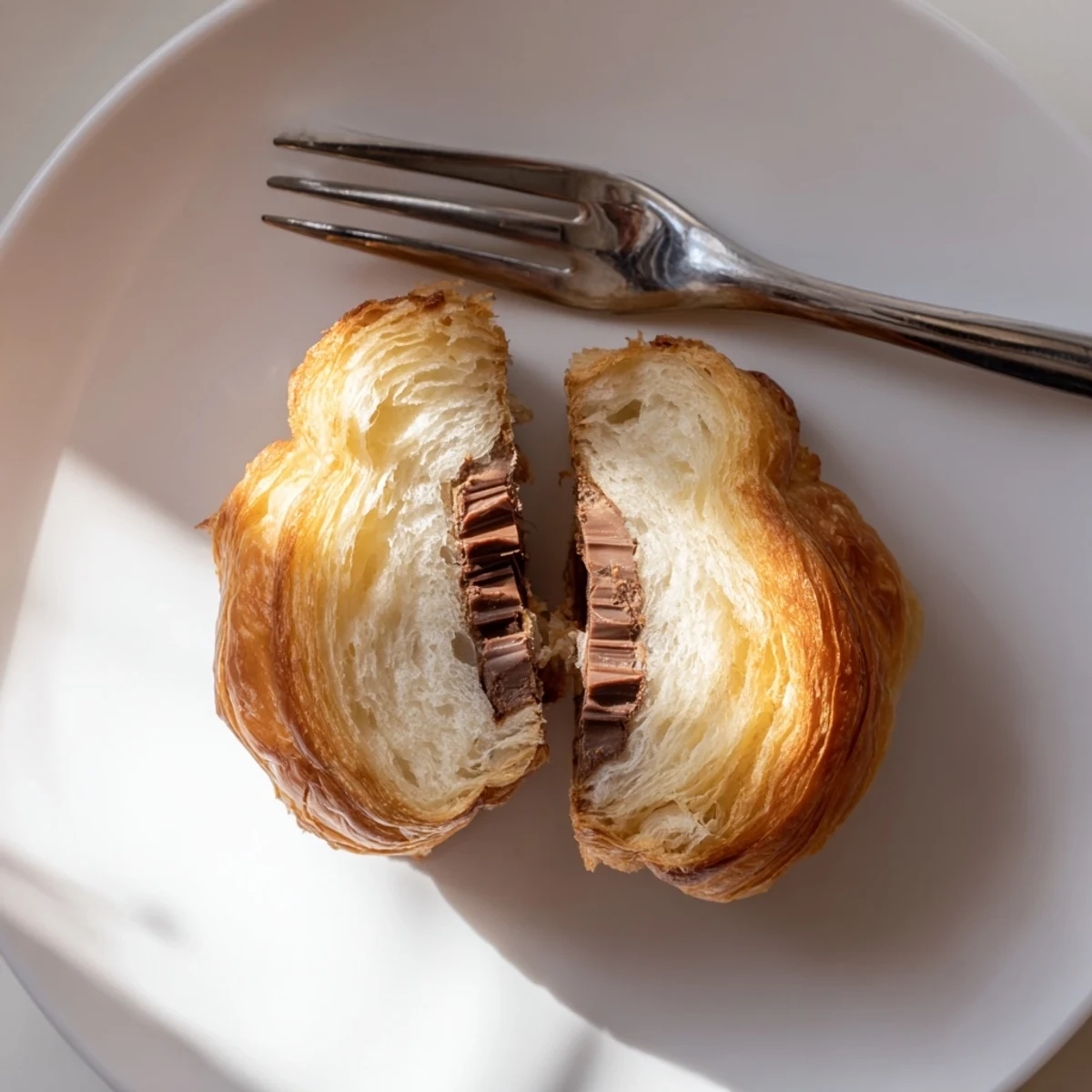
 There's something profoundly satisfying about pulling a tray of these from the oven, seeing all those buttery layers you worked so hard to create now golden and fragrant. Start them on a Sunday morning when you have nowhere to be.
Recipe FAQs
- → How do I achieve flaky layers in croissants?
-
Incorporate cold butter between dough folds, chilling between turns, to create distinct flaky layers.
- → What type of chocolate works best for filling?
-
Bittersweet or semisweet chocolates provide deep flavor without excessive sweetness.
- → Can I freeze croissants before baking?
-
Yes, shaped but unbaked croissants can be frozen for up to a month. Thaw and proof before baking.
- → Why is proofing important before baking?
-
Proofing allows the dough to rise and develop a light, airy texture during baking.
- → What is the benefit of using European-style butter?
-
Its higher fat content enhances flakiness and imparts a richer flavor.