
 Save to Pinterest
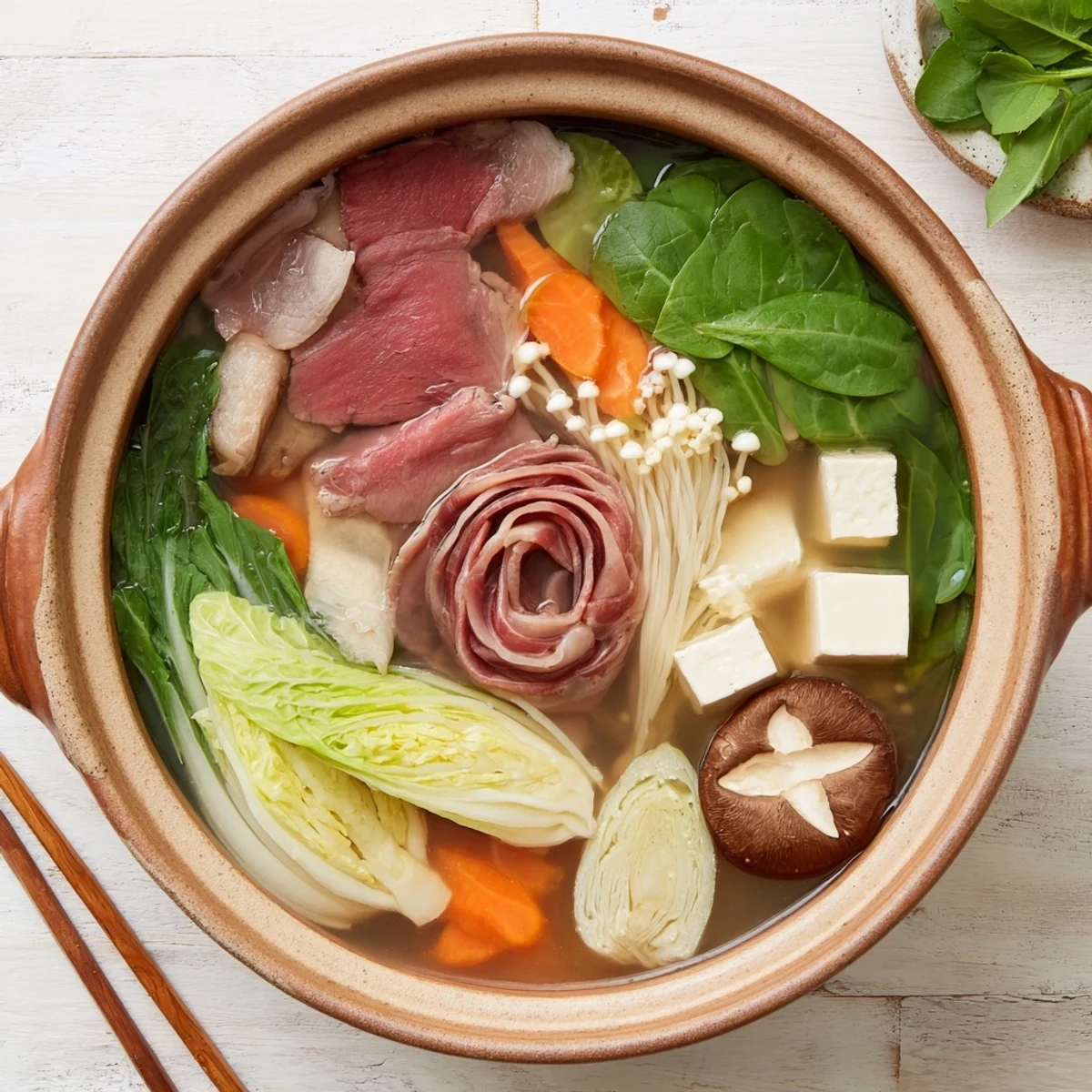
 Authentic Japanese shabu shabu brings the interactive hot pot experience to your table. Thinly sliced beef sirloin and pork cook instantly in gentle dashi broth, accompanied by crisp Chinese cabbage, spinach, carrots, shiitake and enoki mushrooms, leeks, and tender tofu cubes. The name comes from the swishing motion used to cook ingredients—just a few seconds in the simmering liquid yields perfectly done meat and vegetables.
Dip each bite into tangy ponzu citrus sauce or creamy sesame goma dare, then finish the meal with udon noodles simmered in the now-richly flavored broth. Perfect for gatherings, this communal dining style encourages conversation and shared enjoyment of fresh, high-quality ingredients.
The first time I had shabu shabu was in a tiny Tokyo restaurant where we sat shoulder to shoulder with strangers, everyone cooking together in the same pot. The steam rising up, the sound of swishing meat through broth, the way strangers became friends over shared dipping sauces. It was winter and outside the snow was falling, but inside it was warm and filled with laughter and the smell of dashi. That night taught me that some meals are about more than eating, they are about the experience of creating something together.
Last winter I hosted a shabu shabu night for my family, and my father who usually cooks alone in the kitchen spent three hours at the table, dipping beef and chatting. The broth kept simmering, the vegetables disappeared, and somehow the conversation flowed easier than it had in years. My niece learned to use chopsticks that night, mostly because she wanted to do the swishing motion herself. At the end, we fought over who got the last udon noodles soaked in the rich, savory broth.
Ingredients
- 8 cups dashi stock: The foundation of everything, use homemade if you can but a good quality low sodium chicken broth works beautifully
- 2-inch piece kombu: This dried kelp adds that subtle umami depth that makes Japanese broth taste authentic
- 400 g thinly sliced beef sirloin or ribeye: Ask your butcher to slice it paper thin, or freeze for 20 minutes and slice it yourself
- 200 g thinly sliced pork loin: Optional but adds nice variety, pork cooks a bit differently and stays tender
- 1/2 Chinese cabbage: Sweet and crunchy when cooked briefly, it becomes silky soft in the hot broth
- 1 bunch spinach: Fresh spinach wilts beautifully and soaks up the savory flavors
- 1 large carrot: Thin slices add sweetness and a satisfying crunch that holds up well
- 200 g shiitake mushrooms: Meaty and rich, these become little flavor bombs as they simmer
- 200 g enoki mushrooms: Delicate and noodle like, these cook in seconds and are fun to eat
- 1 leek: Adds a mild onion flavor that sweetens as it cooks in the broth
- 1 block tofu: Firm or silken works, cut into cubes that soak up all the delicious flavors
- 200 g udon noodles: These thick wheat noodles are the perfect finish to soak up the seasoned broth
- 1/2 cup ponzu sauce: Citrusy soy sauce that cuts through the richness of the meat
- 1/2 cup sesame sauce: Creamy, nutty, and rich, it balances the bright ponzu perfectly
- 2 green onions: Fresh garnish that adds a sharp bite and beautiful color
- 2 tbsp toasted sesame seeds: Sprinkle these over everything for texture and nutty aroma
Instructions
- Prepare the broth:
- Place the kombu and dashi stock in your hot pot and heat gently, removing the kombu just before it starts boiling to prevent bitterness. Keep the broth at a gentle simmer throughout the meal, not a rolling boil.
- Arrange everything beautifully:
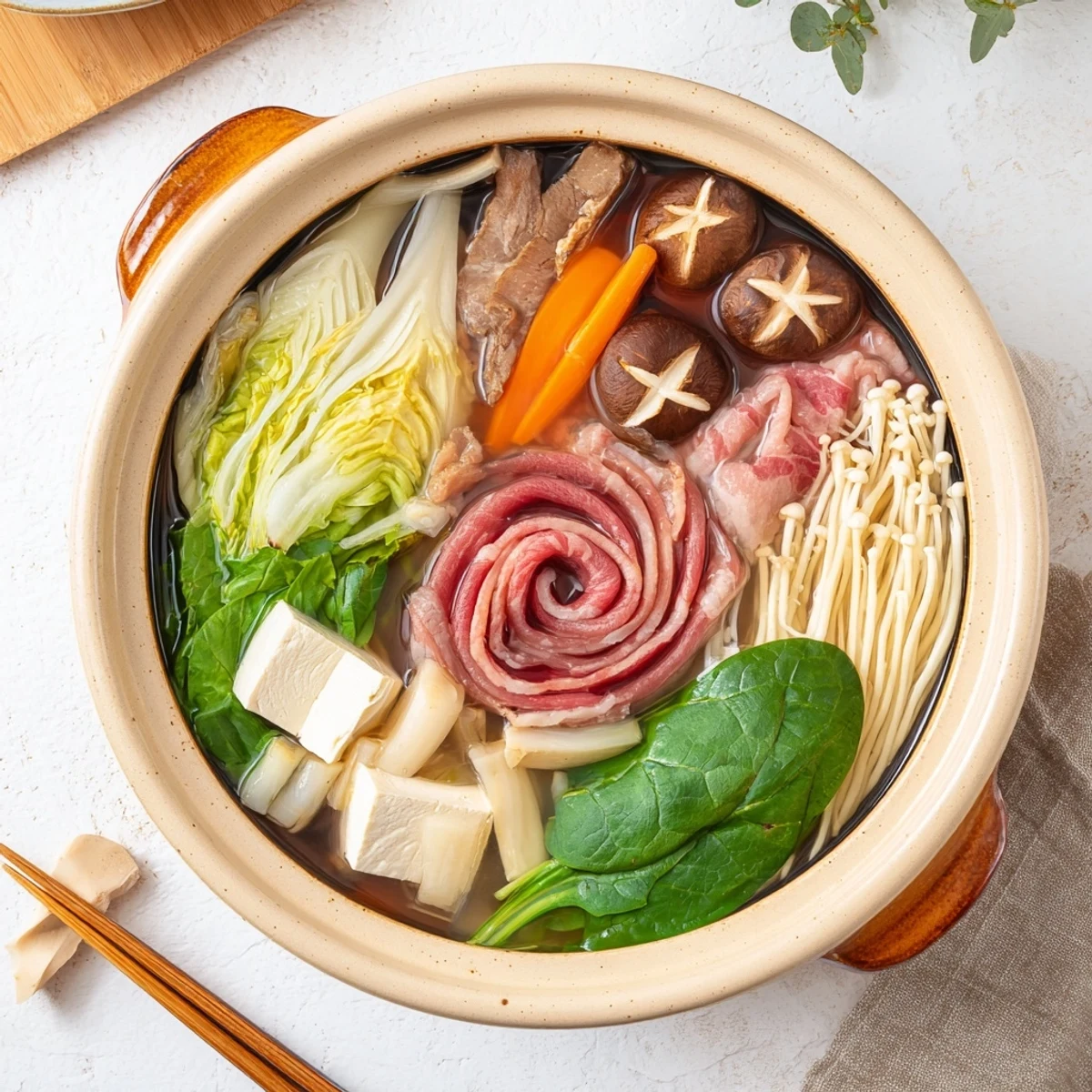
- Set up large platters with the meats, vegetables, tofu, and noodles arranged in separate sections, making it easy for everyone to reach what they want. The presentation matters because it sets the mood for the whole experience.
- Set up your station:
- Place a portable burner or induction cooktop at the center of your dining table with the simmering pot, and give each person their own small bowl for dipping sauces. Make sure everyone can reach everything comfortably.
- The swishing begins:
- Each diner selects pieces of meat or vegetables and swishes them back and forth in the simmering broth using chopsticks until just cooked through. The term shabu shabu actually comes from this swishing sound, and the key is not to overcrowd the pot.
- Dip and enjoy:
- Immediately dip the cooked items into either the ponzu for a bright citrus kick or the sesame sauce for creamy richness, sometimes I do both. The contrast between hot food and cool sauce is part of what makes this dish special.
- The noodle finale:
- Toward the end of the meal when everyone has had their fill of meats and vegetables, add the udon noodles to the remaining flavorful broth. Simmer for just a few minutes until the noodles are heated through and have absorbed some of the rich broth.
- Garnish and serve:
- Sprinkle the noodles and remaining broth with the sliced green onions and toasted sesame seeds for a final burst of freshness and nutty flavor. This closing dish is often the most memorable part of the meal.
 Save to Pinterest
 There is something magical about watching someone who claims they cannot cook become confident at the hot pot table. My friend Mark, who burns toast, spent two hours expertly swishing beef and adjusting his broth temperature like a seasoned chef. We laughed, we burned our tongues on too hot vegetables, and we left with that warm satisfied feeling that only comes from sharing food you have helped create. Now he asks when we are doing shabu shabu again every time we talk.
Making It Your Own
Once you have done traditional shabu shabu a few times, do not be afraid to experiment with different proteins like thinly sliced chicken or seafood. I have discovered that shrimp cook incredibly fast and add a lovely sweetness to the broth that beef does not provide. The key is keeping everything sliced thin enough to cook quickly while maintaining its texture.
Broth Secrets
The most common mistake I see is people treating the broth as just cooking liquid when it should be as flavorful as the food itself. After all the meat and vegetables have been cooked, that broth has become rich with umami from every ingredient. This is why saving some broth for the final noodles is non negotiable, it is actually the best part of the meal.
Perfect Pairings
A light, dry sake or cold green tea cuts through the richness of the meat and complements both dipping sauces beautifully. I have found that keeping drinks cold helps balance the hot food and prevents the meal from feeling too heavy. Serve everything family style with small individual dipping bowls to encourage sharing and trying different combinations.
- Pre slice all ingredients beforehand so you can focus on cooking and socializing
- Have extra dipping sauce ready because people always ask for more
- Keep a ladle nearby for anyone who wants more broth in their dipping bowl
 Save to Pinterest
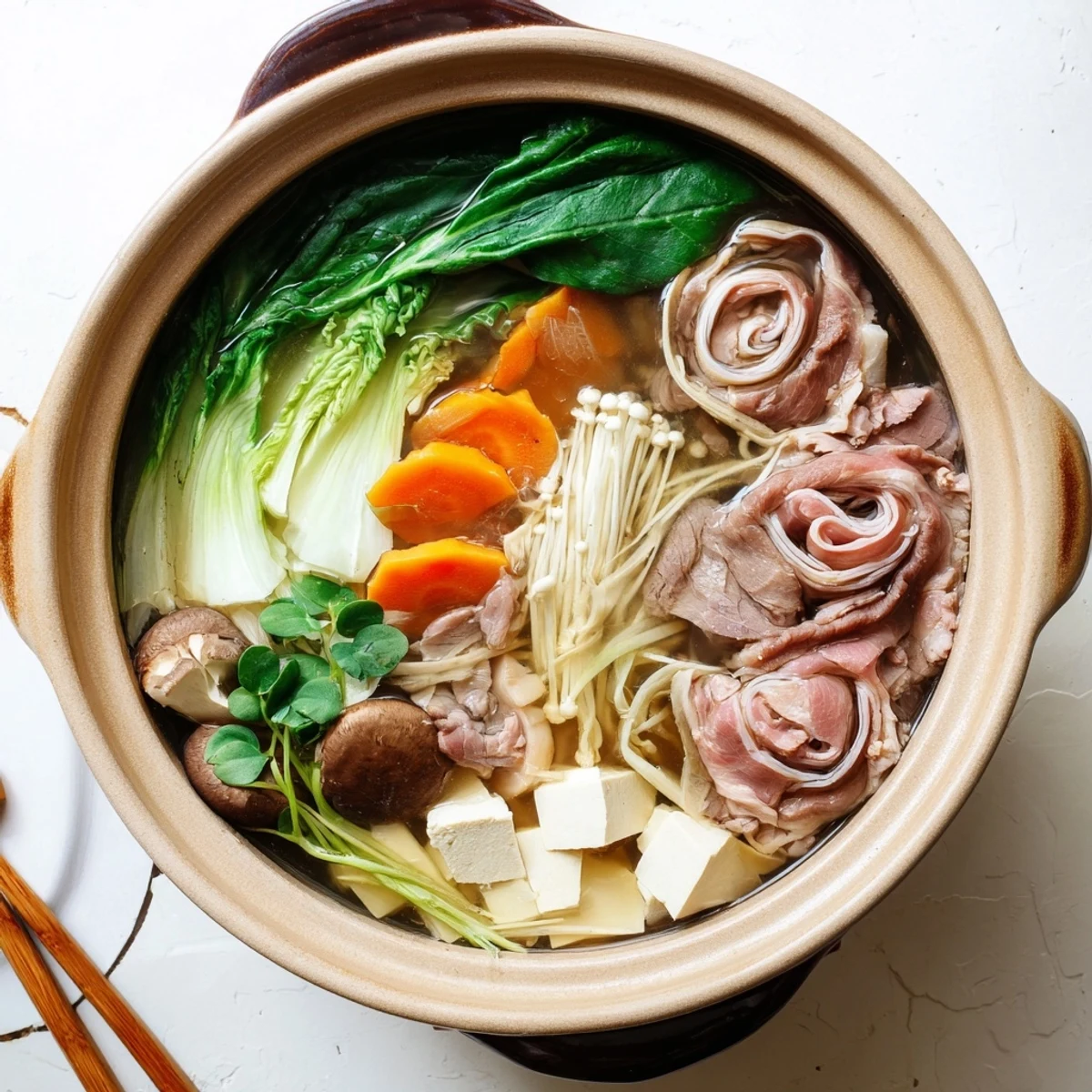
 The best meals are the ones where everyone leaves the table happy, full, and already talking about next time. Shabu shabu never fails to create exactly that kind of memory.
Recipe FAQs
- → What does shabu shabu mean?
-
Shabu shabu is an onomatopoeia in Japanese that mimics the swishing sound made when thin meat slices are moved through hot broth. This gentle motion cooks the meat quickly while keeping it tender.
- → Can I prepare shabu shabu without a tabletop burner?
-
Yes. Cook the ingredients in batches on your stove, transferring cooked items to a serving platter. Keep the broth warm and let diners dip and enjoy at the table. The experience remains delicious even without tabletop cooking.
- → What meat cuts work best for shabu shabu?
-
Choose well-marbled beef cuts like sirloin, ribeye, or Wagyu. The meat should be thinly sliced against the grain—ask your butcher to slice it paper-thin, or freeze briefly and slice at home. Pork loin also works beautifully.
- → How do I make vegetarian dashi?
-
Simmer dried kombu kelp in water for 30 minutes without boiling. Add dried shiitake mushrooms for deeper umami flavor. Strain and use this kombu-shiitake stock as your base for a completely vegetarian version.
- → What can I serve with shabu shabu?
-
Keep sides simple to let the hot pot shine. Steamed rice, fresh cucumber salad, or pickled vegetables complement the rich dipping sauces. Green tea or light sake pairs perfectly with the savory broth.
- → How do I store leftover broth?
-
Strain the remaining broth and refrigerate within two hours. It keeps for 2-3 days and becomes even more flavorful—perfect for soup bases or cooking grains. The umami intensifies as it rests.