
 Save to Pinterest
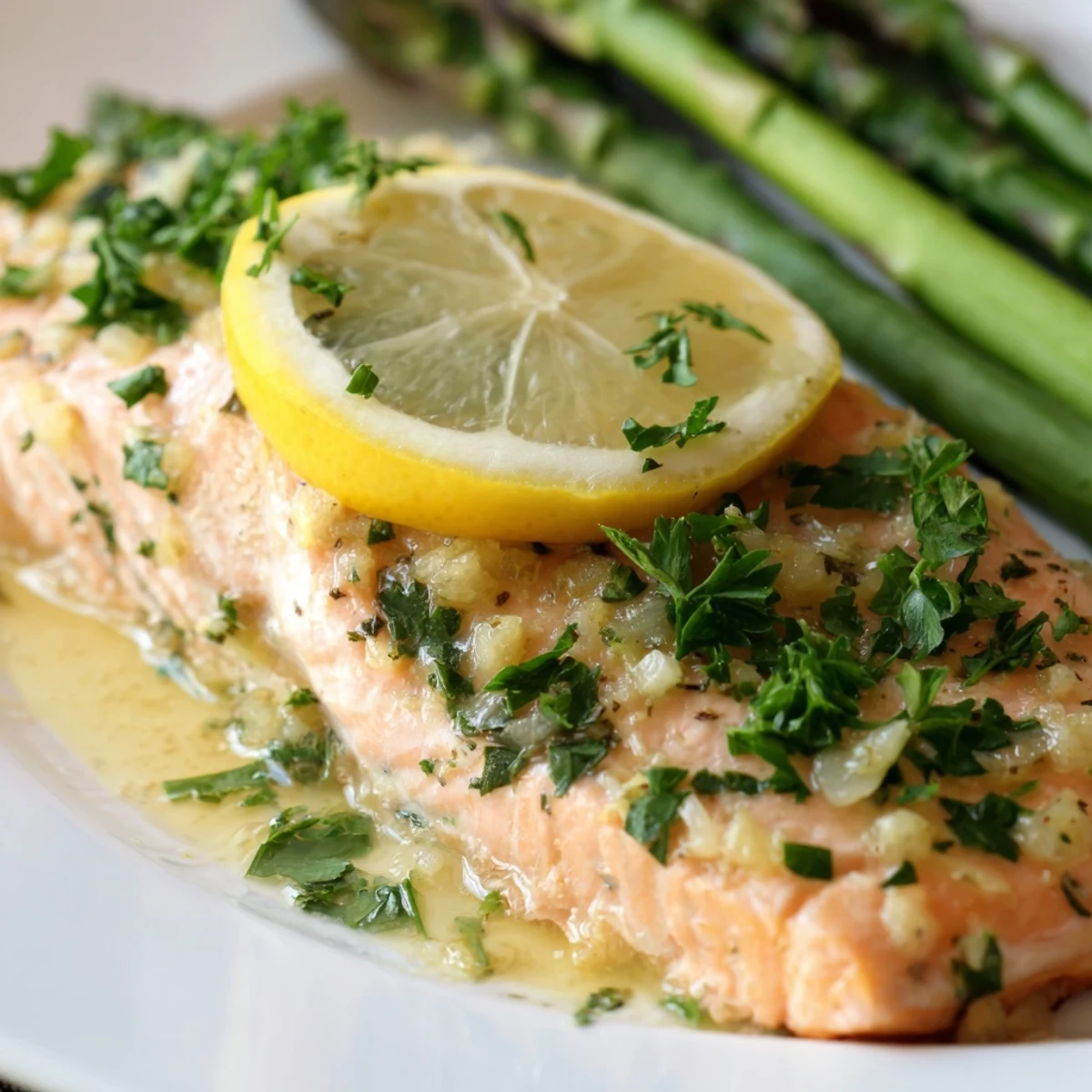
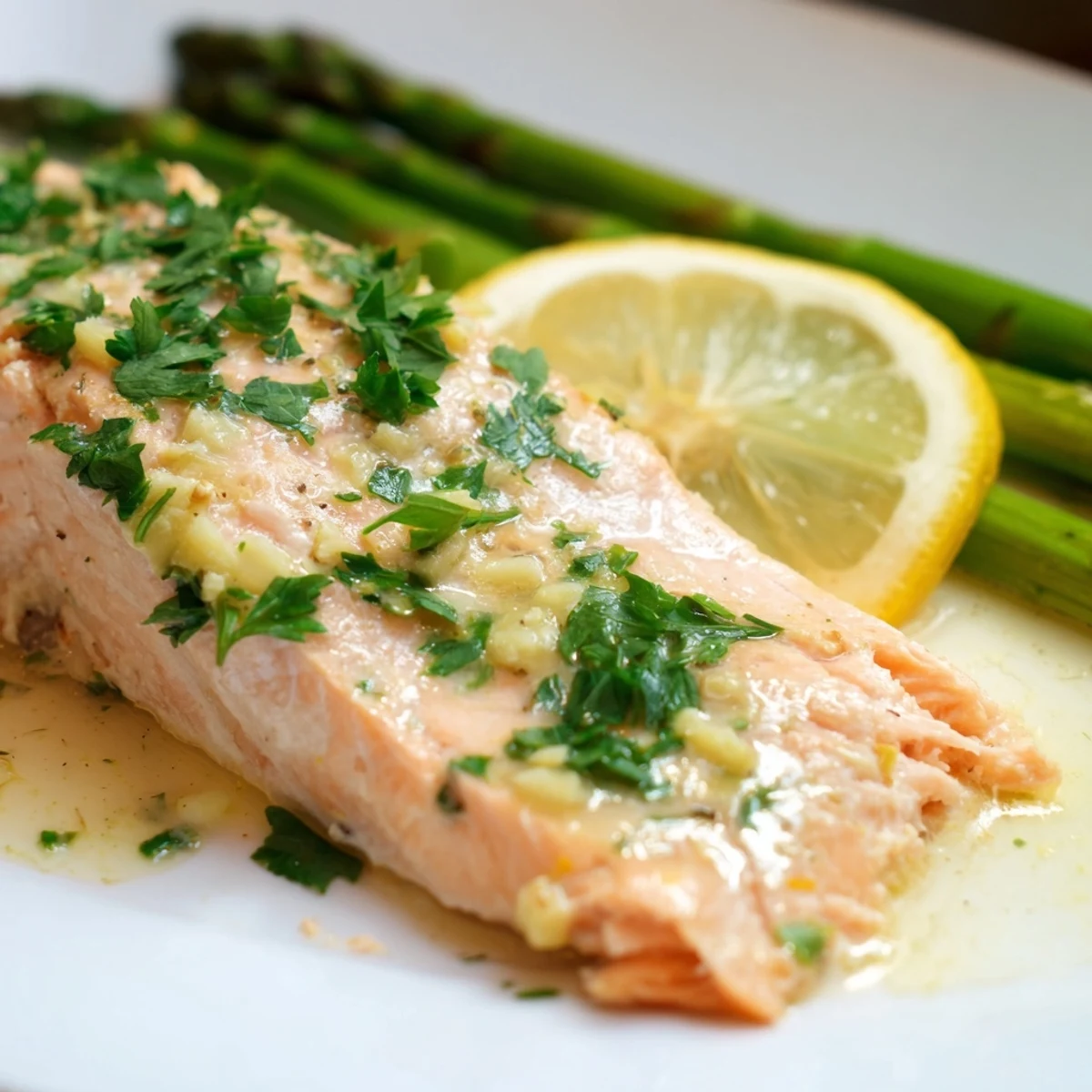
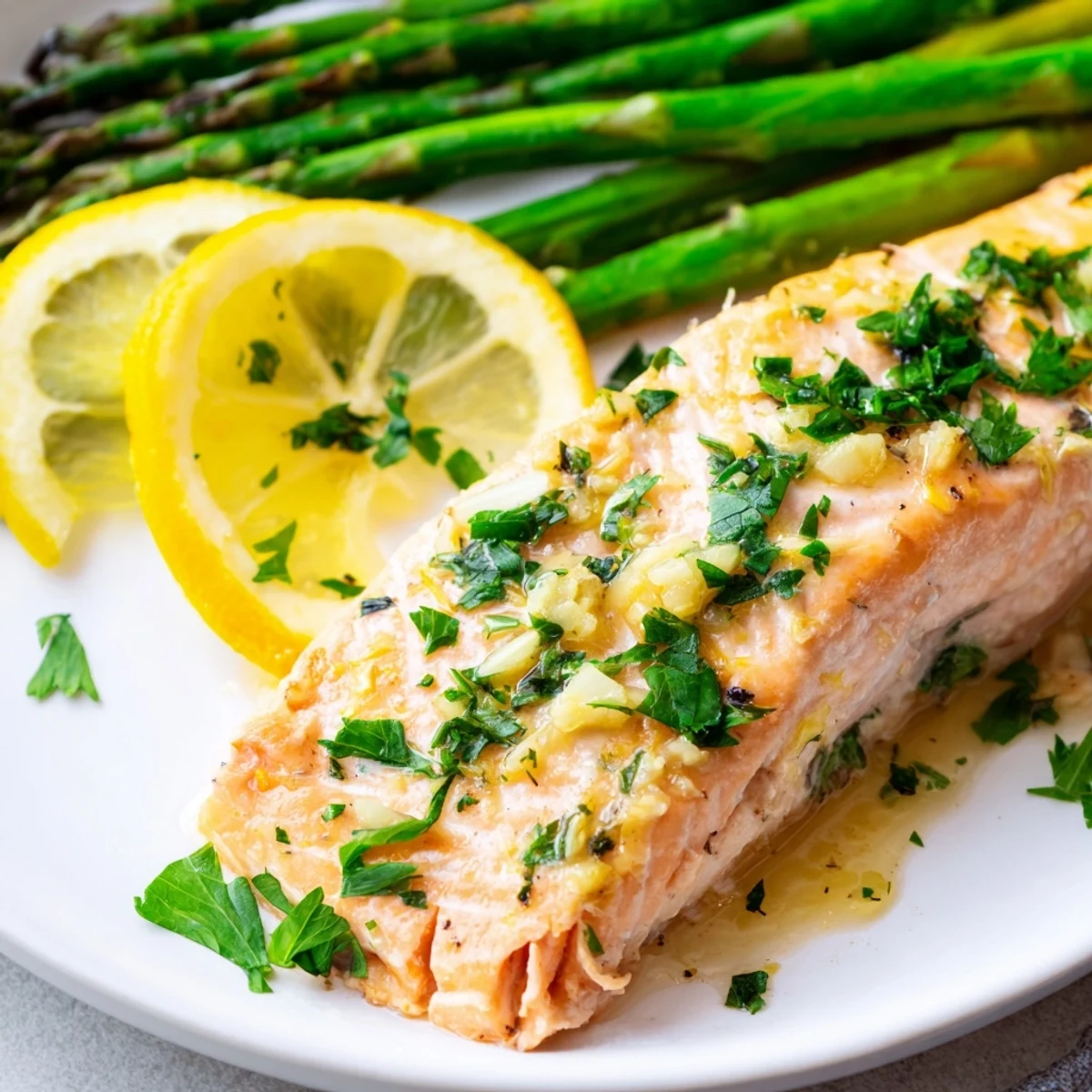
 This dish features succulent salmon fillets coated in a bright lemon garlic butter sauce, paired with fresh asparagus spears. Simply baked until the fish flakes easily and the vegetables are tender-crisp, it’s a quick, elegant meal that highlights bright citrus and aromatic garlic. Garnished with fresh parsley and lemon slices, it brings a perfect balance of richness and freshness to your table. Ideal for a gluten-free, pescatarian dinner that’s simple yet impressive.
There's something about the smell of lemon and garlic hitting a hot pan that makes you feel like you're cooking in a proper kitchen, even if you're just heating your oven. I discovered this salmon recipe on a Tuesday evening when I had exactly twenty-five minutes before friends arrived, and I needed something that looked intentional but didn't require me to panic. The salmon came out golden and tender, the asparagus still had that slight snap to it, and suddenly I wasn't stressed anymore—I was proud.
I made this for my partner's parents the first time they came to our apartment, back when I was still nervous about cooking for people who had actual opinions. My mom had warned me that fish is tricky, but watching their faces when they took that first bite—when they realized the salmon was buttery and the asparagus wasn't mushy—that's when I stopped worrying about whether I was doing it right.
Ingredients
- Salmon fillets (4, about 6 oz each): Skinless ones are easier to handle, and they let the sauce cling better than skin-on would. Room temperature for about ten minutes before cooking makes them cook more evenly.
- Fresh asparagus (1 lb): Look for spears that are bright green and snap when you bend them—that's your guarantee they're fresh. Trim the woody ends by bending each spear until it naturally breaks.
- Unsalted butter (3 tablespoons): The lemon juice will do enough seasoning; salted butter can make things taste metallic if you're not careful.
- Olive oil (3 tablespoons): This keeps the butter from burning and adds richness without heaviness.
- Garlic (4 cloves, minced): Don't use pre-minced—fresh garlic makes a real difference in how the sauce tastes. Mince it small so it distributes evenly.
- Lemon (zested and juiced): Use a microplane for the zest so you get all the flavor without the bitter white pith. Juice it fresh; bottled tastes tinny here.
- Salt and black pepper: Start with what the recipe says, then taste as you go—your palate is your best guide.
- Red pepper flakes (½ teaspoon, optional): A quiet whisper of heat that doesn't overpower, just adds intrigue.
- Fresh parsley (2 tablespoons, chopped): The green finish that makes people think you're fancier than you are.
- Lemon slices for serving: Not just decoration—biting into one while eating the salmon is a small, bright moment.
Instructions
- Set your oven and prep your workspace:
- Heat the oven to 400°F and line a baking sheet with parchment paper or foil. You want this ready before you do anything else so you're not fumbling around later.
- Arrange your proteins and vegetables:
- Place salmon on one side of the sheet and asparagus on the other, so they cook at the same pace. Leave a little space between everything so heat circulates.
- Build the golden sauce:
- Whisk together butter, olive oil, garlic, lemon zest, and juice in a small bowl. This is where the magic lives—you're creating the thing that makes this dish sing.
- Coat everything generously:
- Drizzle the sauce over salmon and asparagus, making sure the asparagus gets tossed so it's evenly coated. Don't be shy here; any excess sauce will caramelize and become even better.
- Bake until everything is perfect:
- Slide the sheet into the oven for twelve to fifteen minutes. You'll know it's done when the salmon flakes gently with a fork and the asparagus has turned a deeper green and is tender but still has backbone.
- Finish and serve:
- Pull everything from the oven, scatter parsley over the top, and arrange lemon slices on the plate. The heat will make the room smell so good your friends will ask for the recipe before they even sit down.
 Save to Pinterest
 I served this to my brother one spring afternoon when he stopped by unexpectedly, and he stayed an extra hour just sitting at the counter, eating leftover asparagus that had cooled down. He said it tasted like something I'd spent all day making, and that's when I realized—this recipe isn't just easy, it's the kind of easy that makes you look like you understand something about feeding people well.
The Lemon Moment
The whole dish hinges on the lemon—not too much that it becomes sour, just enough that it brightens everything and makes your mouth water a little. The zest adds this subtle bittersweet note that mellows in the heat, while the juice cuts through the butter and makes it feel lighter than it is. Fresh lemon is non-negotiable here; it's what separates this from tasting like something you thawed.
Why Asparagus Wants to Cook This Way
Asparagus is one of those vegetables that gets ruined by overthinking it—boil it too long and you've got limp string, roast it too hot and it shrivels. But in a butter sauce at four hundred degrees, it finds a middle ground where it softens just enough to be elegant but stays firm enough to have character. The spears absorb all that garlicky butter and become something different than they would alone.
Making It Yours
This recipe is a template, not a rule book, and once you've made it a few times you'll feel confident bending it to what you have or what you're in the mood for. Swap asparagus for green beans or broccoli if that's what's in your crisper. Add a pinch of red pepper flakes if you like heat, or skip them entirely. The salmon is patient—it'll take any herb you want to throw at it, from dill to thyme to fresh basil.
- If you're short on time, skip the zest and just use juice—it's still delicious, just slightly less complex.
- A minute or two under the broiler at the end gives the salmon a golden crust that feels special without any real effort.
- Serve with whatever starch calls to you: rice to soak up the sauce, quinoa for something lighter, or crusty bread because sometimes bread is the only answer.
 Save to Pinterest
 This dish has become my answer to the question of what to make when I want to feel confident in the kitchen without spending hours there. It's the kind of meal that tastes like care without the stress.
Recipe FAQs
- → Can I use frozen salmon fillets?
-
Yes, but thaw them completely and pat dry before baking to ensure even cooking and best texture.
- → What can I substitute for asparagus?
-
Green beans or broccoli make excellent alternatives and pair well with the lemon garlic butter sauce.
- → How can I get a golden top on the salmon?
-
Broil the salmon for 1–2 minutes at the end of baking to achieve a nicely browned surface.
- → Is this dish suitable for dairy allergies?
-
Substitute the butter with a dairy-free alternative like olive oil or margarine for a suitable option.
- → What wines pair best with this dish?
-
Crisp white wines like Sauvignon Blanc or Pinot Grigio complement the bright lemon and buttery flavors well.