
 Save to Pinterest
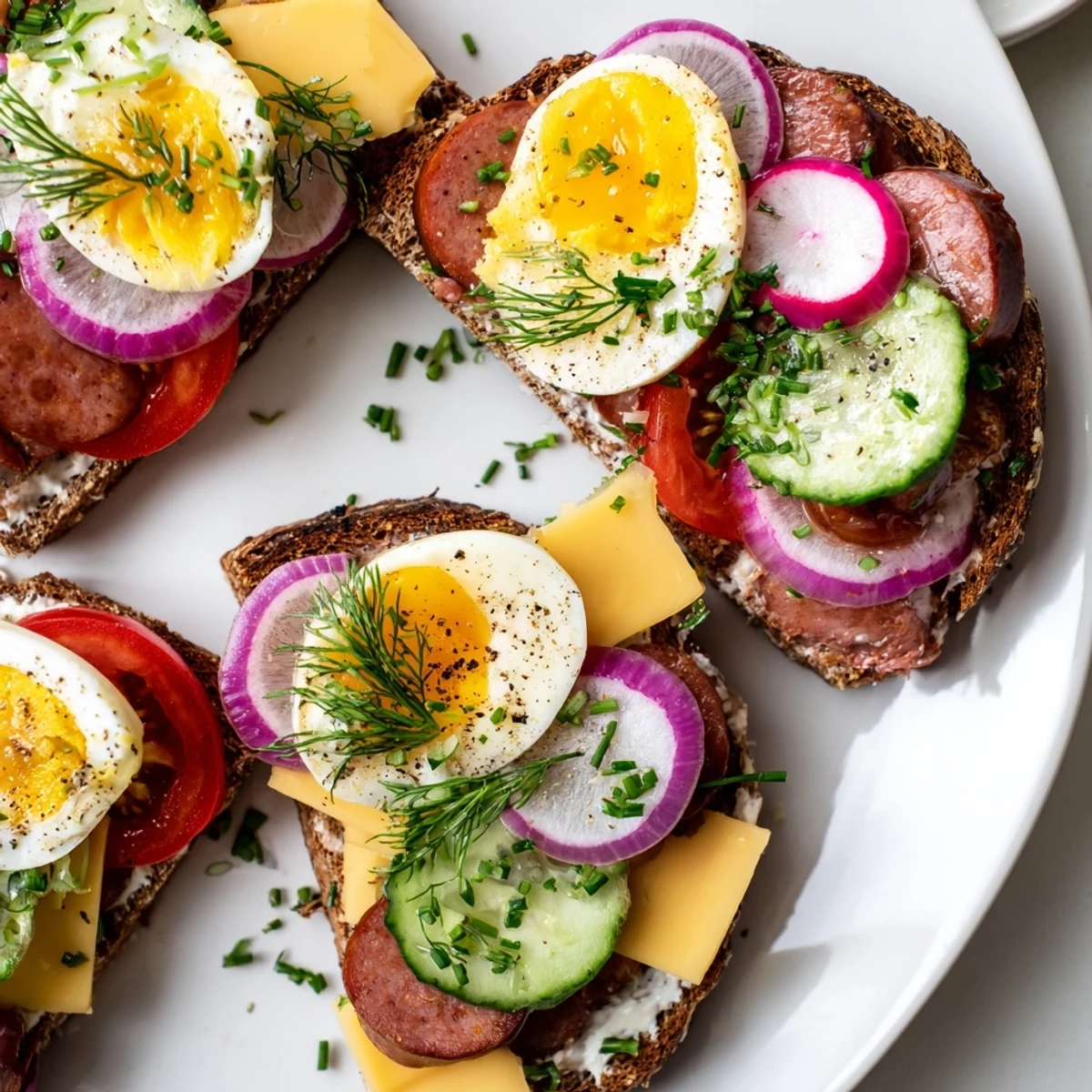
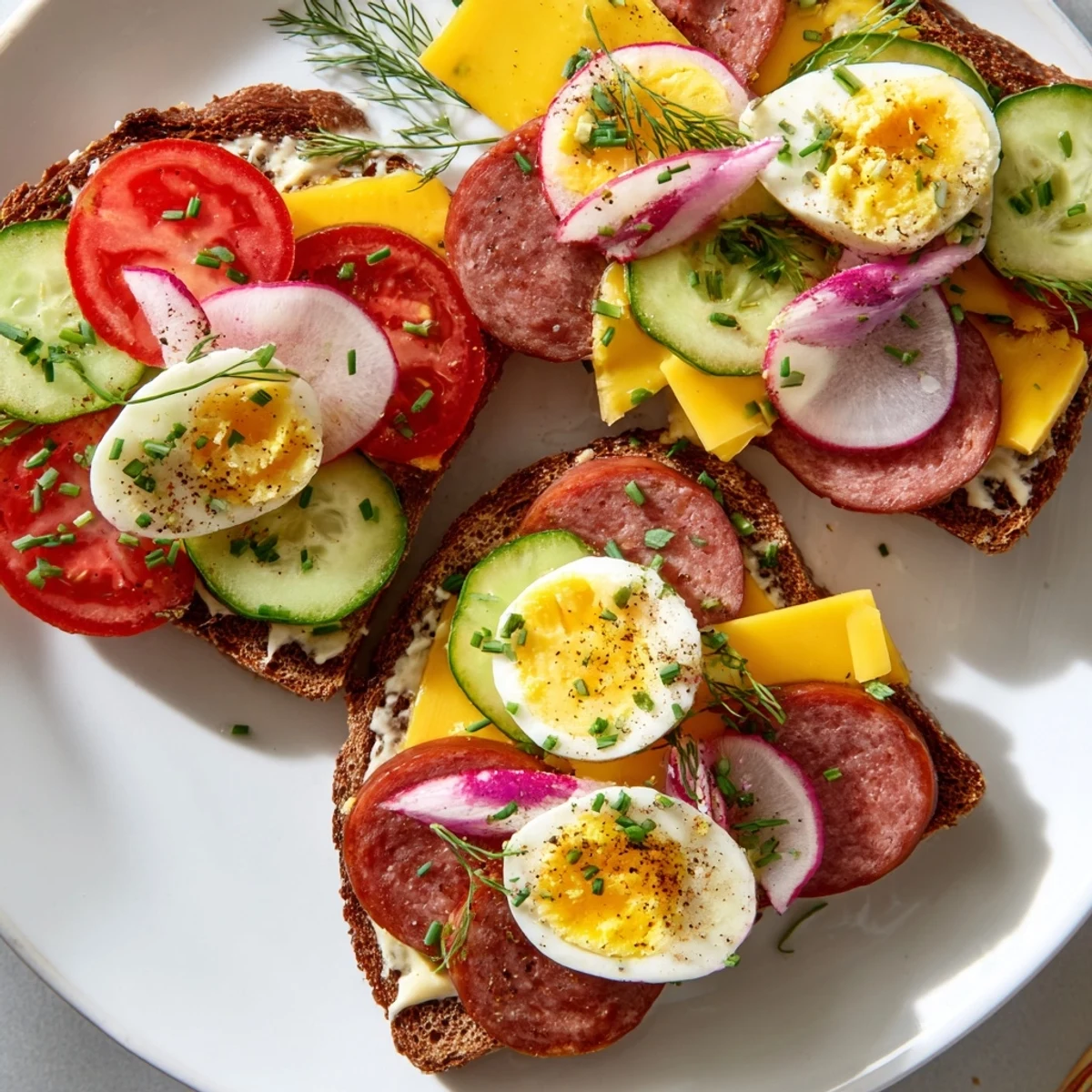
 Open-faced Polish sandwiches, known as kanapki, are a beloved staple of Polish cuisine. Built on slices of hearty rye bread spread with butter or cream cheese, each sandwich is layered with your choice of kielbasa, smoked ham, hard-boiled egg, or yellow cheese.
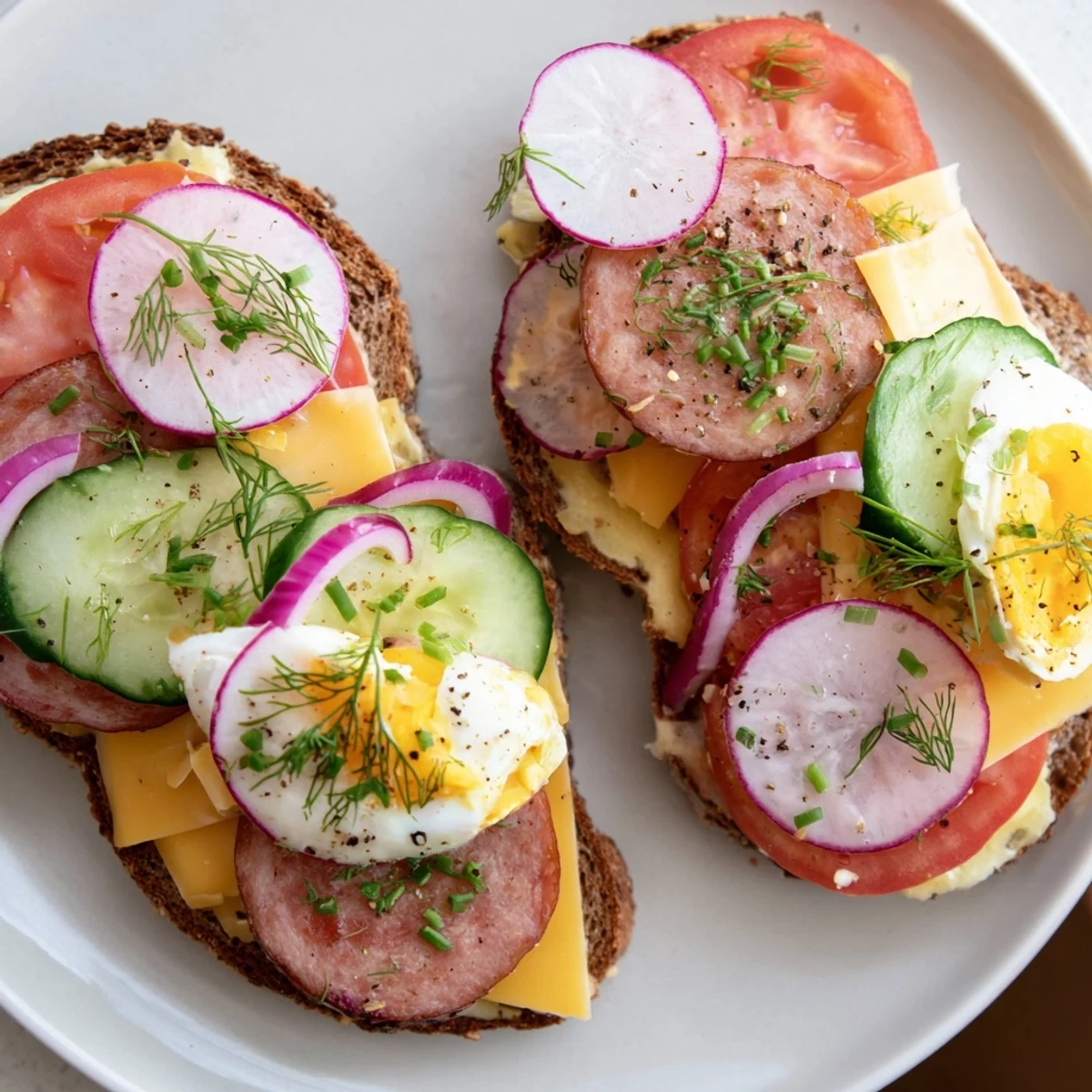
Topped with fresh tomato, cucumber, radish, and red onion, then finished with chives or dill, these colorful sandwiches come together in just 15 minutes with no cooking required.
They're ideal for breakfast, a light lunch, or as an eye-catching party appetizer that guests can customize to their liking.
My babcia never measured anything, and her kanapki were never the same twice, which is exactly what made them magical. She would stand at the kitchen counter on Sunday mornings, slicing whatever remained from the week: a bit of kielbasa, half a tomato, the last wedge of cheese. The bread was always rye, always slightly stale, always perfect.
I once brought a platter of these to a friends potluck and watched three skeptical guests become instant converts after one bite. The crunch of fresh radish against creamy butter on dense rye has a way of disarming people.
Ingredients
- 8 slices rye bread or baguette: Rye is traditional and holds up beautifully under heavy toppings without sagging.
- 3 tbsp unsalted butter, softened: Let it sit out for thirty minutes so it spreads without tearing the bread.
- 2 tbsp cream cheese (optional): A thin layer adds tanginess that pairs especially well with smoked meats.
- 4 slices kielbasa or smoked ham: Good quality Polish kielbasa from a deli makes all the difference.
- 4 slices cooked egg: Cook them just until set so the yolk stays bright, not grey.
- 4 slices yellow cheese (Edam or Gouda): Mild cheeses work best here because they let the other flavors shine.
- 1 tomato, thinly sliced: Use a serrated knife for clean cuts without crushing the flesh.
- 1 small cucumber, thinly sliced: English or Persian cucumbers have fewer seeds and better texture.
- 1/4 red onion, thinly sliced: Soak in ice water for ten minutes if you want a milder bite.
- 8 radishes, thinly sliced: Their peppery snap is what makes kanapki feel alive.
- Fresh chives or dill, chopped: Add these at the very end so their fragrance stays bright.
- Salt and freshly ground black pepper: Season each layer lightly, not just the top.
Instructions
- Lay the foundation:
- Arrange your bread slices on a clean board or platter, giving yourself room to work without crowding.
- Spread with care:
- Use a gentle hand to butter each slice edge to edge, or add a thin swipe of cream cheese alongside.
- Build the base layer:
- Lay down your protein or cheese, one piece per slice, pressing lightly so it adheres to the spread beneath.
- Add the crunch:
- Layer tomato, cucumber, onion, and radish slices on top, letting colors overlap in a casual, generous way.
- Finish with freshness:
- Scatter chopped herbs across everything, then season with salt and pepper to taste.
- Serve right away:
- These are best the moment they are assembled, when the bread is still sturdy and the vegetables are crisp.
 Save to Pinterest
 There is something quietly powerful about a meal that needs no heat, no timing, no special equipment. Just good ingredients and a willingness to slow down long enough to arrange them with a little care.
Bread Makes or Breaks This
I learned the hard way that flimsy sandwich bread turns these into a sad, droopy mess within minutes. You want something with structure and character, a loaf that fights back just slightly when you press it.
Feeding a Crowd Without Stress
Set out all the toppings in small bowls and let people build their own. It turns preparation into part of the gathering, and nobody complains about getting the wrong toppings.
Small Details, Big Rewards
The best kanapki I have ever eaten came from a roadside stand near Krakow, where an old woman handed me one on a paper napkin and changed my entire understanding of simple food.
- A light sprinkle of flaky salt on the vegetables transforms the whole sandwich.
- Horseradish cream on the base layer adds unexpected warmth.
- Always make two more than you think you need because they disappear fast.
 Save to Pinterest
 Keep it simple, keep it fresh, and let each ingredient speak for itself. That is the whole philosophy of kanapki, and honestly, it works.
Recipe FAQs
- → What type of bread works best for kanapki?
-
Traditional Polish kanapki are made with dense rye bread or a crusty baguette. Sourdough and wholegrain breads also work beautifully, providing a sturdy base that holds up well under the toppings without becoming soggy.
- → Can I prepare these sandwiches ahead of time?
-
You can prepare the individual components in advance — slice vegetables, cook eggs, and cut the bread. However, assemble them just before serving to keep the bread fresh and the vegetables crisp. Pre-assembled sandwiches can be covered and refrigerated for up to 2 hours.
- → What are traditional toppings for Polish open sandwiches?
-
Classic toppings include sliced kielbasa, smoked ham, hard-boiled egg, yellow cheese like Edam or Gouda, fresh cucumber, tomato, radish, and red onion. Fresh herbs such as chives or dill are essential for authentic flavor.
- → Are kanapki served warm or cold?
-
Kanapki are typically served cold or at room temperature. This makes them incredibly convenient for buffets, picnics, and gatherings since they don't require reheating or any cooking at all.
- → How do I make vegetarian versions of these sandwiches?
-
Simply skip the kielbasa and ham, and focus on toppings like hard-boiled egg slices, cheese, and plenty of fresh vegetables. Adding pickles, horseradish, or a spread of cream cheese with herbs creates satisfying flavor without any meat.
- → What beverages pair well with Polish open sandwiches?
-
Traditional pairings include hot black tea, which is deeply embedded in Polish culture, or a crisp cold lager. For non-alcoholic options, sparkling water with lemon or a light kompot fruit drink complements the savory toppings nicely.