
 Save to Pinterest
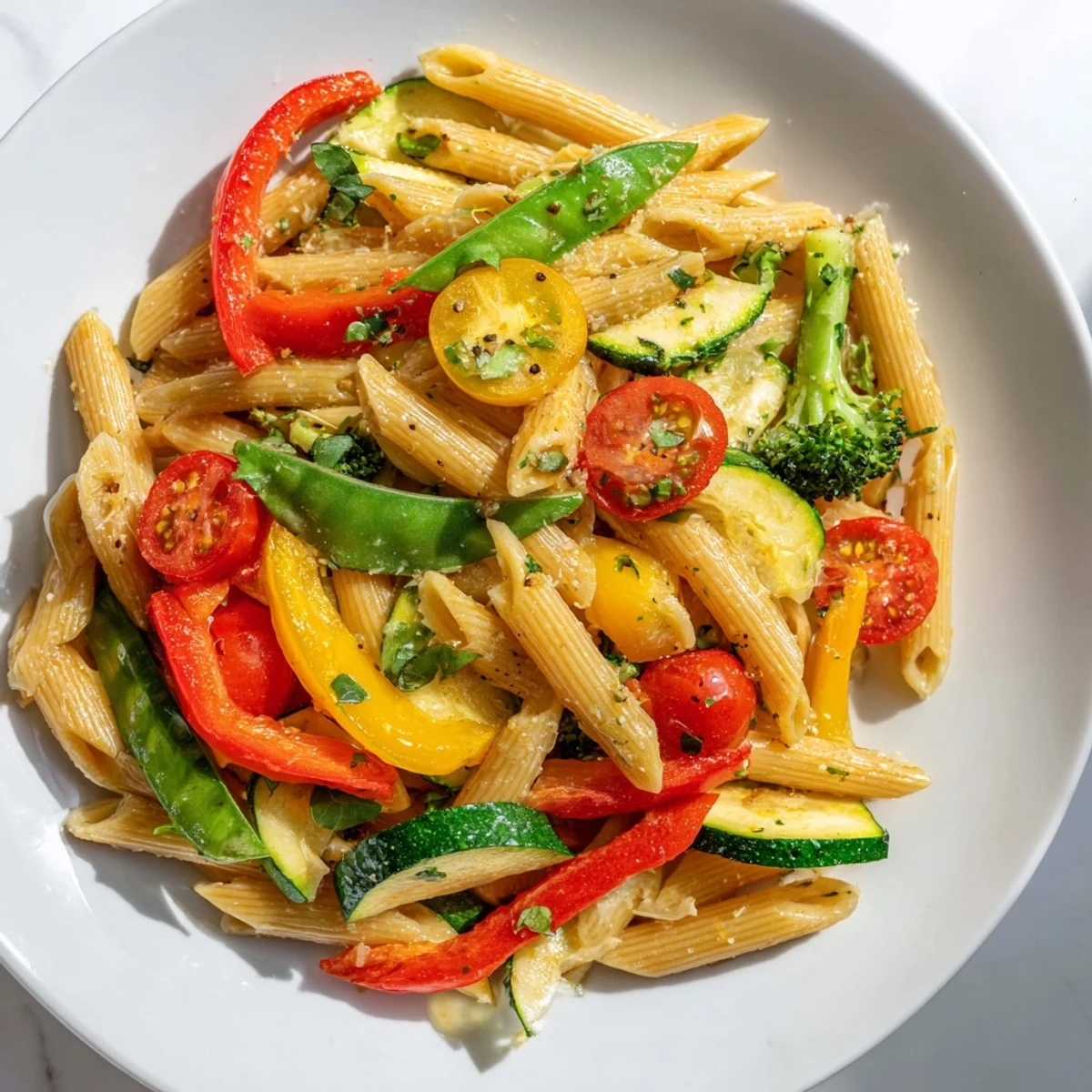
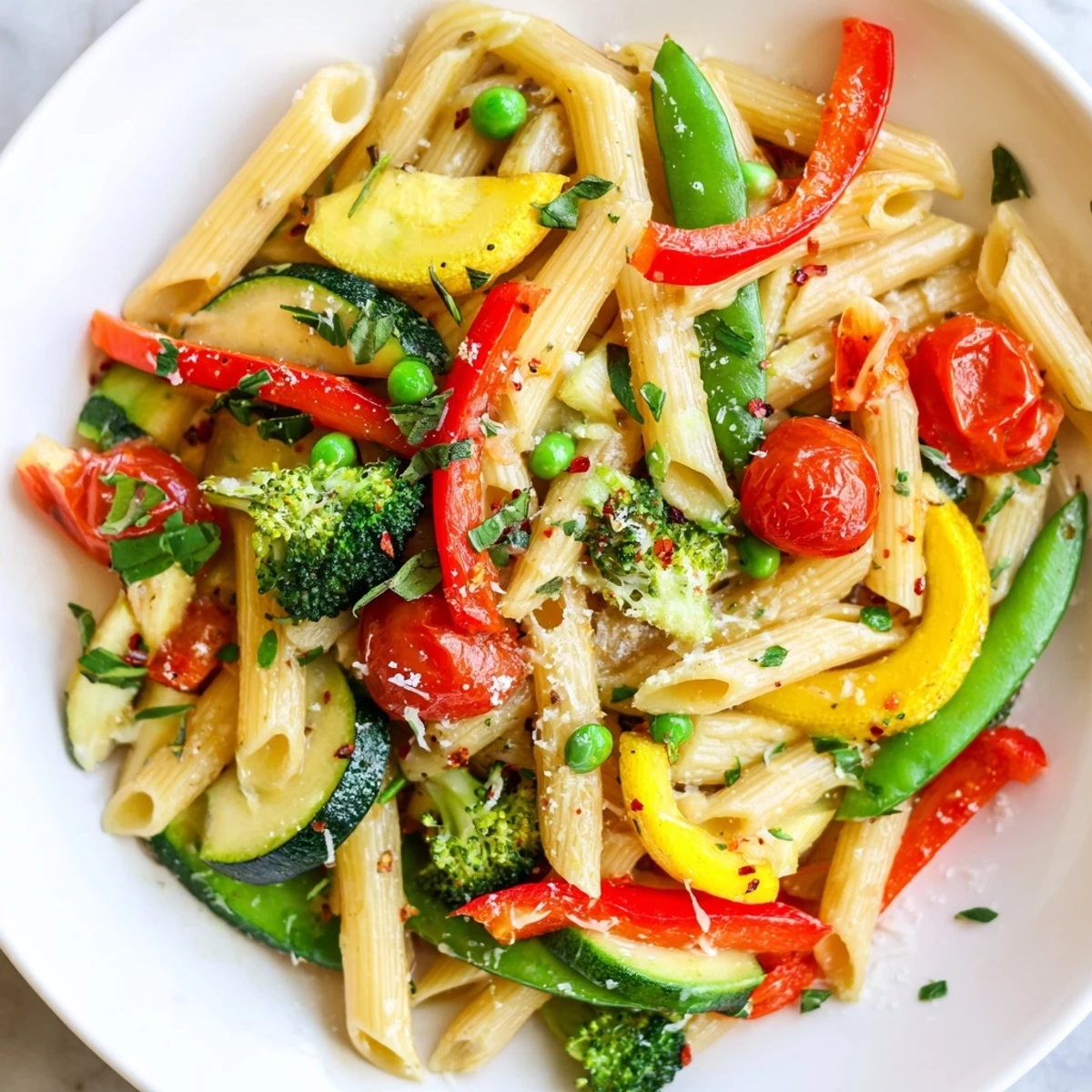
 This vibrant Italian classic combines perfectly cooked pasta with an array of fresh spring vegetables including zucchini, yellow squash, bell peppers, cherry tomatoes, sugar snap peas, and broccoli florets. The vegetables are sautéed until tender-crisp, then combined with the pasta in a light, aromatic sauce featuring garlic, olive oil, vegetable broth, and fresh lemon juice. Fresh basil and parsley add brightness, while Parmesan cheese brings a savory finish. The entire dish comes together in just 40 minutes, making it ideal for weeknight dinners or casual entertaining.
The first time I made pasta primavera, I was working at a little Italian restaurant where the chef would snap fresh green beans in half while explaining that 'primavera' isn't really about following a strict recipe. It's about whatever looks beautiful at the market that morning, bright and crisp and screaming of spring.
Last spring, my neighbor brought over a basket of vegetables from her garden and I threw together this primavera with whatever she gave me. We ate on the back porch while her kids ran around, and she admitted she usually overcooks her vegetables until they're sad and limp. Seeing her face light up at that perfect crunch made me realize how many people have never tasted vegetables done right.
Ingredients
- 400 g penne or spaghetti: I prefer penne because those ridges catch every drop of sauce, but spaghetti works beautifully too
- 1 small zucchini, sliced: Don't slice too thin or they'll turn to mush in the pan
- 1 small yellow squash, sliced: These add such lovely sweetness and color contrast to the green vegetables
- 1 red bell pepper, julienned: The pop of red makes everything feel more celebratory
- 1 cup cherry tomatoes, halved: They burst slightly and create these little pockets of brightness throughout
- 1 cup sugar snap peas, trimmed: These stay satisfyingly crunchy and look like little green jewels
- 1 cup broccoli florets: Cut them small so they cook quickly but still hold their shape
- 3 tablespoons extra virgin olive oil: This becomes the base of your silky sauce
- 3 cloves garlic, minced: Don't brown it or it'll turn bitter
- 1/2 teaspoon crushed red pepper flakes: Optional, but I love that subtle heat that creeps up on you
- 1/2 cup vegetable broth: Creates steam while cooking the vegetables
- Juice of 1 lemon: Brightens everything and cuts through the olive oil
- 1/4 cup grated Parmesan cheese: Save some extra for serving because everyone always wants more
- Salt and freshly ground black pepper: Taste as you go and trust your palate
- 2 tablespoons fresh basil leaves: Tear them by hand for more rustic edges
- 2 tablespoons fresh parsley: Adds fresh grassy notes that balance the rich vegetables
Instructions
- Get your pasta water going first:
- Bring a large pot of salted water to a boil. Cook the pasta until it's al dente, usually about a minute less than the package says. Before draining, scoop out 1/2 cup of that starchy pasta water. It's liquid gold for bringing your sauce together.
- Start your aromatic base:
- While the pasta cooks, heat olive oil in a large skillet over medium heat. Add the garlic and red pepper flakes if you're using them. Let them sizzle for just one minute until fragrant, but don't let the garlic brown or it'll taste bitter.
- Add the harder vegetables first:
- Toss in the zucchini, squash, bell pepper, and broccoli. These need more time to soften. Sauté for 4 to 5 minutes, stirring occasionally. You want them tender but still with some resistance when you bite into them.
- Add the quick cooking vegetables:
- Throw in the cherry tomatoes and sugar snap peas. These only need 2 to 3 minutes. The tomatoes should start to blister and the snap peas should turn bright green. Listen for that satisfying sizzle sound.
- Build the sauce:
- Pour in the vegetable broth and lemon juice. Let everything simmer for 2 minutes. The liquid will reduce slightly and coat the vegetables. Season with salt and pepper now, but remember the Parmesan will add saltiness too.
- Bring it all together:
- Add the drained pasta to the skillet along with the Parmesan. Splash in some of that reserved pasta water if the sauce feels too tight. Toss everything vigorously with tongs. The starch from the pasta water will create a silky, glossy coating that clings to every piece.
- Finish with fresh herbs:
- Turn off the heat and stir in the fresh basil and parsley. Taste your creation and adjust the seasoning if needed. This is your last chance to balance the flavors before serving.
- Plate it up:
- Serve immediately in warm bowls. Top with extra Parmesan and maybe another sprinkle of fresh herbs if you're feeling fancy. The pasta should look glossy and the vegetables should still have that beautiful vibrant color.
 Save to Pinterest
 This pasta became my go-to for dinner parties after I served it to my skeptical Italian friend who told me afterward she couldn't believe I wasn't Italian. The way the vegetables keep their individual personalities while being tied together by that lemony sauce is just magic. It's the dish that proves simple ingredients, treated with respect, can compete with anything fancy.
Choosing Your Vegetables
I've learned that primavera works with whatever vegetables look best at the market. Sometimes I use asparagus in early spring, or corn and peas in summer. The key is cutting everything to similar sizes so they cook evenly. Avoid vegetables that release too much water, like mushrooms, unless you cook them separately first.
Making It Yours
This recipe is incredibly forgiving. I've added sun dried tomatoes for depth, or tossed in some roasted red peppers from a jar when fresh ones weren't available. The lemon is non negotiable though, that acid is what makes the vegetables sing. Sometimes I finish with a drizzle of really good olive oil right before serving.
Serving Suggestions
A crisp white wine like Pinot Grigio cuts through the olive oil beautifully. I like serving this with a simple green salad dressed with nothing but lemon juice and good olive oil. The freshness complements without competing. A crusty baguette for soaking up any sauce left on the plate is never a mistake.
- Let the pasta rest for 2 minutes after tossing so the sauce really clings
- Grate your Parmesan fresh instead of using pre grated, it melts better
- If making ahead, undercook the pasta slightly since it will absorb more sauce
 Save to Pinterest
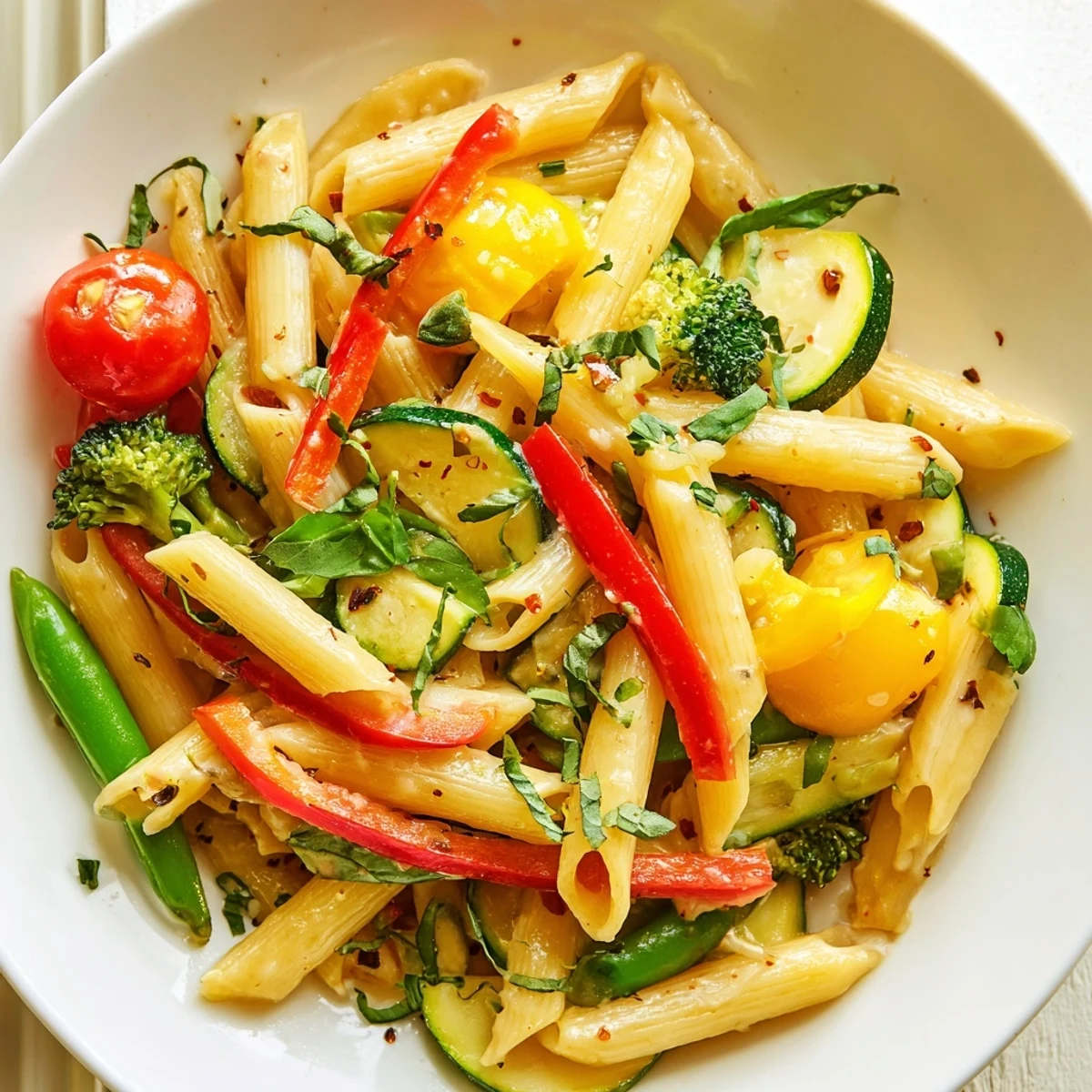
 There's something deeply satisfying about a bowl of pasta primavera, colorful and vibrant and full of life. It's comfort food that doesn't weigh you down, the kind of meal that makes you feel nourished in every way.
Recipe FAQs
- → What vegetables work best in pasta primavera?
-
Spring vegetables like zucchini, yellow squash, bell peppers, cherry tomatoes, sugar snap peas, and broccoli work beautifully. Feel free to substitute based on seasonal availability or personal preference.
- → Can I make pasta primavera gluten-free?
-
Yes, simply substitute regular pasta with your favorite gluten-free pasta variety. The cooking time may vary slightly, so check the package instructions.
- → How do I prevent the vegetables from becoming mushy?
-
Sauté the harder vegetables first (zucchini, squash, broccoli, bell peppers) for 4-5 minutes, then add softer vegetables like cherry tomatoes and snap peas for just 2-3 minutes. This maintains texture and color.
- → What pasta shapes work well with primavera?
-
Penne, spaghetti, fusilli, or farfalle all work wonderfully. The key is choosing a shape that holds the sauce and vegetables well. Short pasta with ridges is particularly good for catching the light sauce.
- → Can I add protein to make it more filling?
-
Absolutely. Grilled chicken, sautéed shrimp, or chickpeas make excellent additions. Add cooked protein during the final tossing step so it heats through without overcooking.
- → How should I store and reheat leftovers?
-
Store in an airtight container in the refrigerator for up to 3 days. Reheat gently in a skillet with a splash of water or broth, adding more fresh herbs before serving to refresh the flavors.