
 Save to Pinterest
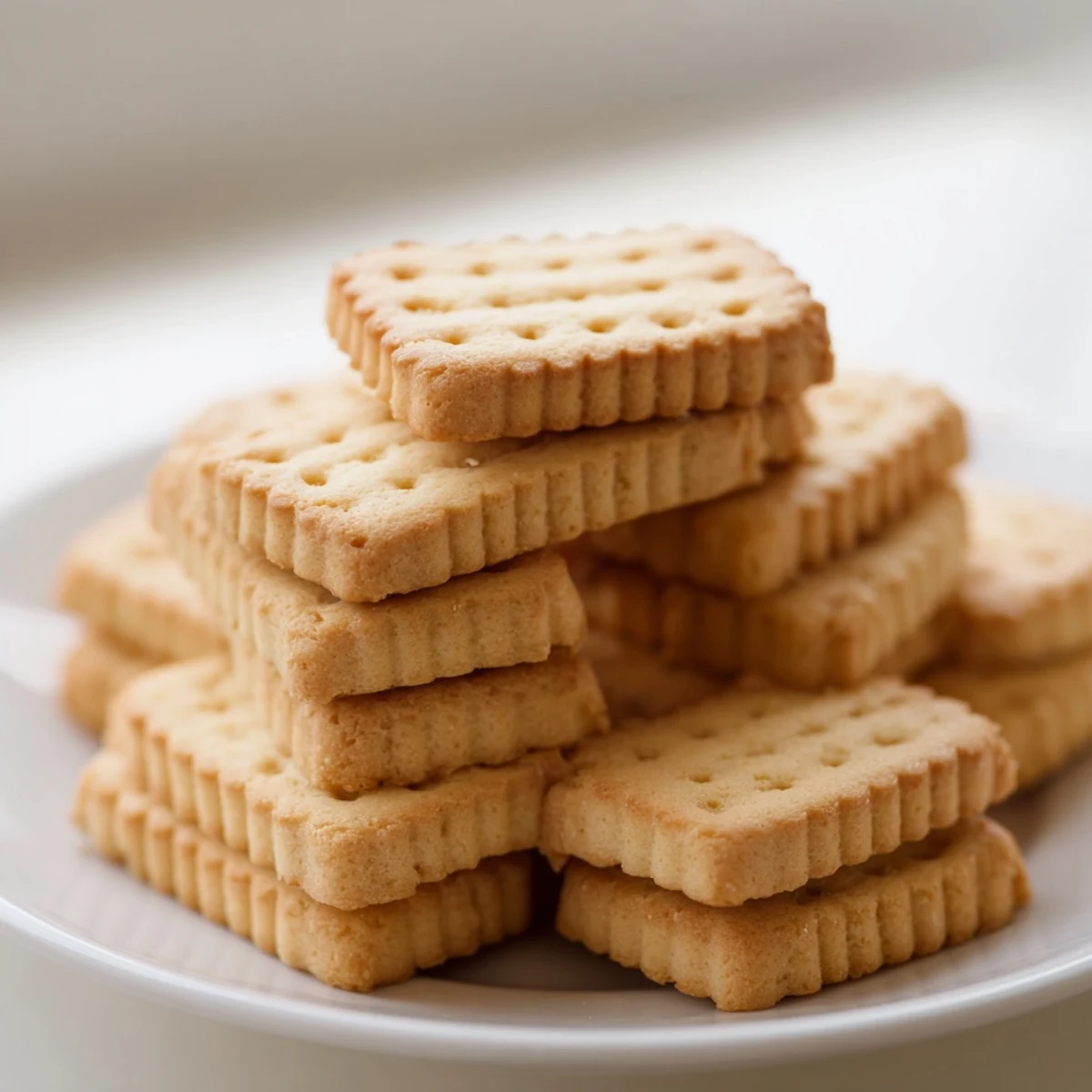
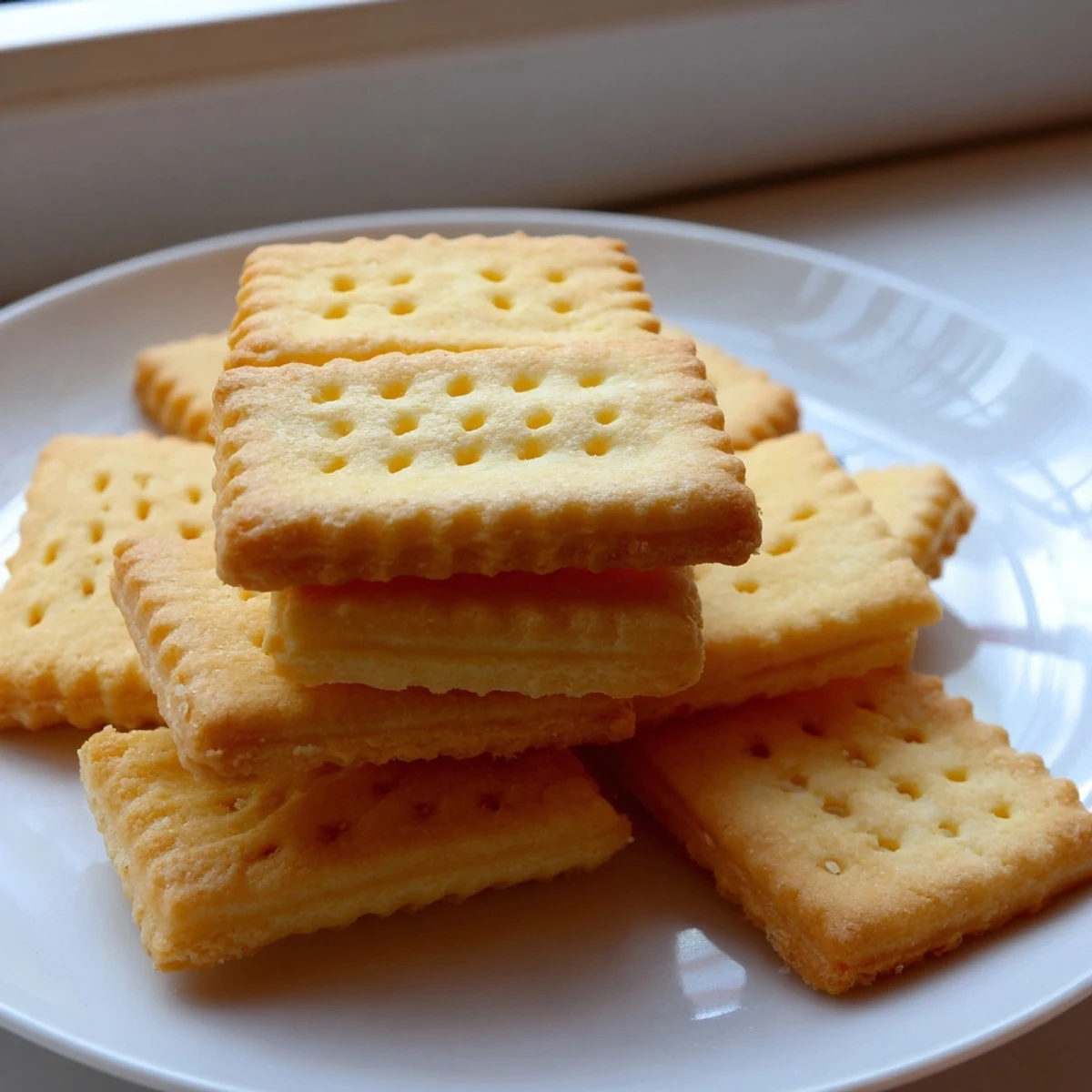
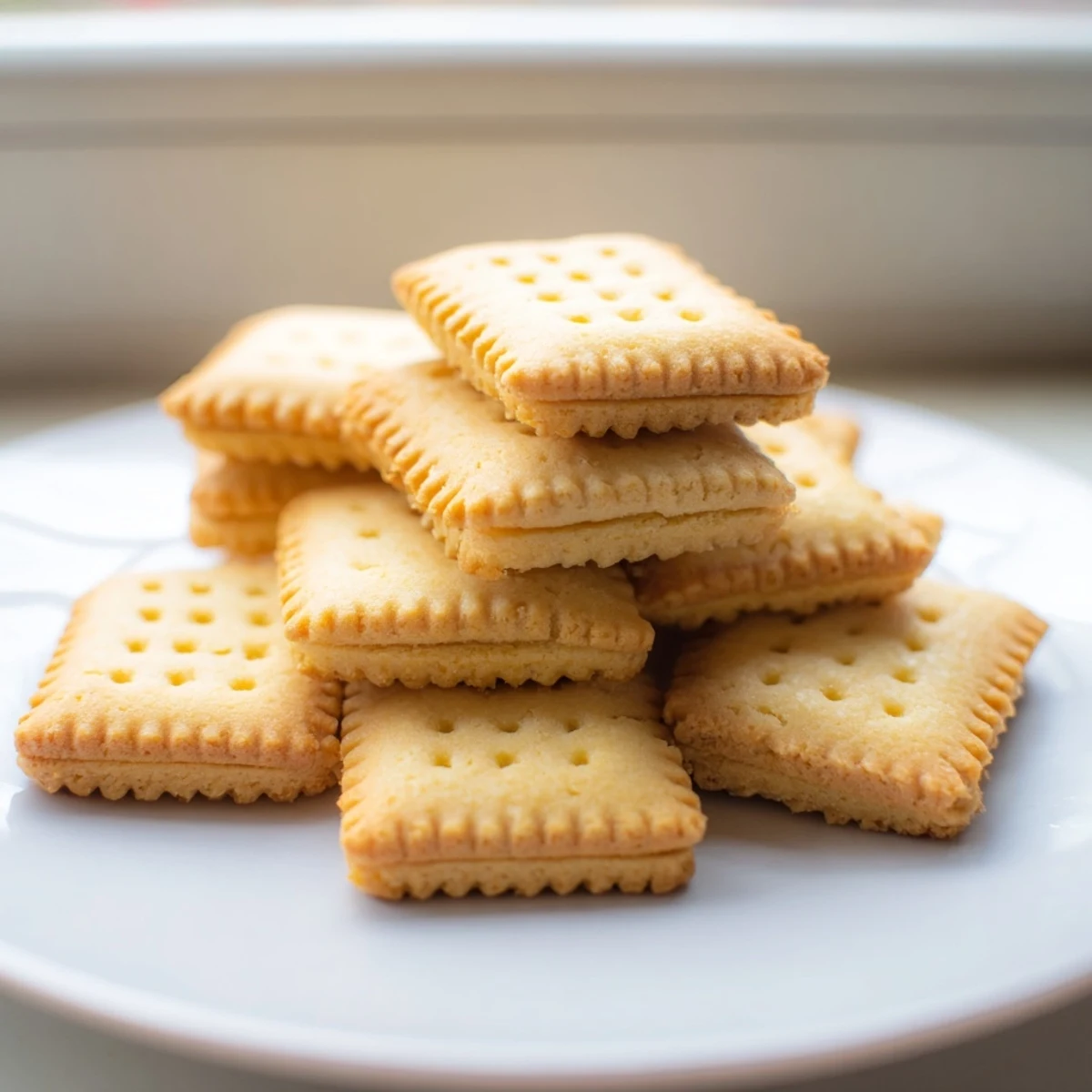
 Le petit beurre est un biscuit français emblématique, reconnaissable à sa forme rectangulaire cannelée et ses petits trous caractéristiques.
Préparé avec des ingrédients simples — farine, beurre doux, sucre et une touche de vanille — il offre une texture croustillante et dorée, idéale pour accompagner un thé ou un café.
La pâte nécessite un repos d'une heure au réfrigérateur pour faciliter le façonnage et garantir un résultat optimal. Une fois découpés et piqués à la fourchette, les biscuits cuisent en seulement 12 minutes au four à 180°C.
Vegetarien et facile à réaliser, ce biscuit se conserve parfaitement une à deux semaines dans une boîte hermétique.
The smell of browning butter always stops me mid thought, and that is exactly how I found myself anchored to the stove one rainy Tuesday, making petit beurre for the first time since a trip to Normandy years ago.
My neighbor Claire once knocked on my door holding a jar of bitter orange marmalade, declaring she needed biscuits worthy of it within the hour.
Ingredients
- 200 g all purpose flour: The backbone of the dough, and plain flour keeps the texture snap rather than chewy.
- 100 g granulated sugar: Just enough sweetness without tipping into cookie territory.
- 100 g unsalted butter: Melted gently with the milk so the dough comes together without creaming, keeping the crumb tender.
- 50 ml whole milk: Whole milk adds a subtle richness that water simply cannot replicate.
- 5 g baking powder (half a packet): A tiny lift so the biscuits are not brick hard, but still have that satisfying snap.
- 1 pinch of salt: Salt sharpens the vanilla and keeps the sugar honest.
- 1 vanilla bean (or 1 packet vanilla sugar): Scraping a real bean into the warm butter is a small luxury that transforms the entire batch.
Instructions
- Melt and marry the wet ingredients:
- Warm the butter with the milk in a saucepan over low heat until the butter is just liquid, then stir in the sugar and scraped vanilla seeds until nothing grainy remains.
- Let the mixture cool slightly:
- Pour the warm liquid into a mixing bowl and give it a few minutes so it does not cook the flour on contact.
- Bring the dough together:
- Add the flour, baking powder, and salt all at once, then stir with a wooden spoon until a smooth cohesive dough forms and pulls away from the sides of the bowl.
- Rest the dough:
- Shape the dough into a flat disc, wrap it tightly in plastic film, and refrigerate for at least one hour so it firms up enough to roll cleanly.
- Preheat the oven:
- Set your oven to 180 degrees Celsius on conventional static heat and line a baking sheet with parchment paper.
- Roll and cut:
- Roll the chilled dough on a lightly floured surface to about 3 or 4 millimeters thick, then stamp out rectangles with a scalloped cutter for that classic petit beurre look.
- Prick and bake:
- Arrange the biscuits on the prepared sheet, poke each one a few times with a fork for the traditional dotted pattern, and bake for 12 minutes until the edges turn a warm gold.
- Cool on a rack:
- Transfer the biscuits to a wire rack immediately so air circulates underneath and they crisp evenly as they cool.
 Save to Pinterest
 After that afternoon with Claire, a tin of petit beurre became a permanent fixture on my kitchen counter, each one a small excuse to put the kettle on.
A Few Words on Variations
A tablespoon of finely grated lemon zest folded into the dry ingredients gives the biscuits a brightness that pairs beautifully with Earl Grey tea.
Storing Them Properly
An airtight tin kept in a cool dry spot is all these need to stay crisp for a full week, sometimes two if the lid seals well.
Allergens and Nutrition at a Glance
Each biscuit weighs in at roughly 52 calories, which makes it easy to have two without a second thought.
- The recipe contains gluten from the flour and dairy from the butter and milk.
- Check your packaging if you are baking for someone with nut allergies, as cross contamination is always possible.
- Half dipping the cooled biscuits in melted dark chocolate turns them into something almost too elegant for a Tuesday afternoon.
 Save to Pinterest
 Some recipes earn a place in your routine not because they impress, but because they simply make an ordinary afternoon feel a little softer and sweeter.
Recipe FAQs
- → Pourquoi faut-il laisser reposer la pâte au réfrigérateur ?
-
Le repos au frais pendant une heure permet au beurre de se solidifier, ce qui rend la pâte plus facile à étaler et à découper. Il aide également au développement des saveurs et garantit que les biscuits ne s'étalent pas à la cuisson.
- → Peut-on remplacer le beurre doux par du beurre demi-sel ?
-
Oui, le beurre demi-sel convient parfaitement et apporte même une saveur légèrement salée très agréable qui se marie bien avec le sucre. Dans ce cas, vous pouvez omettre la pincée de sel indiquée dans les ingrédients.
- → Comment obtenir la forme traditionnelle du petit beurre ?
-
Utilisez un emporte-pièce rectangulaire cannelé, qui reproduit les bords dentelés caractéristiques du petit beurre. Piquez ensuite chaque biscuit avec une fourchette pour créer les petits trous traditionnels avant de les enfourner.
- → Quelle épaisseur idéale pour étaler la pâte ?
-
Étalez la pâte sur une épaisseur de 3 à 4 mm. Une pâte trop épaisse donnera des biscuits trop mous, et une pâte trop fine les rendra secs et cassants. Un rouleau à pâtisserie avec des bagues calibrées peut vous aider à obtenir une épaisseur régulière.
- → Comment bien conserver les petits beurre maison ?
-
Placez-les dans une boîte hermétique à température ambiante, à l'abri de l'humidité. Ils se conservent ainsi une à deux semaines. Évitez le réfrigérateur qui ramollirait leur texture croustillante.
- → Peut-on parfumer la pâte autrement qu'à la vanille ?
-
Absolument. Vous pouvez ajouter une cuillère à soupe de zestes de citron pour une touche agrumes, ou remplacer la vanille par de l'extrait d'amande, de la cannelle ou de la cardamome selon vos préférences.