
 Save to Pinterest
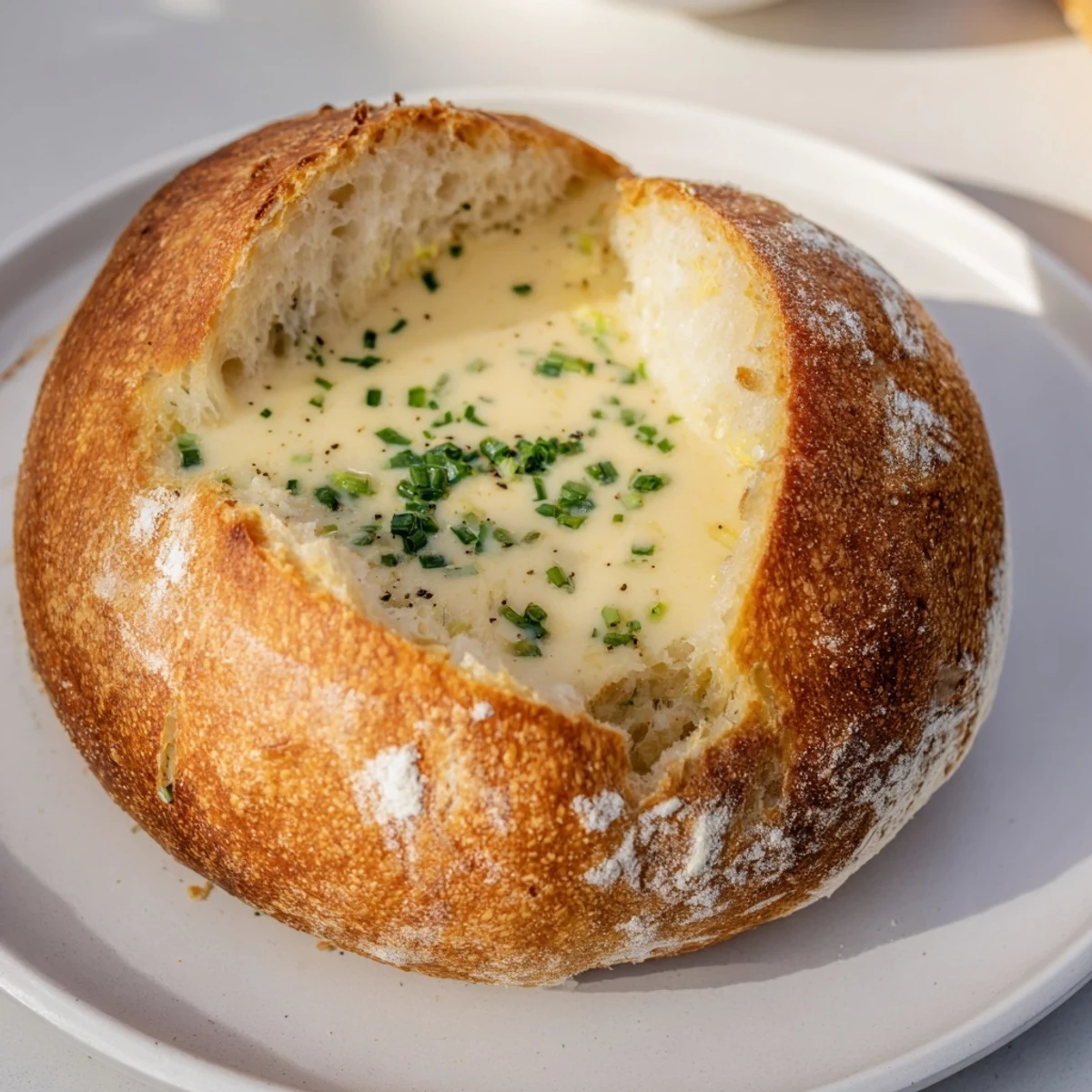
 This rustic sourdough loaf offers a tangy crust and chewy interior, crafted for hearty meals. The dough combines bread flour, active sourdough starter, water, and salt, undergoing an extended fermentation for depth of flavor. After shaping and resting, the rounds bake covered then uncovered for a golden finish. Once cooled, the bread tops are sliced and hollowed to create bowls perfect for serving soups, stews, or dips. Techniques like stretch-and-fold and precise temperature control ensure an artisan texture and taste. Optional tips include overnight refrigeration and whole wheat flour for added complexity.
Discovering the rustic sourdough bread bowl was like stumbling upon a hidden treasure in my kitchen. The tangy aroma and crusty exterior promised something truly special, perfect for cozy dinners and sharing with friends.
I remember the first surprise dinner when unexpected guests arrived, and I quickly whipped up this bread bowl filled with hearty soup. The smiles and compliments made it a beloved staple ever since.
Ingredients
- Bread flour: I reach for this high-protein flour because it gives the bread its perfect chew and structure every time.
- Active sourdough starter: Using a lively, 100& hydration starter imparts that signature tang and helps the rise.
- Lukewarm water: This helps activate the starter without killing the yeast, making for a perfect fermentation.
- Fine sea salt: I avoid coarse salt here for even distribution that balances the flavors.
- Extra flour for dusting: It keeps the dough from sticking during shaping and proofing.
Instructions
- Get Everything Ready:
- Measure your flour and water carefully and mix them just until combined. The dough might look rough but don&t worry—this resting period will make it easier to work with later.
- Mix and Build Flavor:
- Add your sourdough starter and salt, then mix until the dough forms a shaggy ball. The tang starts developing here with every fold.
- Knead and Stretch:
- Turn the dough onto a floured surface and either knead or do gentle stretch-and-folds for 5 to 8 minutes until smooth and elastic. You&ll feel the dough soften and the smell deepen.
- First Rise:
- Place the dough in a lightly oiled bowl, cover it, and let it rise at room temperature for several hours. Stretch and fold every 30 minutes for the first two hours to build structure and strength.
- Shape Your Bowls:
- Divide the dough into two pieces and shape each into a tight round. This seals those lovely air bubbles inside.
- Final Proof:
- Place each loaf seam-side up in a floured basket or bowl. Cover and either refrigerate overnight for tanginess or let proof at room temperature until puffy.
- Heat Things Up:
- Preheat your oven to 230°C (450°F) and prepare your Dutch oven or baking stone. The heat will give the crust that irresistible crunch.
- Bake:
- Transfer the scored dough carefully onto parchment and into the hot vessel. Bake covered for 20 minutes to trap steam, then uncovered to crisp the crust.
- Cool & Hollow Out:
- Let the loaves cool fully on a wire rack to finish the crust. When ready, slice off the tops and scoop out the center to create your bread bowl ready for any filling.
 Save to Pinterest
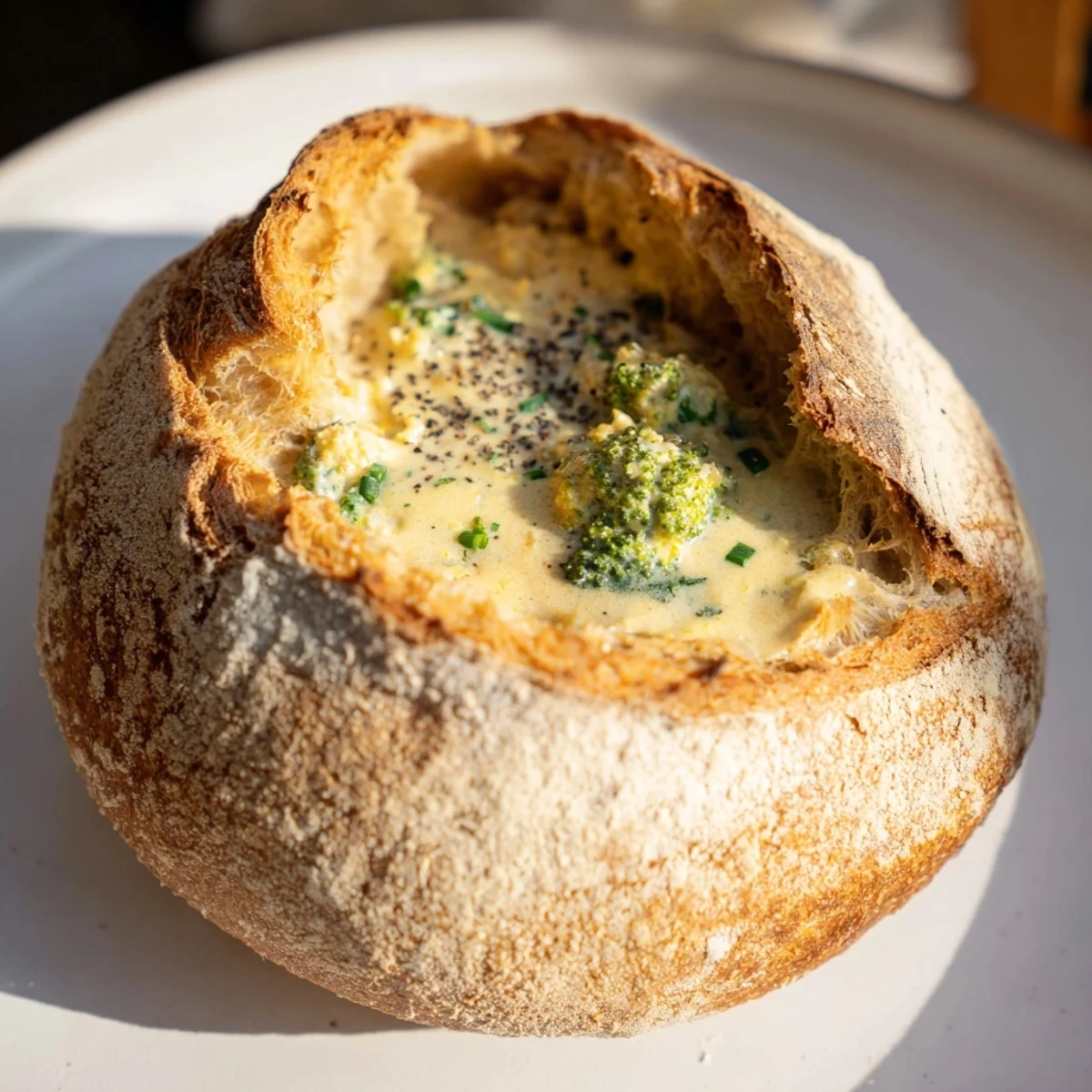
 This bread bowl became more than food one chilly evening when it saved a gathering by warming everyone with soup and a story baked right into the crust.
Keeping It Fresh
Wrapping the bread bowl in a clean towel the day after baking keeps it crisp on the outside and chewy inside. Toasting leftover cubes up turns them into irresistible croutons.
Serving Ideas That Clicked
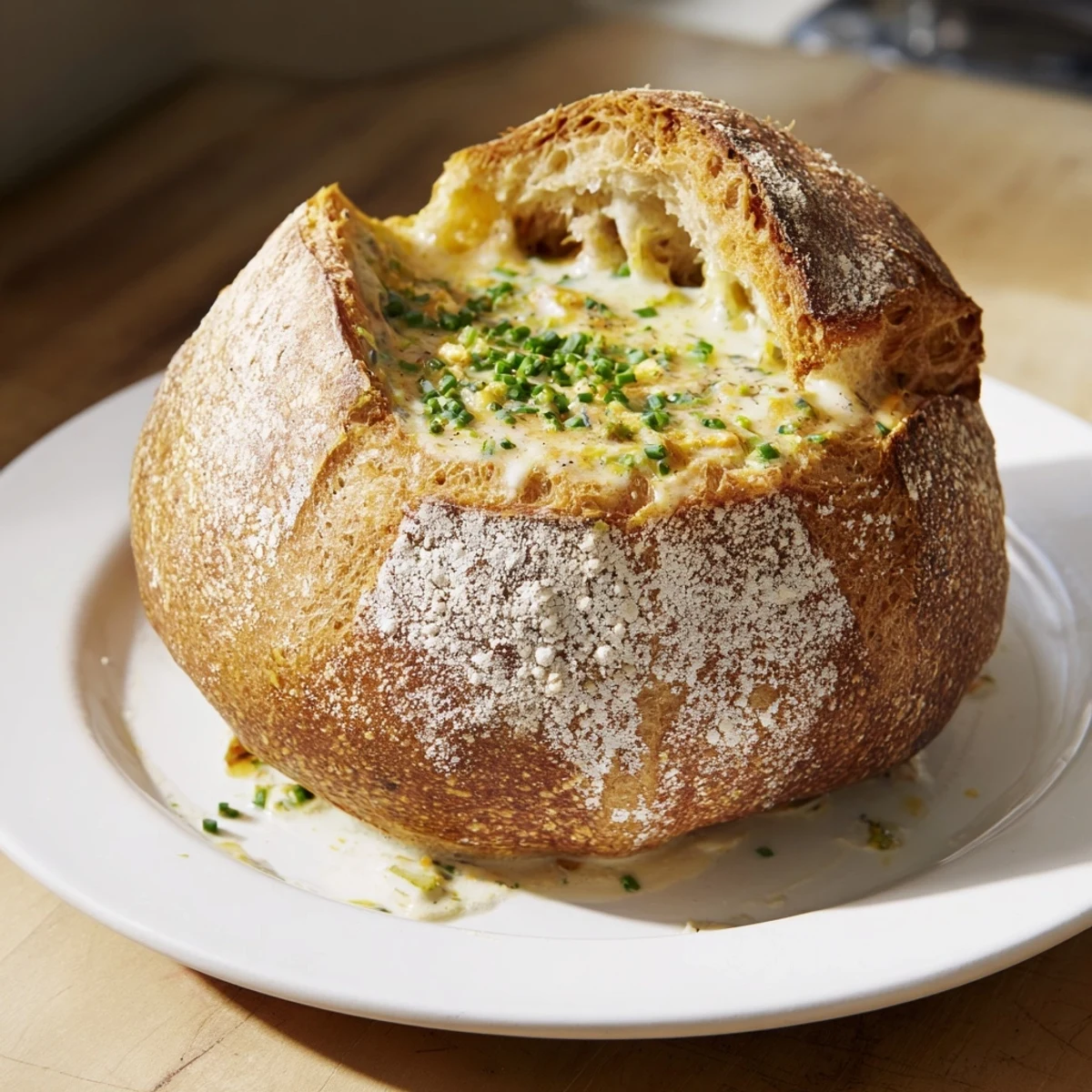
Chunky chowders, roasted tomato soups, or rich vegan stews all shine when served inside this sturdy sourdough bowl—it&s like a warm hug on a plate every time.
A Time This Recipe Saved the Day
The memorable night when last-minute guests called, this bread bowl was my quick fix that looked impressive and tasted like hours in the kitchen.
- Remember to save the hollowed bread for croutons or breadcrumbs.
- If you miss proofing in the fridge, a longer room temp rise works too.
- Keep your starter healthy to ensure every bake is a success.
 Save to Pinterest
 Thanks for hanging out in the kitchen with me—may every bake fill your home with warmth and good company.
Recipe FAQs
- → What makes sourdough bread tangy?
-
The tangy flavor comes from natural fermentation by wild yeast and lactic acid bacteria in the sourdough starter, developing over long rising times.
- → How do I get a chewy interior in sourdough?
-
Proper hydration, kneading or stretch-and-folds, and adequate fermentation create an elastic gluten network, resulting in a chewy crumb.
- → Why bake covered then uncovered?
-
Baking covered traps steam early on for crust development, while uncovering later ensures a deep golden, crisp exterior.
- → Can I use whole wheat flour for this bread?
-
Yes, substituting up to 20% whole wheat flour adds nuttiness without compromising structure and rise significantly.
- → How do I shape the bread to hold fillings?
-
Shape tight rounds and hollow the centers after baking, leaving a sturdy 2–3 cm wall to contain soups, stews, or dips.