
 Save to Pinterest
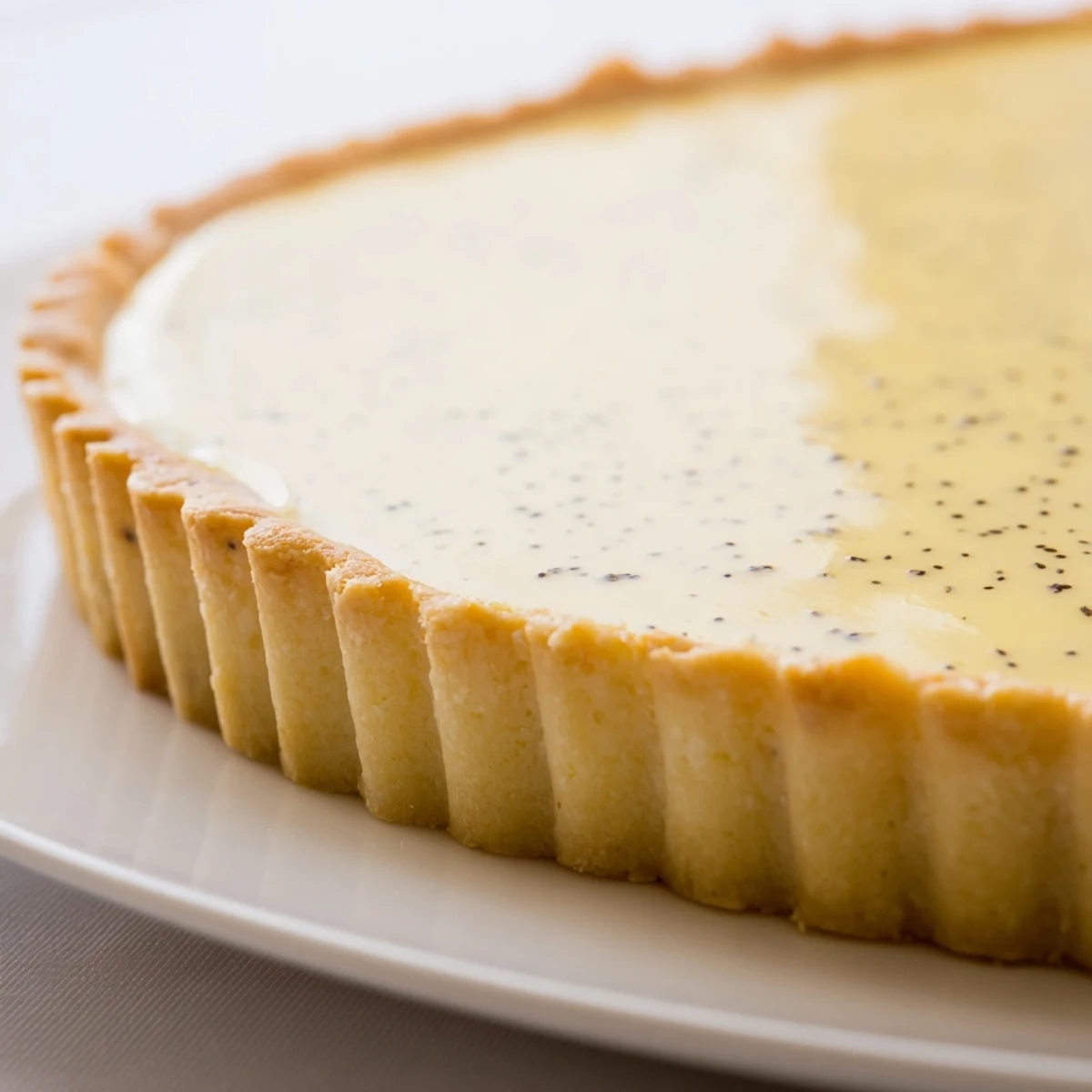
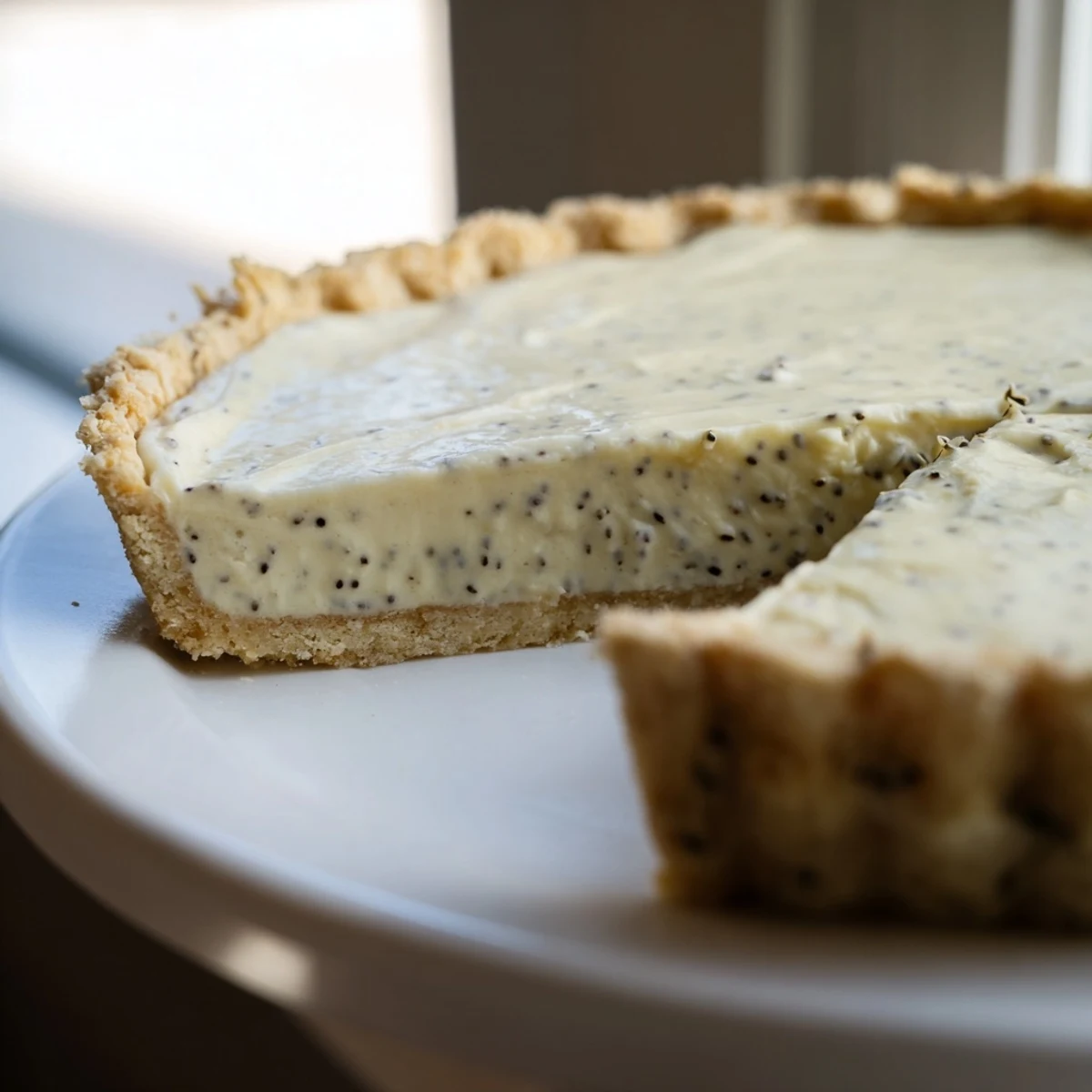
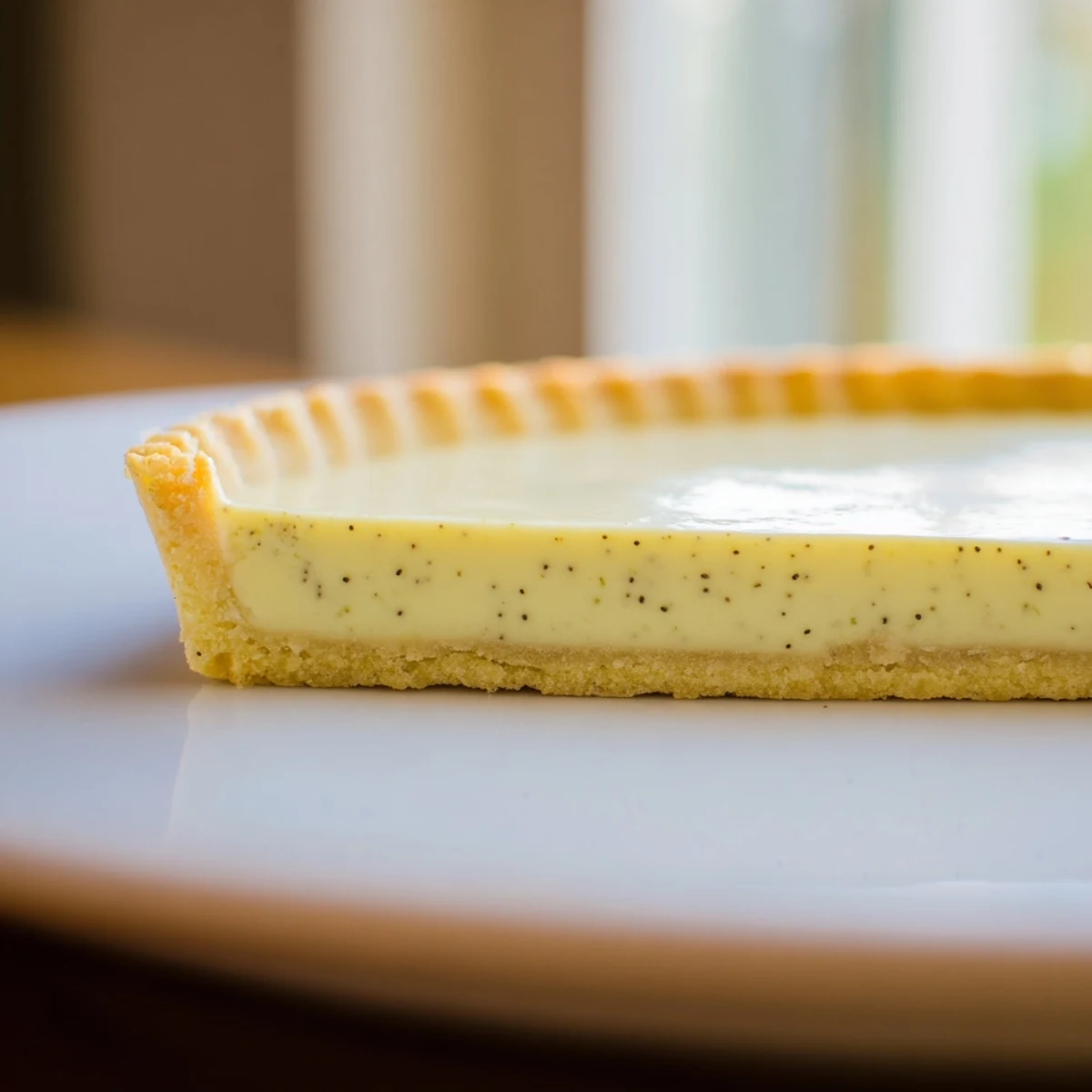
 This elegant dessert combines a crisp, buttery pastry crust with a velvety vanilla bean custard filling. The crust uses cold butter and egg yolks for a tender, flaky texture, while the creamy filling features fresh vanilla bean seeds for intense aromatic flavor. After baking the shell until golden, you'll whisk together egg yolks, sugar, and cornstarch, then combine with scalded milk to create the silky pastry cream. The filling chills until set before being spread into the cooled crust. Serve plain or garnish with fresh berries and a dusting of powdered sugar for a stunning presentation.
The rain was falling outside my tiny Paris apartment kitchen when I first attempted a vanilla bean tart from scratch. I'd spent a small fortune on that vanilla bean, my hands shaking slightly as I split the pod and scraped out those precious black seeds. Something about the ritual of it made me feel like I was cooking alongside generations of pastry makers, even though I was just a twenty-something with a dream and a very small oven.
My friend Sophie arrived just as the tart was cooling on the windowsill. She'd had a terrible week at work, and I watched her face soften as she caught the vanilla wafting through the room. We sat on the floor with tea and ate still slightly warm slices, not speaking much, just letting the butter and vanilla work their quiet magic.
Ingredients
- All purpose flour: Forms the foundation of your crust, providing structure without being too tough
- Cold unsalted butter: Essential for creating those flaky layers that make a tart crust sing
- Powdered sugar: Dissolves more easily than granulated sugar, giving the crust a tender crumb
- Fine sea salt: Balances the sweetness and enhances all the flavors
- Egg yolk: Adds richness and helps bind the dough together
- Ice water: Brings the dough together without activating gluten too much
- Whole milk: Creates a luscious base for the pastry cream
- Vanilla bean: The star of the show, those tiny seeds pack incredible flavor
- Egg yolks: Thicken the cream and provide that silky smooth texture
- Granulated sugar: Sweetens the filling just enough to let vanilla shine
- Cornstarch: The thickening agent that transforms milk into velvety pastry cream
- Unsalted butter: Whisked in at the end for extra gloss and richness
Instructions
- Make the dough:
- Pulse flour, powdered sugar, and salt in a food processor until combined, then add cold butter and pulse until you see coarse crumbs
- Bind it together:
- Add the egg yolk and pulse again, then drizzle in ice water a tablespoon at a time just until the dough begins to clump
- Chill thoroughly:
- Press the dough into a disk, wrap it tightly, and refrigerate for at least an hour so the gluten relaxes
- Preheat and prep:
- Heat your oven to 350°F and roll the dough out on a floured surface until it's about 1/8 inch thick
- Line the pan:
- Gently press the dough into your tart pan, trim any overhang, and prick the bottom all over with a fork
- Blind bake:
- Line with parchment, fill with pie weights, and bake for 15 minutes before removing weights and baking 8 to 10 minutes more until golden
- Infuse the milk:
- Heat milk with the scraped vanilla bean and pod until just simmering, then let it steep for 10 minutes
- Whisk the yolks:
- Beat egg yolks, sugar, cornstarch, and salt until pale and thick
- Temper carefully:
- Slowly pour hot milk into the yolks while whisking constantly, then return everything to the pot
- Cook until thick:
- Whisk over medium heat for 2 to 3 minutes until large bubbles form and the cream is thick
- Finish and chill:
- Remove from heat, whisk in butter until glossy, cover with plastic directly on the surface, and refrigerate until cold
- Assemble the tart:
- Spread the cold pastry cream into your cooled crust and top with fresh berries if you like
 Save to Pinterest
 Years later, I made this tart for my daughter's birthday. She watched with wide eyes as I scraped the vanilla bean, declaring it the most beautiful thing she'd ever seen. Some recipes become more than food, they become touchstones, memories made edible and served on pretty plates.
Getting That Perfect Crust
I learned the hard way that warm butter is the enemy of flaky pastry. Keep everything cold, work quickly, and don't panic if the dough seems slightly dry. It should just barely come together, holding its shape when you press it between your fingers. Overworking the dough develops gluten, leading to a tough crust that fights back instead of melting away.
The Secret To Silky Pastry Cream
Tempering the eggs is where most people get nervous, and rightly so. Pour too fast and you'll have scrambled eggs in vanilla sauce. Go agonizingly slow, whisking furiously with one hand while pouring with the other. The moment you see thick bubbles that pop with a soft puff sound, you're there. Keep whisking for another full minute to cook out the starch.
Make Ahead Magic
The beauty of this tart is that each component can be prepared in advance. The dough freezes beautifully for up to a month. The pastry cream keeps for two days in the fridge, actually developing deeper vanilla flavor over time. Simply bring everything to cool room temperature before assembling. This means you can host a dinner party without spending the entire evening in the kitchen.
- Brush the cooled crust with melted white chocolate before filling for extra flavor and a moisture barrier
- Let the finished tart sit at room temperature for 20 minutes before serving for the best texture
- Use vanilla bean paste if you can't find whole beans, it has those gorgeous specks too
 Save to Pinterest
 A vanilla bean tart is never just a tart. It's a testament to patience, to the magic of simple ingredients treated with care. Serve it to someone you love, preferably on a rainy afternoon with time to linger over every bite.
Recipe FAQs
- → Can I prepare the components ahead of time?
-
Yes, both the tart crust dough and pastry cream can be made up to 2 days in advance. Wrap the dough tightly in plastic and refrigerate. Store the pastry cream with plastic wrap pressed directly onto the surface to prevent a skin from forming. Assemble the tart shortly before serving for the best texture.
- → What's the difference between using vanilla bean versus vanilla extract?
-
Vanilla bean provides intense aromatic flavor with beautiful visible specks throughout the cream. The seeds deliver a more complex, floral taste compared to extract. If using vanilla bean paste instead of whole beans, you'll still get those signature specks and robust flavor. Pure extract works in a pinch but the result will be slightly less fragrant.
- → Why do I need to chill the dough before rolling?
-
Chilling the dough allows the flour to hydrate fully and the butter to firm up, which prevents shrinking during baking. Cold butter also creates flaky layers as it melts in the oven. Without proper chilling, the dough may become sticky and difficult to work with, plus it won't hold its shape as well when baked.
- → Can I use different fruits for topping?
-
Absolutely. Fresh strawberries, raspberries, blueberries, or sliced stone fruits like peaches and plums all pair beautifully with vanilla cream. Seasonal fruits work wonderfully—try figs in autumn or citrus segments in winter. Arrange them artistically on top just before serving for the most appealing presentation.
- → How do I know when the pastry cream is thick enough?
-
The custard is ready when it bubbles gently and coats the back of a spoon. You should be able to run your finger through the coating on the spoon and leave a clean trail. This usually takes 2-3 minutes of constant whisking over medium heat. Avoid overcooking, which can cause the eggs to scramble and make the texture grainy.
- → What's the purpose of pie weights when blind baking?
-
Pie weights prevent the tart crust from puffing up or slumping down during baking. Since the crust is baked without filling first (called blind baking), the weights help it maintain its shape. You can use metal pie weights, dried beans, or even uncooked rice as weights. The crust needs to be fully golden and crisp before adding the moist cream filling.