
 Save to Pinterest
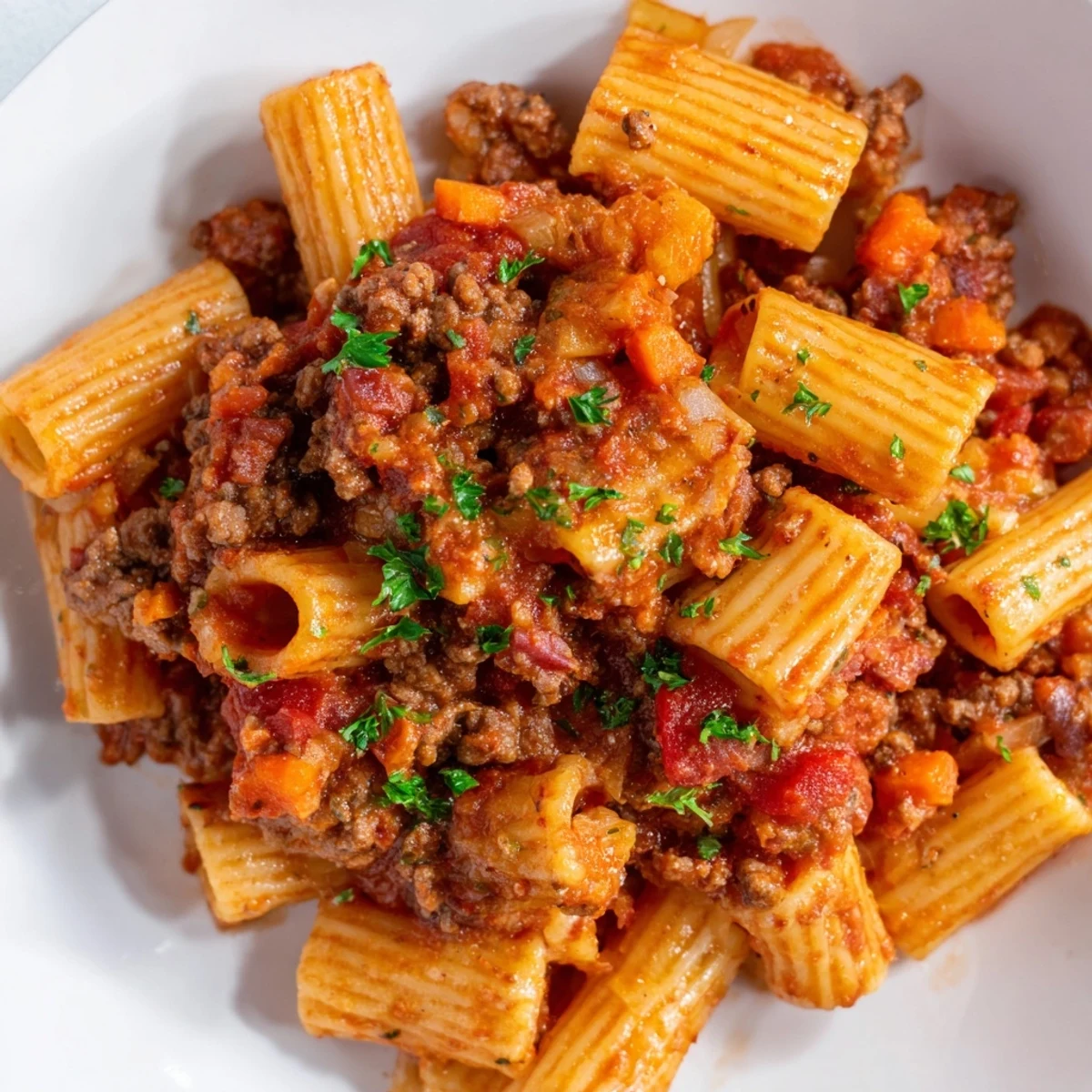
 This slow-simmered Italian meat sauce blends ground beef, pancetta, and aromatic vegetables with crushed tomatoes, red wine, and herbs. Cooking gently over several hours allows the ingredients to meld into a rich and hearty sauce. Perfectly balanced with herbs like oregano and basil, and finished with fresh parsley, it enhances your favorite pasta dishes with deep, savory flavors and satisfying texture.
There's something almost meditative about setting up a slow cooker in the morning, knowing that by dinner time, your kitchen will smell like an Italian grandmother's home. I discovered this ragu on a rainy Sunday when I'd invited friends over but had no energy for hovering over a stove all afternoon. Six hours of gentle simmering transformed a handful of ingredients into something that tasted like it had been simmering for days. That sauce became the reason my friends started asking me to host more dinners.
I made this for my neighbor once when her family was going through a tough time, and she called me three days later asking for the recipe because her kids had actually finished their plates without complaint. That moment taught me that good food isn't just about taste—it's about giving people something warm to hold onto when life feels heavy. Now whenever I make this sauce, I think about that and pour a little extra care into it.
Ingredients
- Ground beef: Use good quality meat with a bit of fat—it contributes richness that lean beef won't give you, and the fat renders down into the sauce as it cooks.
- Pancetta or smoked bacon: Don't skip this; it adds a savory depth that makes people ask what your secret is, and you'll keep that secret to yourself.
- Onion, carrots, and celery: This trio, called soffritto in Italian cooking, is the aromatic foundation—sauté them until they're truly soft and slightly caramelized before anything else goes in.
- Garlic: Fresh minced garlic added after the vegetables ensures it doesn't burn and bitter—timing matters here.
- Crushed tomatoes: San Marzano is worth the extra cost if you can find it, but any quality crushed tomato will work beautifully.
- Tomato paste: This concentrates the tomato flavor and adds a subtle sweetness that balances the wine and herbs.
- Red wine: A dry wine you'd actually drink—the alcohol burns off and leaves behind complexity and depth.
- Beef or chicken broth: Adds body without diluting the sauce or making it taste watery.
- Oregano and basil: Dried herbs are actually better here than fresh; they infuse throughout the long cooking time and won't turn dark or bitter.
- Bay leaf: Remove it before serving—it's a flavor guide that works in the background.
- Olive oil: Good quality oil makes the soffritto sing; don't use the cheap stuff for this initial step.
Instructions
- Build your flavor base:
- Heat olive oil in a large skillet over medium heat, then add pancetta and let it render for a couple of minutes until the fat releases. Add chopped onion, carrots, and celery—this soffritto is the soul of your sauce, so give it a full 5 to 7 minutes to soften and begin caramelizing at the edges.
- Wake up the garlic:
- Add minced garlic and stir constantly for about a minute until the smell fills your kitchen—that's when you know it's ready and you haven't let it burn.
- Brown the meat:
- Add your ground beef and pork (if using), breaking it apart with a spoon as it cooks. Don't rush this step; let it brown for about 5 minutes, which builds flavor through the Maillard reaction.
- Move everything to the slow cooker:
- Transfer the browned meat and vegetables into your slow cooker—don't leave any of those browned bits behind in the skillet.
- Build your sauce:
- Add crushed tomatoes, tomato paste, red wine, broth, oregano, basil, bay leaf, and red pepper flakes if you like a hint of heat. Stir everything together so the tomato paste dissolves evenly and nothing sits dry on the bottom.
- Let time do the work:
- Cover the slow cooker and cook on LOW for 6 to 8 hours (or HIGH for 3 to 4 hours if you're in a hurry). The sauce will transform from loose and watery to thick, glossy, and deeply flavored—the longer it sits, the more the flavors marry.
- Finish and taste:
- Remove the bay leaf, then taste and adjust seasoning with salt and pepper. This is the moment to add a splash of cream or a knob of butter if you want extra richness.
- Serve with intention:
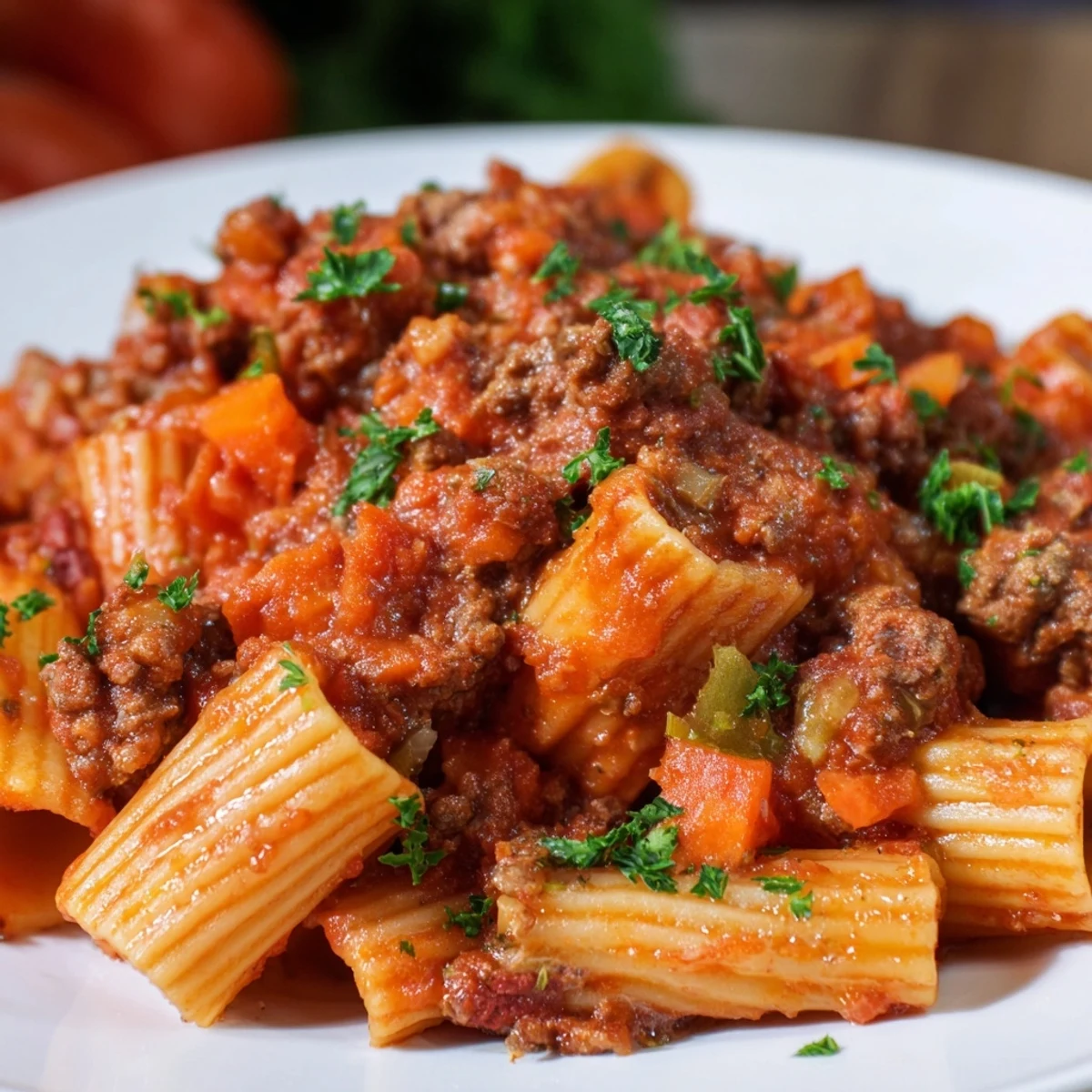
- Pour the sauce over hot pasta and garnish with fresh parsley or basil so each bowl gets a little brightness to contrast the deep, slow-cooked flavors.
 Save to Pinterest
 I learned something unexpected when I first made this: my teenage son, who usually pushes food around his plate, asked for a second helping and then used a piece of bread to get every last drop from his bowl. That quiet moment made me understand why people have been making ragu the same way for centuries—because it works, because it feels like love, and because some things don't need reinventing.
Why Slow Cooking Changes Everything
The magic of a slow cooker isn't just convenience—it's chemistry. The low, steady heat breaks down collagen in the meat into gelatin, which makes the sauce naturally glossy and rich without cream or flour. The flavors don't compete; they layer and deepen, each herb and spice finding its place. I've tasted quick ragu made in 30 minutes, and while it's good, it's never the same. This version tastes like it's been thinking about itself for hours.
The Wine Question
I used to skip the wine because I thought it would make the sauce taste like alcohol, but that's not how it works. The wine burns off in the initial cooking, leaving behind subtle tannins and acidity that balance the sweetness of the tomatoes and meat. If you really don't want to use wine, substitute more broth, but you'll lose a layer of complexity. The wine is worth it.
Serving and Storage
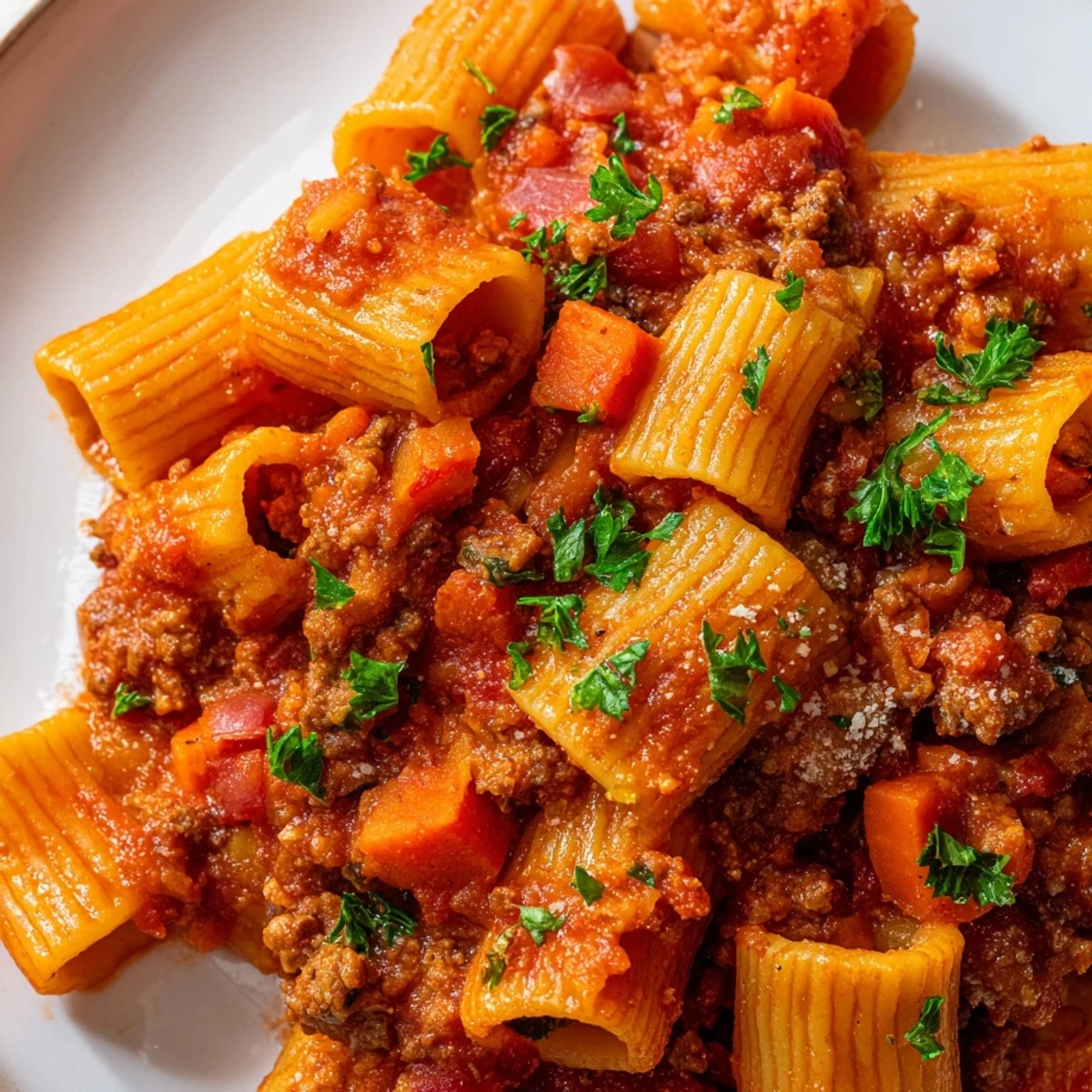
This sauce is forgiving in almost every way. Serve it over your favorite pasta—pappardelle and rigatoni are traditional, but I've used it on polenta, in lasagna, and even over creamy mashed potatoes. The real secret is making extra.
- Let any leftovers cool completely before freezing so condensation doesn't ice over the surface.
- It keeps frozen for up to 3 months and actually tastes better the second time you heat it because the flavors have settled.
- Defrost overnight in the refrigerator and gently reheat on the stove, stirring in a splash of broth or water if it's thickened too much.
 Save to Pinterest
 This ragu has become the recipe I make when I want to say 'I care' without saying anything at all. It's the kind of dish that makes a house feel like a home.
Recipe FAQs
- → What cuts of meat work best for this sauce?
-
Ground beef combined with pancetta or smoked bacon adds depth and richness, balancing lean meat with savory pork flavors.
- → Can I use fresh herbs instead of dried?
-
Fresh herbs can be added toward the end of cooking or as a garnish to preserve their bright flavor, while dried herbs meld better during the long simmer.
- → How do I adjust the sauce thickness?
-
Simmer longer uncovered to thicken; add a splash of broth or wine if it becomes too dense during cooking.
- → Is it necessary to use wine in the sauce?
-
Wine adds acidity and depth but can be omitted or substituted with additional broth for a milder profile.
- → Can the sauce be made ahead and stored?
-
Yes, it freezes well for up to three months and often tastes even better after resting, which helps flavors meld further.