
 Save to Pinterest
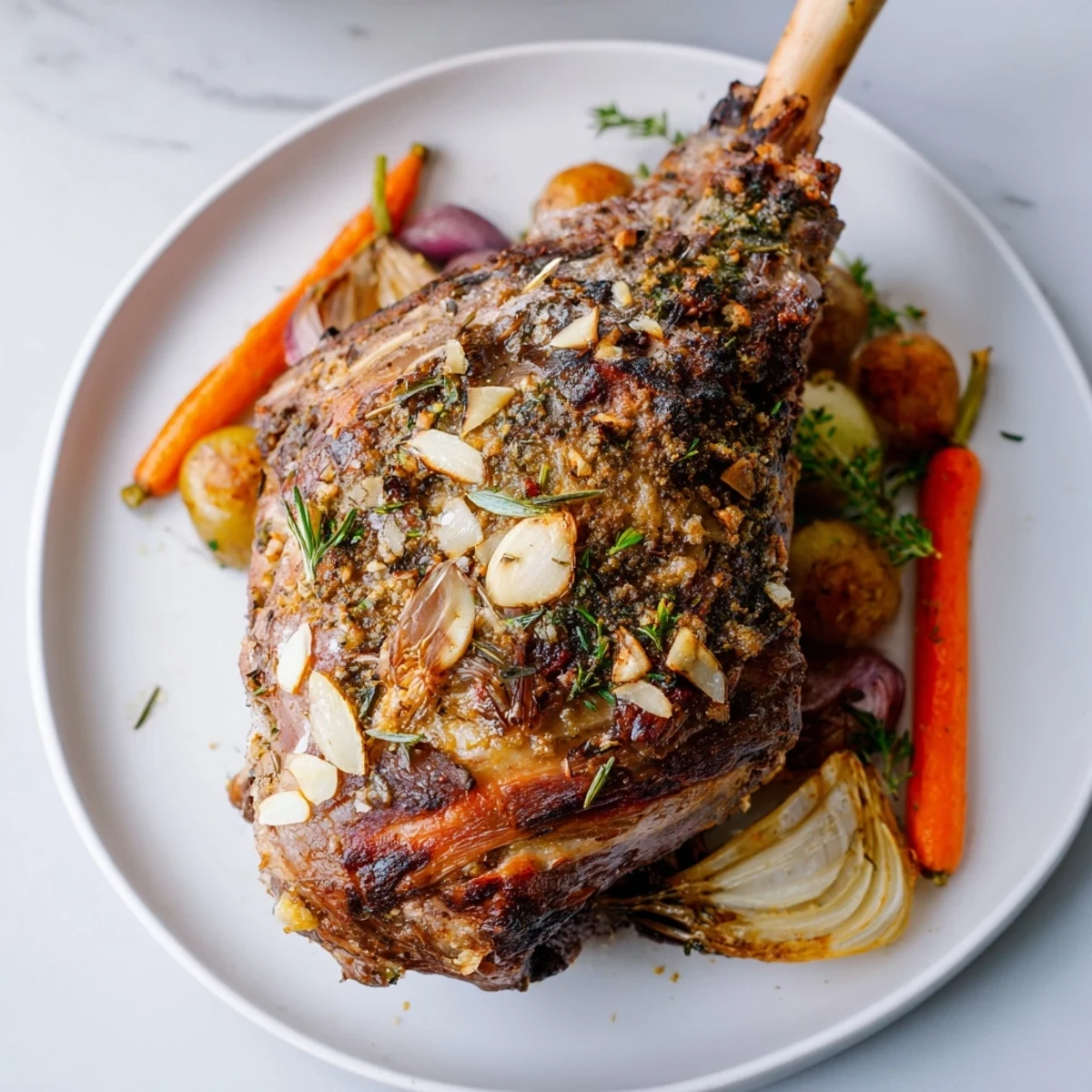
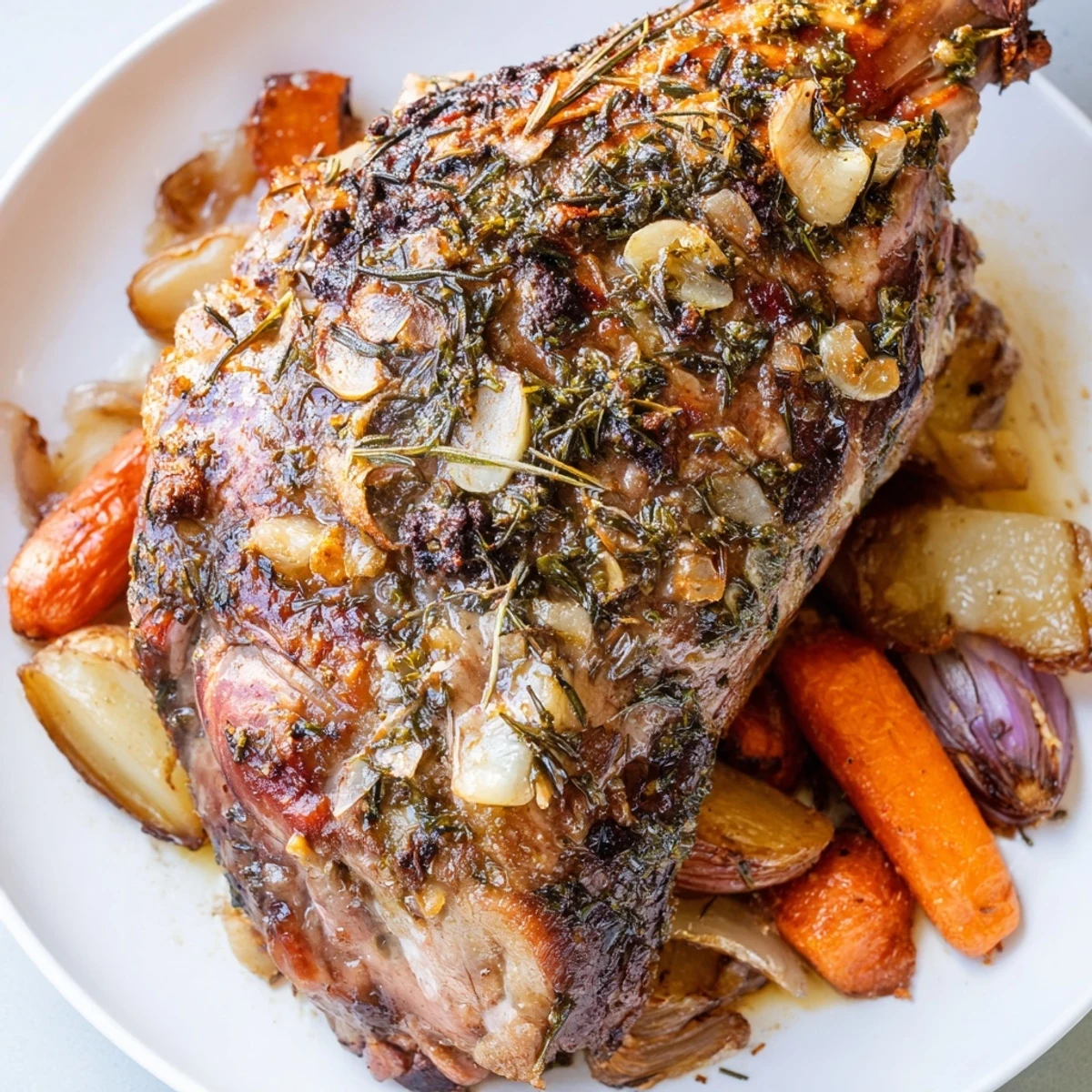
 This slow roasted leg of lamb is infused with garlic, fresh rosemary, thyme, and lemon to develop a rich, savory flavor. The lamb is gently cooked at low heat for several hours until it becomes fork-tender and deeply browned. Roasting over vegetables like carrots, onions, and potatoes adds sweetness and aroma, while wine or stock in the pan enhances the sauce's depth. Resting the lamb before carving ensures juicy, tender slices. Ideal for special occasions, this preparation highlights the natural succulence of the meat paired with classic Mediterranean herbs.
I'll never forget the Easter when my grandmother first taught me to roast a leg of lamb. The kitchen filled with the scent of rosemary and garlic hours before we sat down to eat, and somehow that slow, patient cooking felt like the entire holiday was unfolding in the oven. Now, whenever I slow roast lamb this way, I'm transported back to that moment—watching her brush the pan juices over the golden meat, explaining that good things take time. This recipe is that lesson in a single, beautiful dish.
I made this for my partner on our first anniversary, and I remember the moment they took that first bite—their eyes closed and they just smiled. That's when I realized slow-roasted lamb wasn't just dinner; it was how I could show someone they mattered. Every time I've made it since, that same magic happens at the table.
Ingredients
- 1 leg of lamb, bone-in (about 2.5–3 kg): The bone keeps the meat incredibly moist and flavorful as it roasts. Ask your butcher to keep it on, and don't trim away all the fat—that's where the flavor lives.
- 2 tbsp olive oil: The canvas for your herb paste. Use a good quality oil, not the cheap stuff.
- 6 garlic cloves, sliced: These will soften into sweet, mellow notes. Slicing them thin ensures they cook evenly and distribute their flavor throughout.
- 2 tbsp fresh rosemary, finely chopped (or 2 tsp dried): Fresh is magical if you can get it, but dried works beautifully too. Rosemary and lamb are made for each other.
- 1 tbsp fresh thyme leaves (or 1 tsp dried): This adds a subtle earthiness that keeps the dish from feeling one-dimensional.
- 1 lemon, zest and juice: The brightness cuts through the richness and brings everything into focus. Don't skip the zest.
- 2 tsp kosher salt: More than you think you need, but it's what seasons the whole piece of meat properly.
- 1 tsp freshly ground black pepper: Grind it fresh if you possibly can—the difference is real.
- 4 carrots, cut into large chunks: These roast alongside the lamb and soak up all those incredible pan juices. They become almost sweet.
- 2 onions, quartered: They create a natural bed for the lamb and add depth to the pan sauce.
- 4 potatoes, halved: Optional, but highly recommended. They're comfort and luxury on the same plate.
- 250 ml dry white wine or low-sodium chicken stock: This becomes your pan sauce. White wine keeps things elegant; stock is earthy and rich.
Instructions
- Set the stage:
- Preheat your oven to 150°C (300°F). This gentle heat is the secret—rushing lamb with high heat makes it tough. Patience is the main ingredient here.
- Dry the lamb:
- Pat it completely dry with paper towels. Moisture is the enemy of browning, and you want that gorgeous golden exterior.
- Create the flavor pockets:
- With a sharp knife, make small slits all over the lamb—not too deep, just enough to slip a garlic slice inside. Think of it like giving the meat little gifts of flavor. Take your time with this step; it's meditative and worth doing well.
- Build your herb paste:
- Mix the olive oil, rosemary, thyme, lemon zest, lemon juice, salt, and pepper in a bowl until it's fragrant and paste-like. Smell it. This is what's about to transform your lamb.
- Massage in the magic:
- Rub the herb paste all over the lamb, getting into every crevice. Your hands are the best tool for this. It should smell incredible.
- Create a bed for the lamb:
- Scatter the carrots, onions, and potatoes in the bottom of a large roasting pan. These vegetables will cradle the lamb and create a delicious foundation.
- Settle the lamb:
- Place the lamb on top of the vegetables. Pour the wine or stock into the bottom of the pan—not over the lamb, but around it.
- The long, slow roast:
- Cover loosely with foil and place in the oven. This is where the magic happens. Set a timer for 3 hours. You're not doing anything right now except letting time and heat work their miracle.
- Uncover and finish strong:
- Remove the foil and continue roasting for another 45–60 minutes. The lamb should be deeply browned and fork-tender. Baste it with the pan juices once or twice during this final hour—it's a small gesture that makes a big difference.
- Rest with respect:
- Transfer the lamb to a cutting board and loosely cover it with foil. Let it rest for 20 minutes. This is crucial; it allows the juices to redistribute, keeping every slice moist.
- Serve with the best part:
- Carve the lamb and arrange it with the roasted vegetables. Pour those precious pan juices over everything. This is pure comfort.
 Save to Pinterest
 There's a moment, about halfway through the roasting, when you walk past the oven and the smell stops you in your tracks. That's when I know the lamb is going to be perfect. It's become tradition to call everyone into the kitchen at that moment, just to share in that anticipation together.
The Philosophy of Slow Cooking
Slow-roasting lamb isn't just a cooking technique—it's a way of thinking about food. In our rushed lives, this recipe asks something radical of you: patience. It says that something truly special can't be hurried. As the lamb roasts low and slow, the connective tissue breaks down into gelatin, the meat becomes butter-tender, and every herb and garlic flavor seeps into every fiber. This is what happens when you give time the space to do its work. The reward is a dish that tastes like comfort and celebration all at once.
Customizing Your Roast
This recipe is a foundation, not a prison. I've made it a dozen different ways depending on what I have on hand and what story I'm trying to tell. Want it richer? Use red wine instead of white, and add a splash of balsamic vinegar. Prefer Mediterranean brightness? Add kalamata olives and sun-dried tomatoes to the vegetables. Cold-weather comfort? Swap the potatoes for parsnips or celeriac. The beautiful thing about slow-roasting is that the technique is so forgiving—you can trust it to make whatever you throw in taste incredible.
Beyond the Main Course
One of my favorite things about this recipe is what happens the next day. Those leftovers are a gift. Shred the remaining lamb and layer it onto crusty bread with a smear of mint aioli, or toss it into a salad with crispy greens and a lemon dressing. I've even made incredible grain bowls with feta and pomegranate. Don't let a single precious bit go to waste—the meat is too good, and it's too hard-won through those hours of patient roasting. Here's what I do with the bounty:
- Make incredible sandwiches the day after—the meat is already tender and flavorful, needing nothing more than good bread and maybe a dollop of Greek yogurt
- Toss leftovers into salads with cucumber, tomatoes, and a squeeze of lemon for a fresh, light meal that feels nothing like yesterday's dinner
- Freeze any extra lamb in an airtight container, and you'll have the foundation for a quick dinner months from now
 Save to Pinterest
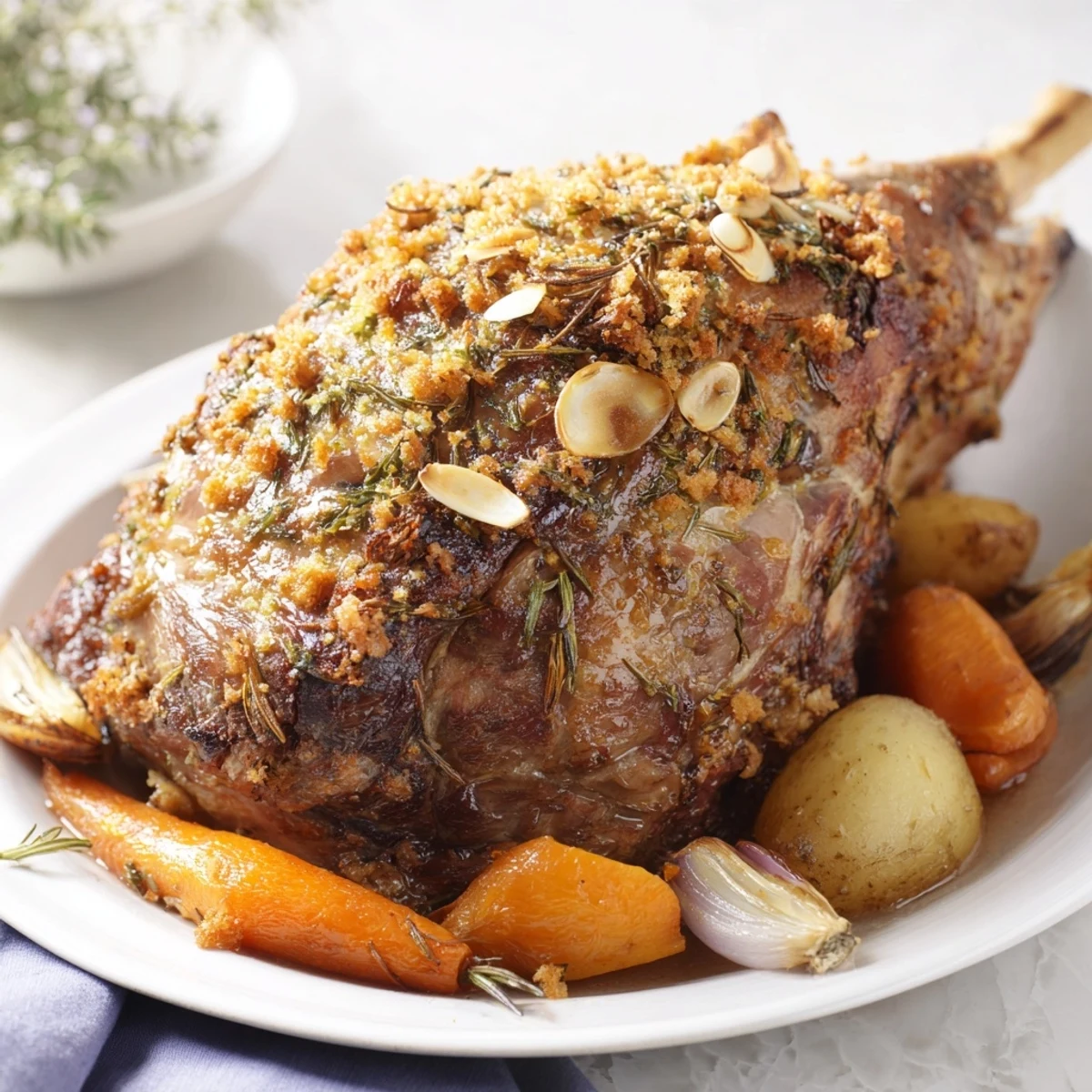
 This slow-roasted leg of lamb is more than a recipe; it's an invitation to slow down and savor the moment. Make it for people you love, and watch how a meal can become a memory.
Recipe FAQs
- → How long should I slow roast the leg of lamb?
-
Roast the lamb at a low temperature (150°C/300°F) for about 3 hours covered, then uncover and roast for another 45–60 minutes until tender and browned.
- → What herbs complement the leg of lamb best?
-
Fresh rosemary, thyme, and garlic create a fragrant herb paste that enhances the lamb’s natural flavor beautifully.
- → Can I add vegetables while roasting the lamb?
-
Yes, roasting the lamb over carrots, onions, and potatoes allows the vegetables to absorb the meat's juices, enhancing their taste.
- → What liquid is recommended for roasting the lamb?
-
Dry white wine or low-sodium chicken stock can be poured into the roasting pan to keep the meat moist and create a flavorful pan sauce.
- → How should the lamb rest after roasting?
-
Once roasted, loosely cover the lamb with foil and let it rest for 20 minutes to allow juices to redistribute for tender slices.
- → Is marinating the lamb necessary?
-
Marinating with the herb paste overnight enhances flavor, but it can also be rubbed just before roasting for good results.