
 Save to Pinterest
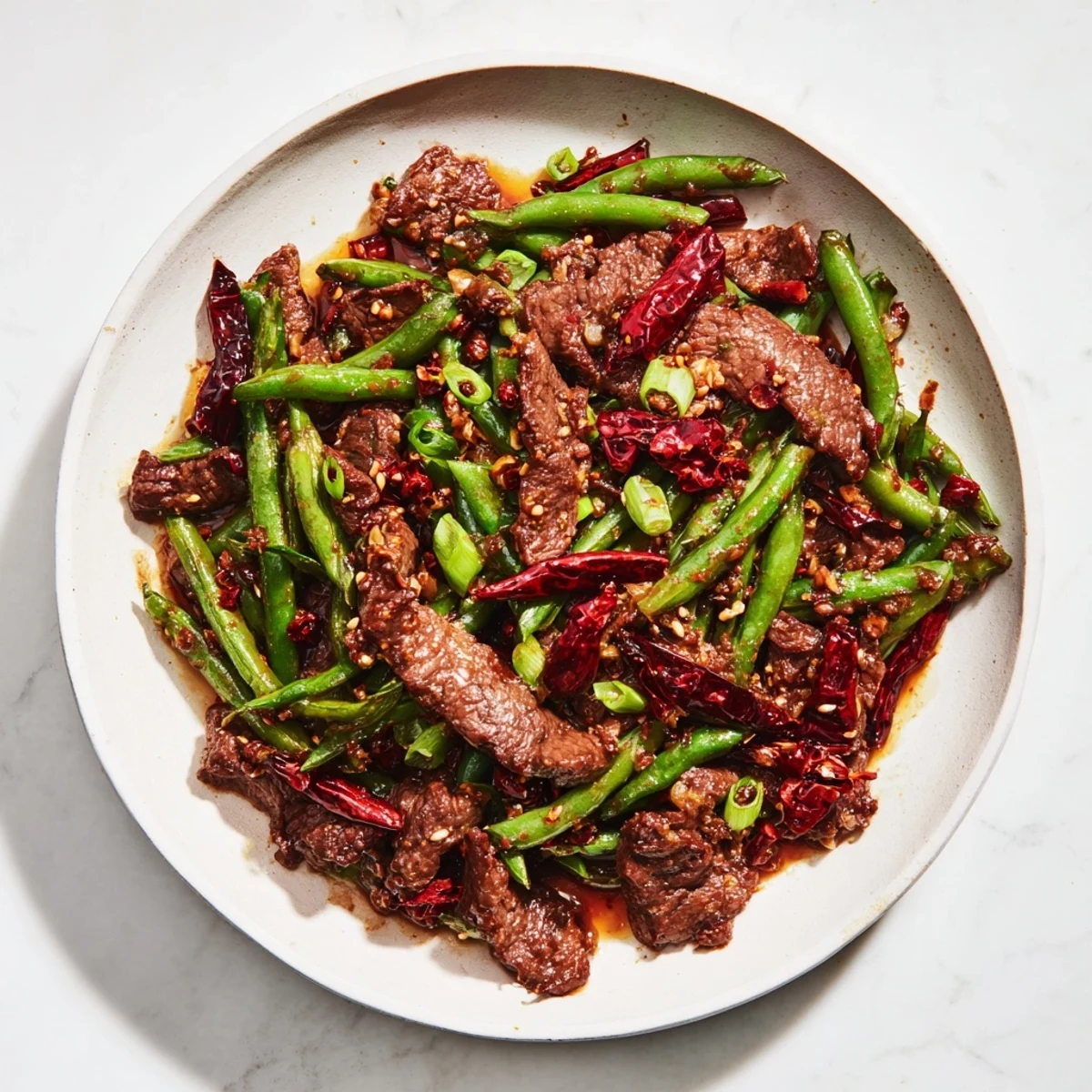
 This fiery Chinese stir-fry combines crisp-tender green beans with thinly sliced flank steak, all coated in a bold Szechuan sauce. The dish features aromatic elements like garlic, fresh ginger, scallions, and Szechuan peppercorns, while dried red chilies bring the heat. A complex sauce layers light and dark soy sauce with Chinese black vinegar, chili bean paste, and sesame oil for authentic depth. Ready in just 30 minutes, this dish balances numbing spice with savory richness.
The first time I encountered Szechuan peppercorns, I thought something was wrong with my tongue. That tingling, numbing sensation felt like eating a mild electric current, and I couldn't decide whether I loved it or was terrified. Now whenever that citrusy aroma hits my wok, I know dinner's going to be something unforgettable.
I made this for my brother last winter when he came over complaining about being bored with healthy cooking. One bite in, he stopped talking and just kept eating, occasionally reaching for more rice. Now he texts me every other week asking when I'm making those spicy beans again.
Ingredients
- Flank steak (350g): Thinly slicing against the grain is non-negotiable here; it transforms a tough cut into meltingly tender bites that absorb every drop of that bold sauce
- Soy sauce and Shaoxing wine: This double combo tenderizes the beef while building layers of umami that only time and fermentation can create
- Cornstarch: Creates a protective velvet coating on the beef, keeping it silky even through high-heat stir-frying
- Green beans (350g): Fresh beans with no soggy spots will blister beautifully in the wok, creating those addictive charred edges
- Szechuan peppercorns: Lightly crushing these releases their signature numbing oils; don't skip this step or you'll miss the whole point of Szechuan cooking
- Dried red chilies: Adjust based on your heat tolerance, but remember the seeds carry most of the fire
- Garlic and ginger: Minced fresh gives you that punchy aromatic base that powdered versions can never replicate
- Chili bean paste (doubanjiang): The fermented soul of Szechuan cooking, adding depth, salt, and a rich red color
- Chinese black vinegar: Its mellow acidity cuts through the rich sauce while adding subtle sweetness
- Sesame oil: A finisher that adds nutty warmth and ties all the bold flavors together
Instructions
- Marinate the beef:
- Toss the sliced beef with soy sauce, Shaoxing wine, and cornstarch until each piece is evenly coated, then let it sit for at least 10 minutes. This short wait makes all the difference between tough and tender.
- Prep the beans:
- Drop the trimmed beans into boiling water for exactly 2 minutes; they should turn bright green but still snap when bent. Immediately rinse under cold water to stop cooking and preserve that crunch.
- Sear the beef:
- Heat your wok until it's nearly smoking, add half the oil, then spread the beef in a single layer. Let it develop a brown crust before flipping, about 2 to 3 minutes total, then remove and set aside.
- Bloom the aromatics:
- Return the wok to high heat with remaining oil, then add peppercorns and dried chilies. Stir constantly for 30 seconds until the scent wafts up and the chilies darken slightly.
- Add fragrance:
- Toss in garlic, ginger, and half the scallions, stirring for just 30 seconds more. Any longer and the garlic might turn bitter.
- Blister the beans:
- Add the blanched beans to the wok, letting them cook undisturbed for about a minute before tossing. Repeat until they're dotted with charred spots.
- Bring it all together:
- Return the beef to the wok, then pour in the chili paste, both soy sauces, vinegar, sugar, and sesame oil. Toss vigorously for 1 to 2 minutes until everything's glossy and coated.
- Finish and serve:
- Scatter the remaining scallions over the top and serve immediately over steamed jasmine rice. Don't wait; the texture's perfect right now.
 Save to Pinterest
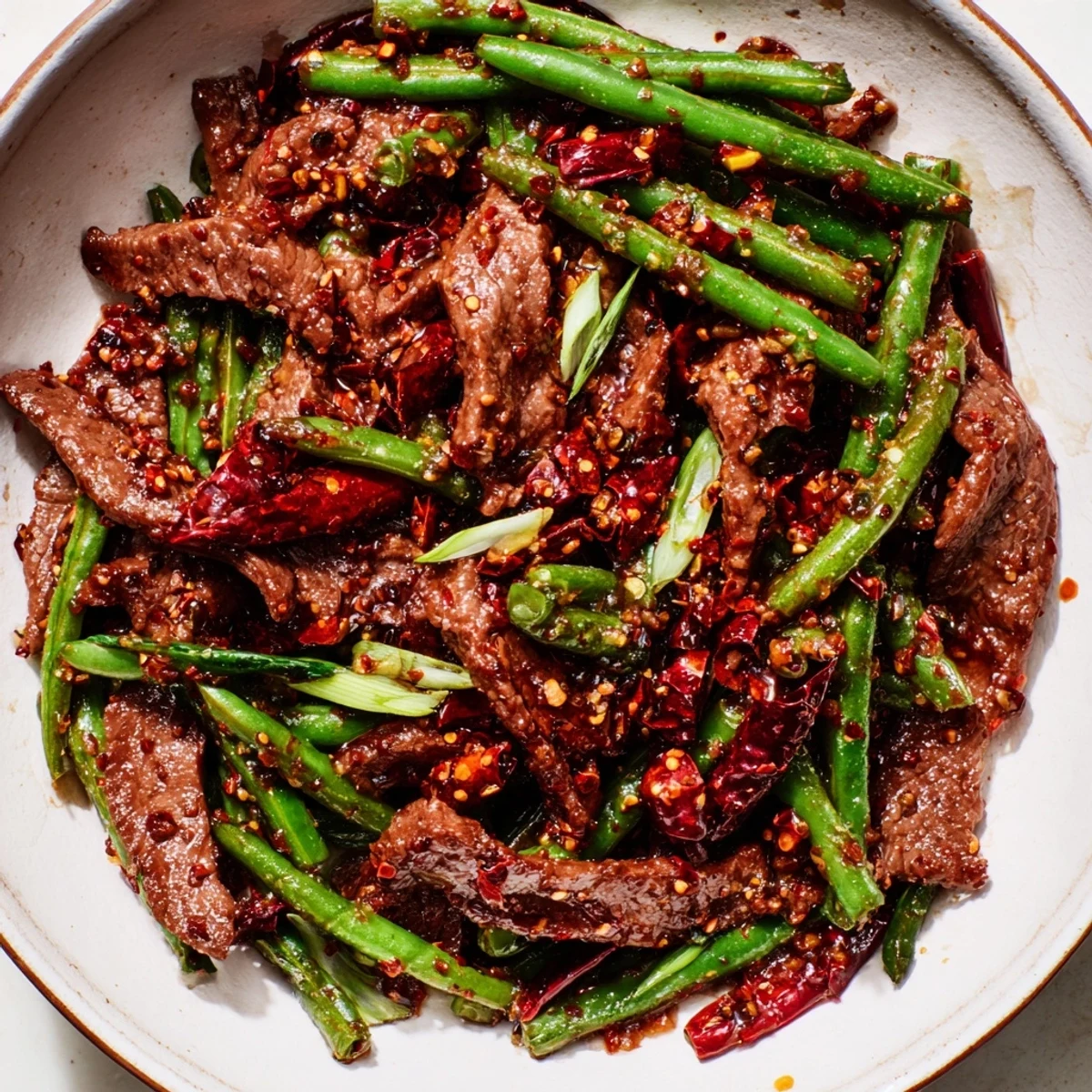
 This recipe has become my go-to for introducing people to real Szechuan flavors. Watching someone experience that numbing sensation for the first time never gets old; their eyes always widen in that perfect mix of surprise and delight.
The Secret to Restaurant Quality Beans
Professional kitchens blanch vegetables before stir-frying, and once you try this technique, you'll understand why. The quick boil jumpstarts cooking while keeping the interior snappy, then the high-heat wok finish creates those gorgeous blistered spots that carry so much flavor. It's the difference between mushy restaurant delivery and the fresh, vibrant texture you get at a proper Szechuan spot.
Building Your Szechuan Pantry
Doubanjiang and Chinese black vinegar might require a trip to an Asian market or a quick online order, but they're absolutely worth the effort. I keep a jar of each in my fridge door, and suddenly I'm always fifteen minutes away from a proper stir-fry. Once you taste the difference between authentic ingredients and substitutes, there's no going back to generic sauces.
Making This Your Own
After making this recipe a dozen times, I started playing with variations that work just as beautifully. The basic technique is incredibly forgiving once you understand the rhythm.
- Swap ground pork or sliced chicken for the beef; both absorb the bold sauce brilliantly
- Add bell peppers or zucchini during the bean step for more vegetables and color
- Finish with crushed roasted peanuts for extra crunch and another layer of flavor
 Save to Pinterest
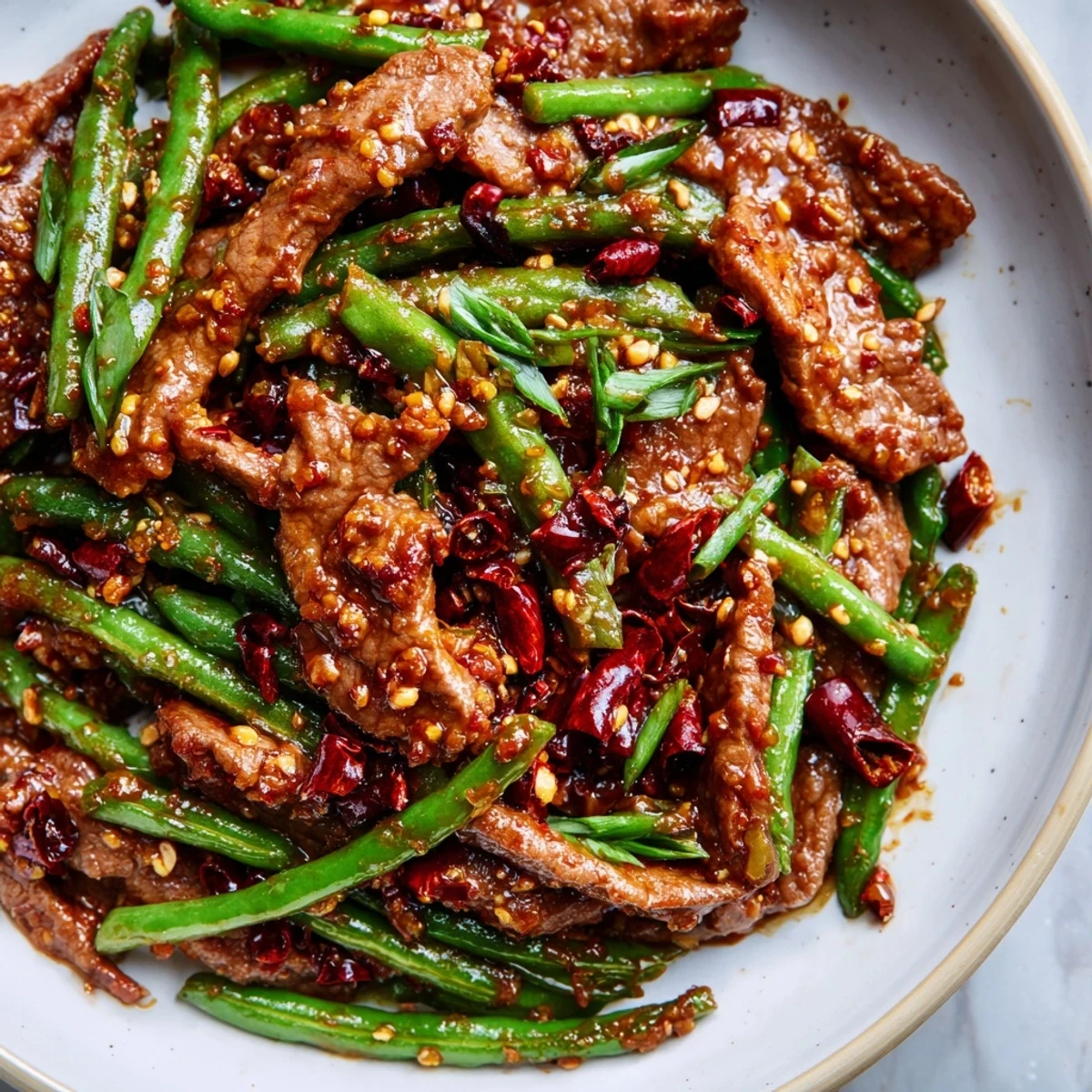
 Serve this with plenty of steamed rice and cold beer. Something about the heat and numbing spice just demands refreshing contrasts.
Recipe FAQs
- → How spicy is this dish?
-
The spice level is adjustable based on the amount of dried red chilies used. With 4-6 chilies, the dish delivers medium-high heat with characteristic Szechuan numbing from the peppercorns. Reduce chilies for milder flavor.
- → Can I make this vegetarian?
-
Yes, substitute firm tofu for the beef and use vegetarian oyster sauce instead of regular oyster sauce. The preparation method remains the same, though tofu may require less cooking time.
- → Why blanch the green beans first?
-
Blanching ensures the beans cook evenly and achieve the perfect tender-crisp texture. It also helps maintain their vibrant green color during the high-heat stir-frying process.
- → What can I serve with this dish?
-
Steamed jasmine rice is the traditional accompaniment, though noodles work well too. The mild flavors of plain rice help balance the bold, spicy elements of the stir-fry.
- → Can I prepare this ahead?
-
Prepare ingredients in advance—slice the beef, trim beans, and mix the sauce. However, stir-fry just before serving for the best texture and flavor. Leftovers reheat well in a skillet.
- → What's the difference between light and dark soy sauce?
-
Light soy sauce is saltier and used for seasoning, while dark soy sauce is thicker, less salty, and adds rich color. Both contribute to the authentic flavor profile.