
 Save to Pinterest
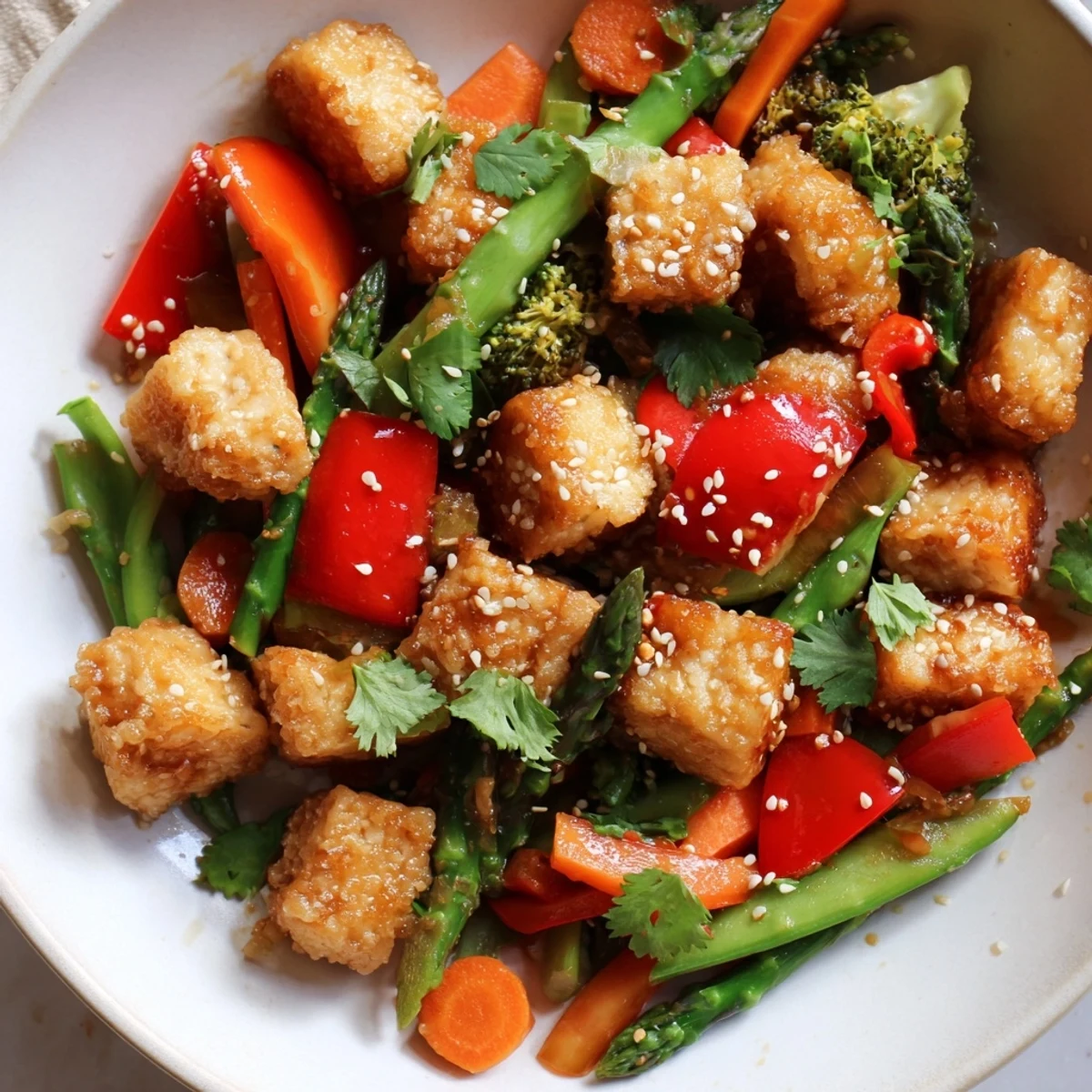
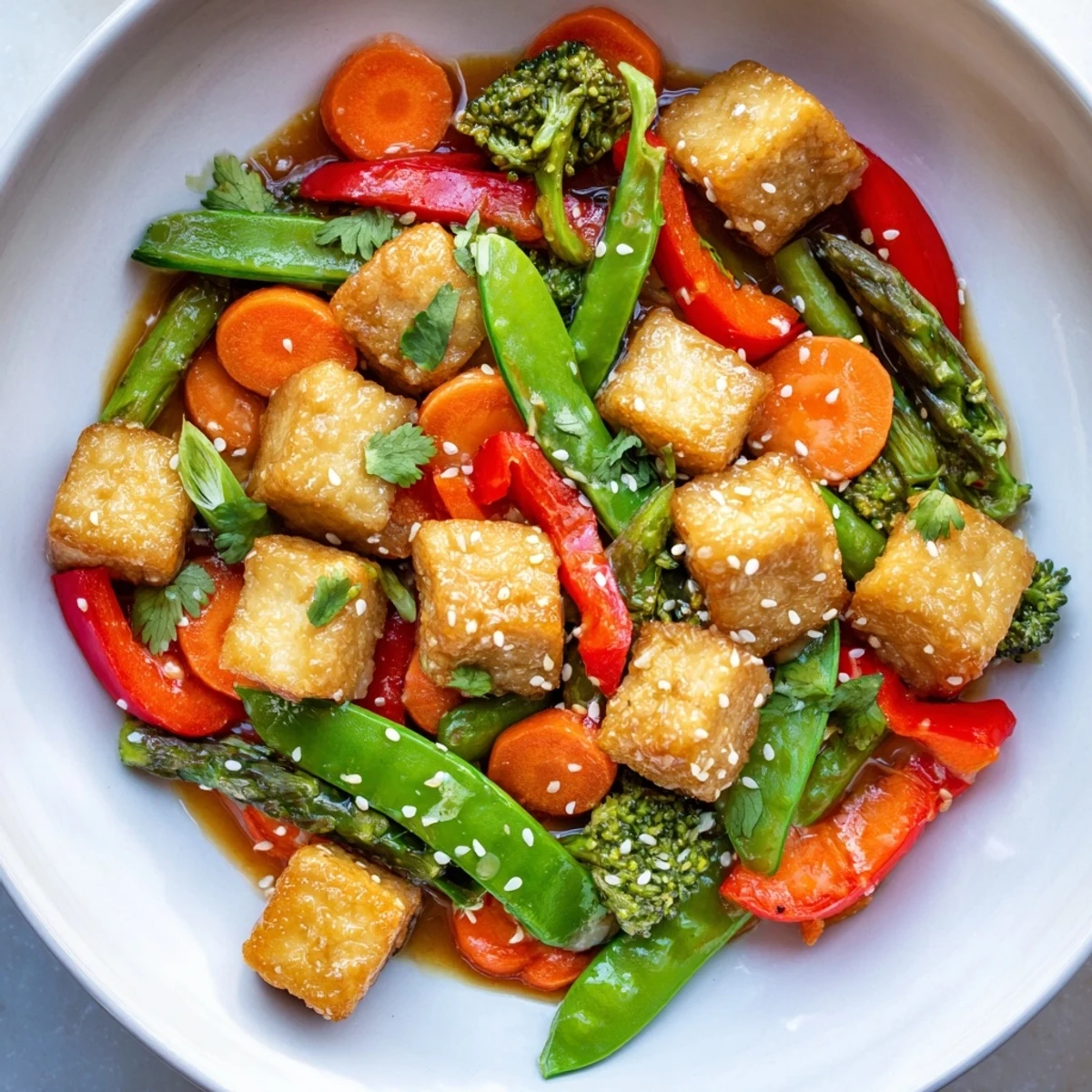
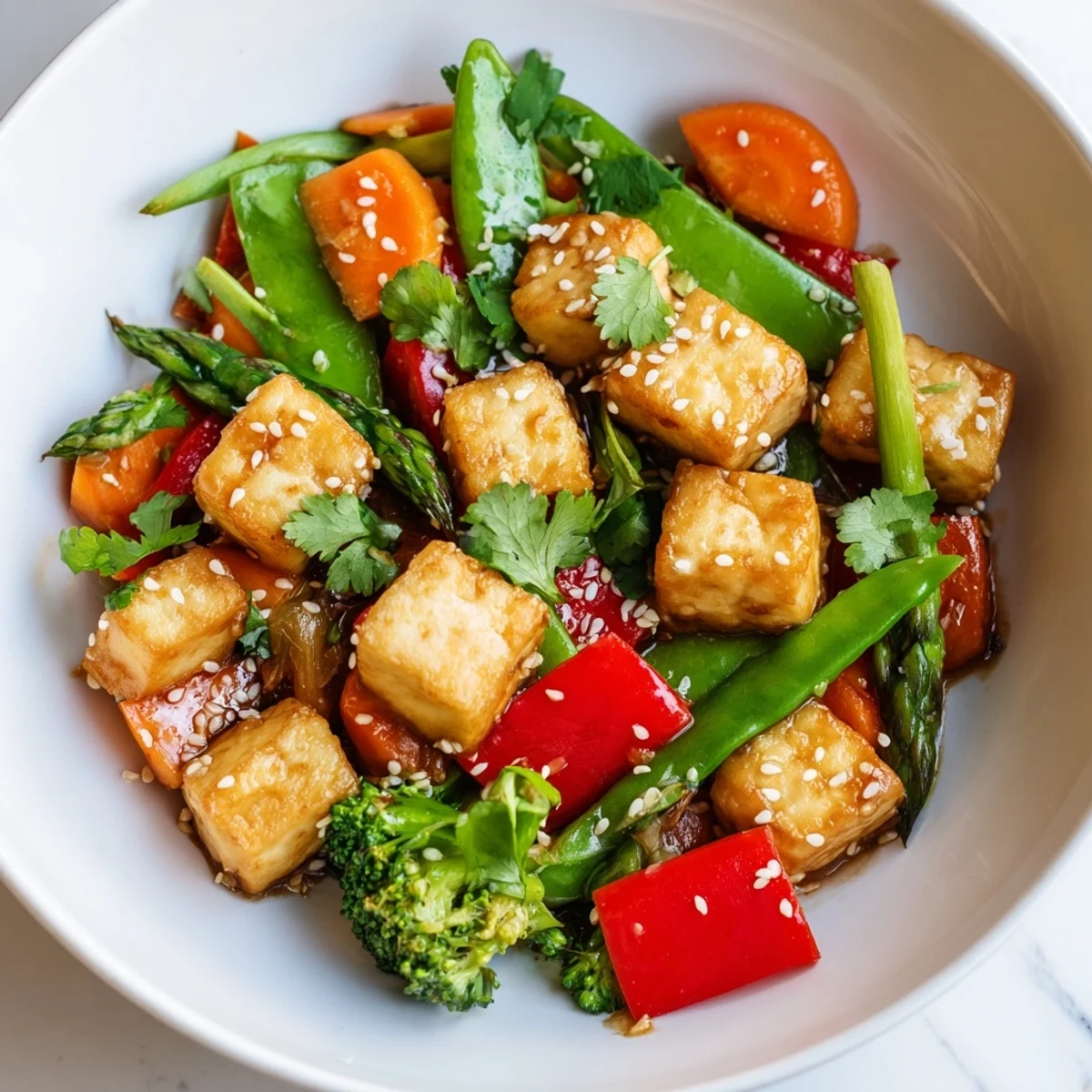
 This dish combines fresh spring vegetables like asparagus, sugar snap peas, and baby carrots with golden, pan-seared tofu, all tossed in a delicate sauce made from soy, maple syrup, sesame oil, and rice vinegar. The tofu is lightly coated and fried to crispy perfection, while the vegetables are cooked just until tender-crisp to preserve their vibrant flavors and textures. Finished with toasted sesame seeds and fresh herbs, it’s a quick, satisfying meal ideal for a healthy lifestyle.
The first time I pressed tofu properly, I used every heavy book in my apartment and still managed to crack a ceramic plate. That satisfying crunch of properly seared cubes made the cleanup worth it, and now I find excuses to make this stir fry whenever the market has sugar snap peas that snap back when you bend them.
My neighbor knocked on my door during the garlic and ginger step, convinced I was cooking something worth sharing. I handed her a bowl over the threshold, and she returned the empty dish with a sticky note that just said "again?" taped to it.
Ingredients
- Extra-firm tofu: Pressing matters more than you think; I once skipped this and watched my cubes disintegrate into sad crumbles.
- Cornstarch: Creates that craggy golden exterior that sauce loves to grab onto.
- Vegetable oil: Neutral and high-heat friendly, though peanut oil adds a subtle richness if you have it.
- Sugar snap peas: Look for pods that feel full and resist bending; limp ones go woody and stringy.
- Asparagus: The thinner stalks cook faster and stay sweeter than pencil-thick ones.
- Baby carrots: Diagonal slices expose more surface area and cook more evenly than rounds.
- Red bell pepper: Adds sweetness and color contrast that makes the whole dish look intentional.
- Broccoli florets: Cut them small enough to cook through in the brief stir fry window.
- Spring onions: Whites for depth at the start, greens for freshness at the end.
- Garlic and ginger: Fresh and minced fine; the aromatics carry this entire dish.
- Soy sauce or tamari: Low-sodium lets you control salt without overwhelming the vegetables.
- Maple syrup: Balances the salt with a subtle caramel note that agave lacks.
- Toasted sesame oil: A little goes far; add it late or it turns bitter.
- Rice vinegar: Brightens everything without the harshness of white vinegar.
- Toasted sesame seeds: Optional but they add textural punctuation that feels professional.
Instructions
- Press and cube the tofu:
- Wrap your block in clean kitchen towels, weight it with something substantial, and wait fifteen minutes. Cut into rough one-inch cubes that will crisp on multiple edges.
- Coat for crunch:
- Toss the cubes gently in cornstarch until they look dusty and matte; this is your insurance policy against soggy tofu.
- Sear until golden:
- Heat your oil until it shimmers and slides like water. Add tofu in a single layer and resist the urge to poke; let it form a crust before turning.
- Build your aromatics:
- Scoop out the tofu, add fresh oil, and toss in garlic, ginger, and the pale parts of spring onions. The smell should hit you immediately; if not, your heat is too low.
- Stir fry in stages:
- Harder vegetables first, tender ones last. Carrots and broccoli need the head start; snap peas and green onions just want to warm through and stay bright.
- Whisk the sauce:
- Combine everything in a small bowl and stir until the cornstarch disappears; clumps in the pan are hard to fix later.
- Bring it together:
- Return tofu to the pan, pour sauce over everything, and toss constantly as it thickens and glosses each piece. Serve immediately while the vegetables still have voice.
 Save to Pinterest
 This dish became my default for friends who announce they are eating less meat without making a big deal about it. Nobody asks where the chicken went when the tofu crunches and the vegetables still have bite.
What to Serve With This
Steamed jasmine rice soaks up the extra sauce beautifully, though cold soba noodles make this feel like a proper Japanese diner experience on warm evenings.
Making It Your Own
I have added shiitake mushrooms when I had them, swapped snap peas for snow peas when the former looked tired, and once threw in leftover roasted cashews that added unexpected luxury.
The Reality of Weeknight Cooking
Your vegetables will not all be the same size. Your tofu might stick slightly. The sauce might reduce more than expected. It will still taste better than takeout and cost a third as much.
- Prep every ingredient before you turn on the heat; stir fry waits for no one.
- Cold tofu sears better than room temperature; press it the night before if you plan ahead.
- A wok is nice but a large skillet works fine; surface area matters more than sloped sides.
 Save to Pinterest
 Some recipes teach you technique, others teach you patience. This one taught me that dinner does not need to be complicated to feel like an accomplishment. Make it once and you will stop ordering vegetable stir fry from restaurants that charge eighteen dollars for what costs you four.
Recipe FAQs
- → What tofu works best for this dish?
-
Extra-firm tofu is recommended as it holds shape well during pan-searing and achieves a crispy exterior.
- → Can I use other vegetables in this stir fry?
-
Yes, feel free to swap or add seasonal vegetables such as zucchini, bell peppers, or mushrooms to suit your taste.
- → How do I keep the vegetables crisp?
-
Stir fry vegetables quickly over high heat for a few minutes until just tender to maintain their crisp texture.
- → What can I serve this with?
-
Serve over steamed jasmine rice, brown rice, or soba noodles for a wholesome meal.
- → Is this dish gluten-free?
-
Using tamari instead of regular soy sauce makes this dish gluten-free. Always check labels to ensure gluten-free ingredients.