
 Save to Pinterest
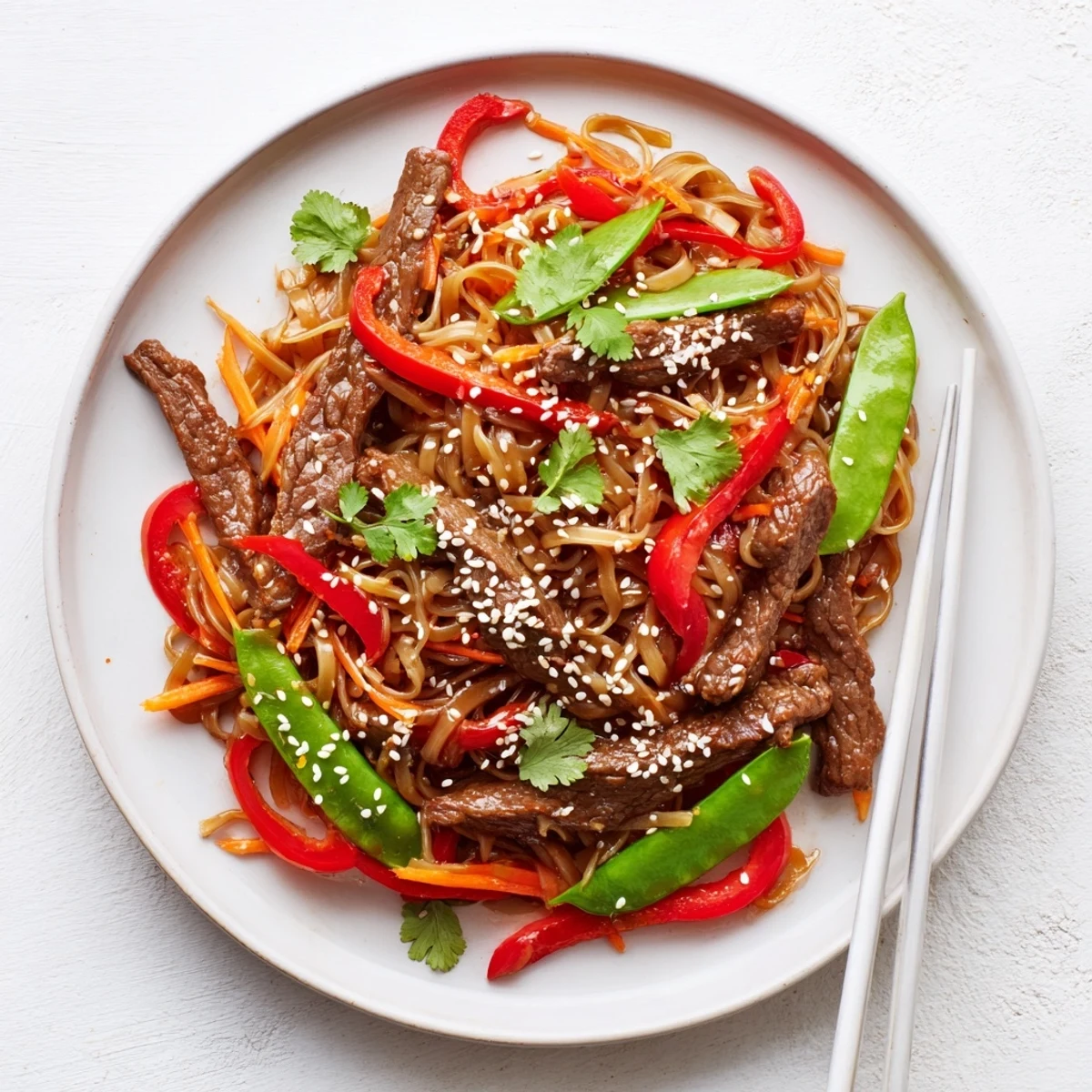
 Prepare this satisfying noodle dish in just 35 minutes by marinating thin beef strips, quickly searing them to develop rich flavor, then tossing with vegetables and noodles coated in a homemade sweet-savory glaze. The secret lies in the balance of soy sauce, oyster sauce, hoisin, and brown sugar which creates that signature sticky coating that clings perfectly to every strand.
Ideal for busy weeknights when you crave restaurant-quality Asian flavors without the wait. The tender beef, crisp vegetables, and chewy noodles create perfect texture contrasts while the aromatic blend of garlic, ginger, and spring onions builds depth throughout the cooking process.
The first time I made sticky beef noodles, I was rushing to get dinner on the table before friends arrived. The sauce caught slightly on the bottom of the wok, sending caramelized aromas through the entire house. When everyone took that first bite, the room went completely silent. That accidental char became the thing I now try to recreate every single time.
My neighbor smelled this cooking through our open kitchen window and actually knocked on my door to ask what I was making. We ended up eating together at my tiny table, passing around the serving bowl. Now it is the dish she requests every time she comes over for dinner.
Ingredients
- Flank steak or sirloin: Thinly slice against the grain for tenderness that practically melts in your mouth
- Cornstarch: This creates the velveting effect that makes restaurant beef so incredibly soft
- Rice noodles or egg noodles: Rice noodles stay beautifully chewy while egg noodles absorb more of that sticky sauce
- Red bell pepper: Adds sweetness and a gorgeous pop of color against the dark glossy noodles
- Fresh ginger: Grate it yourself because nothing replaces that bright, spicy warmth
- Hoisin sauce: This is the secret behind that signature sticky glaze you cannot replicate with anything else
- Brown sugar: Helps the sauce caramelize and cling to every single ingredient
Instructions
- Marinate the beef:
- Combine sliced beef with soy sauce, cornstarch, and sesame oil in a bowl. Let it sit for 10 to 15 minutes while you prep everything else. This step is what transforms tough beef into something impossibly tender.
- Cook the noodles:
- Boil noodles according to package instructions, then drain and rinse with cold water. Rinsing stops the cooking process so they stay perfectly chewy instead of turning mushy.
- Mix the sauce:
- Whisk together soy sauce, oyster sauce, hoisin, brown sugar, rice vinegar, and red pepper flakes until the sugar completely dissolves. Taste and adjust the heat level now before it hits the pan.
- Sear the beef:
- Heat oil in a wok over high heat until smoking slightly. Add beef in a single layer and let it develop a dark crust, about 1 to 2 minutes per side. Remove and set aside.
- Stir-fry vegetables:
- Add fresh oil to the hot wok and toss in garlic, ginger, white spring onions, bell pepper, carrot, and snap peas. Cook for 2 to 3 minutes until vegetables are bright and just tender.
- Bring it all together:
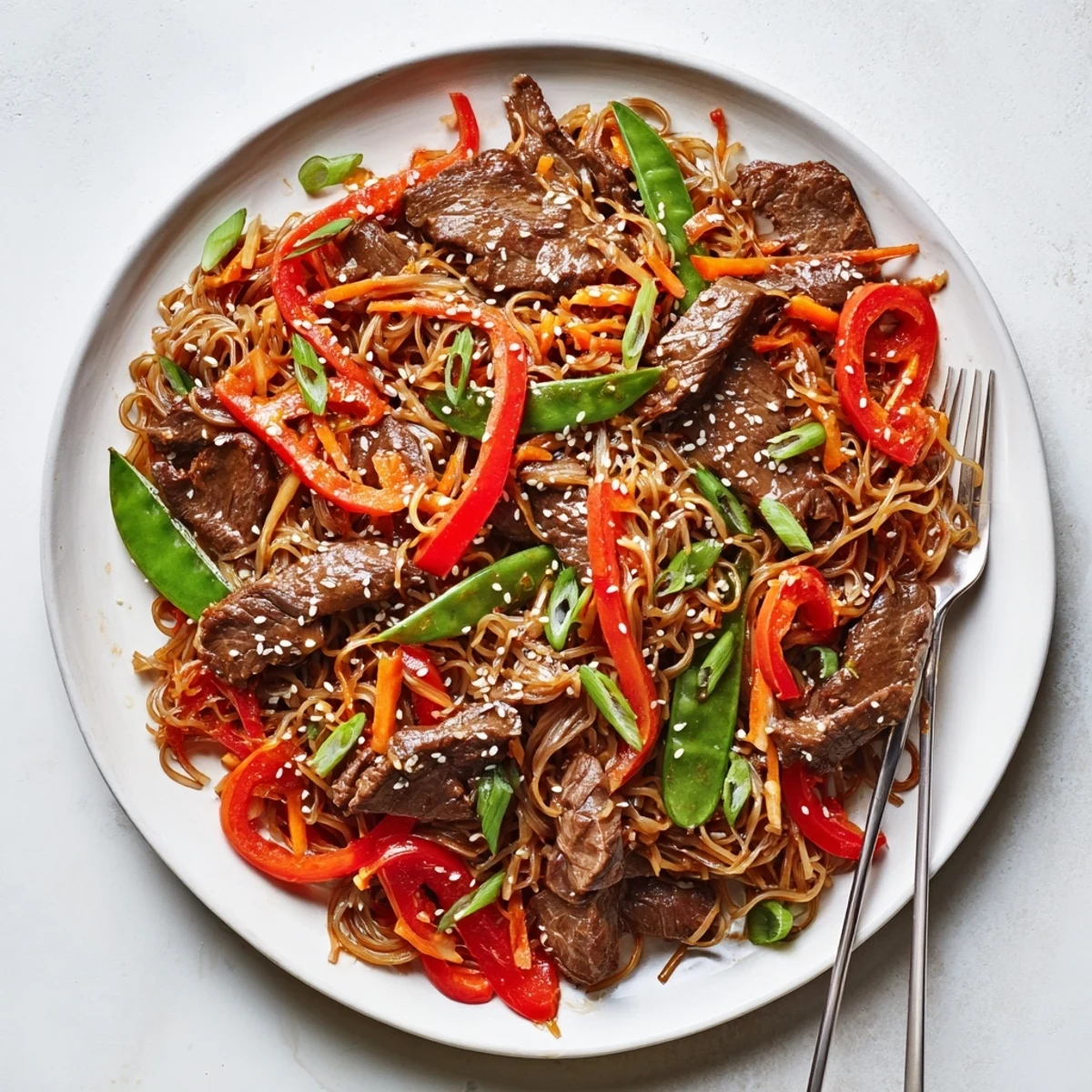
- Return beef to the wok, add cooked noodles, and pour in the sauce. Toss everything for 2 to 3 minutes until the sauce thickens and coats each strand. The sauce should look glossy and almost sticky.
- Garnish and serve:
- Sprinkle with sesame seeds, green parts of spring onions, and fresh coriander. Serve immediately while the sauce is still clinging to everything.
 Save to Pinterest
 This recipe saved me during my university days when I needed something impressive but affordable for potlucks. Now it is the meal I make when I want to feel like I have my life completely together, even when I absolutely do not.
Making It Your Own
The beauty of sticky beef noodles is how forgiving the recipe actually is. I have made countless substitutions based on whatever was languishing in my crisper drawer. Broccoli works beautifully, mushrooms add an earthy depth, and baby corn brings such satisfying crunch. Once you understand the sauce balance, you can really make this your own.
Protein Variations
While beef is classic, I have discovered that this sauce works magic with almost any protein. Chicken thighs become incredibly juicy, shrimp cook in just minutes, and even firm tofu absorbs all those flavors beautifully. The marinade time adjusts accordingly, but the method stays exactly the same.
Perfecting The Sticky Factor
Getting that restaurant-quality glossy finish took me years to figure out. The trick is letting the sauce bubble and reduce slightly in the final minutes of tossing. You want it thick enough to cling but not so thick that it turns into glue. Watch how it coats the back of your spoon.
- Reserve a splash of pasta water to loosen the sauce if it reduces too quickly
- Room temperature ingredients help the sauce emulsify properly
- The dish tastes even better the next day as the flavors continue developing
 Save to Pinterest
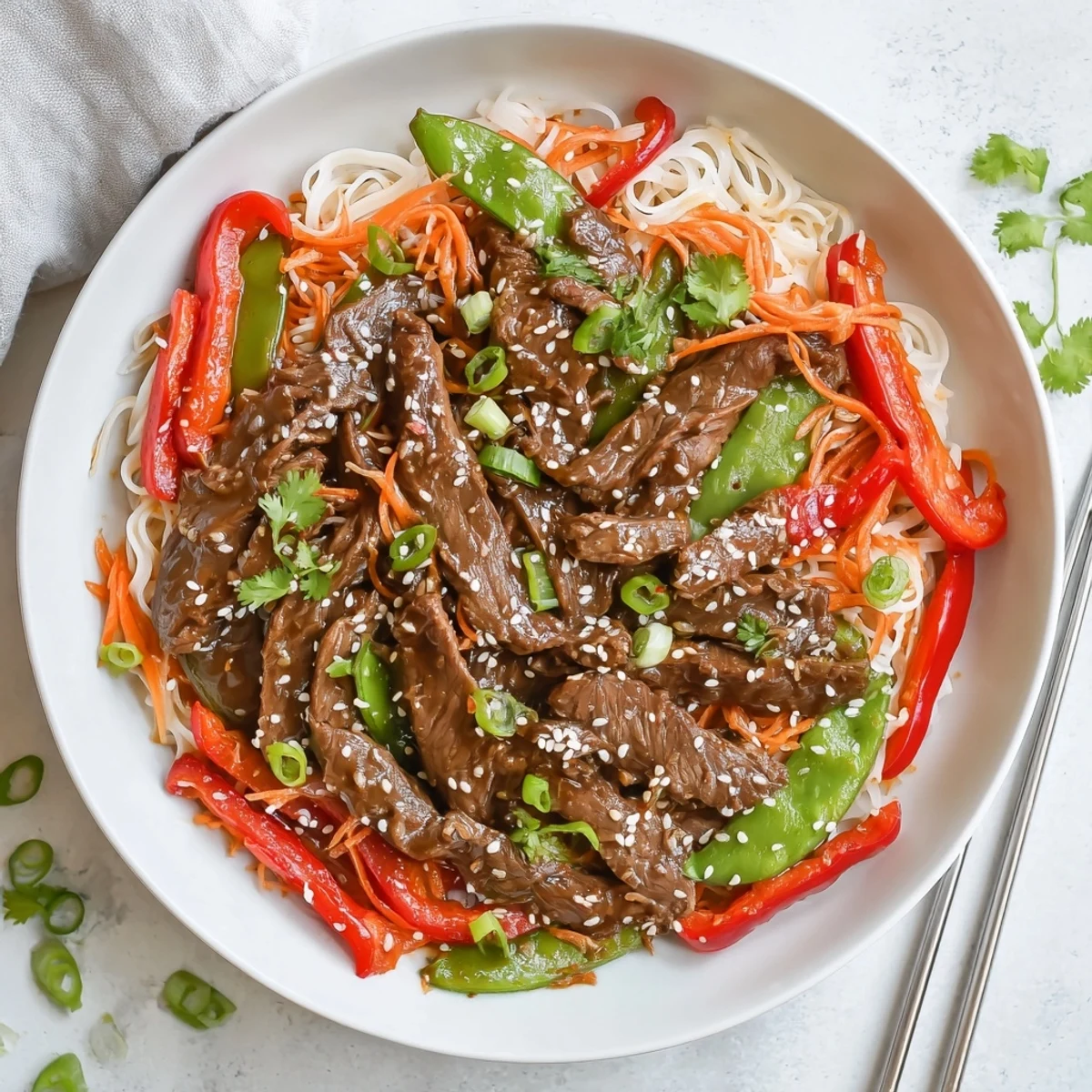
 There is something deeply satisfying about eating noodles with chopsticks, sauce coating your fingers, flavor coating your soul. This is the kind of comfort food that makes everything feel right with the world.
Recipe FAQs
- → What cut of beef works best for sticky noodles?
-
Flank steak or sirloin sliced thinly against the grain ensures tenderness. The thin strips absorb the marinade quickly and cook rapidly, staying tender even with high-heat searing.
- → Can I make this dish gluten-free?
-
Yes, substitute regular soy sauce with tamari, use gluten-free oyster sauce, and opt for rice noodles instead of egg noodles. These swaps maintain the authentic flavors while accommodating dietary restrictions.
- → How do I prevent noodles from becoming mushy?
-
Cook noodles according to package instructions, then rinse thoroughly with cold water to stop cooking and remove excess starch. This keeps them separate and chewy when tossed with the sauce.
- → What vegetables work well in this dish?
-
Bell peppers, carrots, sugar snap peas, broccoli, mushrooms, and baby corn all complement the flavors. The key is cutting vegetables into thin, even pieces so they cook quickly while maintaining crunch.
- → Can I prepare the sauce in advance?
-
The sauce mixture keeps well in the refrigerator for up to a week. Combine all sauce ingredients and store in an airtight container. Give it a quick stir before using to redistribute any settled sugar.