
 Save to Pinterest
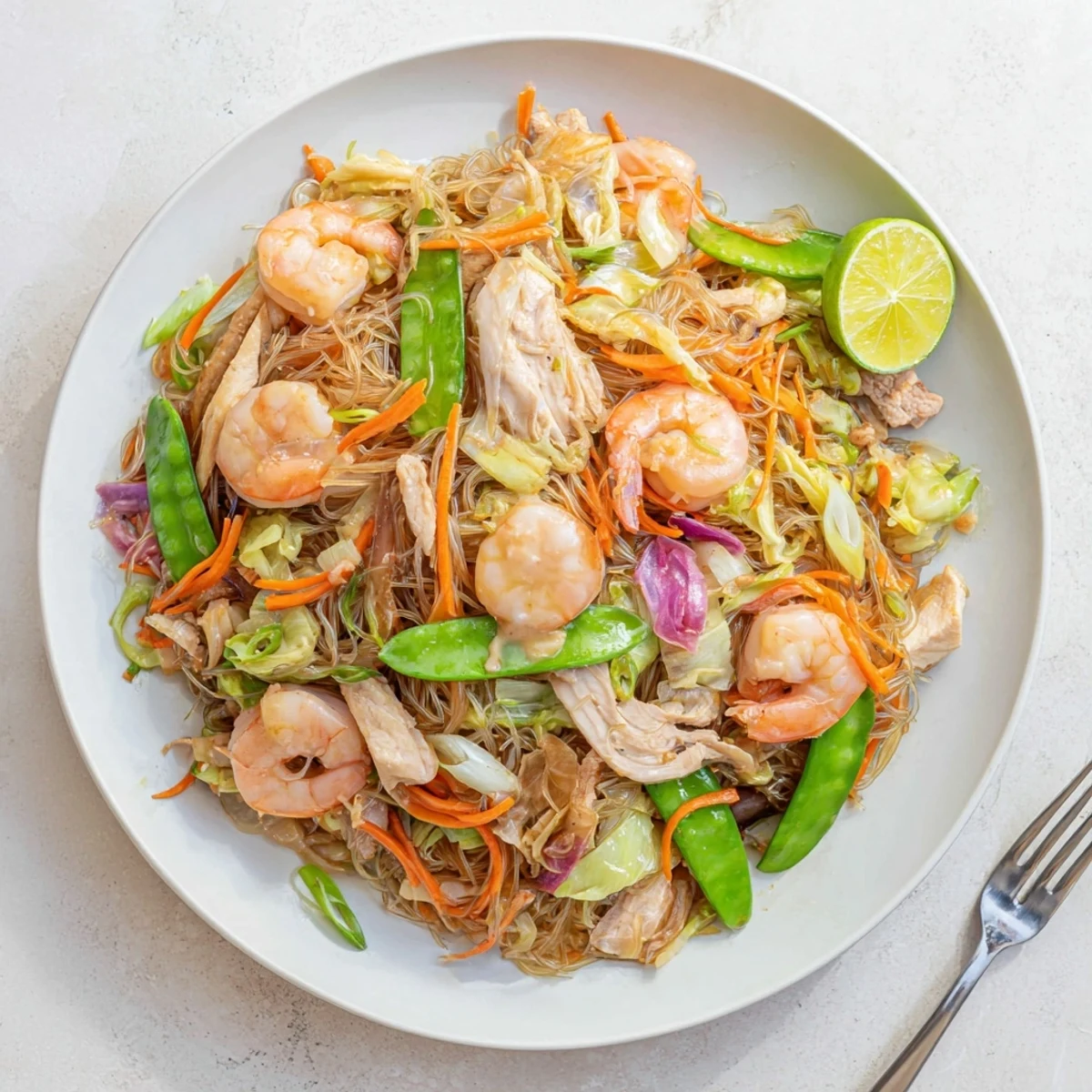
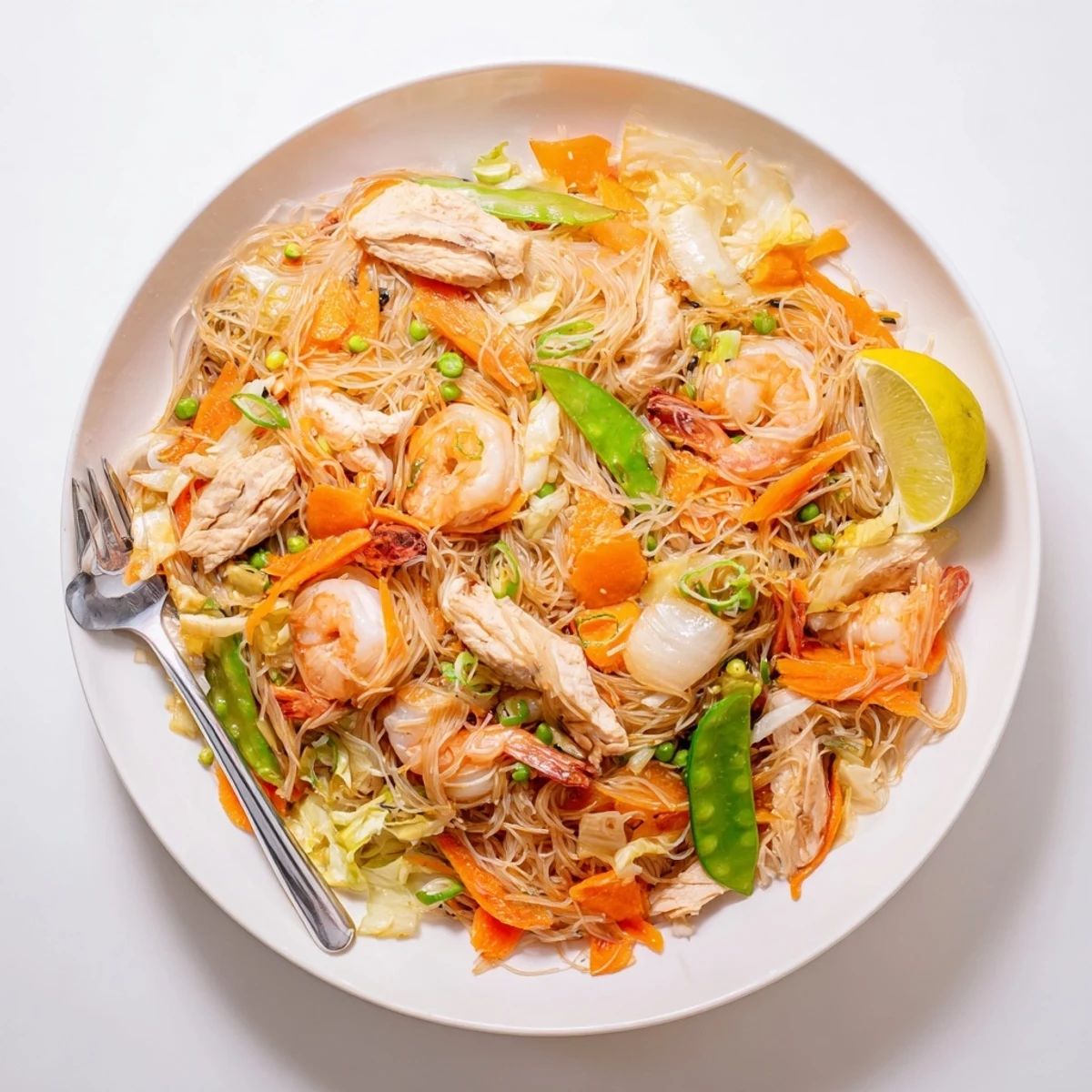
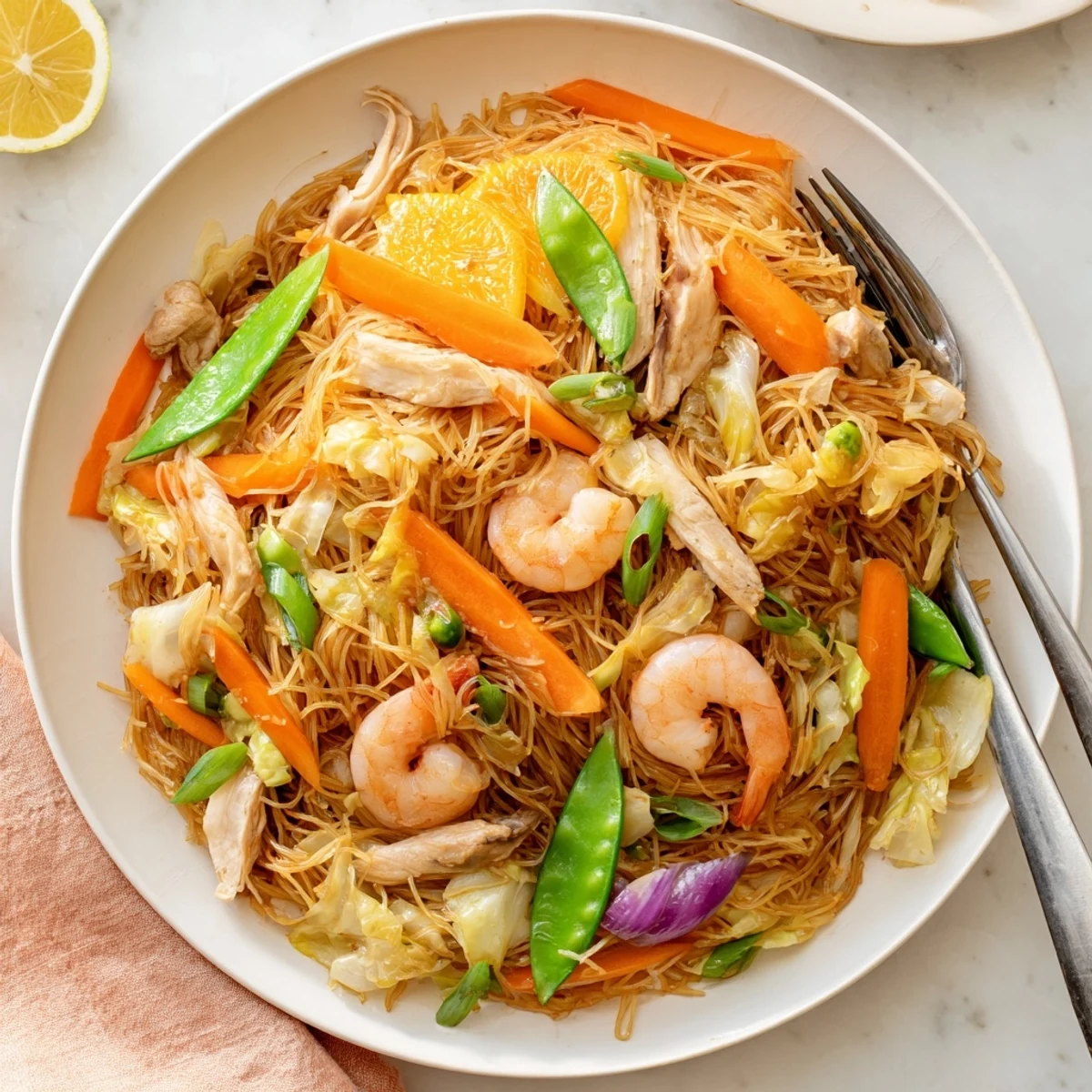
 Experience the vibrant flavors of Filipino cuisine with this classic Pancit Bihon. Thin rice vermicelli noodles are wok-tossed with tender chicken, succulent shrimp, and julienned vegetables in an aromatic soy-based sauce. The dish comes together in just 40 minutes, making it perfect for weeknight dinners or weekend gatherings.
The key to authentic Pancit Bihon lies in properly soaked rice noodles that absorb the savory sauce while maintaining their delicate texture. A final squeeze of calamansi or lemon adds bright acidity that balances the rich umami flavors.
The smell of garlic hitting hot oil takes me back to my auntie's tiny kitchen in Manila, where she'd crowd six of us around a single electric burner, taking turns stirring the biggest wok I've ever seen. I was twelve and kept asking when the noodles would be done, distracted by the savory steam filling the entire apartment. She handed me the tongs and told me the secret wasn't the ingredients—it was knowing exactly when the sauce had coated every single strand.
Last summer, I made this for my roommate's birthday dinner when her family couldn't fly in for the celebration. We set up folding tables on our balcony and ate straight from the platter while the sun went down. She took one bite and got quiet—told me it tasted exactly like what her grandmother made for special Sunday lunches.
Ingredients
- 200 g boneless, skinless chicken breast, thinly sliced: Cutting the chicken against the grain into thin strips ensures it cooks quickly and stays tender in the stir-fry
- 100 g medium shrimp, peeled and deveined: Fresh shrimp adds sweetness that balances the salty soy sauce, and they cook in just minutes so they don't get rubbery
- 200 g dried bihon noodles: These thin rice vermicelli noodles are delicate and absorb flavors beautifully—just don't oversoak them or they'll turn to mush
- 1 small carrot, julienned: The carrots add a subtle sweetness and a pop of color that makes the dish feel festive
- 1 cup green cabbage, shredded: Cabbage brings a mild crunch and keeps the stir-fry from feeling too heavy
- 1/2 cup snow peas, trimmed and halved: Snow peas stay crisp even after cooking and add that fresh snap in every bite
- 1 small onion, sliced: Onion forms the aromatic base that gives the dish its depth of flavor
- 3 cloves garlic, minced: Don't be shy with the garlic—it's the backbone of the whole dish and should hit you when you walk into the kitchen
- 2 tbsp soy sauce: Use a good quality soy sauce because it provides the primary saltiness and umami
- 1 tbsp oyster sauce: This adds a rich, slightly sweet depth that makes the sauce taste restaurant-quality
- 1 tsp fish sauce: A little goes a long way—it rounds out the flavors and adds that authentic Filipino taste
- 1/2 tsp ground black pepper: Freshly cracked pepper adds a gentle heat that builds as you eat
- 1 cup chicken broth: The broth creates the sauce that coats the noodles—homemade is best but store-bought works fine
- 2 tbsp chopped scallions: Scatter these on top for a fresh bite that cuts through the richness
- 1 lemon or calamansi, cut into wedges: The citrus squeeze at the end is non-negotiable—it brightens everything and balances the salt
Instructions
- Soak the noodles:
- Place the bihon noodles in a bowl of warm water for exactly 10 minutes, then drain them well and set them aside
- Build the aromatics:
- Heat your oil in a large wok over medium-high heat, then toss in the garlic and onion until they're fragrant and the onion turns translucent
- Cook the proteins:
- Add the chicken strips first and cook until they're lightly browned and cooked through, then toss in the shrimp for just 2 minutes until they turn pink
- Sauté the vegetables:
- In the same pan, stir-fry the carrots, cabbage, and snow peas for 2 to 3 minutes until they're just tender but still have crunch
- Combine everything:
- Return the chicken and shrimp to the pan, then pour in the soy sauce, oyster sauce, fish sauce, and chicken broth, letting it come to a gentle simmer
- Add the noodles:
- Toss in the drained bihon and use tongs to gently turn everything together, cooking for 3 to 4 minutes until the noodles have absorbed most of the sauce
- Season and serve:
- Sprinkle in the black pepper and taste, adjusting the seasonings if needed, then transfer to a platter topped with scallions and citrus wedges on the side
 Save to Pinterest
 My cousin came over unexpectedly last month and I literally threw this together with whatever I had in the fridge. We stood at the counter eating straight from the wok with forks, and she said it was the best version she'd ever had. Sometimes the impromptu meals are the ones that stick with you.
Getting That Restaurant Texture
I've learned that the key to noodle dishes that taste like they came from a restaurant is high heat and constant movement. Don't be afraid to let the edges of the noodles get a little crispy against the pan—that's where the flavor lives.
Making It Your Own
My auntie always said that every cook should develop their own hand with seasoning. Start with the recommended amounts, but trust your palate—if it needs more salt or brightness, add it.
Serving It Right
In Filipino households, this dish often sits at the center of the table during celebrations, surrounded by other dishes but always the first to disappear. The communal style of eating feels right for something meant to bring people together.
- Set out small bowls of extra soy sauce mixed with chopped chilies for those who like heat
- Keep the lemon or calamansi wedges on the side so everyone can add their own squeeze
- Have a fork ready for serving—spoons don't work as well for grabbing noodles
 Save to Pinterest
 There's something about a platter of pancit appearing on the table that makes people pull their chairs in closer. Food has a way of doing that.
Recipe FAQs
- → What makes Pancit Bihon authentic?
-
Authentic Pancit Bihon uses thin rice vermicelli noodles (bihon) stir-fried with a combination of meats like chicken and shrimp, crisp vegetables, and a savory sauce made from soy sauce, oyster sauce, and chicken broth. The noodles should be tender yet firm, perfectly coated in the umami-rich sauce.
- → How do I prevent rice noodles from breaking?
-
Soak the dried bihon noodles in warm water for exactly 10 minutes until pliable but not mushy. Drain thoroughly before adding to the wok. Use tongs to gently toss the noodles with the sauce, avoiding vigorous stirring that can cause breakage.
- → Can I make Pancit Bihon vegetarian?
-
Absolutely. Replace chicken and shrimp with firm tofu or additional vegetables. Use vegetable broth instead of chicken broth. The remaining vegetables and seasonings provide plenty of flavor and texture for a satisfying vegetarian version.
- → What vegetables work best in Pancit Bihon?
-
Classic choices include julienned carrots, shredded cabbage, and snow peas for their crisp texture. You can also add bell peppers, snap peas, or celery. Avoid watery vegetables that might make the noodles soggy.
- → Why is calamansi served with Pancit?
-
Calamansi (or lemon) provides a bright, acidic contrast to the rich, savory noodles. Squeezing fresh citrus over the dish just before eating elevates the flavors and cuts through the umami notes of the soy and oyster sauce.
- → How long does Pancit Bihon keep?
-
Store cooled leftovers in an airtight container in the refrigerator for up to 3 days. Reheat gently in a skillet with a splash of water or broth to refresh the noodles. The noodles will absorb more liquid over time, so you may want to add extra sauce when reheating.