
 Save to Pinterest
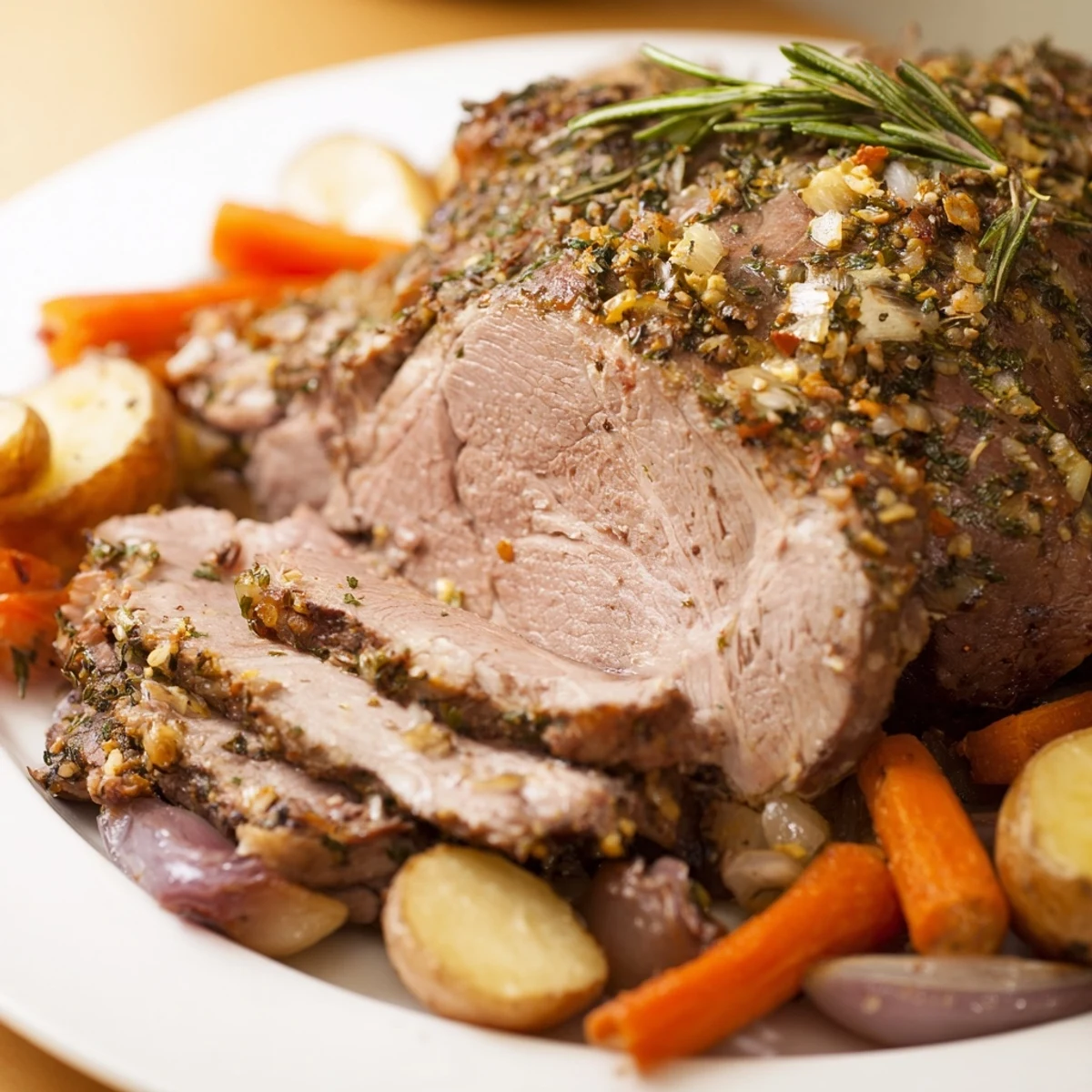
 This slow roasted leg of lamb is carefully prepared by making deep slits filled with garlic and rosemary, then rubbed with a blend of olive oil, lemon zest, juice, thyme, salt, and pepper. It’s placed over hearty vegetables and cooked slowly in the oven until tender and juicy. The final high-heat roast achieves a caramelized crust, while resting before carving ensures the meat remains moist. Perfectly paired with roasted vegetables and savory pan juices, this dish showcases balanced Mediterranean flavors and elegant home cooking.
Years ago, a friend handed me a leg of lamb at a farmers market and said, 'You have to slow roast this.' I had no idea what I was doing, but three hours later, when I opened that foil and the kitchen filled with the smell of roasted garlic and lemon, I understood. The meat fell from the bone with just a fork, and everyone at the table went quiet except for the sound of happy eating.
I made this for a dinner party on Easter weekend, nervous about cooking something so expensive. My dad took one bite, smiled, and told me I'd finally nailed the family recipe his mother used to make. That's when I realized it wasn't fancy cooking at all—it was just good ingredients treated with patience and respect.
Ingredients
- Leg of lamb (2–2.5 kg / 4.5–5.5 lb), bone-in: The bone adds flavor to the pan juices and looks stunning at the table—ask your butcher to score the surface lightly so the seasoning penetrates deeper.
- Olive oil: Good quality makes a noticeable difference; it carries the lemon and herb flavors into the meat.
- Garlic cloves (8, peeled and halved): Halving them lets them roast gently without burning, mellowing into soft, sweet cloves you can spread like butter.
- Lemons (2, zest and juice separated): The zest goes into the rub for brightness, while juice added after roasting sharpens the final taste—don't skip either.
- Fresh rosemary and thyme: These herbs stand up to long roasting; dried works fine if fresh isn't available, but use half the amount.
- Kosher salt and black pepper: Season generously because the lamb absorbs flavors slowly—timid seasoning disappears during the three hours in the oven.
- Carrots, onions, and potatoes: These roast alongside the lamb and catch all the dripping juices, becoming caramelized and golden.
- Dry white wine or chicken broth (1 cup): This becomes gravy; the wine adds complexity, but broth works just as well.
Instructions
- Prepare your oven and lamb:
- Preheat to 150°C (300°F). Pat the lamb completely dry with paper towels—this helps the seasoning stick and the exterior brown later. Dry lamb means better crust.
- Make aromatic slits:
- With a sharp knife, cut deep slits all over the lamb's surface, angling the blade slightly. These pockets will hold garlic and rosemary right at the heart of the meat where they infuse as it roasts.
- Stuff and season:
- Push a garlic half and a pinch of fresh rosemary into each slit. Mix olive oil, lemon zest, remaining rosemary, thyme, salt, and pepper into a paste, then rub it all over the lamb, getting into crevices and covering every surface.
- Build your roasting bed:
- Scatter carrots, onions, and potatoes in a large roasting pan and nestle the lamb on top. The vegetables act as a natural rack and catch precious drippings.
- Start the slow roast:
- Pour wine or broth around (not over) the lamb, cover the pan tightly with foil, and slide it into the oven. This humid roasting keeps the meat tender while it cooks gently for 2.5 hours.
- Finish with color:
- Remove the foil, crank the heat to 200°C (400°F), and roast uncovered for 30 minutes until the lamb's exterior browns deeply and the vegetables caramelize at the edges. You'll see the juices concentrate and darken.
- Rest and carve:
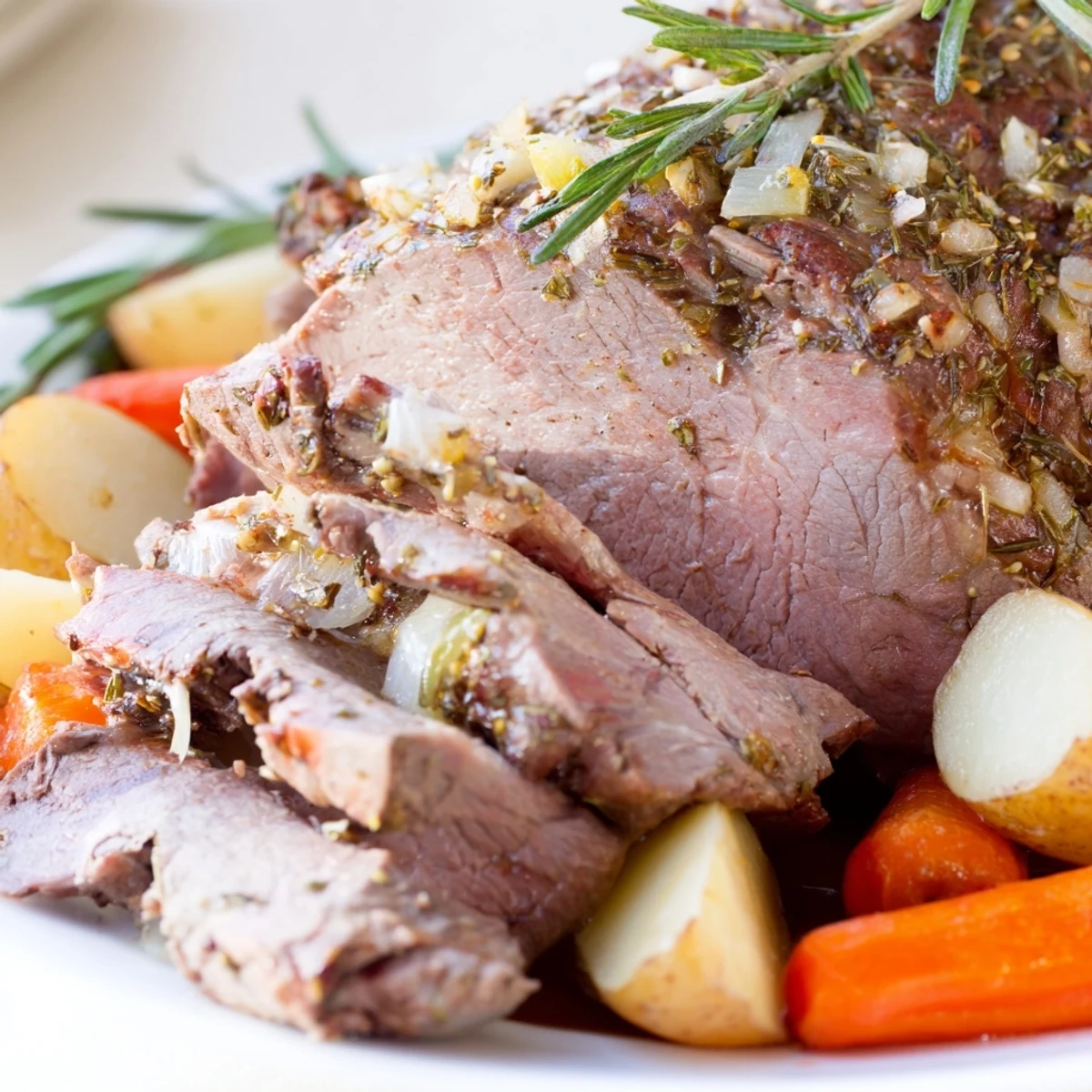
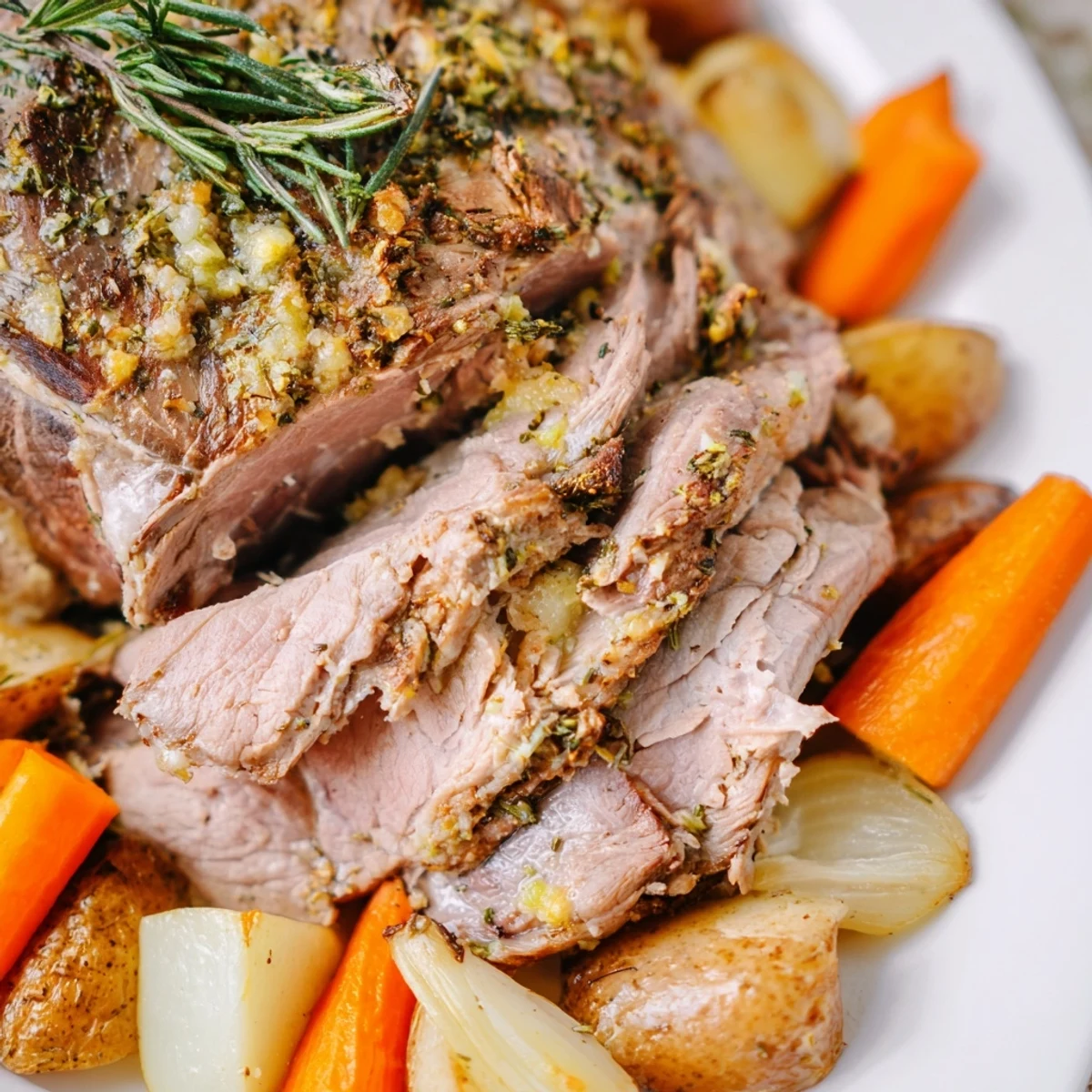
- Remove the lamb from the oven and let it rest loosely covered for 15 minutes—this keeps the juices from running out when you slice. Carve against the grain into thick, tender slices and pour the pan juices over everything.
 Save to Pinterest
 One Sunday, my neighbors smelled this cooking and just showed up at my door with wine and appetite. We ended up laughing at the table until after dark, and that's when food stops being about technique and becomes about bringing people together.
Why Slow Roasting Changes Everything
The three-hour cook time isn't a burden—it's the whole point. Slow heat breaks down the lamb's muscle fibers gently, rendering the fat into silky richness instead of rubbery toughness. The long roast also lets the garlic and lemon penetrate deep into the meat rather than sitting on the surface. By the time you carve it, every bite tastes like the aromatics have been there all along.
Vegetables That Taste Like the Lamb
Don't think of the roasted vegetables as an afterthought. They sit beneath the lamb and absorb all those drippings—the fat, the herb oils, the caramelized bits. Carrots turn honeyed and sweet, potatoes become crispy outside and creamy inside, and onions practically melt. Plate them alongside the carved lamb so everyone gets their share of that gold.
Making This Meal Feel Special
This dish feels fancy without requiring fancy technique, which is why it works for both weeknight cooking and celebrations. The ingredients list looks long, but most are just seasonings you probably have on hand. Set the roast early in the afternoon, and by dinner time you'll have something that tastes like you spent all day in the kitchen.
- Pair this with a full-bodied red wine like Syrah or Cabernet Sauvignon that can stand up to the lamb's richness.
- If you want extra lemon brightness, zest another lemon over the carved lamb just before serving.
- Leftovers shred beautifully into sandwiches or salads the next day.
 Save to Pinterest
 This is the kind of meal that settles into memory, the kind people ask you to make again and again. It teaches you that good cooking is less about rushing and more about trusting time and heat to do their work.
Recipe FAQs
- → How do I prepare the garlic for the lamb?
-
Peel and halve the garlic cloves, then insert them into deep slits made all over the leg, enhancing the flavor throughout the meat.
- → What temperature should I roast the lamb at?
-
Start roasting at 150°C (300°F) covered for 2.5 hours, then remove the cover and roast at 200°C (400°F) for 30 minutes to brown the surface.
- → Can I substitute the vegetables used in the dish?
-
Yes, while carrots, onions, and baby potatoes are traditional, sweet potatoes or parsnips can be used for variation.
- → Why is it important to rest the lamb after roasting?
-
Resting allows the juices to redistribute throughout the meat, resulting in a more tender and juicy texture when carved.
- → What liquids can be used for roasting this lamb?
-
Dry white wine or low-sodium chicken broth can be poured into the roasting pan base to add moisture and depth of flavor during cooking.