
 Save to Pinterest
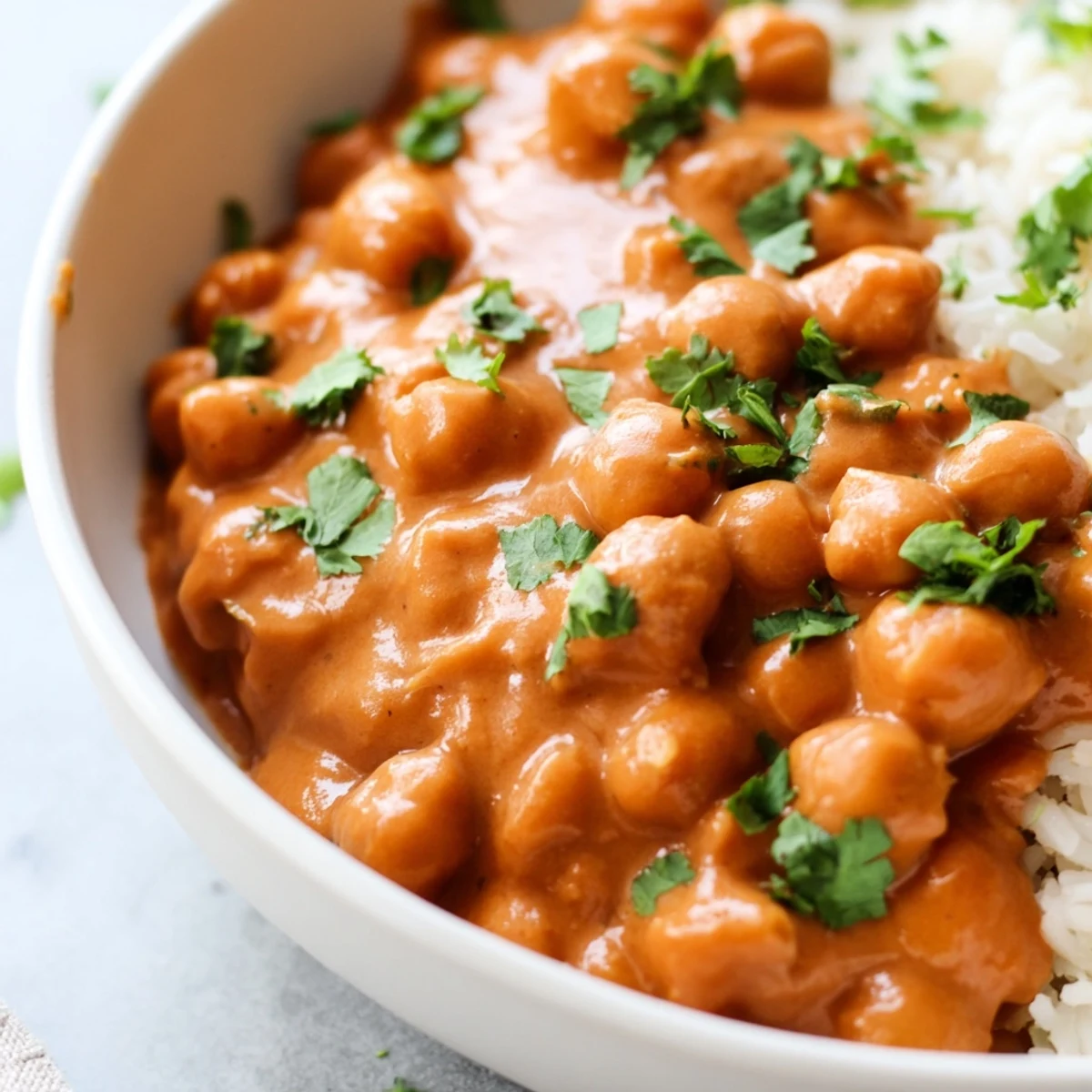
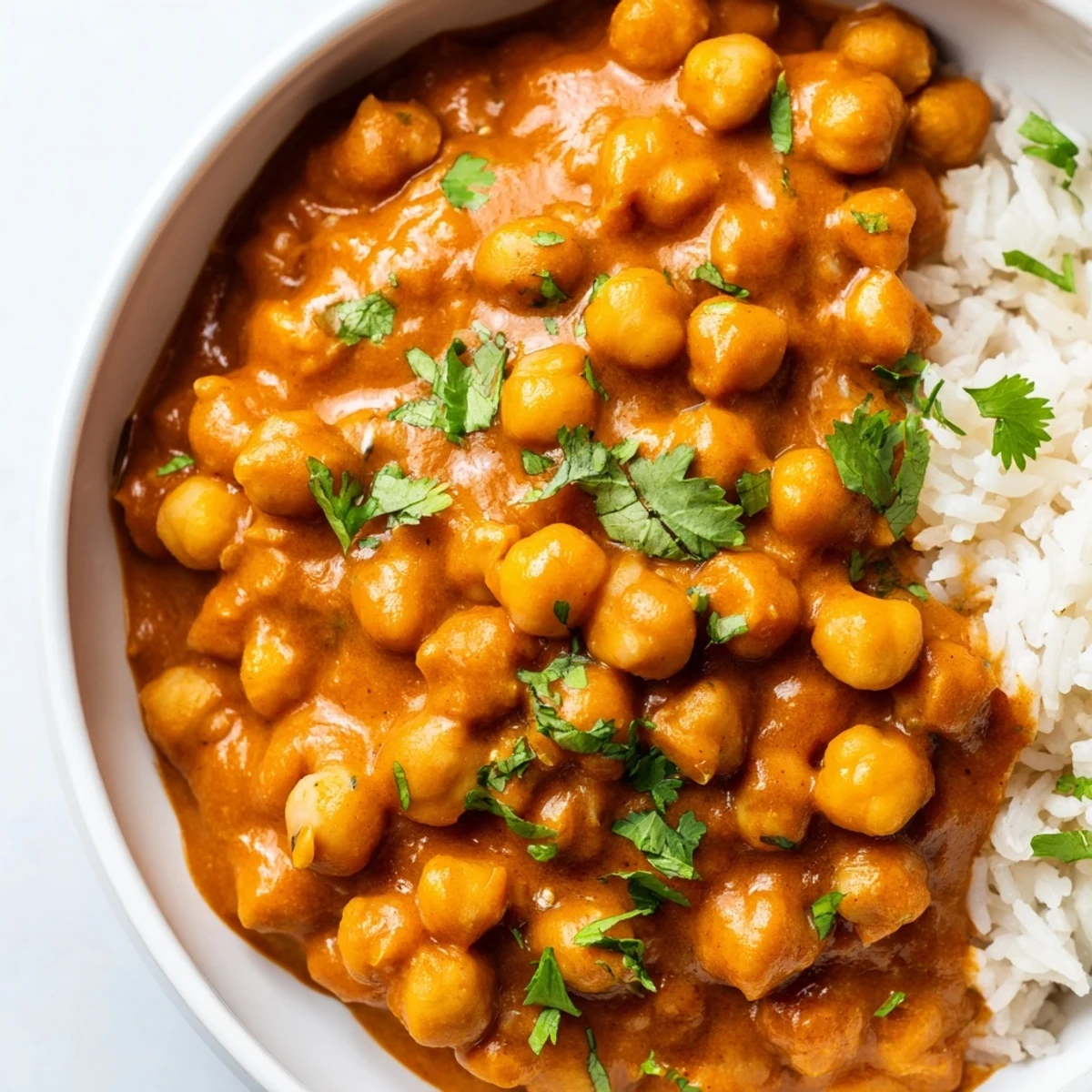
 This dish features tender chickpeas simmered in a fragrant blend of garam masala, cumin, coriander, and smoked paprika, cooked in a creamy tomato and coconut milk base. Served over fluffy basmati rice, the combination offers a hearty, plant-based meal full of warmth and vibrant flavors. Aromatics like garlic, ginger, and fresh cilantro enhance the dish, while maple syrup and lemon juice balance savory and tangy notes. Ideal for a satisfying, medium-difficulty Indian-inspired main course.
The first time I made tikka masala, I wasn't trying to be vegan—I just grabbed what was in my pantry on a Tuesday night when I craved something warm and aromatic. Coconut milk instead of cream, chickpeas instead of paneer, and suddenly I'd stumbled into something so rich and comforting that I stopped thinking about what was missing entirely. That night taught me that the best plant-based cooking isn't about substitutes; it's about letting whole ingredients shine on their own terms.
I made this for a dinner party last spring, and my friend who'd been skeptical about vegan cooking took one bite and asked for the recipe before dessert even arrived. Watching someone's assumptions shift over a single plate of food reminded me why I love cooking this way—there's nothing to apologize for, nothing to explain away.
Ingredients
- Coconut oil or olive oil: Coconut oil brings a subtle sweetness that suits the spices, but olive oil works beautifully too if that's what you have on hand.
- Onion, garlic, ginger, green chili: This aromatic base is non-negotiable—it's where the sauce gets its soul, so don't rush browning the onions.
- Garam masala, cumin, coriander, paprika, turmeric, cayenne: Toast these together for just a minute or two until your kitchen smells incredible, which signals they're releasing their full flavor.
- Canned tomatoes and coconut milk: Full-fat coconut milk is essential here; light versions won't give you that luxurious texture the sauce deserves.
- Chickpeas: Drain and rinse them well to remove excess starch, which helps the sauce cling beautifully to each bean.
- Maple syrup: A small spoonful balances the acidity of tomatoes and adds subtle depth that makes people ask what your secret ingredient is.
- Lemon juice and cilantro: These come at the end to brighten everything and remind your palate that you're eating something alive and fresh.
- Basmati rice: Rinsing it removes excess starch so each grain stays separate and fluffy, a small step that makes a noticeable difference.
Instructions
- Start with the rice:
- Rinse basmati under cold water until the water runs clear, which takes longer than you'd expect but matters. Combine rice, water, and salt in a medium saucepan, bring to a boil, then reduce to low heat, cover, and simmer for 15 minutes—set a timer so you don't forget it.
- Brown the aromatics:
- Heat oil in your largest skillet over medium heat and sauté the onion for 5 to 7 minutes until it's soft and golden, stirring occasionally so it colors evenly. Add garlic, ginger, and chili if using, and cook for another 1 to 2 minutes until the kitchen fills with that unmistakable spiced-kitchen smell.
- Toast the spices:
- Stir in garam masala, cumin, coriander, paprika, turmeric, and cayenne, and cook for just 1 minute—long enough to wake them up but not so long they burn. You'll know it's right when the raw flour-like smell transforms into something toasty and complex.
- Build the sauce:
- Add the chopped tomatoes and let them cook for about 5 minutes, stirring occasionally, until they begin to soften and release their juices. Pour in the coconut milk slowly, stirring as you go, so it blends smoothly into the tomatoes rather than sitting on top.
- Simmer with chickpeas:
- Add the drained chickpeas along with salt, black pepper, and maple syrup, then bring everything to a gentle simmer. Uncover and cook for 15 to 20 minutes, stirring every few minutes, until the sauce thickens and takes on a rich, creamy appearance.
- Finish with brightness:
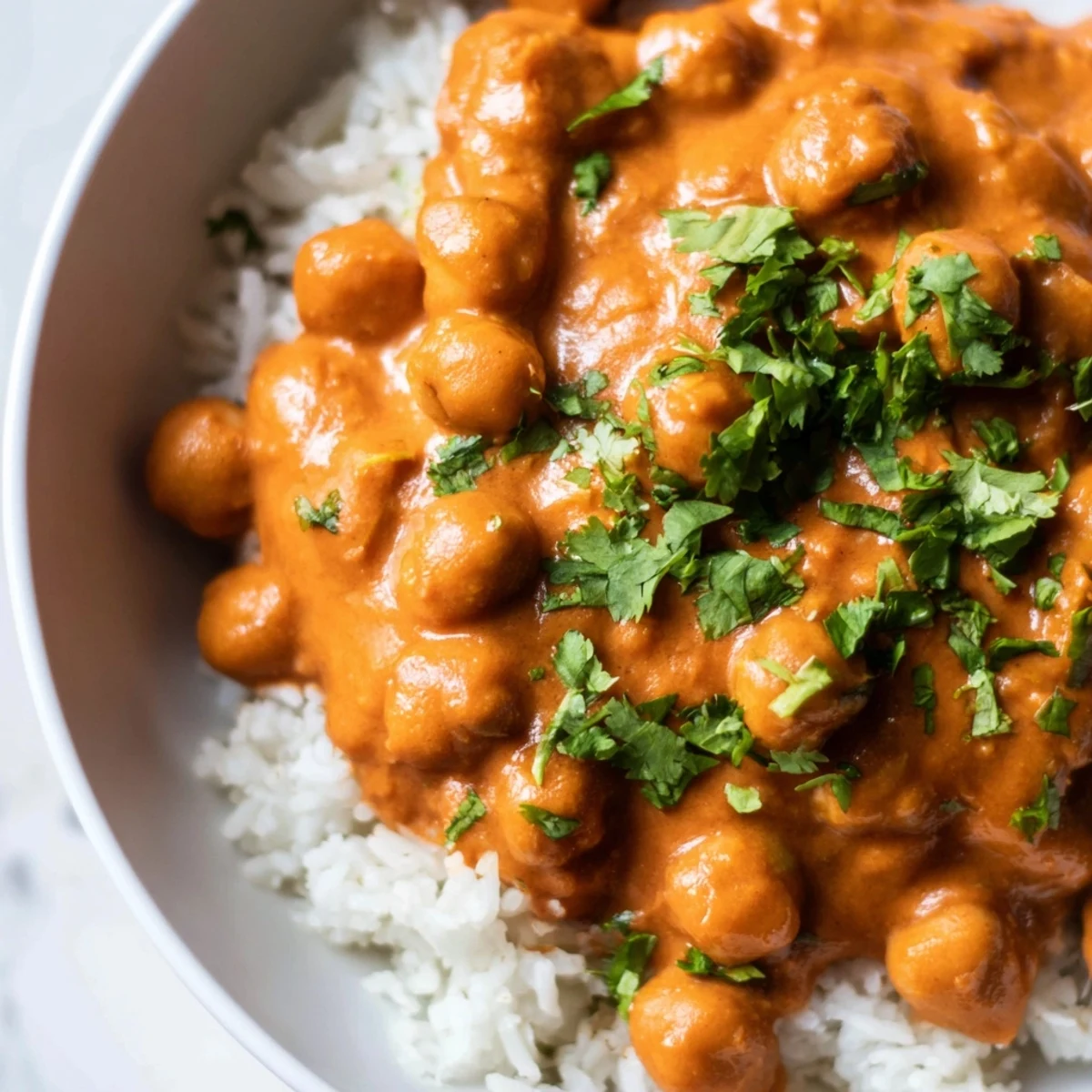
- Stir in lemon juice and fresh cilantro, taste the sauce, and adjust salt or spices if needed—you're looking for a balance of warm spice, tomato richness, and subtle citrus. Fluff the rice with a fork, plate it, and serve the tikka masala piled on top with extra cilantro scattered across.
 Save to Pinterest
 There's a quiet moment when the sauce shifts from thin and tomato-forward to something thick and silky, where the coconut milk and spices have married completely. That's the moment I know it's ready, and usually when I've already promised someone it'll be done in five minutes.
Why This Tastes Like a Restaurant
Toasting your spices is the non-negotiable step that separates homemade from forgettable. When you add raw spice powder directly to liquid, it stays flat and one-dimensional, but a minute in the heat transforms them into something warm and complex that makes people lean over their plate. The second secret is patience with the onions—let them caramelize slowly and you're building the foundation that makes everything else taste deeper and richer.
Customizing to Your Taste
I've made this recipe dozens of ways depending on what's available and what I'm craving that day. Some nights I roast the chickpeas in the oven with a dusting of the spices before adding them to the sauce, which gives them a slightly crispy edge and makes the dish feel more special. Other times I add fresh spinach or thick-cut vegetables in the last few minutes of cooking, letting them soften just slightly so they stay tender rather than melting completely into the sauce.
Serving Suggestions and Pairings
Basmati rice is the traditional pairing, but I've also served this over quinoa when I wanted something slightly nuttier, or over crusty bread that soaks up every drop of sauce. If you want to round out the meal, a simple cucumber and tomato salad with lime juice cuts through the richness beautifully, or vegan naan if you have the time or access to it. This dish also freezes exceptionally well in portions, so making a double batch means future-you gets a weeknight meal that tastes like you cooked all afternoon.
- Serve with vegan naan or flatbread for scooping up extra sauce.
- A side salad with fresh lime juice balances the richness without overwhelming it.
- Leftovers taste even better after sitting overnight in the fridge as flavors meld.
 Save to Pinterest
 This recipe reminds me that the most satisfying food doesn't require restriction or apology—just good ingredients cooked with attention and care. Make it once to learn it, then make it again however you like.
Recipe FAQs
- → What spices are used in this dish?
-
Garam masala, cumin, coriander, smoked paprika, turmeric, and optional cayenne pepper create the complex spice blend.
- → How is the basmati rice prepared?
-
Rinsed until water runs clear, then simmered with water and salt until tender and fluffy.
- → Can I adjust the heat level?
-
Yes, by varying green chili and cayenne pepper amounts to suit your preferred spice tolerance.
- → What cooking oils work best?
-
Coconut oil or olive oil are recommended for sautéing the aromatics and spices.
- → How can extra flavor depth be added?
-
Roasting the chickpeas with spices before combining them into the sauce adds more texture and flavor.
- → Is this suitable for gluten-free diets?
-
Yes, this dish uses gluten-free ingredients and naturally fits gluten-free dietary needs.