
 Save to Pinterest
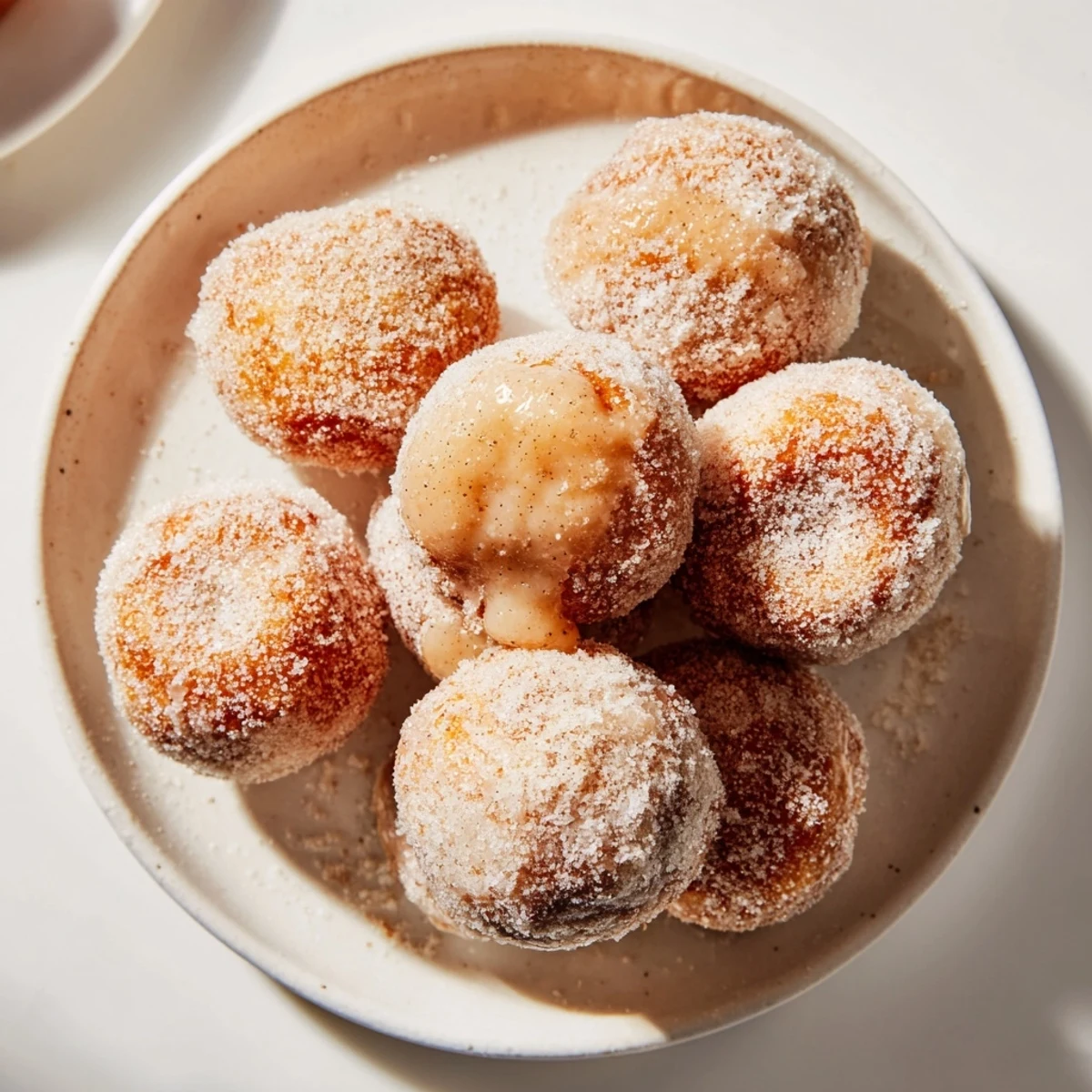
 These fluffy, bite-sized dough treats are lightly fried until golden and coated with a fragrant cinnamon sugar blend. They provide a perfect balance of a tender interior and crisp exterior. Simple to make, they combine mild spices with a buttery cinnamon sugar coating, creating a flavorful bite that's ideal for breakfast or coffee time. Whether freshly made or reheated, they offer a delightful snack experience with minimal preparation.
I'll never forget the first time I made cinnamon sugar donut holes from scratch—it was a lazy Sunday morning, and my kitchen filled with the most incredible aroma of cinnamon and fried dough. My roommate wandered in following her nose, and within minutes we were both hovering over the cooling rack like kids on Christmas morning. These little golden puffs became our instant favorite, and now they're the first thing I reach for when I want to feel like a bakery is hiding in my kitchen.
I made these for my book club once, arriving early to warm them up, and honestly, they disappeared before anyone even sat down. One friend asked for the recipe right there, and now she texts me pictures of her batches. There's something about homemade donut holes that turns everyone into a version of themselves that just wants to smile and eat.
Ingredients
- 2 cups all-purpose flour: The foundation of your fluffy crumb—don't sift it unless you love a dense result; I just spoon and level
- 1/4 cup granulated sugar: Just enough sweetness in the dough itself; the real sugar party happens in the coating
- 2 tsp baking powder: This is your lift, your fluff—make sure it's fresh or your holes will be heavy
- 1/2 tsp baking soda: Works with the baking powder to keep everything tender and light
- 1/2 tsp salt: Balances the sweetness and makes the vanilla shine
- 1/2 tsp ground cinnamon: Right in the dough so every bite has that warm spice woven through
- 2/3 cup whole milk: Keeps the crumb tender; don't use skim, the fat matters here
- 2 large eggs: Bind everything together and add richness
- 2 tbsp unsalted butter, melted: For brushing before the sugar coating—this is what makes it stick
- 1 tsp vanilla extract: That little whisper of flavor that makes people ask what your secret is
- 4 cups vegetable oil for deep frying: Deep and hot is the only way; I use a candy thermometer because guessing is how you get dense donut holes
- 1/2 cup granulated sugar for coating: Combined with cinnamon, this is the star of the show
- 1 1/2 tsp ground cinnamon for coating: The fragrance alone will make your home smell like a donut shop
Instructions
- Whisk the dry ingredients together:
- In a large bowl, combine your flour, sugar, baking powder, baking soda, salt, and cinnamon. I use a whisk and make sure everything is evenly distributed—no streaks of cinnamon, no pockets of baking powder. This step is where the magic of even texture begins.
- Combine the wet ingredients:
- In another bowl, whisk together your milk, eggs, melted butter, and vanilla. The mixture should be smooth and combined, like you're ready to bring two worlds together.
- Gently marry them together:
- Pour the wet into the dry and use a spatula to fold them together—and I mean gently. Stop as soon as you don't see dry flour anymore. Overmixing is the silent donut hole killer; lumps are your friend here because they mean tender crumbs.
- Heat your oil to the perfect temperature:
- Pour 4 cups of vegetable oil into your deep pot and heat it to exactly 350°F. Use a thermometer—this isn't a guess situation. While you wait, line a plate with paper towels and get your shallow bowl ready with the cinnamon sugar mix.
- Fry in gentle batches:
- Using a small cookie scoop or two teaspoons, drop tablespoon-sized portions of dough into the hot oil. Don't crowd the pot—give them room to float and dance. You should hear a gentle sizzle, not an aggressive roar.
- Watch for the golden turn:
- Let them fry for 2–3 minutes, gently turning them occasionally with a slotted spoon so they brown evenly all over. When they're golden and crispy outside, they're ready to come out.
- Drain with care:
- Remove them with a slotted spoon and place them on your paper towel–lined plate. Let them rest for just a minute—they're still cooking from residual heat.
- Brush and roll while warm:
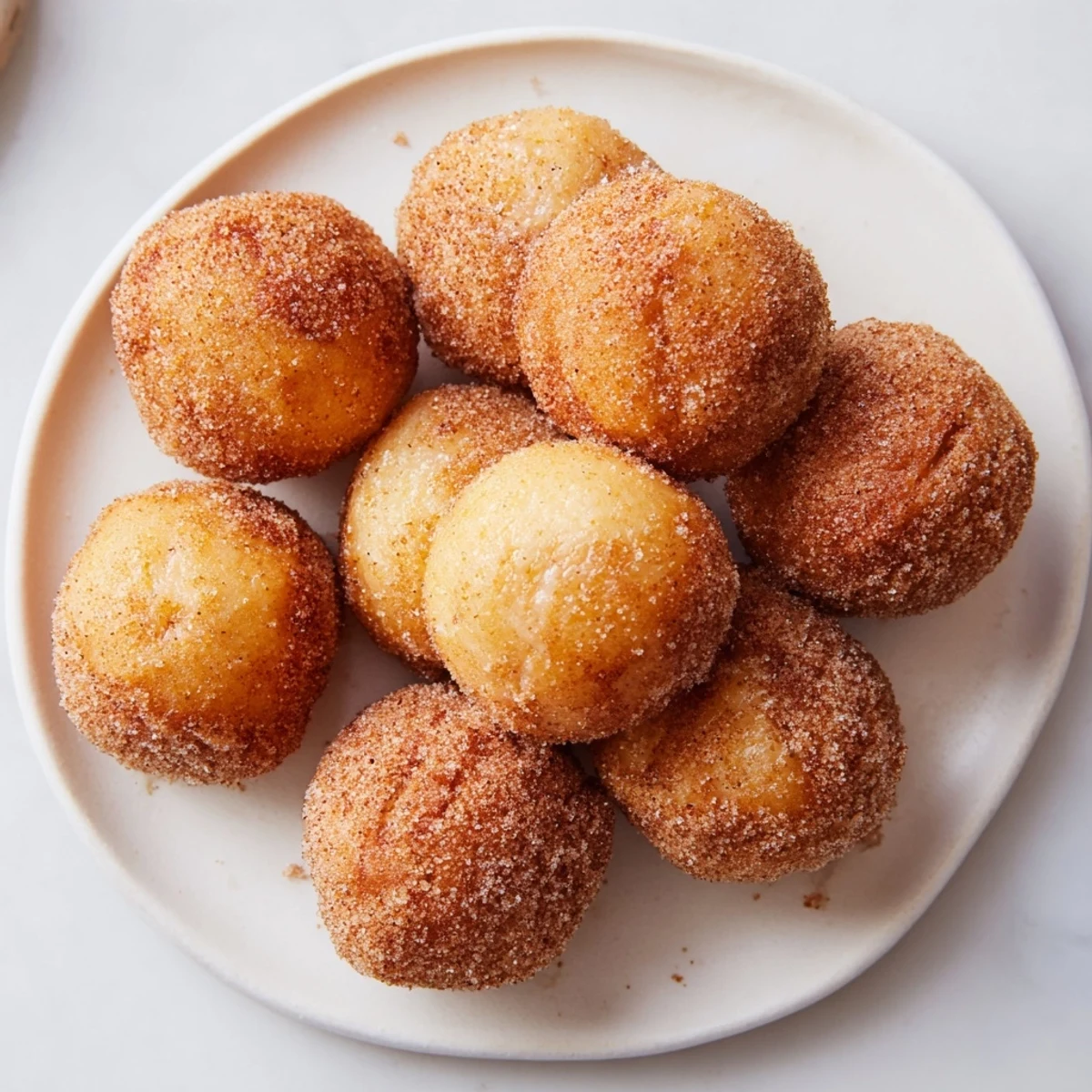
- This is the moment that matters—while they're still warm, brush each donut hole lightly with melted butter, then immediately roll it in your cinnamon sugar mixture. The butter makes the coating cling like it belongs there.
- Serve as soon as they're cool enough to eat:
- They're best warm, when the outside is still a little crispy and the inside is still tender and warm.
 Save to Pinterest
 There was this one morning when my neighbor smelled them frying and came over with her kids, and we all stood in my kitchen together, eating warm donut holes straight off the cooling rack. Her daughter's face lit up in that pure, uncomplicated way that kids have, and I realized these little things were more than a recipe—they were a moment.
The Secret to Fluffy Donut Holes
The difference between dense, heavy donut holes and fluffy, tender ones comes down to two things: not overmixing the batter and keeping your frying temperature steady. When I started paying attention to these details, my donut holes transformed. The batter should come together with some small lumps visible—that's exactly right. Those lumps create pockets of air that turn into heaven when they hit the hot oil.
Storage and Make-Ahead Magic
Fresh is always best, but I've learned that donut holes keep beautifully in an airtight container for up to 2 days. I like to reheat them gently in a 300°F oven for about 5 minutes to bring back that crispy exterior. They're also surprisingly good at room temperature if you're packing them for a picnic or morning at the office, though I won't judge you if you eat them all immediately—I usually do.
Flavor Variations That Changed My Life
Once you master the basic recipe, the variations are endless and so much fun to explore. A pinch of nutmeg in the dough adds a subtle warmth that people taste but can't quite name. I've also tried adding a tiny bit of almond extract, which makes them taste almost like they came from a professional bakery. For an extra indulgent version, I've dipped the finished donut holes in melted chocolate and sprinkled them with sea salt, though that's definitely when they go straight into the eat-immediately category.
- Nutmeg adds a mysterious warmth that elevates the whole batch
- Almond extract gives a bakery-quality depth without being obvious
- A tiny pinch of cardamom is incredible if you're feeling adventurous
 Save to Pinterest
 These donut holes have a way of making ordinary moments feel special. Whether you're making them for yourself on a quiet morning or sharing them with people you love, they taste like care and intention.
Recipe FAQs
- → What frying temperature is best?
-
Maintain oil temperature around 350°F (175°C) to ensure even cooking and a golden crisp exterior without absorbing excess oil.
- → Can these be baked instead of fried?
-
Yes, bake at 375°F (190°C) for 10–12 minutes for a lighter alternative that still delivers tender dough and a cinnamon sugar finish.
- → How do I prevent overmixing the dough?
-
Gently fold wet ingredients into dry until just combined to keep the donut holes fluffy and tender.
- → What gives the coating its flavor?
-
A simple mix of granulated sugar and ground cinnamon, brushed onto warm pieces with melted butter for enhanced sweetness and spice.
- → Can I add other spices?
-
Yes, a pinch of nutmeg or other warm spices can be added to the dough for extra depth and aroma.