
 Save to Pinterest
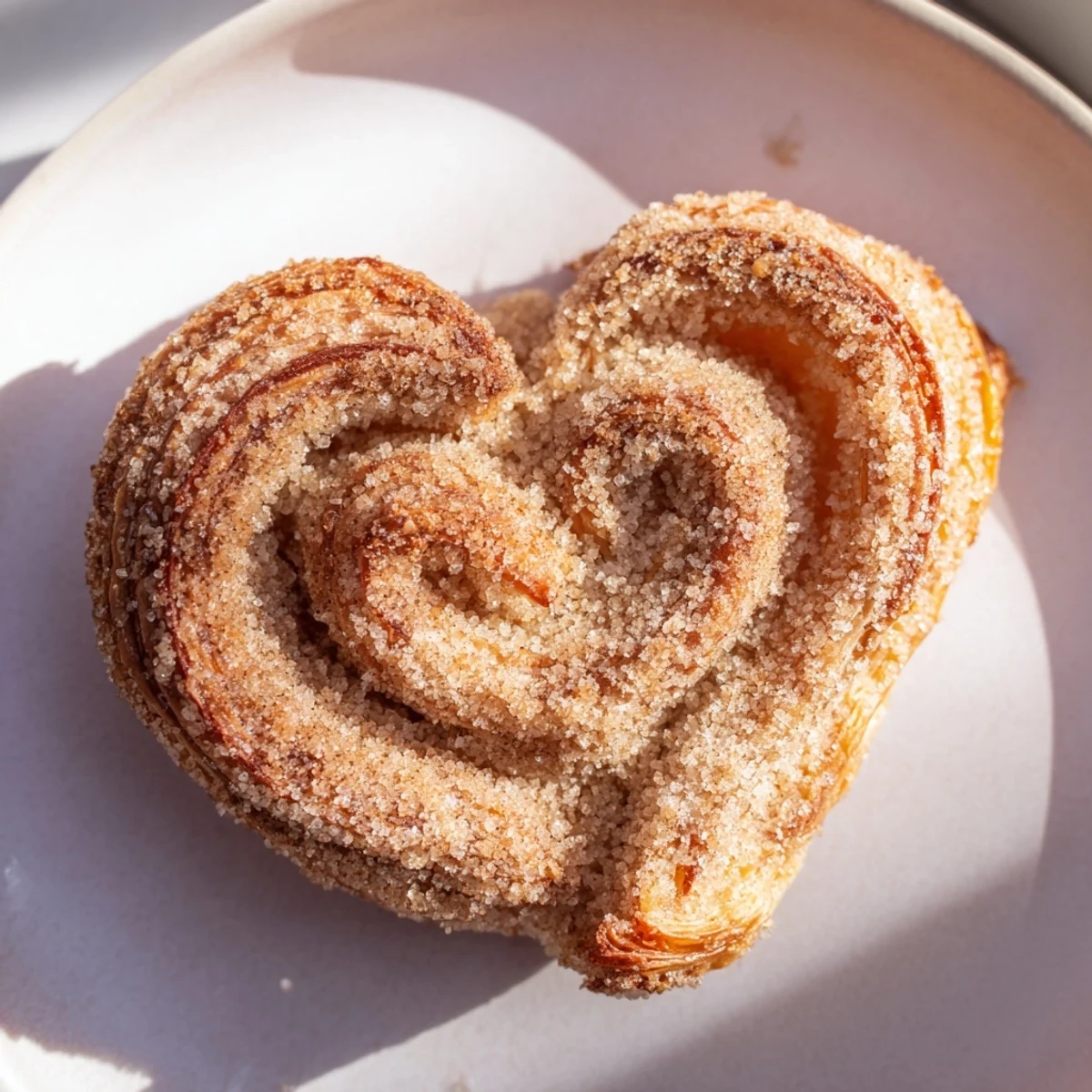
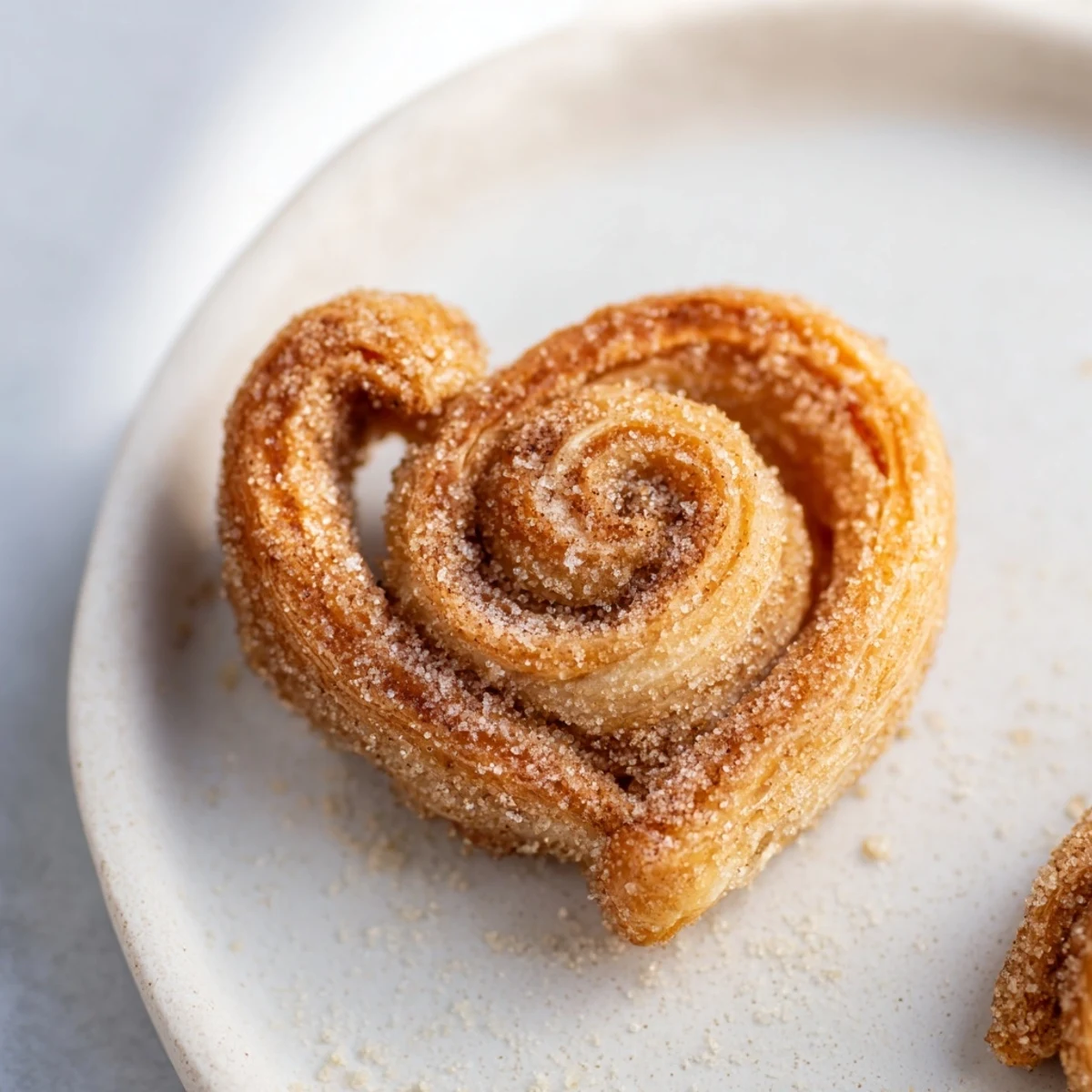
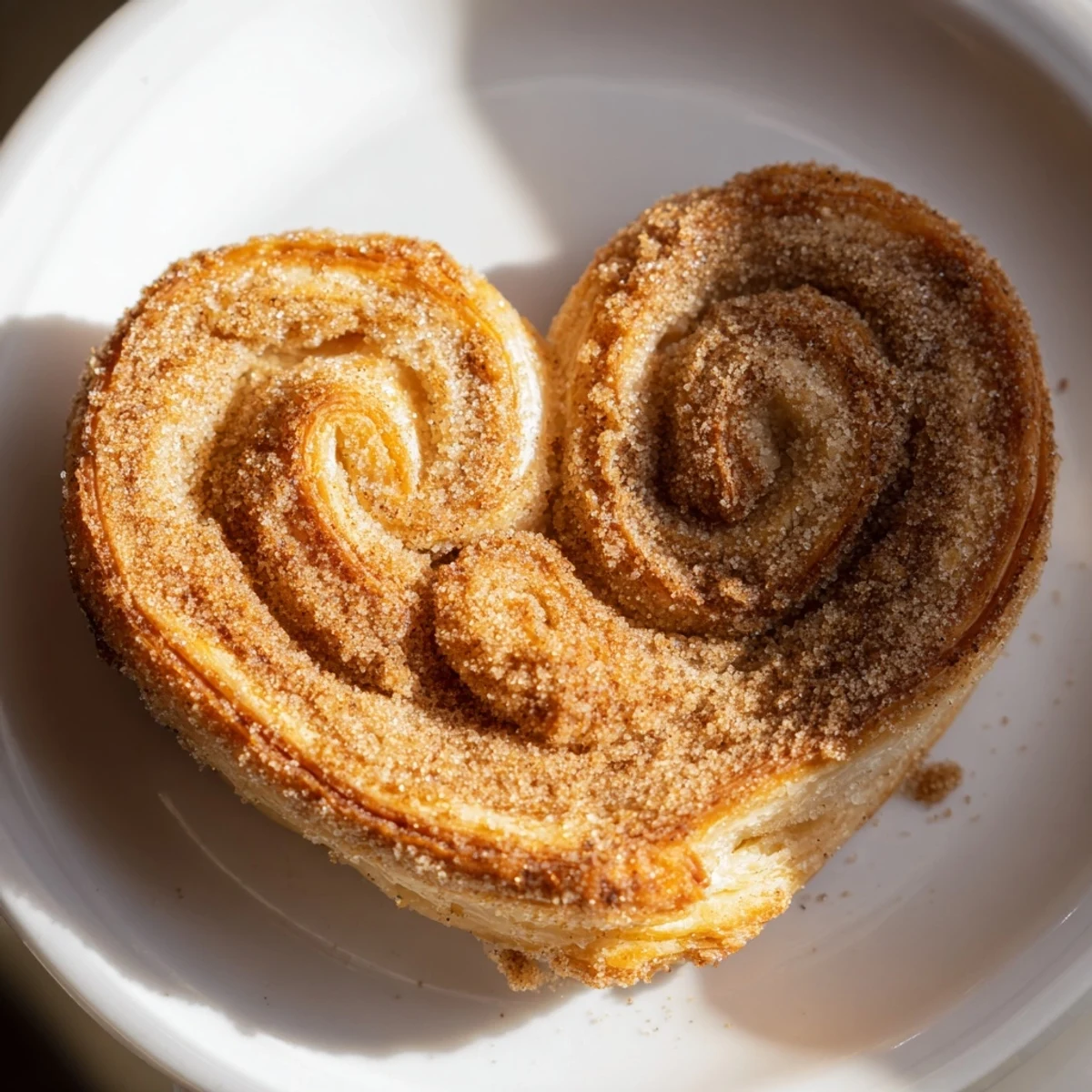
 These delicate French palmiers combine buttery puff pastry with a fragrant cinnamon sugar blend. Rolled into a double spiral and baked until crisp and golden, they offer a sweet, caramelized texture that pairs wonderfully with warm drinks. Prepared quickly with minimal ingredients, they deliver an irresistible crispy bite with a hint of spice, ideal for sharing or solo indulgence.
There's something about the crisp snap of a palmier that makes a Tuesday morning feel like a French bakery. I discovered these little spirals by accident, actually—my roommate left a sheet of puff pastry on the counter, and instead of letting it go to waste, I started rolling it with cinnamon sugar and wondering what would happen. Twenty minutes later, my kitchen smelled like a patisserie, and I couldn't stop eating them warm.
I made these for a Sunday brunch once, and my partner actually paused mid-conversation to ask for the recipe. That's when I knew they were worth keeping in rotation. Now they're my go-to when I want to impress someone without spending hours in the kitchen.
Ingredients
- All-butter puff pastry (1 sheet, about 250 g): Use the real stuff if you can—the laminated butter is what creates those shattered, golden layers that make people lean in for another bite.
- Granulated sugar (1/2 cup): This is your sweetness base, and it'll caramelize beautifully on the pastry edges if you give it time in the oven.
- Ground cinnamon (2 tsp): Don't skimp here—the warm spice is what makes these feel like an event, not just a snack.
- Fine sea salt (1/8 tsp, optional): A whisper of salt brings out the sweetness and prevents these from tasting one-dimensional.
- Extra sugar for sprinkling: That final dusting before baking gives you the textural contrast that catches people's attention.
Instructions
- Get your oven and workspace ready:
- Preheat to 400°F with parchment-lined baking sheets waiting. I do this first because once you start working with the pastry, you'll want to move quickly—it softens faster than you'd think.
- Build your cinnamon sugar blend:
- Mix the sugar, cinnamon, and salt in a small bowl so the flavors are evenly distributed throughout. This takes one minute and makes all the difference.
- Toast the pastry in sweetness:
- Sprinkle half your mixture on the counter, place the pastry on top, and cover it with the rest. You want it generously coated but not wasteful.
- Press and roll with intention:
- Use your rolling pin to gently expand the pastry to about 10x12 inches, letting that cinnamon sugar work into the layers. You'll hear a soft crackling as the sugar settles—that's good.
- Create the iconic spiral:
- Starting from one long edge, roll tightly toward the center, then do the same from the opposite side until they meet in the middle. It feels like you're wrapping two gifts that belong together.
- Slice and arrange:
- Using a sharp knife, cut crosswise into half-inch pieces. You'll get about 24 little spirals, each one ready to become something beautiful.
- Give them space and sugar:
- Place them cut-side up on your baking sheets with room between each one—they need that air to puff and caramelize. A light sprinkle of extra sugar on top adds shine and crunch.
- Bake in two phases:
- Bake for 8-10 minutes until the undersides are golden, then flip each one carefully and bake another 7-8 minutes until the top side catches that caramel color. The flip is the secret to even, crispy results.
- Cool with patience:
- Let them rest on the baking sheet for 5 minutes before moving to a wire rack. This lets the caramel set slightly so they stay crispy when you pick them up.
 Save to Pinterest
 There was a moment when I pulled the second batch from the oven and my neighbor wandered over drawn by the smell. She took one palmier and closed her eyes like it was the best thing she'd eaten in months. That's when I realized these aren't just pastries—they're a small, edible kindness you can make on a whim.
The Art of the Perfect Flip
Flipping your palmiers halfway through baking seems like a small detail, but it's genuinely transformative. The first side gets a gentle golden tone, but when you flip them and give them those last few minutes, the heat hits the sugar from a fresh angle and creates that deep caramel color that catches light. I learned this after my first batch came out lopsided and pale, and I never skip it now.
Timing and Temperature Matter More Than You'd Think
Every oven is different, so watch your palmiers closely during those final minutes—you want golden, not brown. The moment they start looking caramelized, they're usually done. I set a timer for 8 minutes on the first side and 7 on the second, but I always check a minute early just to be sure.
Playing with Variations and Storage
Once you master the basic version, you can start experimenting without stress. A little orange zest stirred into the cinnamon sugar creates a brighter flavor that feels less expected and more sophisticated. A faint brush of melted butter before the final bake deepens the caramelization if you want them extra glossy.
- Store them in an airtight container for up to 3 days, though they're best within the first 24 hours when the contrast between crispy edges and tender centers is still perfect.
- You can also freeze the uncooked palmiers on a baking sheet and bake them straight from frozen—just add a minute or two to the second bake time.
- If you want to gift these, pack them in a pretty box with parchment between layers so they don't stick together.
 Save to Pinterest
 These palmiers have become my favorite thing to make when I want the feeling of a French bakery without the early morning alarm. They're proof that simple ingredients and a little attention to detail can create something that tastes far more impressive than the effort you put in.
Recipe FAQs
- → What kind of pastry is best for palmiers?
-
All-butter puff pastry provides the ideal flaky and buttery texture for palmiers, ensuring lightness and crispness after baking.
- → How do I achieve a crisp texture?
-
Rolling the cinnamon sugar thoroughly into the pastry and baking until golden on both sides creates a delicate, crisp finish.
- → Can I add flavor variations?
-
Yes, adding orange zest to the cinnamon sugar mixture introduces a fresh, citrusy note that complements the sweetness.
- → What is the ideal baking temperature?
-
Baking at 400°F (200°C) ensures quick caramelization and a crispy outer layer without overbaking the pastry.
- → How should palmiers be stored?
-
Store them in an airtight container for up to three days to maintain their crisp texture and flavor.
- → Is it necessary to flip the palmiers during baking?
-
Flipping halfway through baking promotes even caramelization and a balanced crispness on both sides.