
 Save to Pinterest
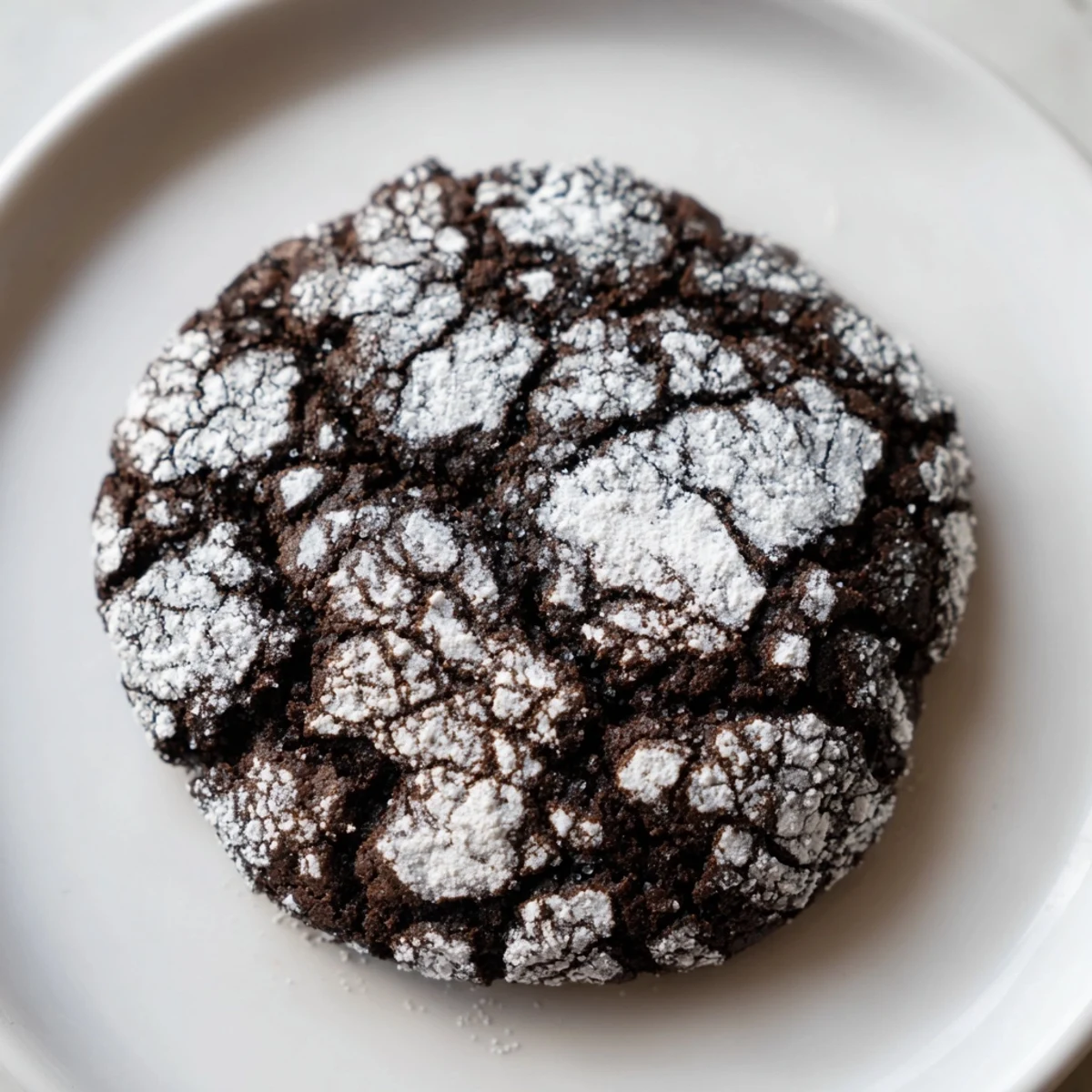
 These crinkle treats boast a soft and fudgy center enriched with cocoa powder and vanilla. Rolled in powdered sugar, they create a signature crackled look after baking. The dough is chilled to enhance texture, ensuring each bite melts softly. Quick to prepare and bake, they make for a delightful chocolate-infused dessert with an irresistibly chewy crumb and sweet exterior.
There's something magical about the moment a crinkle cookie emerges from the oven—that perfect balance of a fudgy center hidden beneath a crackled, snowy exterior. My first attempt was actually a accident; I'd grabbed cocoa powder instead of flour for a different recipe and ended up with these instead, which turned out to be far better. Now they're the cookies I make when I want something impressive but honestly don't have much time. The powdered sugar coating does all the glamorous work for you.
I remember bringing these to a potluck and watching my usually skeptical friend eat three before I'd even set the plate down. She kept saying they looked store-bought, which I'm still not sure was a compliment, but the compliment came through loud and clear when they vanished within twenty minutes. That's when I knew this recipe was keeper material.
Ingredients
- All-purpose flour: Use fresh flour if you can—old cocoa and flour combinations can sometimes pick up stale flavors from the pantry.
- Unsweetened cocoa powder: This is non-negotiable; sweetened cocoa powder will throw off the sugar balance and make them cloying.
- Baking powder: Just enough to give them a gentle rise without making them cakey.
- Granulated sugar: The base of the dough's flavor and texture; don't skip it or substitute with other sugars here.
- Vegetable oil: Creates that impossibly soft, chewy texture—olive oil will overpower the chocolate, so stick with neutral.
- Eggs: They bind everything together and add richness; room temperature eggs mix in more smoothly.
- Vanilla extract: Just a touch to round out the chocolate without announcing itself.
- Powdered sugar: The signature coating that cracks as the cookies bake, creating that gorgeous spiderwebbed pattern.
Instructions
- Combine your dry team:
- Whisk together flour, cocoa powder, baking powder, and salt in a medium bowl. This prevents any lumpy cocoa powder from sneaking into the final dough—you want everything evenly distributed so every bite tastes the same.
- Build the wet base:
- In a large bowl, mix sugar with vegetable oil until it looks a bit sandy, then beat in eggs one at a time, waiting a moment between each addition. Add vanilla and stir until smooth.
- Marry the two:
- Gradually fold the dry mixture into the wet mixture, stirring until a sticky dough forms. Don't overwork it—stop as soon as you don't see any dry streaks.
- Chill and firm up:
- Cover the bowl with plastic wrap and refrigerate for at least an hour. This step isn't optional; cold dough holds its shape and gets those perfect cracks.
- Heat and prepare:
- Preheat your oven to 350°F and line baking sheets with parchment paper. Cold dough on hot sheets means better rise and that signature crackle.
- Roll and coat:
- Scoop heaping tablespoons of dough, roll each into a ball with your hands (they'll be sticky—that's correct), and roll generously in powdered sugar until completely coated. Space them 2 inches apart on your prepared sheets.
- Bake to perfection:
- Bake for exactly 10 minutes until the edges look set but the centers still jiggle slightly when you shake the pan. Overbaking ruins the chewy texture.
- Cool with patience:
- Let them sit on the baking sheet for 5 minutes so the bottoms set, then transfer to a wire rack to cool completely. They'll continue to firm up as they rest.
 Save to Pinterest
 These cookies taught me that chocolate desserts don't need to be complicated to be memorable. The first time someone asked for my recipe, I almost felt like I needed to apologize for how simple it was—until they made a batch and understood that simplicity was exactly the point.
The Secret to Those Cracks
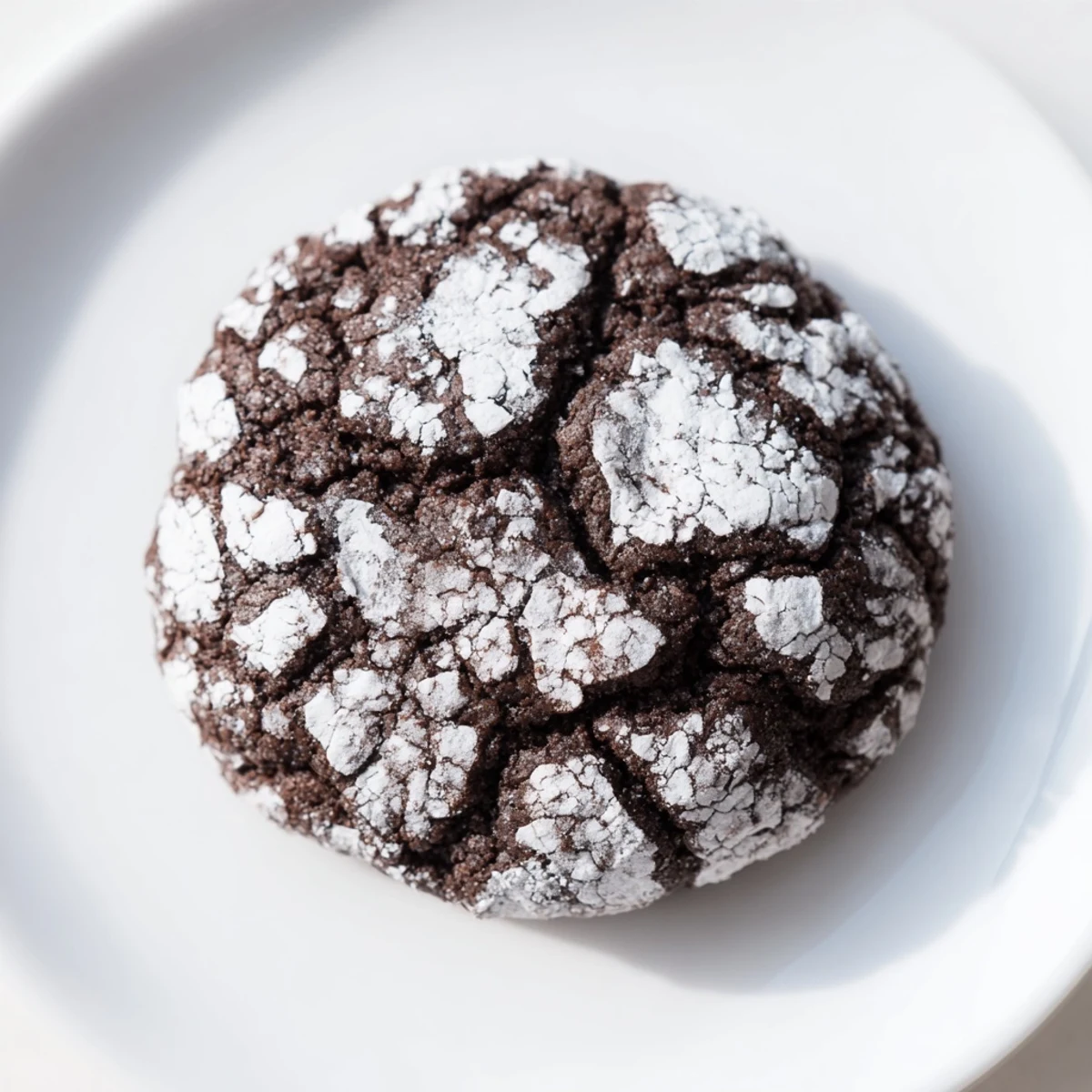
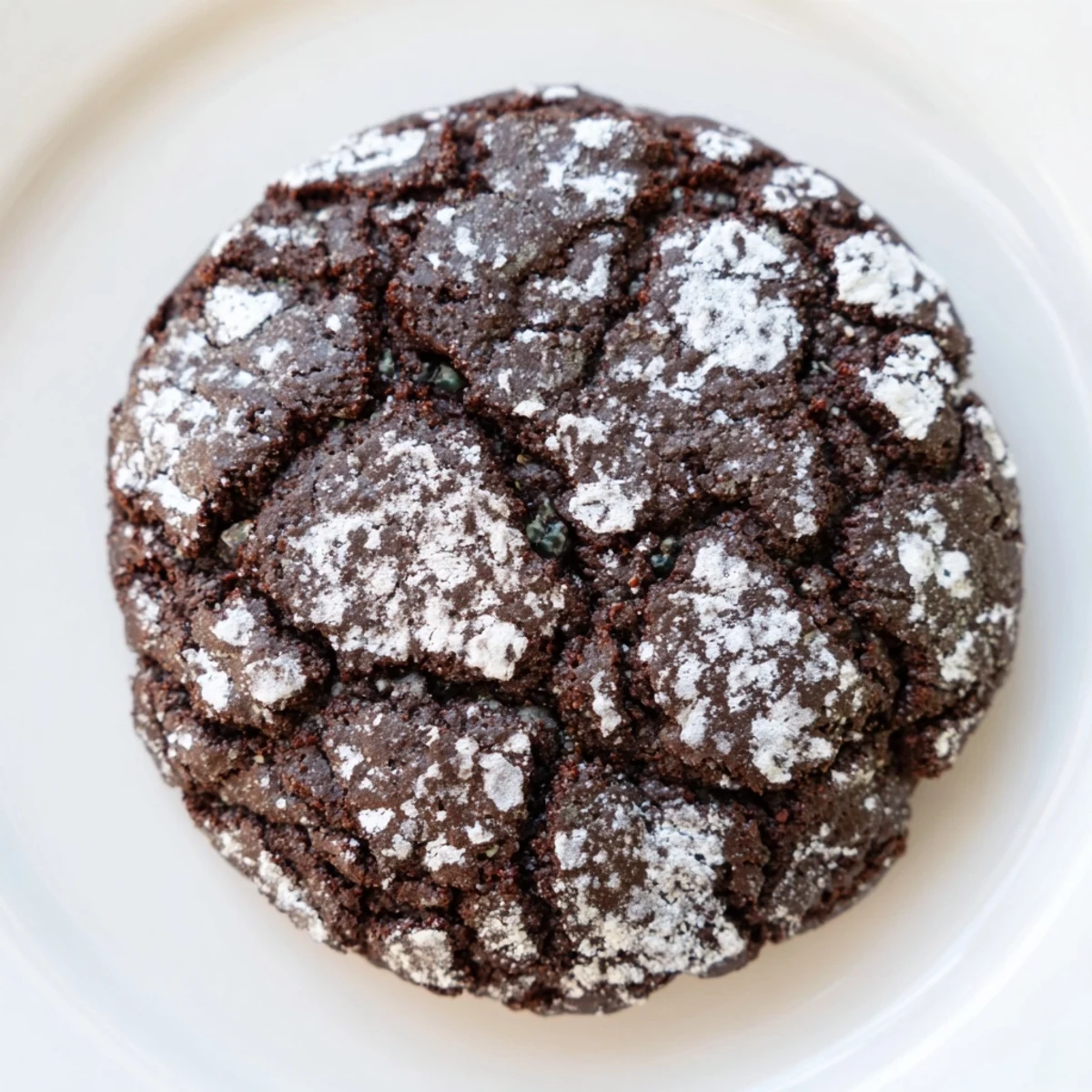
The crackled exterior happens because the powdered sugar coating doesn't fully incorporate into the dough as it bakes. Instead, it stays on the surface, creating a delicate contrast as the dough puffs up underneath. The sugar gets slightly caramelized at the edges, which adds a subtle depth to each bite. I've noticed that generously coating the dough balls—almost like you're being wasteful—gives you the most dramatic crackle pattern.
Variations That Actually Work
The base recipe is forgiving enough that you can play around. A teaspoon of instant espresso powder stirred into the dry ingredients deepens the chocolate without making them taste like coffee. Peppermint extract instead of vanilla creates a completely different vibe, perfect for the holidays. I've also swapped half the cocoa powder for finely ground espresso and added a pinch of cinnamon, which sounds odd but creates this sophisticated chocolate-spice thing that people can't quite identify.
Storage and Keeping
These stay fresh and chewy in an airtight container for up to five days at room temperature, which is longer than most cookies manage. I've learned the hard way that stacking them directly on top of each other softens the bottoms, so I layer parchment paper between each level. If they do somehow dry out by day four or five, pop the container in the oven at 300°F for three minutes—they'll revive and taste fresh-baked again.
- Keep them in an airtight container with a small piece of bread to maintain chewiness.
- Freezing works beautifully if you scoop the unbaked dough balls, freeze them on a sheet, then transfer to a bag for up to three months.
- Bake frozen dough balls at 350°F for about 12–13 minutes straight from the freezer without thawing.
 Save to Pinterest
 Crinkle cookies are proof that the best recipes don't need to be complicated—they just need to be made with a little attention and respect for the technique. Once you nail this one, they become your quiet superpower in the kitchen.