
 Save to Pinterest
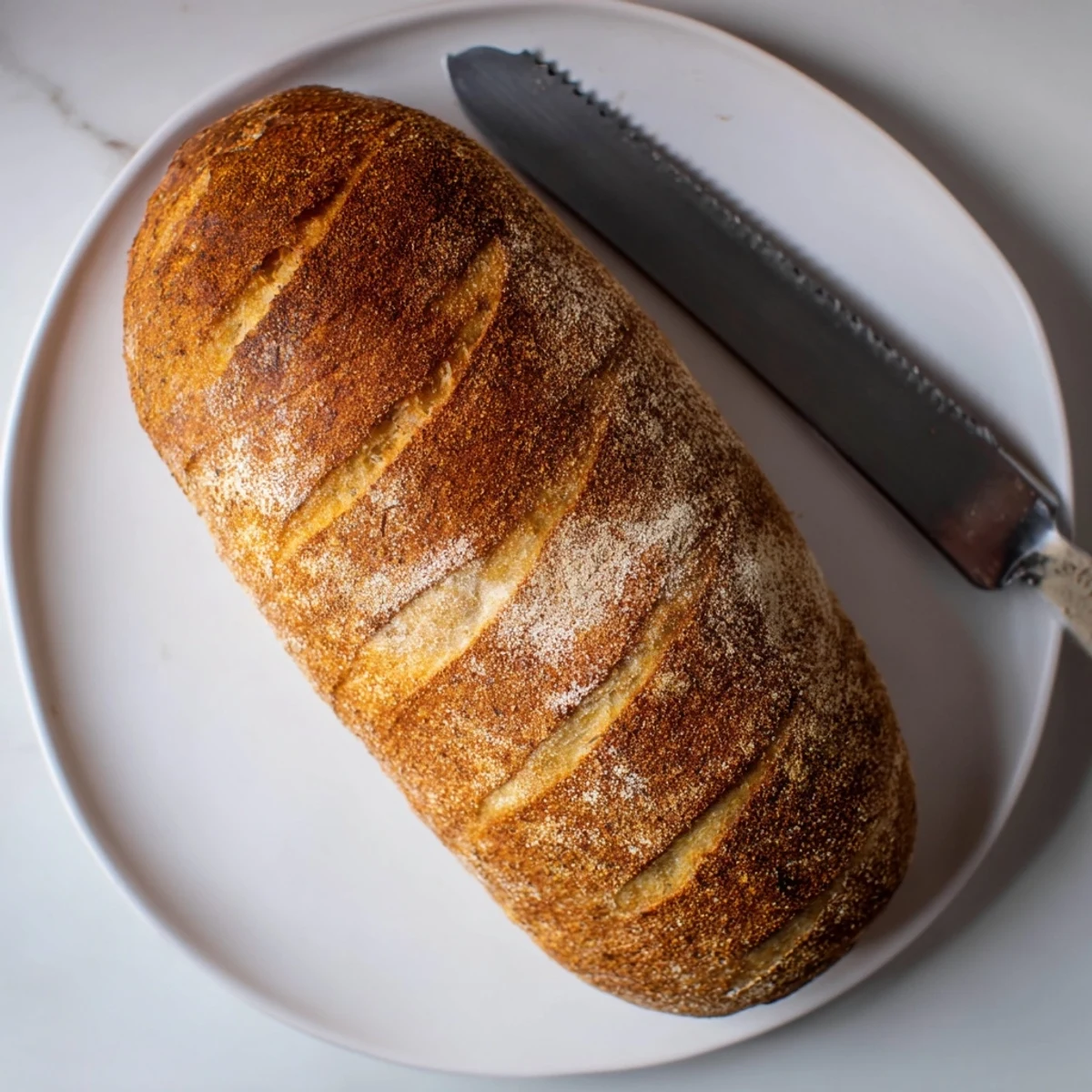
 This traditional Italian bread delivers everything you love about artisanal baking—a deeply golden, crackling crust protecting a soft, chewy interior with those signature air pockets. The dough develops beautifully through a long rise, creating complex flavor and perfect texture. A steam baking technique ensures professional results with that irresistible crunchy crust.
Ready in about 3 hours with minimal active work, this loaf becomes the centerpiece of any meal. Tear off warm chunks to dunk in premium olive oil, slice thickly for hearty sandwiches, or toast for bruschetta topped with fresh tomatoes and basil. The dough freezes exceptionally well, so you can always have fresh-baked bread on hand.
The aroma of yeast blooming in warm water still makes my kitchen feel like an Italian bakery on a Tuesday morning. I started making this bread during a particularly cold winter when the grocery store shelves felt uninspiring and my hands needed something warm to work with. That first loaf came out dense and heavy, but by the third attempt, I had figured out that patience matters more than precision. Now the sound of a crackling crust cooling on the rack is one of my favorite weekend rituals.
My neighbor once caught me pulling this bread from the oven and asked what bakery Id raided. We ended up eating half the loaf warm with olive oil right there on the counter, talking about everything and nothing while steam curled off each slice. Something about tearing into fresh bread together makes people stay a little longer, talk a little deeper.
Ingredients
- Bread flour: The higher protein content creates that perfect chewy crumb structure
- Active dry yeast: Make sure your water feels like bath temperature, not hot enough to kill the yeast
- Olive oil: Keeps the crumb tender and adds that subtle Mediterranean flavor
- Salt: Essential for flavor development and strengthening the gluten network
- Sugar: Feeds the yeast and helps the crust develop that beautiful golden color
- Cornmeal: Prevents sticking and adds a subtle crunch to the bottom crust
Instructions
- Wake up the yeast:
- Dissolve yeast and sugar in warm water and watch it foam up like magic
- Build the foundation:
- Mix flour and salt, create a well, and pour in the yeast mixture and olive oil until shaggy
- Develop the dough:
- Knead on a floured surface for eight to ten minutes until the dough fights back and feels smooth
- First rise:
- Let the dough rest covered in a warm spot until it doubles in size
- Shape and second rise:
- Form into an oval, place on cornmeal dusted parchment, and let rise again for forty five minutes
- Preheat with purpose:
- Heat oven to 425°F with an empty metal pan on the bottom rack
- Score and steam:
- Slash the top with a sharp knife and pour hot water into the heated pan
- Bake to perfection:
- Bake for thirty to thirty five minutes until golden and hollow sounding when tapped
- Cool completely:
- Let the bread rest on a wire rack before slicing into it
 Save to Pinterest
 This recipe taught me that bread making is more about touch than measurements. I can tell by feel when the dough has been kneaded enough, when it is ready to shape, when it needs more time to rest. Those small moments of trusting my hands have become meditative in a way that following a recipe never could.
Creating Steam At Home
That water bath trick changed my bread game completely. The steam keeps the crust soft initially allowing the bread to expand fully before hardening into that perfect crackly shell. I have tried every fancy baking stone and Dutch oven method, but nothing beats the simplicity of a hot pan and some water.
The Art of Scoring
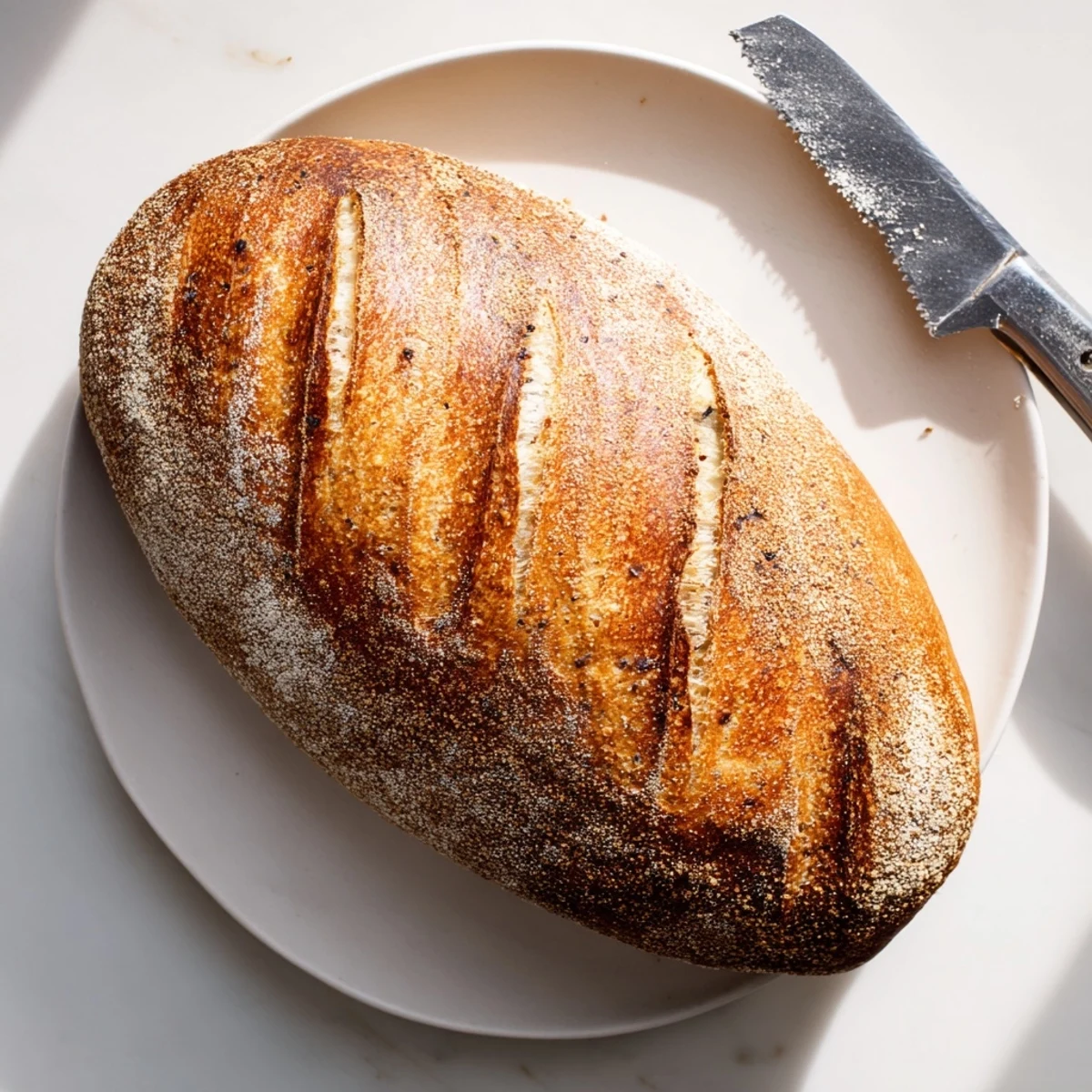
My first attempts at scoring looked like messy scratches, but I learned that a confident slash at a slight angle works best. The bread will bloom beautifully along those cuts, and honestly even ugly slashes taste just as good. Use your sharpest knife and commit to the motion.
Knowing When Its Done
The hollow thump test never fails, but I also look for that deep golden color that sounds crispy when I move the loaf. Underbaked bread is disappointing, so I always err on the side of five extra minutes rather than pulling it too early. A good dark crust means better flavor development.
- Check the internal temperature should be 200°F
- Listen for the crackling sounds as it cools
- Resist cutting into it while still warm
 Save to Pinterest
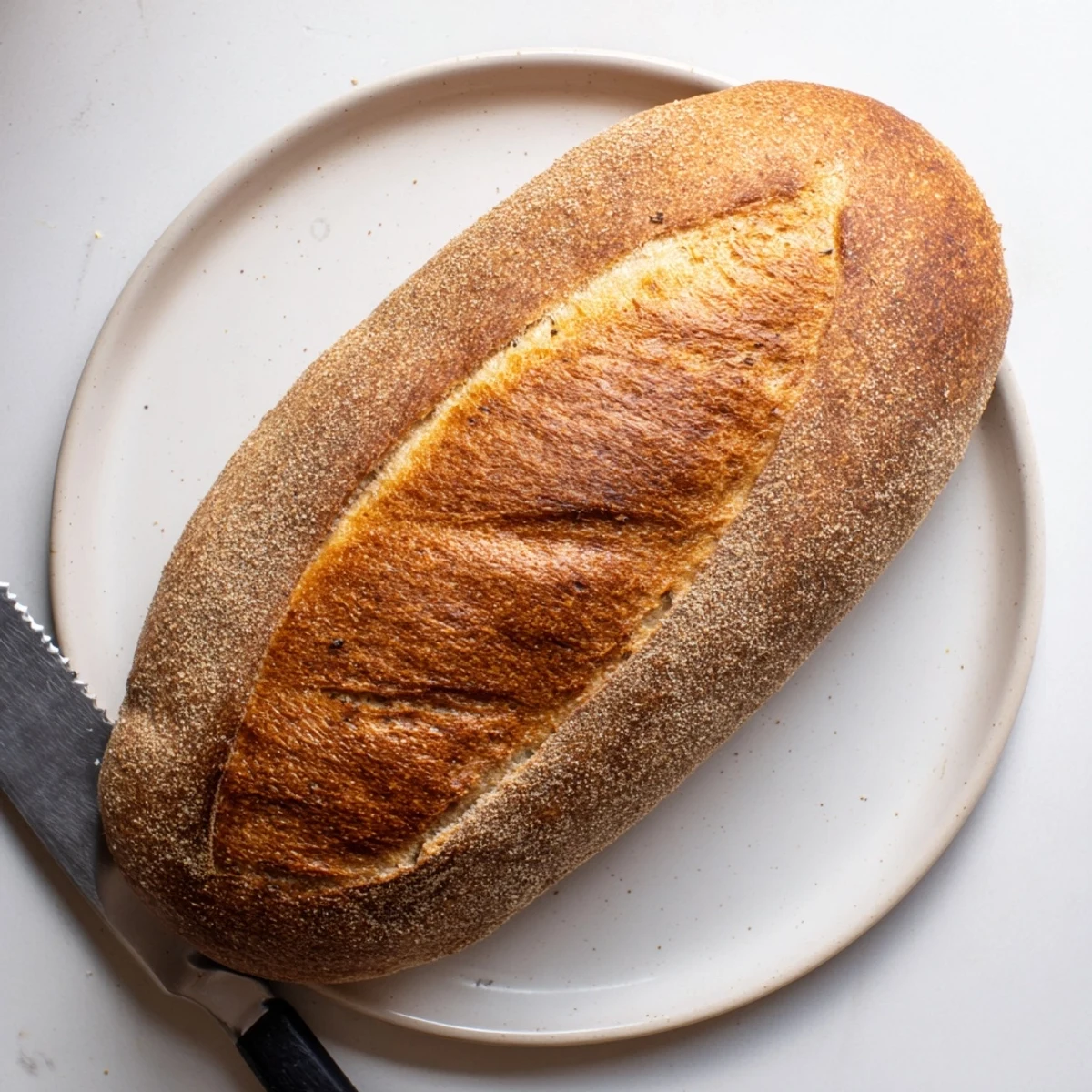
 There is something profoundly satisfying about pulling a golden loaf from the oven that you mixed with your own hands. This bread might just become the reason your friends start lingering longer at your dinner table.
Recipe FAQs
- → What makes Italian bread crusty?
-
The signature crust develops from baking at high heat (220°C/425°F) with steam in the oven. Placing a pan of hot water on the bottom rack creates moisture that keeps the crust flexible initially, allowing it to expand fully before hardening into that perfect crunch. Scoring the top also helps the dough expand properly while forming those beautiful artisanal ridges.
- → Can I make this without a stand mixer?
-
Absolutely. Mix by hand using a sturdy wooden spoon until the dough comes together, then turn it out onto a floured surface and knead for 8–10 minutes. You'll know it's ready when the dough feels smooth, elastic, and springs back when gently pressed. Hand-kneading connects you to traditional baking methods and often yields excellent results.
- → Why did my dough not rise properly?
-
Several factors affect rising: water temperature should feel warm to the touch (around 40°C/105°F)—too hot kills yeast, too cold slows activation. Ensure your yeast is fresh (check expiration dates). The dough needs a warm, draft-free spot; an oven with just the light on works perfectly. Also, don't skimp on rising time—Italian dough needs those full 1–1.5 hours to double and develop flavor.
- → How do I get those nice holes inside the bread?
-
Those airy pockets come from proper gluten development during kneading and a long, slow rise. Kneading thoroughly creates strong gluten strands that trap gas bubbles. Don't rush the rising process—let the dough double completely. The second rise (45 minutes after shaping) allows the loaf to relax and develop an open crumb. Steam during baking also helps the interior expand fully before the crust sets.
- → Can I add other ingredients to the dough?
-
Certainly. This classic dough adapts beautifully to additions: try 1–2 teaspoons of dried rosemary, thyme, or oregano for herbed bread; add chopped sun-dried tomatoes, olives, or roasted garlic for savory variations; or incorporate ½ cup grated Parmesan for extra depth. Keep additions to ½ cup or less to maintain the bread's structure and traditional texture.
- → How should I store this bread?
-
Fresh bread tastes best within 24 hours. Store at room temperature wrapped in a clean cloth or paper bag (plastic makes the crust soft). To revive day-old bread, sprinkle with water and warm in a 180°C/350°F oven for 5–10 minutes. For longer storage, slice and freeze in airtight bags—individual slices toast beautifully from frozen. Avoid refrigeration, which accelerates staling.