
 Save to Pinterest
 This comforting bake transforms humble cabbage and sauerkraut into a deeply flavorful dish. Slow roasting concentrates the natural sweetness of cabbage while the sauerkraut adds bright tangy notes. Caraway seeds and smoked paprika provide warm, aromatic depth, while grated apple balances flavors with subtle sweetness.
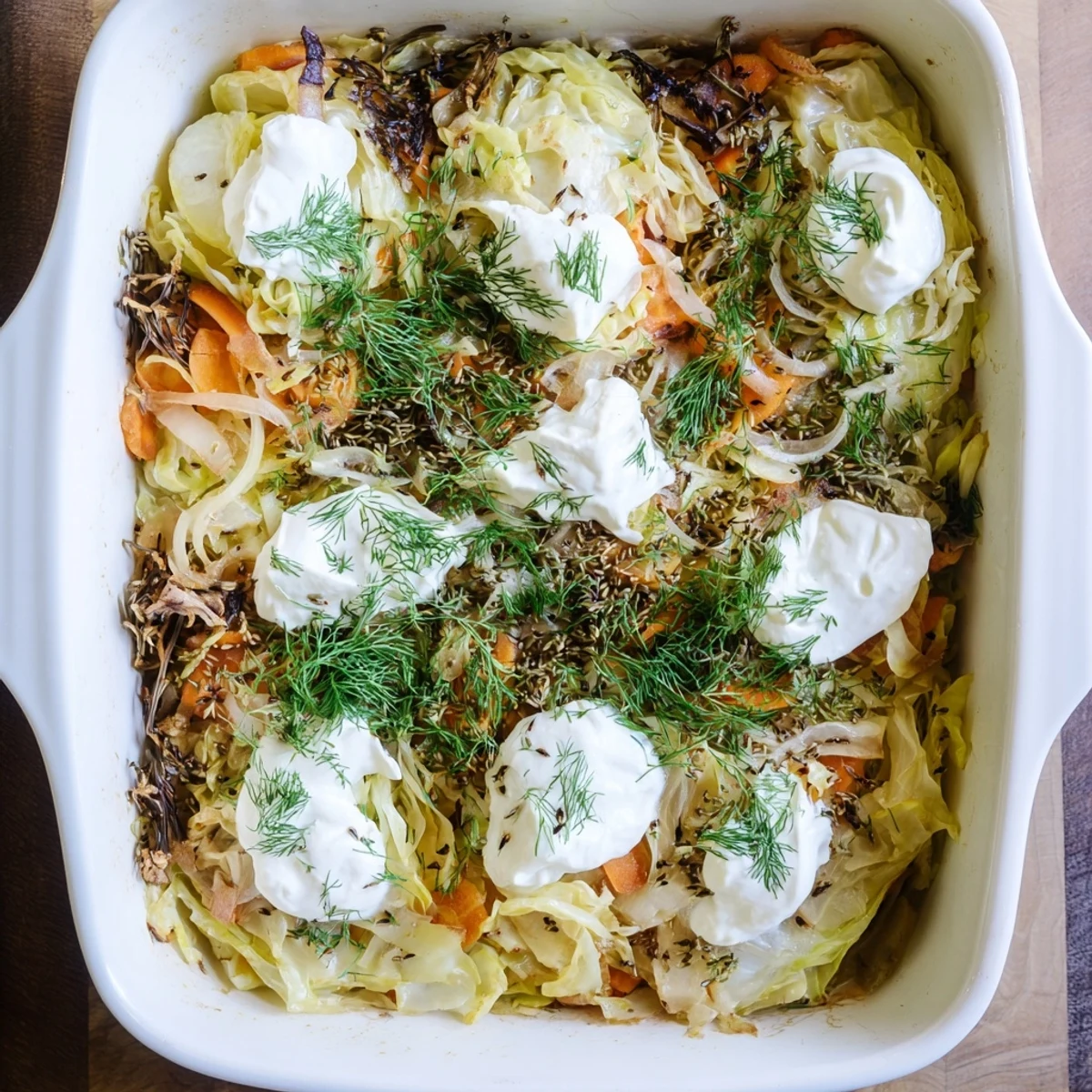
The layering technique creates texture contrast—tender wilted cabbage meets fermented crunch. After two hours in the oven, edges caramelize beautifully while the interior remains moist and succulent. Finished with fresh dill and optional sour cream, this vegetarian main delivers satisfying richness without meat.
Perfect alongside crusty bread or boiled potatoes, this dish improves overnight as flavors meld. The long, slow cooking method might seem intensive, but active prep takes just 20 minutes. The oven does all the work, filling your kitchen with enticing aromas of Eastern European comfort food.
The smell of cabbage roasting low and slow in the oven is one of those things that fills every corner of the house and makes everyone wander into the kitchen asking when dinner will be ready. My grandmother used to make something similar every autumn, and she never measured anything, just layered and tasted and shrugged. This casserole is my attempt to capture that same warm, untidy comfort on a weeknight.
One rainy October evening I brought this to a potluck where everyone else had shown up with elaborate meat dishes, and by the end of the night the casserole dish was scraped clean while the roasts sat cooling on the table. A friend pulled me aside in the hallway and asked for the recipe, whispering like it was a secret handshake.
Ingredients
- 1 medium green cabbage (about 2 lb), cored and sliced into thin strips: The backbone of the dish, and slicing it thin ensures every layer cooks down into tender ribbons rather than chewy chunks.
- 2 medium onions, thinly sliced: They melt into sweetness during the long roast and form a quiet base for everything else.
- 2 cloves garlic, minced: Just enough to notice without overpowering the delicate fermented tang.
- 2 large carrots, grated: Grating rather than chopping lets them dissolve into the cabbage and add a faint sweetness.
- 3 cups sauerkraut, drained and lightly rinsed: Rinsing keeps the tang without making the whole dish aggressively sour.
- 1 apple, peeled and grated: A quiet trick that rounds out the acidity of the sauerkraut with natural fruit sweetness.
- 1 cup vegetable broth: Provides the moisture the cabbage needs to roast rather than dry out.
- 1/4 cup dry white wine (optional): Adds a subtle brightness, but the dish is perfectly lovely without it.
- 2 tbsp olive oil: Use a good one because you will taste it.
- 1 tsp caraway seeds: The defining spice of the dish, earthy and slightly licoriced, tying everything to its Eastern European roots.
- 1 tsp smoked paprika: Lends a gentle smokiness that makes the vegetarian version feel surprisingly hearty.
- 1/2 tsp ground black pepper: Freshly cracked is always worth the extra ten seconds.
- 1/2 tsp salt (adjust to taste): Start modest because the sauerkraut already contributes salt.
- 2 tbsp fresh dill, chopped (plus extra for garnish): Stirred into the sauerkraut layer and scattered on top at the end for a fresh grassy finish.
- 1/2 cup sour cream or dairy free alternative: Spread on during the final minutes for a creamy, tangy crown.
- 1/4 cup grated cheese or vegan cheese: Optional but it browns into golden patches that everyone fights over.
Instructions
- Preheat and prepare the dish:
- Set your oven to 325 degrees F and rub a three quart casserole dish with a thin film of olive oil so nothing sticks later.
- Soften the aromatics:
- Warm olive oil in a large skillet over medium heat and cook the sliced onions until they turn translucent and glossy, about five minutes, then stir in the minced garlic for one more minute until the kitchen smells impossibly inviting.
- Wilt the cabbage:
- Add the shredded cabbage to the skillet and let it cook undisturbed for a minute before stirring, allowing some edges to catch color, then toss in the grated carrots, salt, pepper, caraway seeds, and smoked paprika until everything is evenly coated and fragrant.
- Mix the sauerkraut layer:
- In a bowl, combine the drained sauerkraut with the grated apple and chopped dill, tossing gently so the apple distributes evenly through the tangy kraut.
- Build the layers:
- Spread half the cabbage mixture across the bottom of your prepared dish, then blanket it with half the sauerkraut mixture, and repeat both layers once more so you end up with a tidy double decker.
- Add the liquids:
- Pour the vegetable broth and white wine, if you are using it, slowly and evenly over the entire surface so every corner gets moisture.
- Slow roast covered:
- Cover the dish tightly with foil or a lid and slide it into the oven for one full hour, letting the steam do its quiet transforming work.
- Uncover and brown:
- Remove the foil, turn the oven up to 375 degrees F, and bake uncovered for another thirty to forty five minutes until the top turns golden and most of the liquid has disappeared into the layers.
- Add the finishing touch:
- If you are using sour cream and cheese, spread the cream evenly across the top and sprinkle the cheese over it during the last ten minutes of baking until it melts into bubbly patches.
- Rest and garnish:
- Pull the casserole from the oven and let it sit for ten minutes so the layers settle, then scatter extra fresh dill over the top before bringing it to the table.
 Save to Pinterest
 There is something about pulling a bubbling casserole from the oven on a cold evening that makes the whole house feel like it is taking a deep breath and settling in. This dish has a way of making people sit down and stay at the table longer than they planned.
Serving Suggestions That Actually Work
This casserole shines next to a pile of buttery boiled potatoes or a thick slice of crusty sourdough used to mop up every last bit of braised liquid. For a heartier meal, tuck sauteed mushrooms or cooked lentils between the layers and suddenly you have something sturdy enough to satisfy the most dedicated carnivore at the table.
Storing and Reheating Like a Pro
Leftovers keep beautifully in the fridge for up to four days, and the flavors deepen overnight in a way that makes the second day arguably better than the first. Reheat individual portions in a covered skillet with a splash of broth so the cabbage stays plump rather than drying out around the edges.
Making It Your Own
Once you understand the basic rhythm of layered cabbage and sauerkraut, the recipe bends easily to whatever you have on hand. A few small adjustments can shift the whole personality of the dish.
- Swap caraway seeds for fennel seeds if you want a slightly sweeter, more Mediterranean accent.
- Add a tablespoon of tomato paste to the cabbage mixture for deeper color and a faint umami backbone.
- Taste the sauerkraut before rinsing and adjust how much you rinse based on how assertive you want the tang to be.
 Save to Pinterest
 Some dishes feed people, and other dishes make people feel tended to, and this slow roasted cabbage and sauerkraut casserole quietly does both without asking for any fuss.
Recipe FAQs
- → Can I make this casserole ahead of time?
-
Absolutely. This dish actually benefits from sitting overnight—the flavors deepen and meld beautifully. Prepare through step 6, cover tightly, and refrigerate for up to 24 hours before baking. Add 10-15 minutes to the covered baking time if baking cold from the refrigerator.
- → What type of cabbage works best?
-
Green cabbage is traditional and holds up well to slow roasting. Savoy cabbage makes an excellent alternative with its crinkled leaves that absorb flavors beautifully. Red cabbage will work but may darken the overall appearance. Avoid delicate Napa cabbage as it becomes too soft during the long cooking time.
- → Can I freeze leftovers?
-
Yes, this freezes exceptionally well. Portion cooled leftovers into airtight containers or freezer bags, removing as much air as possible. Freeze for up to 3 months. Thaw overnight in the refrigerator and reheat at 350°F until bubbly throughout, about 25-30 minutes. The texture remains surprisingly intact after freezing.
- → Is sauerkraut too salty for this dish?
-
Rinsing the sauerkraut lightly removes excess brine while preserving the beneficial probiotics and tangy flavor. If following a low-sodium diet, rinse more thoroughly and taste the mixture before adding additional salt. The cabbage and broth provide enough volume to balance the sauerkraut's natural saltiness.
- → What can I substitute for caraway seeds?
-
Fennel seeds make the closest substitute with their similar anise-like flavor. Cumin provides earthy depth though the profile shifts slightly. For a completely different approach, juniper berries offer a piney accent traditional in German cooking. If you dislike all these options, simply increase the smoked paprika for a more straightforward savory profile.
- → How do I know when it's finished baking?
-
After removing the foil, bake until the top is golden-brown with crispy edges and most liquid has evaporated. You should see visible caramelization on some cabbage pieces. A knife inserted into the center should slide through easily with no resistance. If it's still quite liquid, continue baking uncovered in 10-minute increments until the desired consistency is reached.