
 Save to Pinterest
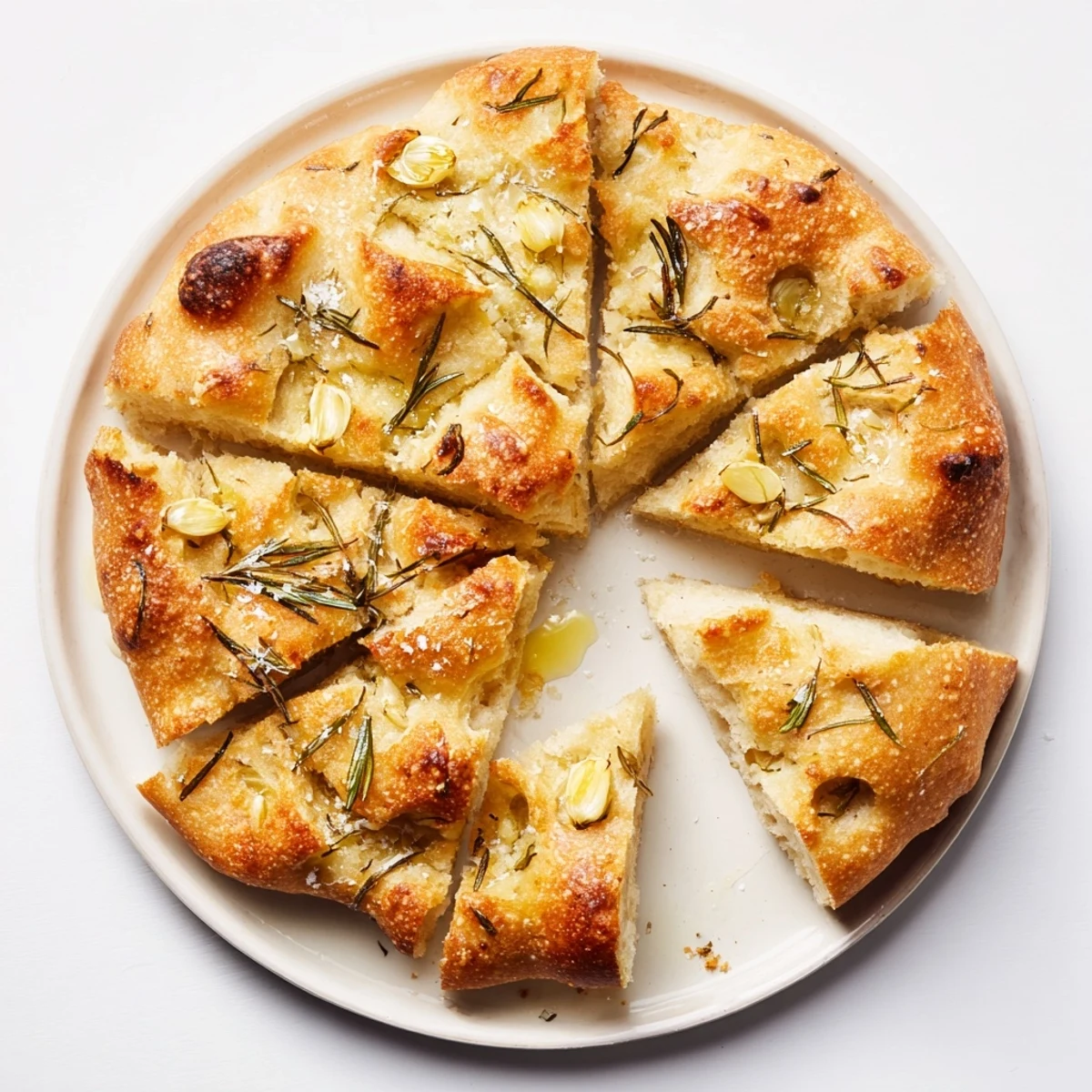
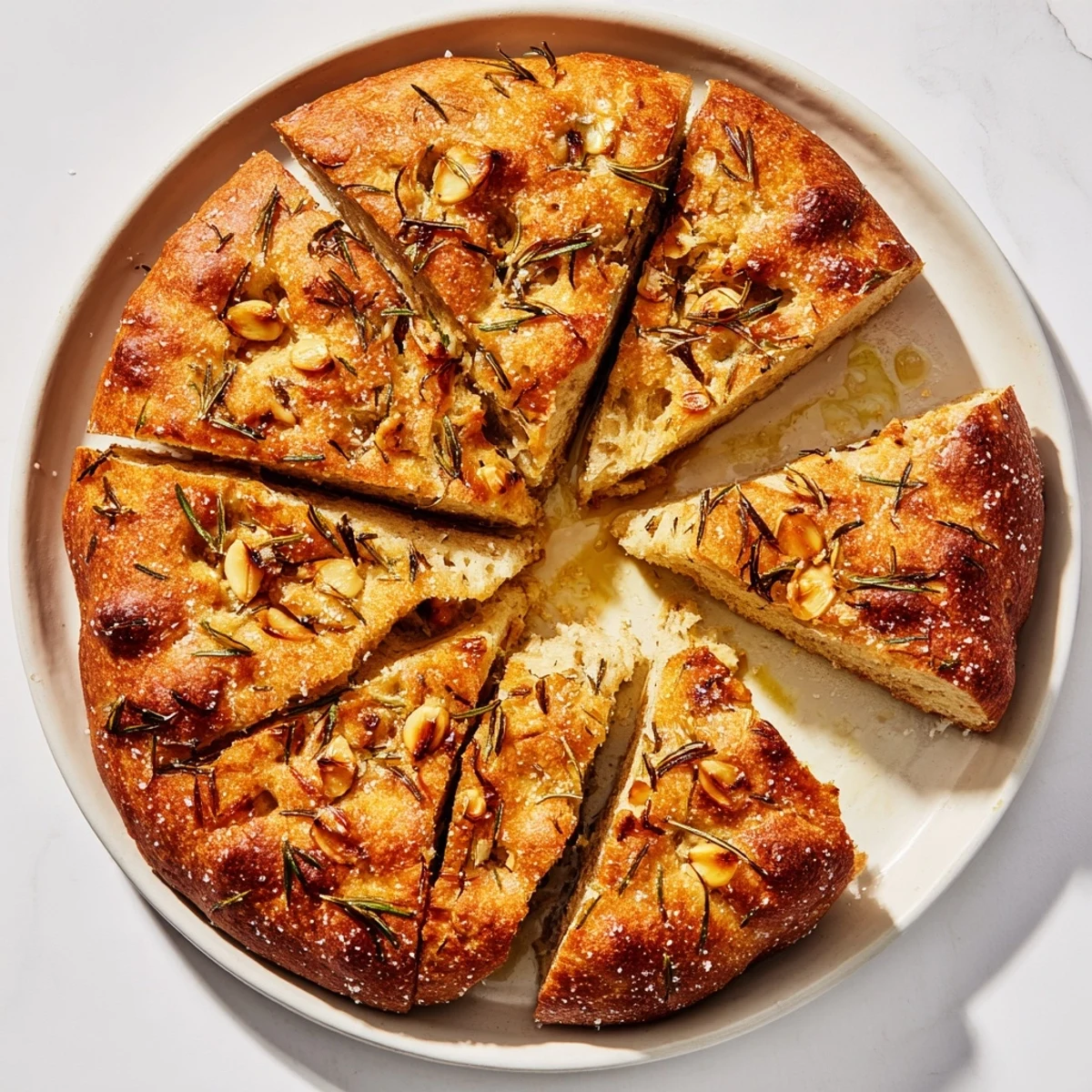
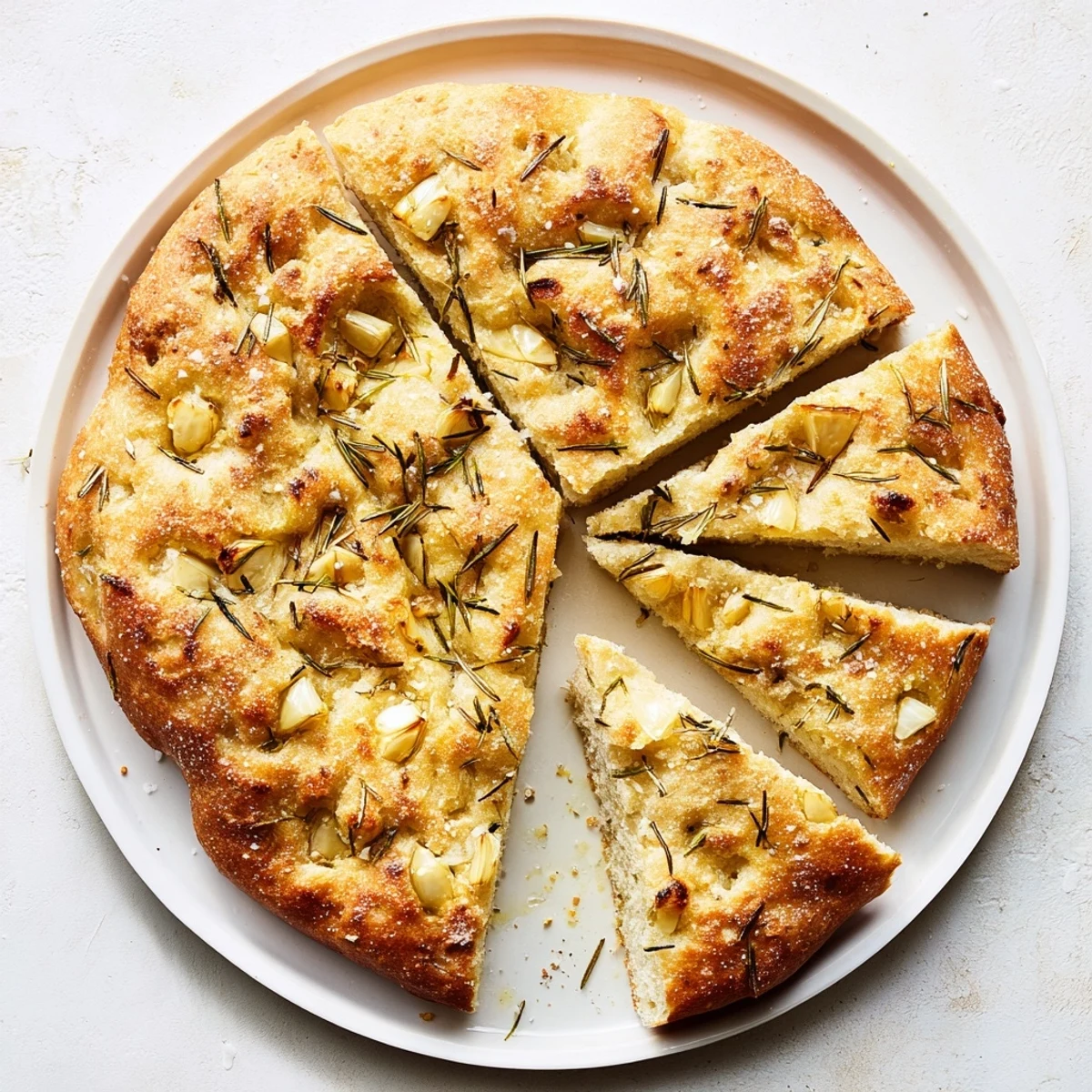
 This rustic skillet bread delivers the perfect balance of textures—crisp golden edges with a soft, chewy interior. Fresh rosemary and aromatic roasted garlic are woven throughout the dough, creating an irresistible aroma while baking. The cast iron skillet creates an evenly baked loaf with a beautifully crusty exterior. Ready in just over 2 hours with minimal hands-on work, this bread is ideal for beginners and experienced bakers alike. Serve it warm alongside soups, stews, or simply with olive oil for dipping.
Last winter, my tiny apartment smelled like an Italian bakery for hours. I had forgotten about a batch of dough proofing on the counter until my roommate texted asking what I was making. That accidental timing turned into the most tender, rosemary-scented bread Id ever pulled from a cast iron skillet.
I brought this skillet bread to a friends potluck dinner, and within minutes of setting it on the counter, the room went quiet. Everyone kept asking what I had put in it to make it smell so incredible. Seeing people tear off pieces with their hands, butter melting into the warm surface, that became my favorite way to share this recipe.
Ingredients
- 3 cups bread flour: The higher protein content creates that chewy, artisan-style crumb that all-purpose flour just cant match
- 2 1/4 tsp active dry yeast: One standard packet gives you reliable rise every single time, no measuring spoons required
- 1 1/4 cups warm water: Think bath temperature, around 105°F, anything hotter kills the yeast before it can work its magic
- 1 1/2 tsp salt: Essential for flavor development, but dont go overboard or it will inhibit the yeast
- 3 tbsp olive oil divided: Two tablespoons go into the dough, one gets brushed on top for that golden, crackly crust
- 2 tbsp fresh rosemary chopped: Dried herbs work in a pinch, but fresh brings an aromatic brightness that carries through baking
- 4 cloves garlic minced: Raw garlic mellowed by the oven creates a sweet, savory depth without any harsh bite
- 1/2 tsp flaky sea salt: The finishing touch that adds crunch and those gorgeous sparkly bits on top
Instructions
- Wake up the yeast:
- Whisk the warm water and yeast in a large bowl and walk away for 5 minutes. Youll know its alive when foamy bubbles form across the surface.
- Mix the dough:
- Add flour and salt, stirring until a shaggy, sticky mass forms. Knead by hand for 5 to 7 minutes until the dough smooths out and becomes slightly tacky, like a soft pillow.
- Add the aromatics:
- Drizzle in one tablespoon olive oil along with the rosemary and minced garlic. Knead for another minute until everything is beautifully distributed throughout the dough.
- First rise:
- Place dough in a greased bowl, cover with a damp towel, and find the warmest corner of your kitchen. Let it double in size, about an hour, depending on how cold your house runs.
- Prepare the skillet:
- Coat a 10-inch oven-safe skillet generously with olive oil, getting the sides too. Punch down that puffed-up dough and press it gently into the pan, working it to the edges.
- Second rise:
- Cover the skillet and let the dough relax and puff for another 25 to 30 minutes while you preheat the oven to 425°F.
- Finish and bake:
- Brush the remaining olive oil over the top and scatter that flaky sea salt like youre finishing a dish at a restaurant. Bake for 30 to 35 minutes until deeply golden and the bottom sounds hollow when tapped.
- Serve warm:
- Let it cool just long enough to handle, about 10 minutes, then slice and serve while still warm enough to melt butter on contact.
 Save to Pinterest
 My sister asked for this recipe after I served it with her favorite tomato soup. She made it the next day and sent me a photo of the empty skillet, saying her family had fought over the last piece. Thats when I knew this wasnt just bread, it was the kind of simple comfort food that brings people to the table.
Choosing the Right Skillet
Cast iron creates the crispiest, most golden crust because it holds heat so evenly. If you dont have one, any oven-safe skillet will work, but you might need to add a few extra minutes to achieve that same bottom crunch. A 10-inch size gives you the perfect thickness, about two inches tall.
Make It Your Own
This base dough is incredibly forgiving and welcomes all kinds of variations. Try swapping rosemary for fresh thyme or sage in the fall. Add grated Parmesan or shredded sharp cheddar directly into the dough for a savory twist. Caramelized onions folded in before the second rise create a sweet, deeply flavorful version that disappears fast.
Timing and Storage
The dough benefits from a slow overnight rise in the refrigerator if you want to bake it fresh for breakfast or brunch. Baked bread keeps well wrapped in foil for up to two days, though the texture softens. Reheat slices in a 350°F oven for 5 minutes to restore that freshly baked warmth.
- Freeze unbaked dough after the first rise, thaw overnight in the fridge, then proceed with the second rise
- Leftovers make exceptional bread pudding or croutons for soup
- This recipe doubles easily if youre feeding a crowd, just use two skillets
 Save to Pinterest
 Theres something magical about pulling a golden loaf from the oven, the aroma filling the kitchen, and breaking bread with people you love. This skillet bread turns ordinary meals into memories.
Recipe FAQs
- → Can I use dried rosemary instead of fresh?
-
Yes, you can substitute dried rosemary, but use only 2 teaspoons since dried herbs are more concentrated than fresh. Add the dried rosemary directly to the flour mixture rather than kneading it in with the oil.
- → Do I need a cast iron skillet?
-
Cast iron is preferred for even heat distribution and superior crust development, but any 10-inch oven-safe skillet will work. Avoid using skillets with plastic handles or non-stick coatings that aren't rated for high temperatures.
- → Can I make this ahead of time?
-
You can prepare the dough through the first rise, then refrigerate it overnight for up to 12 hours. Bring to room temperature before proceeding with the second rise in the skillet.
- → Why does my dough feel sticky?
-
Some stickiness is normal for this style of bread—it helps create the chewy texture. If it's too sticky to handle, lightly flour your hands rather than adding more flour to the dough, which can make the final loaf dense.
- → Can I freeze the baked bread?
-
Yes, wrap the completely cooled loaf tightly in plastic wrap, then foil, and freeze for up to 3 months. Thaw at room temperature, then reheat in a 350°F oven for 10 minutes to refresh the crust.