
 Save to Pinterest
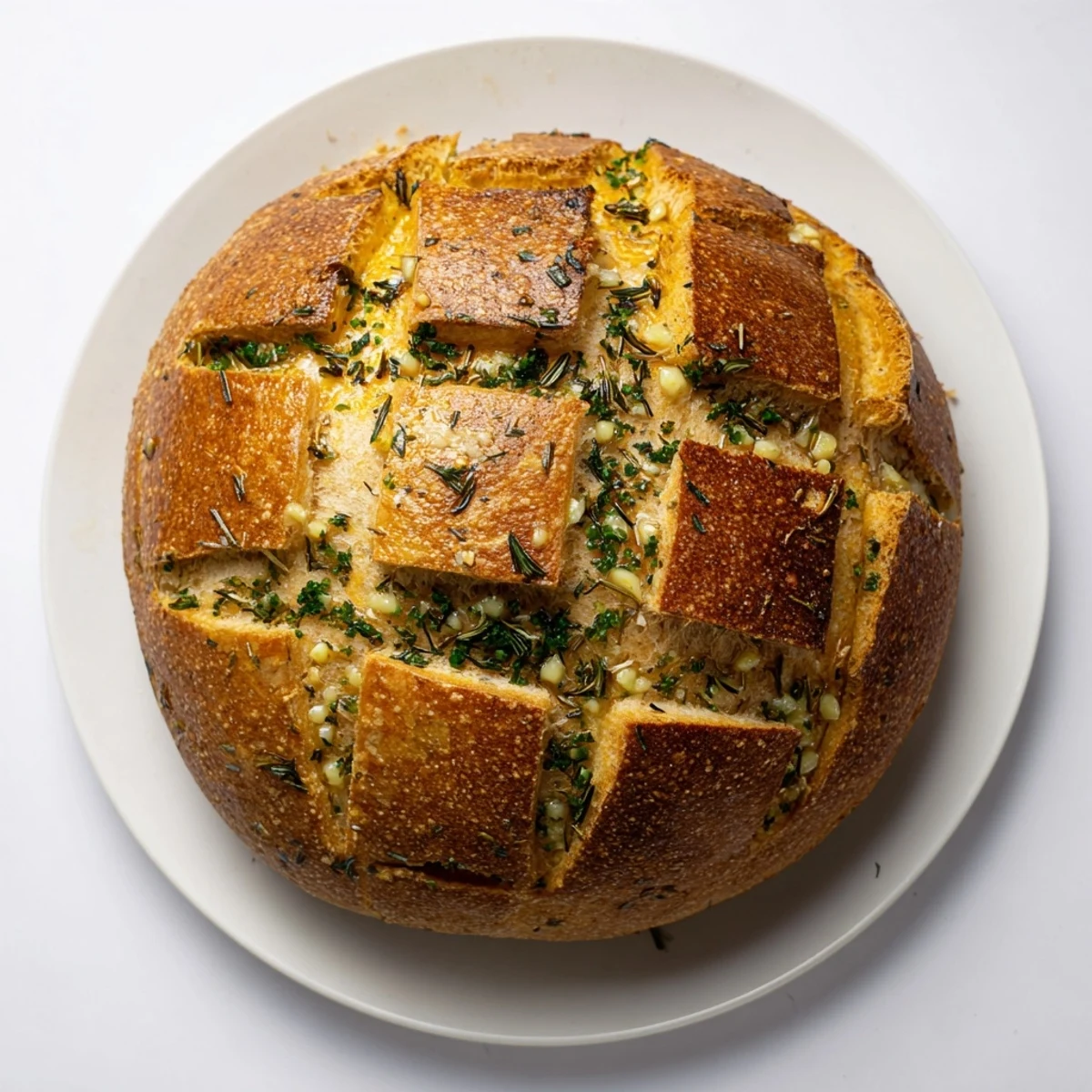
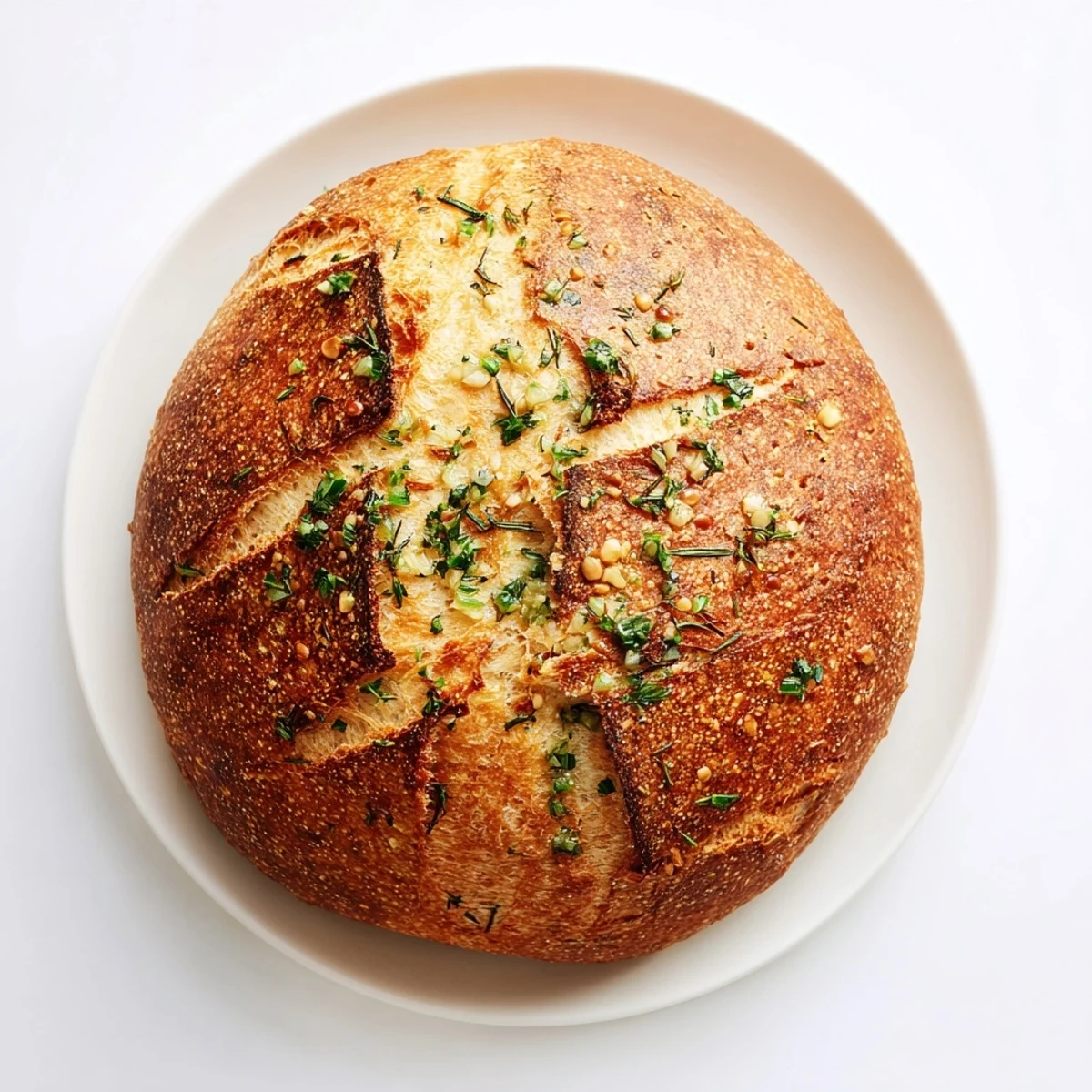
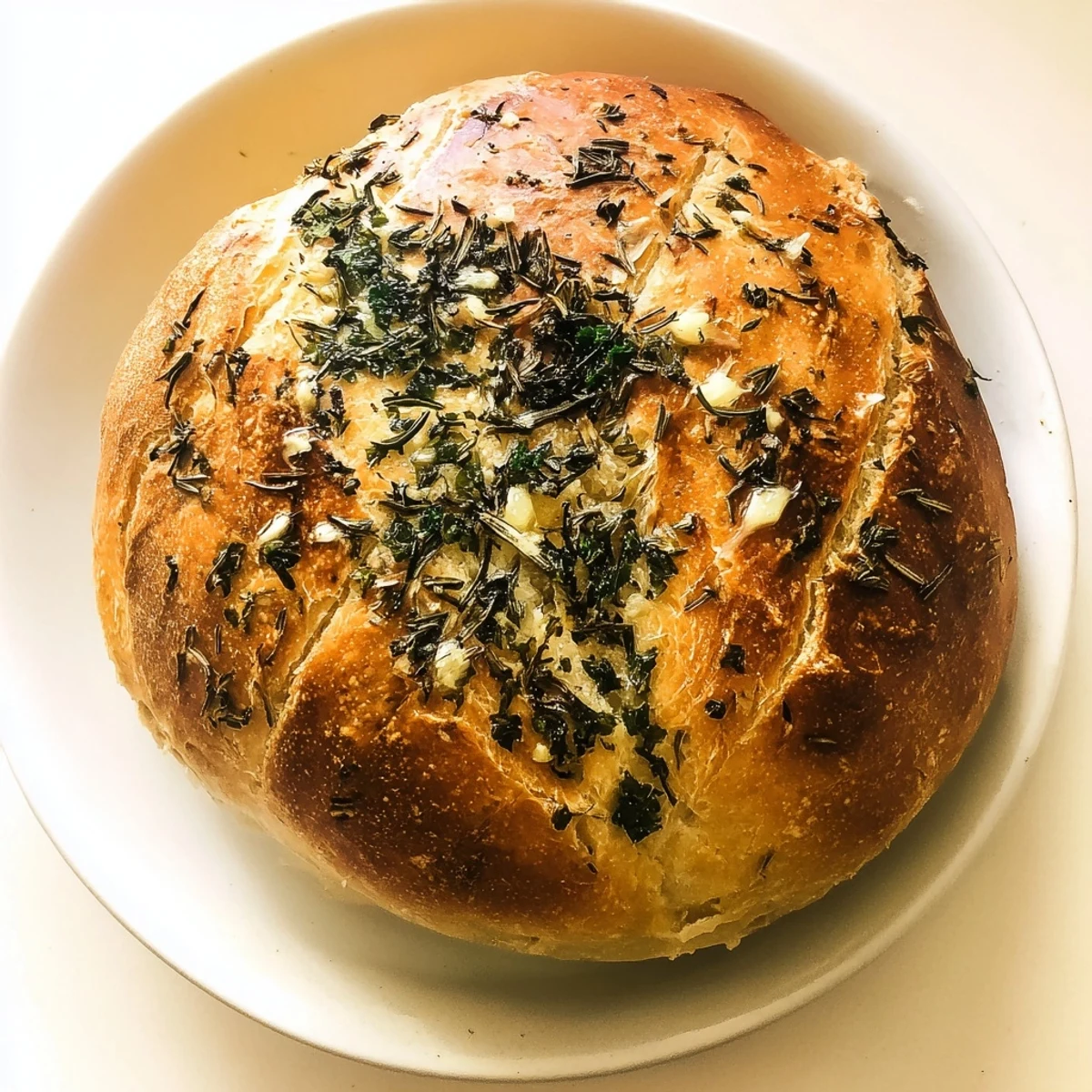
 This aromatic bread combines fresh garlic, rosemary, thyme, and parsley into a classic dough that bakes beautifully in a Dutch oven. The covered pot creates steam, developing that signature crackly crust while keeping the inside soft and chewy. Perfect alongside soups, salads, or simply with olive oil for dipping.
The aroma of garlic and rosemary wafting through my tiny apartment during a snowstorm was what convinced me this bread was magic. I'd been experimenting with Dutch oven breads for months, but something about adding fresh herbs directly into the dough transformed it from a weekend project into something that felt like an edible hug. My roommate actually emerged from her bedroom, sleepy-eyed, asking what smelled so incredible.
I brought this loaf to a friend's potluck dinner last winter, and within minutes of arriving, people were hovering around the bread basket. Someone asked if I'd secretly spent hours at a professional kitchen that morning. Watching guests tear off warm pieces, seeing their eyes light up at that first bite of crackling crust giving way to soft, herb flecked interior that was the moment this recipe became my go to for bringing people together.
Ingredients
- 3 ½ cups bread flour: Higher protein content than all purpose flour gives this bread structure and chewiness
- 1 ½ teaspoons salt: Enhances flavor and helps control fermentation rate
- 1 teaspoon sugar: Feeds the yeast and helps develop that beautiful golden crust
- 1 packet active dry yeast: Reliable and consistent, no need to proof beforehand
- 1 ½ cups warm water: Should feel like bath temperature, around 110°F, to activate yeast without killing it
- 2 tablespoons olive oil: Adds moisture and creates a tender crumb structure
- 4 cloves garlic, minced: Fresh garlic mellows beautifully during baking, infusing the entire loaf
- 1 tablespoon fresh rosemary, chopped: Woody, piney aroma pairs perfectly with bread
- 1 tablespoon fresh thyme, chopped: Earthy and subtle, balances the stronger garlic
- 2 tablespoons fresh parsley, chopped: Bright, fresh note that cuts through rich flavors
- 2 tablespoons melted butter: Final brush creates an irresistible sheen and extra flavor
Instructions
- Mix the foundation:
- Combine bread flour, salt, and sugar in a large bowl, then stir in the yeast until evenly distributed throughout the flour mixture
- Build the dough:
- Pour in warm water and olive oil, stirring with a wooden spoon until a sticky, shaggy dough comes together it will look messy and that is exactly right
- Infuse with flavor:
- Fold in minced garlic and chopped herbs, stirring until they're evenly distributed, making sure every bite will have those aromatic pockets
- Let it rise:
- Cover the bowl with plastic wrap or a damp towel, then walk away for 2 hours until the dough has doubled in size and looks beautifully puffy
- Shape the loaf:
- Turn the dough onto a floured surface and gently tuck the edges underneath to form a round, using gravity to help create tension
- Prepare for baking:
- Place the dough on parchment paper, cover loosely, and let it rest while your oven preheats with the Dutch oven inside at 450°F
- Create the steam:
- Carefully lift the dough using the parchment paper and lower it into the screaming hot Dutch oven, scoring the top with a sharp knife first
- Bake covered:
- Put the lid on and bake for 30 minutes, creating a steamy environment that gives you that incredible crust
- Reveal and finish:
- Remove the lid and bake another 15 to 20 minutes until deep golden brown, then brush with melted butter and extra herbs while still warm
 Save to Pinterest
 Now this bread has become my secret weapon for turning a simple weeknight dinner into something that feels special. My neighbor actually texted me once asking what I was making because the garlic herb scent had drifted into her hallway, and she ended up knocking on my door with a container of soup, perfectly timed for warm bread from the oven.
Making It Your Own
Sometimes I swap in dried herbs when my garden is bare, using about a third of the amount since dried herbs are more concentrated. Once I added grated Parmesan directly into the dough, and let me tell you, that cheesy variation disappeared faster than I could document the recipe. The base dough is so forgiving that it welcomes experimentation.
The Science Behind The Method
Baking inside a preheated Dutch oven creates a mini steam chamber, allowing the bread to expand rapidly before the crust sets. This technique mimics professional steam injected ovens, giving you that crackling exterior without buying expensive equipment. The initial burst of steam keeps the crust soft while the interior fully expands.
Serving Suggestions That Work Every Time
This bread demands to be torn and shared while still slightly warm, with olive oil for dipping or alongside a hearty soup. I have learned to slice it just before serving, because that gorgeous crust will soften if you cut it too far in advance.
- Wrap any leftovers tightly in foil, never plastic, which will make the crust soggy
- Reheat slices in a 350°F oven for 5 minutes to recrisp the crust
- Day old bread makes incredible croutons or bread pudding when life gives you leftovers
 Save to Pinterest
 There is something profoundly satisfying about pulling a homemade loaf from the oven, hearing that crackle as it cools. This bread turns an ordinary Tuesday into something worth celebrating, one warm, herb scented slice at a time.
Recipe FAQs
- → Can I use dried herbs instead of fresh?
-
Yes, substitute 1 teaspoon of each dried herb in place of the fresh versions. Dried herbs are more concentrated, so you'll need about one-third the amount. Add them directly to the dry ingredients before mixing.
- → Why use a Dutch oven for bread?
-
A preheated Dutch oven creates a steam-filled environment that mimics professional deck ovens. The trapped moisture allows the bread to expand fully before the crust sets, resulting in better oven spring and that characteristic crispy, crackly exterior.
- → How do I know when the bread is done?
-
The bread is ready when the crust is a deep golden brown color and sounds hollow when tapped on the bottom. An instant thermometer inserted into the center should read between 190-200°F (88-93°C).
- → Can I make this bread without garlic?
-
Absolutely. Simply omit the garlic and increase the herbs slightly, or add other mix-ins like shredded cheese, caramelized onions, or sun-dried tomatoes. The basic dough structure remains the same.
- → How should I store leftover bread?
-
Store at room temperature in a paper bag or wrapped in a clean kitchen towel for up to 2 days. For longer storage, slice and freeze in a resealable bag. Reheat frozen slices in a 350°F oven for 5-10 minutes to refresh the crust.