
 Save to Pinterest
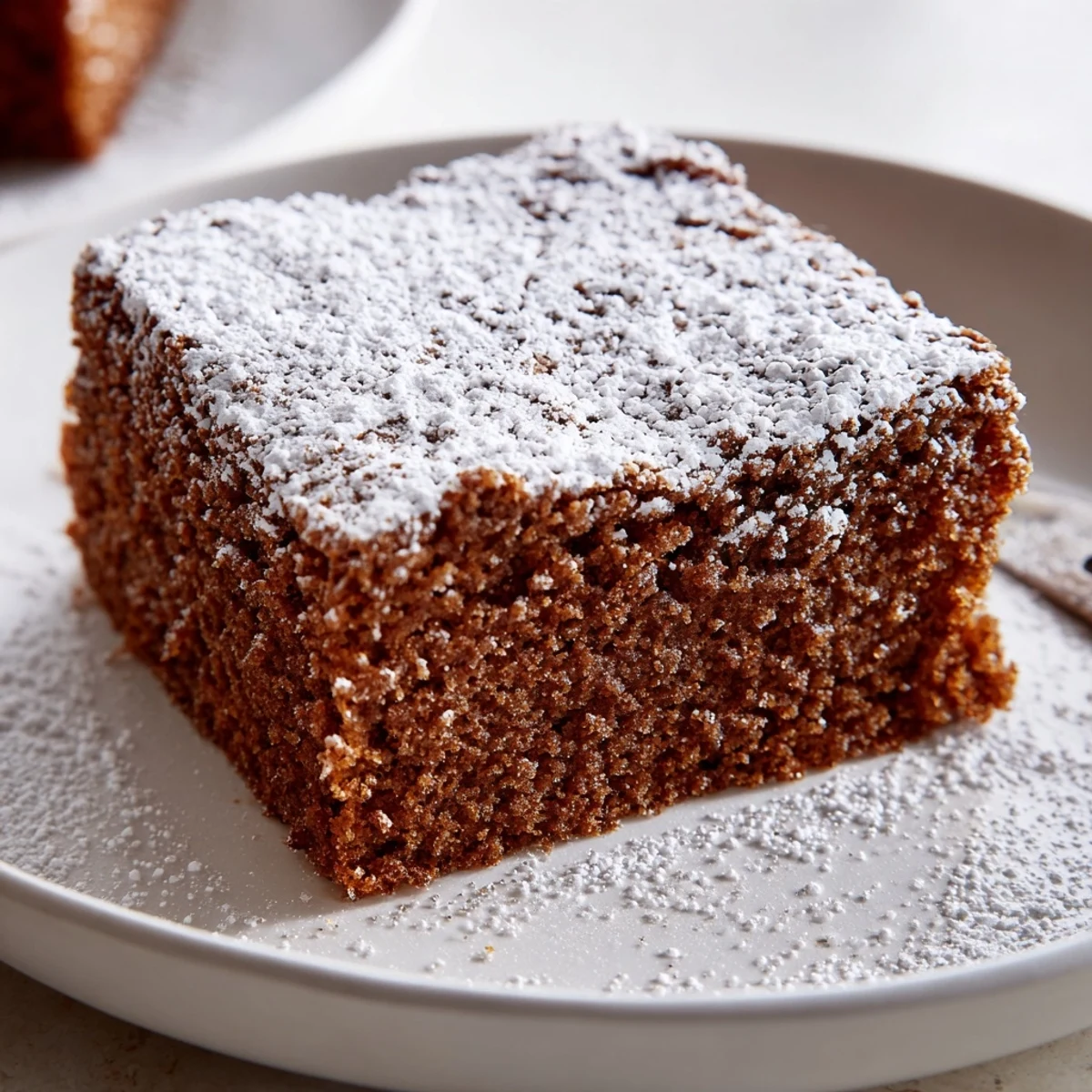
 This moist gingerbread cake is bursting with warm spices like ginger, cinnamon, and nutmeg, complemented by rich molasses. The tender crumb is achieved through balanced wet and dry ingredients, including buttermilk and brown sugar. Perfectly baked to a soft texture and ideal with a dusting of powdered sugar or a dollop of whipped cream, it's a comforting treat for chilly days or festive occasions.
I pulled this cake from the oven on a rainy November afternoon, and the smell alone made my neighbor knock on the door. The spices had filled every corner of my kitchen, warm and a little sharp, exactly how gingerbread should announce itself. She stayed for tea and two slices, and I knew I'd be making this again before the month ended.
I brought this to a winter potluck once, still warm in the pan, wrapped in a towel. Someone asked if it was from a bakery, and I just smiled. By the time I left, the pan was empty and I had three requests for the recipe scribbled on napkins.
Ingredients
- All-purpose flour: The structure of the cake, and I always spoon it into the cup rather than scooping to avoid a dense crumb.
- Ground ginger: This is the star, so use fresh spice if yours has been sitting in the cupboard for years.
- Ground cinnamon: It softens the sharpness of the ginger and adds a cozy warmth that lingers.
- Ground cloves and nutmeg: Just enough to add depth without taking over, these round out the spice blend beautifully.
- Baking soda: Reacts with the molasses and buttermilk to give the cake a tender rise.
- Unsalted butter: I let mine sit on the counter for an hour so it creams easily with the sugar.
- Dark brown sugar: Adds moisture and a deep, caramel-like sweetness that white sugar can't match.
- Eggs: Room temperature eggs blend in smoother and help the batter come together without curdling.
- Unsulphured molasses: The backbone of the flavor, rich and slightly bitter in the best way.
- Hot water: This thins the batter just enough to bake into a moist, almost pudding-like texture.
- Buttermilk or plain yogurt: Tanginess balances the sweetness, and it keeps the cake from feeling heavy.
- Vanilla extract: A small addition that ties all the spices together with a hint of warmth.
Instructions
- Prep the pan:
- Preheat your oven to 350°F and grease a 9-inch square pan, then dust it lightly with flour. This step keeps the edges from sticking, which I learned after prying out a stubborn corner once.
- Mix the dry ingredients:
- Whisk the flour, spices, baking soda, and salt in a large bowl until everything is evenly distributed. The aroma of the spices will hit you right away.
- Cream butter and sugar:
- Beat the softened butter and brown sugar together until the mixture looks pale and fluffy, about three minutes. This creates little air pockets that make the cake tender.
- Add eggs and molasses:
- Beat in the eggs one at a time, then stir in the molasses and vanilla. The batter will look dark and glossy.
- Alternate dry and wet:
- Add the flour mixture in three parts, alternating with the buttermilk, starting and ending with the flour. Mix just until combined after each addition to avoid overworking the batter.
- Stir in hot water:
- Slowly mix in the hot water until the batter is smooth and pourable. It will look thinner than typical cake batter, but that's exactly what you want.
- Bake:
- Pour the batter into your prepared pan and smooth the top with a spatula. Bake for 32 to 38 minutes, until a toothpick comes out clean or with just a few moist crumbs.
- Cool and serve:
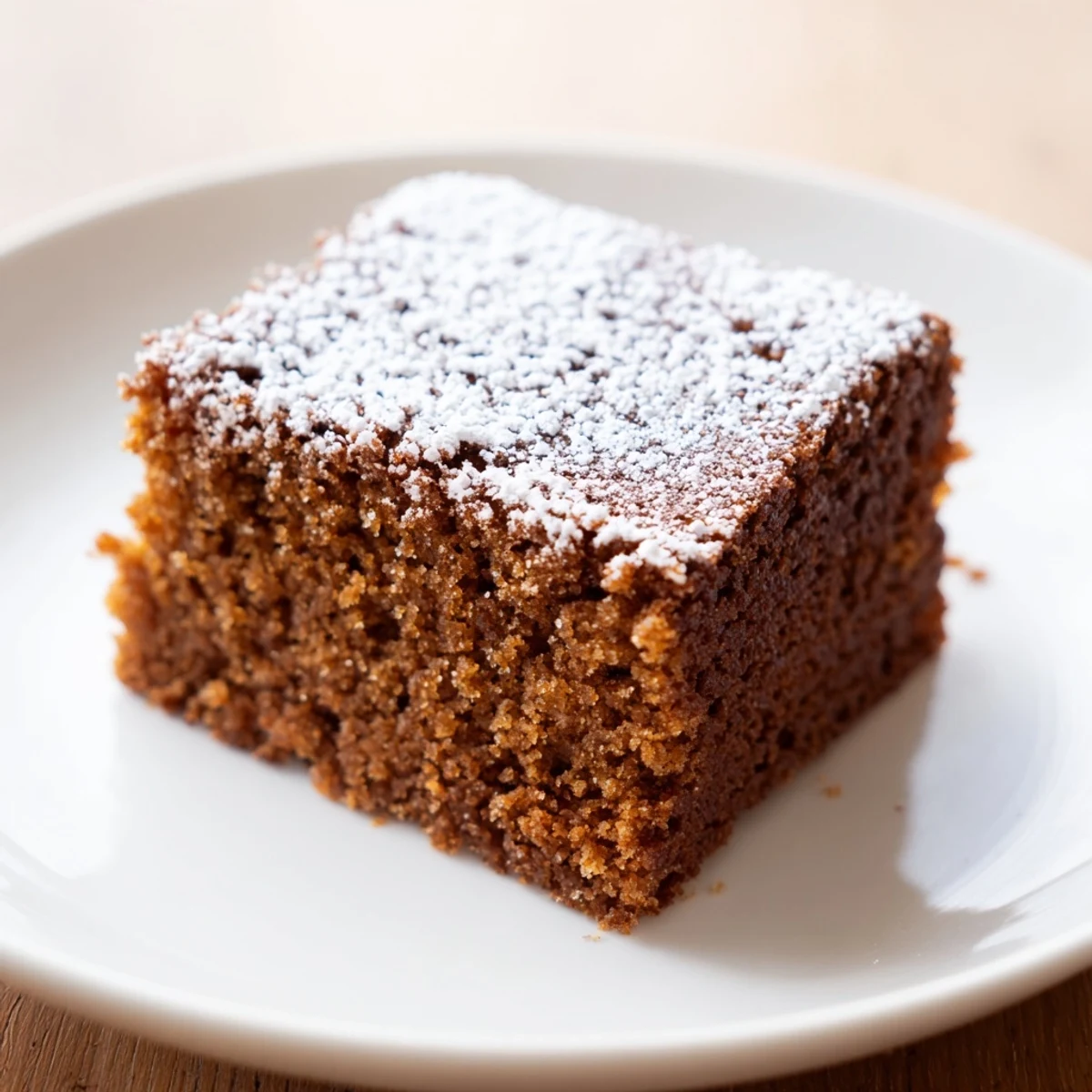
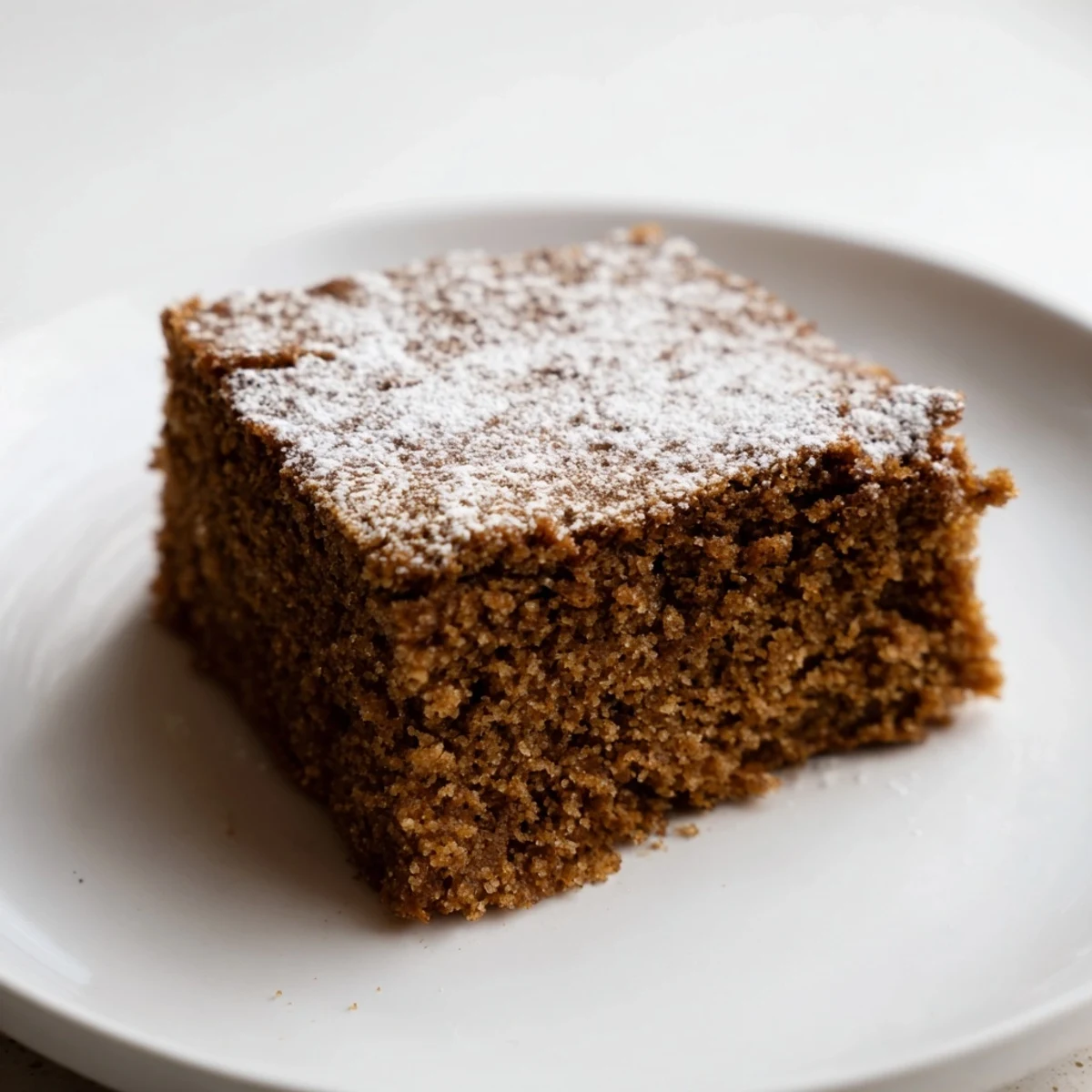
- Let the cake cool in the pan for 15 minutes, then turn it out onto a wire rack. Serve it plain, dusted with powdered sugar, or with a dollop of whipped cream.
 Save to Pinterest
 One December evening, I served this with vanilla ice cream melting into the warm squares, and my brother said it tasted like Christmas. I hadn't planned it that way, but he was right. It's been on my holiday table ever since.
Storing and Reheating
This cake keeps beautifully at room temperature for up to three days if wrapped tightly in plastic wrap. I've also frozen individual slices, wrapped in foil, and reheated them in a low oven for a quick treat. The flavors deepen overnight, so don't hesitate to bake it a day ahead.
Variations to Try
I've stirred in two tablespoons of grated fresh ginger for a sharper bite, and I've swirled in cream cheese frosting for a richer finish. A lemon glaze cuts through the sweetness nicely, and a handful of chopped crystallized ginger on top adds a chewy contrast. You can also swap the buttermilk for plain yogurt without losing any moisture.
Serving Suggestions
This pairs perfectly with hot tea, mulled wine, or a strong cup of coffee. I've served it as a simple weeknight dessert and as the centerpiece of a holiday spread, and it works beautifully either way.
- Dust with powdered sugar just before serving for a clean, snowy look.
- Top with a spoonful of whipped cream or a scoop of vanilla ice cream.
- Drizzle with warm caramel sauce for an indulgent twist.
 Save to Pinterest
 This gingerbread cake has become one of those recipes I reach for without thinking, whether I'm feeding a crowd or just want the kitchen to smell like the holidays. I hope it finds a place in your home the way it has in mine.
Recipe FAQs
- → What spices give the cake its warm flavor?
-
The cake uses a blend of ginger, cinnamon, cloves, and nutmeg to create its signature warm and spiced flavor profile.
- → Can I substitute buttermilk in the cake?
-
You can use plain yogurt as an alternative to buttermilk to maintain moisture and tenderness in the cake.
- → How can I make the cake extra moist?
-
Adding two tablespoons of applesauce or freshly grated ginger enhances the cake’s moisture and adds depth to the flavor.
- → What baking pan size is recommended?
-
A 9-inch square baking pan ensures even cooking and the ideal thickness for this cake.
- → What toppings complement this cake well?
-
Try a lemon glaze, cream cheese frosting, powdered sugar dusting, or whipped cream to add a festive or creamy touch.