
 Save to Pinterest
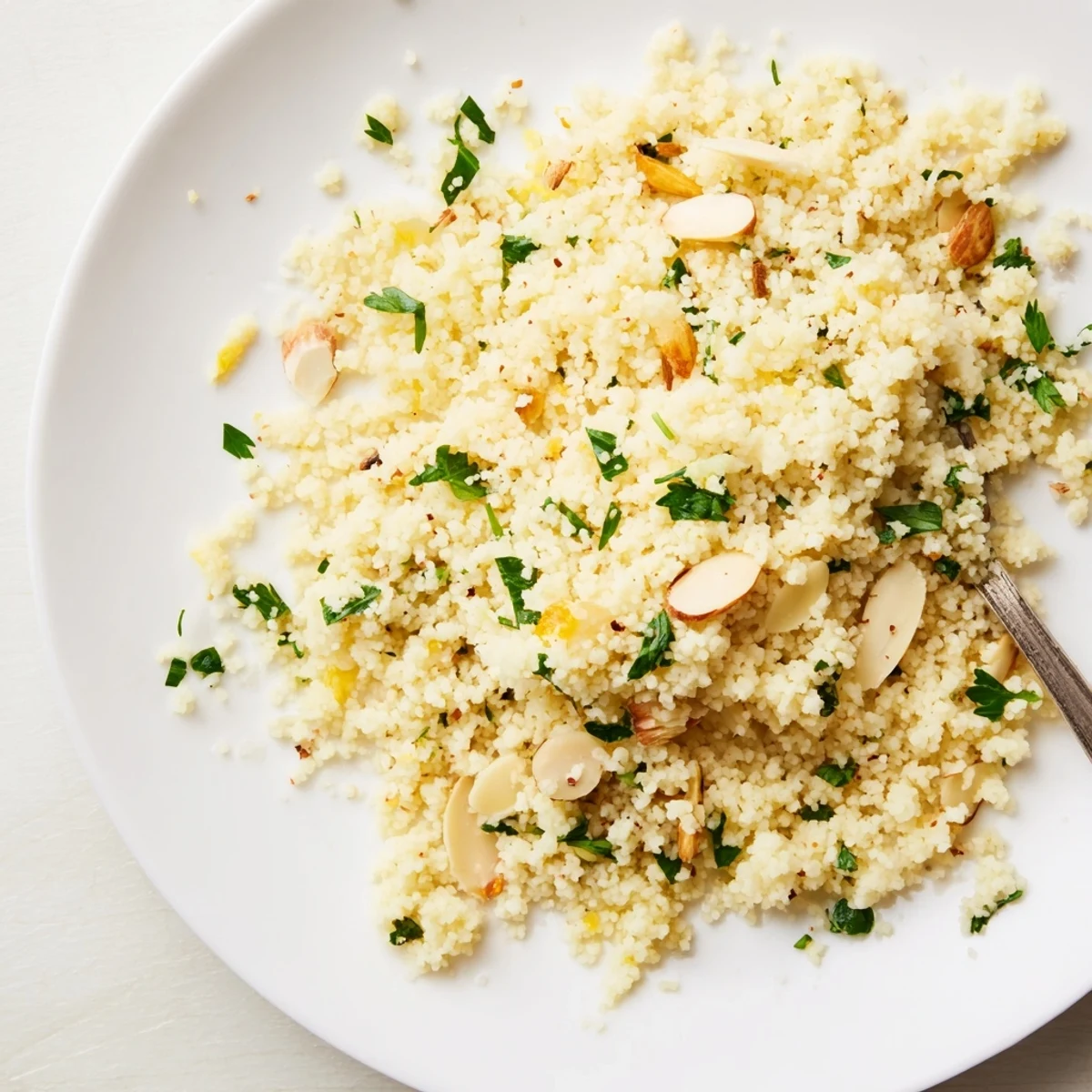
 This fluffy couscous highlights North African flavors with a simple combination of grains, olive oil, and broth. Prepared by steaming couscous until tender and topped with fresh parsley, lemon juice, toasted nuts, and pepper, it creates a light and versatile dish. Ideal as a side or base, it complements stews and grilled meats. Minimal prep and cook times make it perfect for easy meals. Optional ingredients add texture and brightness for a satisfying experience.
There's something almost meditative about watching couscous transform from tiny pellets into fluffy clouds of grain. I learned this dish from a neighbor who'd lived in Marrakech for years, and she taught me the one crucial thing nobody mentions: the waiting is as important as the stirring. One afternoon, her kitchen smelled like warm steam and toasted almonds, and she handed me a fork, saying the secret was patience and a gentle touch.
I made this for a dinner party once when a last-minute guest arrived, and I remember standing in my kitchen thinking I had nothing prepared. I boiled water, stirred in couscous, and five minutes later had something that looked and tasted intentional enough to serve without apology. My friend asked for the recipe, and I realized I'd just made something so simple that complexity seemed almost rude.
Ingredients
- Couscous (1 cup): Medium-grain or instant works equally well; I've learned instant couscous is more forgiving if you're new to this, while medium-grain gives you slightly more control over the final texture.
- Water or vegetable broth (1 cup): Broth elevates the whole dish in a way that feels almost secret, turning something plain into something with quiet depth.
- Olive oil (1 tablespoon): Don't skip this; it's what keeps the grains from clumping and adds a silky mouthfeel.
- Salt (½ teaspoon): Season the liquid, not the finished couscous, and taste as you go.
- Fresh parsley (2 tablespoons, chopped): The brightness matters more than you'd expect; it wakes everything up.
- Lemon juice (1 tablespoon): A squeeze at the end does something almost miraculous to the flavor profile.
- Toasted almonds or pine nuts (2 tablespoons, slivered): Toasting them yourself makes a difference worth the extra two minutes; it adds a subtle crunch and nuttiness that store-bought doesn't quite capture.
- Black pepper: Freshly ground is the only way; it's peppery in the best sense, not bitter.
Instructions
- Bring your liquid to a rolling boil:
- Pour water or broth into a medium saucepan with olive oil and salt, and let it come to a full boil. You'll know it's ready when you see that vigorous rolling action, not just gentle simmering.
- Remove from heat and stir in the couscous:
- This is the moment that feels counterintuitive but is absolutely necessary. The residual heat is exactly what you need, so don't be tempted to keep it on the stove.
- Cover and let it rest for five minutes:
- This is where the magic happens. Set a timer, cover the pan, and resist the urge to peek. The couscous absorbs the liquid and steam-cooks itself into tender, separate grains.
- Fluff gently with a fork:
- Open the lid carefully to avoid the hot steam, then use a fork to gently separate each grain. You're looking for that cloud-like texture, not compression.
- Stir in your additions and serve:
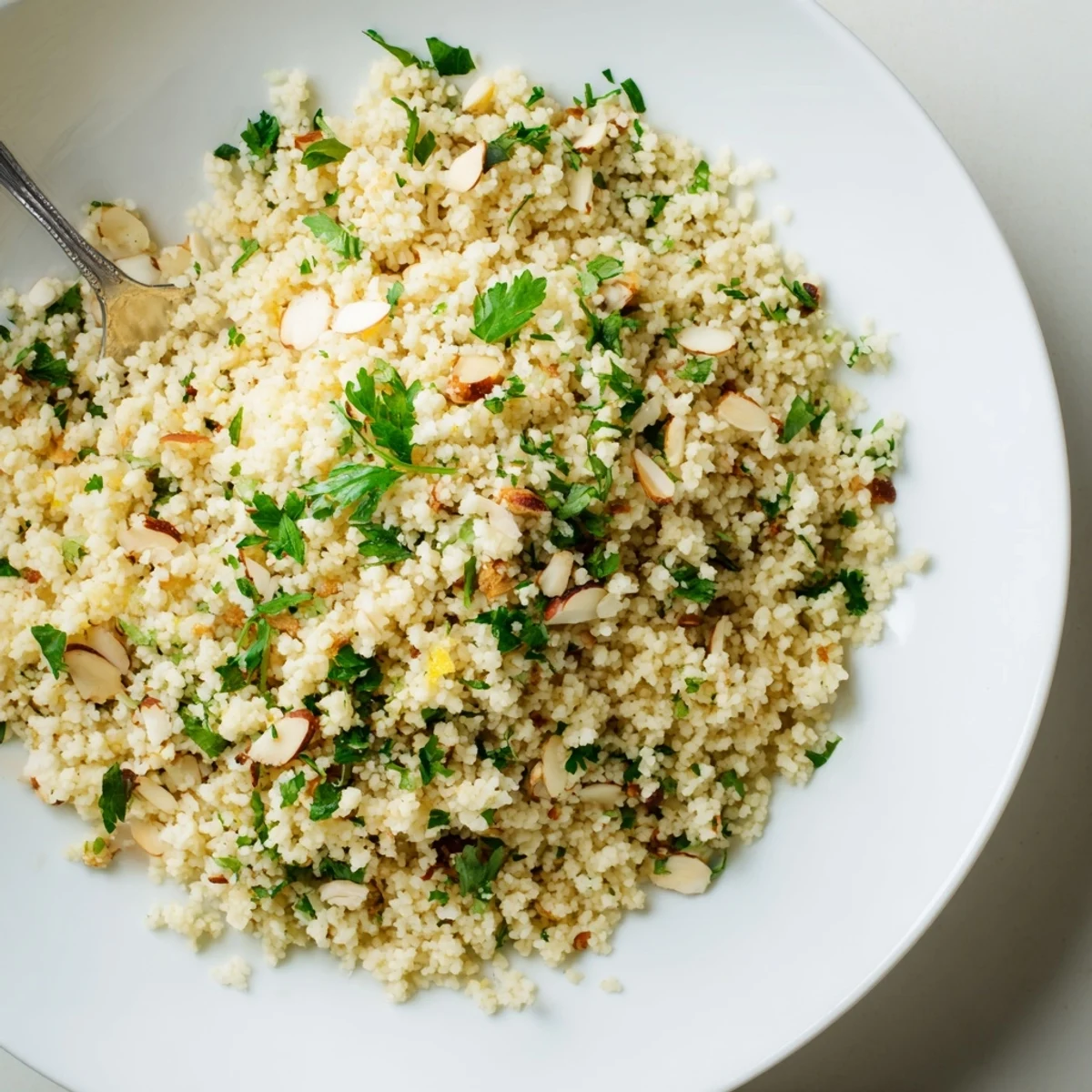
- Fold in the parsley, lemon juice, nuts, and pepper to taste. Serve warm, or let it cool and use it as a base for cold salads.
 Save to Pinterest
 This dish became something more than just food when I started using it as a vehicle for whatever I had on hand, and my family started requesting it by name. There's a freedom in cooking something so adaptable that you start to see your kitchen differently, less like a place of rules and more like a place of possibility.
Variations That Work
I've made this couscous with roasted vegetables, sautéed onions, dried apricots, and even pomegranate seeds depending on the season and what I felt like making. Each version tastes completely different while maintaining that same comforting foundation. Cold couscous salad with tomatoes, cucumber, and crumbled feta is another direction entirely; it becomes something fresh and summery that's perfect for picnics or meal prep.
Broth Matters More Than You Think
The choice between water and broth is genuinely significant. I used to think it was optional, but vegetable or chicken broth adds a savory undertone that water simply can't match, and it requires no extra effort on your part. Even store-bought broth works beautifully; there's no shame in taking shortcuts when they actually improve the result.
Serving and Storage
Couscous is best served warm, but it's also remarkably forgiving when it cools down, and leftovers reheat beautifully with just a splash of water and a gentle fork-fluff over low heat. I often make extra specifically so I have it ready to turn into quick meals throughout the week. It keeps for up to five days in an airtight container, and that's five days of flexibility.
- For a quick refresh, add a tablespoon of water and warm gently in a covered pan for two to three minutes.
- Transform leftovers into fried couscous by stirring in an egg and pan-frying with sautéed vegetables and soy sauce.
- Mix cold couscous with canned chickpeas, roasted peppers, and vinaigrette for an instant lunch that tastes deliberate.
 Save to Pinterest
 Couscous taught me that sometimes the simplest dishes are the most useful, and that a good basic recipe is less about perfection and more about knowing when to step back and let the ingredients do their work. It's become my go-to side when I want something reliable, delicious, and entirely unfussy.
Recipe FAQs
- → What type of couscous works best?
-
Medium-grain or instant couscous is ideal for a light, fluffy texture and quick cooking.
- → Can I use broth instead of water?
-
Yes, vegetable or chicken broth adds extra depth and flavor to the couscous.
- → How do I keep the couscous fluffy?
-
After steaming, fluff gently with a fork to separate the grains and avoid clumps.
- → What optional ingredients enhance the dish?
-
Chopped parsley, lemon juice, toasted almonds or pine nuts, and freshly ground black pepper add brightness and texture.
- → Is this suitable for vegan diets?
-
Yes, using water or vegetable broth and olive oil keeps it vegan-friendly.
- → Can couscous be served cold?
-
Absolutely, it can be chilled and mixed with vegetables or feta for a refreshing salad base.