
 Save to Pinterest
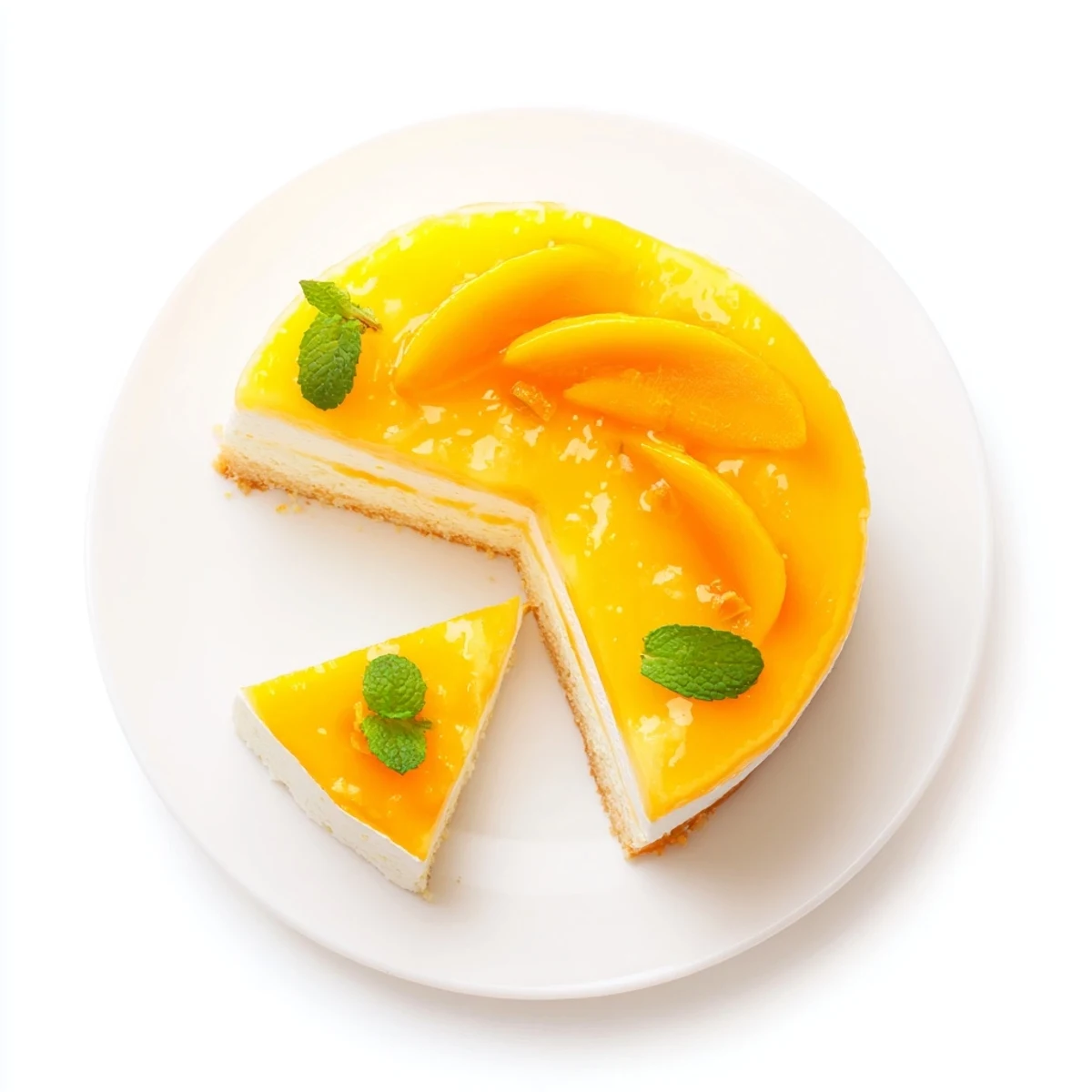
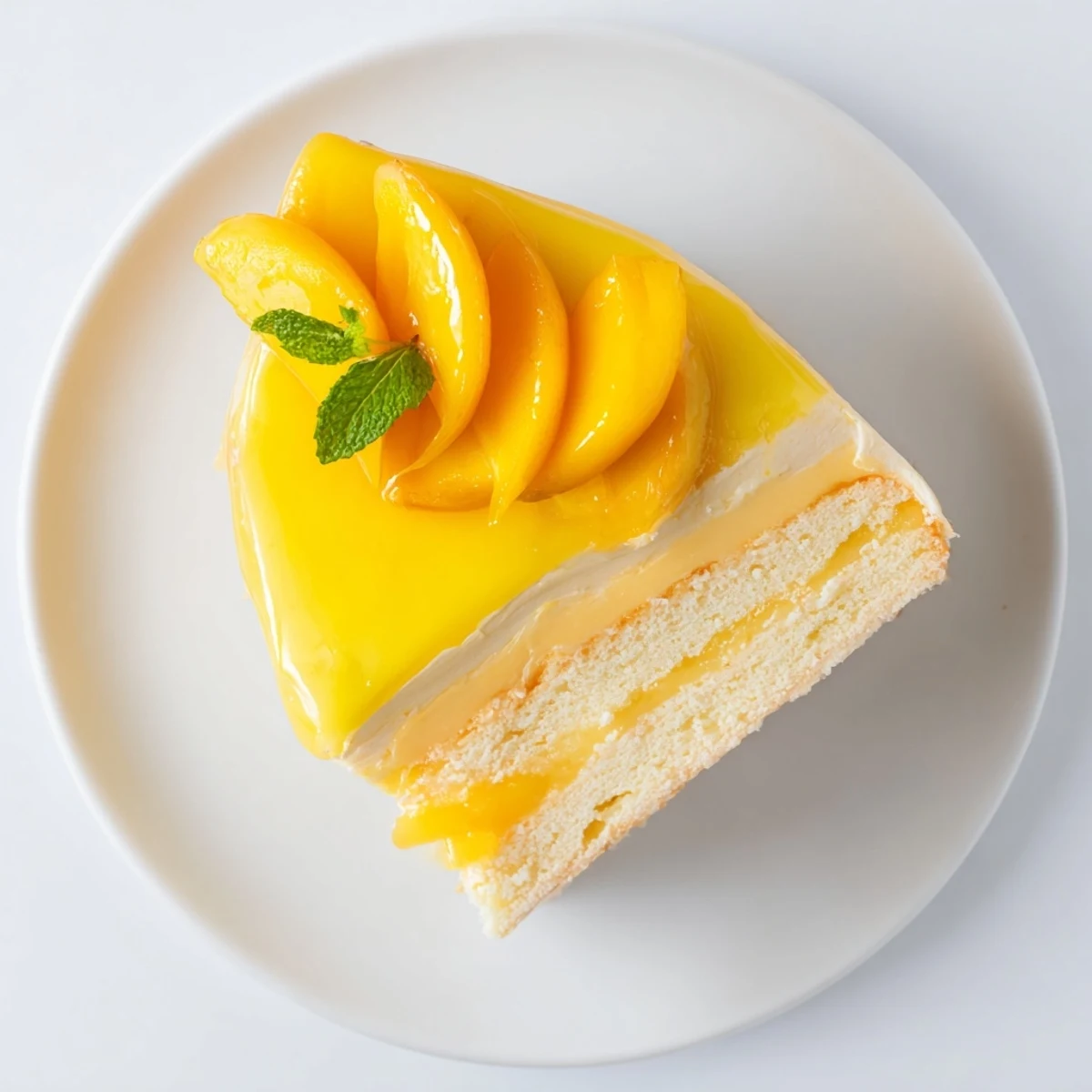
 This elegant mango creation features three distinct layers that create perfect harmony. The foundation starts with a tender vanilla sponge, providing a sturdy yet delicate base that absorbs the fruity layers above. The centerpiece is an incredibly airy mango mousse made from fresh ripe mangoes whipped into heavy cream, creating a texture that practically melts on your tongue. A shimmering mango glaze crowns the dessert, adding both visual appeal and an extra burst of tropical sweetness.
What makes this particularly special is how the fresh mango flavor shines through without being cloying. The lemon juice in both mousse and glaze provides just the right amount of brightness to balance the natural sweetness. While it requires some patience for chilling phases, the actual hands-on time is quite manageable, making it achievable for confident bakers. The result is a stunning centerpiece that tastes as wonderful as it looks.
The first time I attempted this mango mousse cake, it was the middle of July and my kitchen felt like a tropical greenhouse. I had picked up these impossibly fragrant mangoes from the market, their skin blushing with sunset colors, and knew they deserved something more special than simply slicing them into a bowl. Four hours of chilling later, when I finally unmolded that glossy masterpiece, my sister took one bite and declared it tasted like sunshine suspended in cream.
Last summer I made this for my best friends birthday instead of a traditional frosted cake. She had just returned from months of travel abroad, and there was something so perfect about welcoming her home with something that felt both elegant and refreshingly light. We sat on her back porch with dessert plates on our laps, and she said it was exactly what she had been craving without even knowing it existed.
Ingredients
- 3 large eggs, at room temperature: Room temperature eggs incorporate more air and create that signature fluffy sponge texture
- 90 g granulated sugar: Fine sugar dissolves more easily into the egg mixture for a smoother batter
- 90 g all-purpose flour: Sift this first to prevent any lumps in your delicate sponge layer
- 1/2 tsp vanilla extract: Pure vanilla adds a warm undertone that balances the bright mango
- Pinch of salt: Just enough to heighten all the other flavors without being detectable
- 400 g ripe mango flesh: The mangoes should yield slightly to pressure and smell incredibly fragrant
- 60 g granulated sugar: Adjust this based on how sweet your mangoes naturally are
- 2 tbsp lemon juice: Brightens the mango flavor and prevents the mousse from becoming cloyingly sweet
- 1 tbsp unflavored gelatin powder: This gives the mousse structure while keeping it lusciously smooth
- 300 ml heavy cream, cold: The cream must be thoroughly chilled to whip properly
- 150 g mango puree: Strain this through a fine mesh for the silkiest glaze possible
- 1 tbsp lemon juice: Adds just enough acidity to make the glaze taste fresh
- 1 tbsp granulated sugar: A small amount that helps the glaze set beautifully
- 1.5 tsp unflavored gelatin powder: Creates that professional looking mirror finish on top
- Fresh mango slices: Arrange these artfully to show guests what awaits inside
- Mint leaves: A pop of green that makes the yellow mango absolutely sing
Instructions
- Bake the foundation:
- Preheat your oven to 180°C (350°F) and line only the bottom of your 23 cm springform pan with parchment paper. Beat the eggs and sugar with an electric mixer until the mixture is pale and has tripled in volume, which takes about 5 minutes. Gently fold in the flour, salt, and vanilla until just combined, then bake for 12 to 15 minutes until a toothpick comes out clean. Let the sponge cool completely in the pan before attempting any further steps.
- Prepare the mousse base:
- Sprinkle the gelatin over 3 tablespoons of cold water and let it bloom for 5 minutes while you blend the mango puree, sugar, and lemon juice until completely smooth. Gently heat the bloomed gelatin until dissolved, being careful not to let it boil. Whisk this into the mango mixture and set it aside to cool slightly.
- Whip and fold:
- Pour your cold heavy cream into a chilled bowl and whip it until soft peaks form. Fold about one third of the whipped cream into the mango mixture to lighten it, then gently fold in the remaining cream until the mousse is smooth and no white streaks remain.
- Set the mousse layer:
- Pour the mango mousse over your cooled sponge base, smoothing the top with an offset spatula. Refrigerate the cake for at least 2 hours until the mousse is completely set and firm to the touch.
- Create the mirror glaze:
- Bloom the gelatin in 2 tablespoons of cold water, then gently heat until dissolved. Mix the mango puree, lemon juice, and sugar in a bowl, then stir in the dissolved gelatin. Let this cool to room temperature before pouring over the set mousse layer.
- Final chilling and serving:
- Return the cake to the refrigerator for at least 2 more hours until the glaze is firm. Run a thin knife around the edge of the pan before releasing the springform ring, then decorate with fresh mango slices and mint leaves. Slice and serve chilled.
 Save to Pinterest
 There was a dinner party last spring where I served this cake, and the most unexpected thing happened. One guest who claimed to dislike desserts spent the entire meal asking about what I was bringing, then went back for a second slice and asked for the recipe before even leaving the table. Sometimes the lightest, brightest desserts win over even the most skeptical hearts.
Mango Selection Secrets
I have learned that the best mangoes for this recipe are the ones that perfume your entire kitchen when you cut them. They should give slightly to gentle pressure, and their skin should have lost any green tinge in favor of golden orange or even red blush. Underripe mangoes will yield a mousse that lacks that intense floral sweetness that makes this cake extraordinary.
Making It Ahead
This cake actually improves after a day in the refrigerator, as the flavors have time to meld together more fully. I often make it the evening before serving, but wait to add the glaze until the day of. The glaze layer also freezes beautifully if you want to make individual portions and thaw them for unexpected guests.
Perfect Presentation
Running your knife under hot water and wiping it dry between slices creates the cleanest cuts through this layered dessert. I also like to chill my serving plates for 10 minutes before plating, which helps the cake maintain its structure longer on warm summer days.
- Dip your mango slices in lemon water to prevent browning if you are decorating in advance
- Use a hot, dry knife to make perfectly clean slices through the glaze
- Let the cake sit at room temperature for 5 minutes before serving for the best texture
 Save to Pinterest
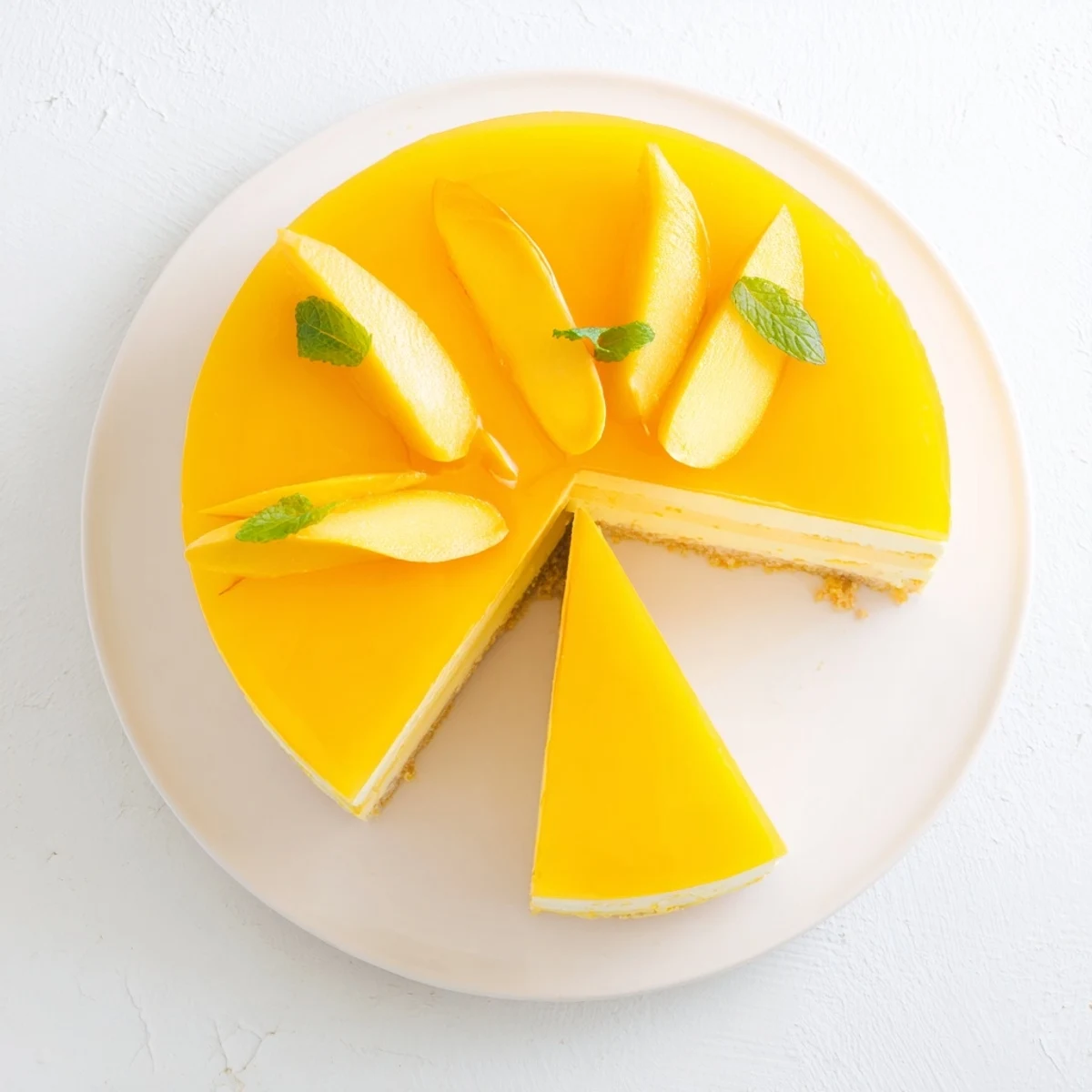
 There is something deeply satisfying about serving a dessert that looks so impressive yet tastes so refreshingly light. Every slice is like capturing the essence of summer on a plate.
Recipe FAQs
- → Can I use frozen mangoes instead of fresh?
-
Yes, frozen mango chunks work perfectly when fresh mangoes aren't available. Thaw them completely and drain any excess liquid before pureeing. High-quality frozen mango actually provides consistent sweetness year-round.
- → How long does this need to chill before serving?
-
Plan for approximately 4 hours total chilling time. The mousse layer needs 2 hours to set properly, then the glaze requires another 2 hours to firm up. For best results, make it the day before and chill overnight.
- → Can I make this gluten-free?
-
Absolutely. Substitute the all-purpose flour in the sponge base with a 1:1 gluten-free flour blend. The texture remains remarkably similar, and nobody will notice the difference.
- → How do I prevent the gelatin from clumping?
-
Always sprinkle gelatin powder over cold water and let it bloom for 5 minutes before heating. Gently warm while stirring constantly until completely dissolved—never let it boil. This ensures smooth integration into your mixtures.
- → What wine pairs well with this dessert?
-
Moscato d'Asti is an excellent choice, as its gentle sweetness and effervescence complement the tropical mango notes. Alternatively, a dry sparkling wine or champagne provides beautiful contrast to the creamy texture.
- → Can I make individual portions instead of one large cake?
-
Certainly. Use small glasses, ramekins, or silicone molds to create individual servings. Adjust chilling time slightly—smaller portions set faster, usually within 2-3 hours total.