
 Save to Pinterest
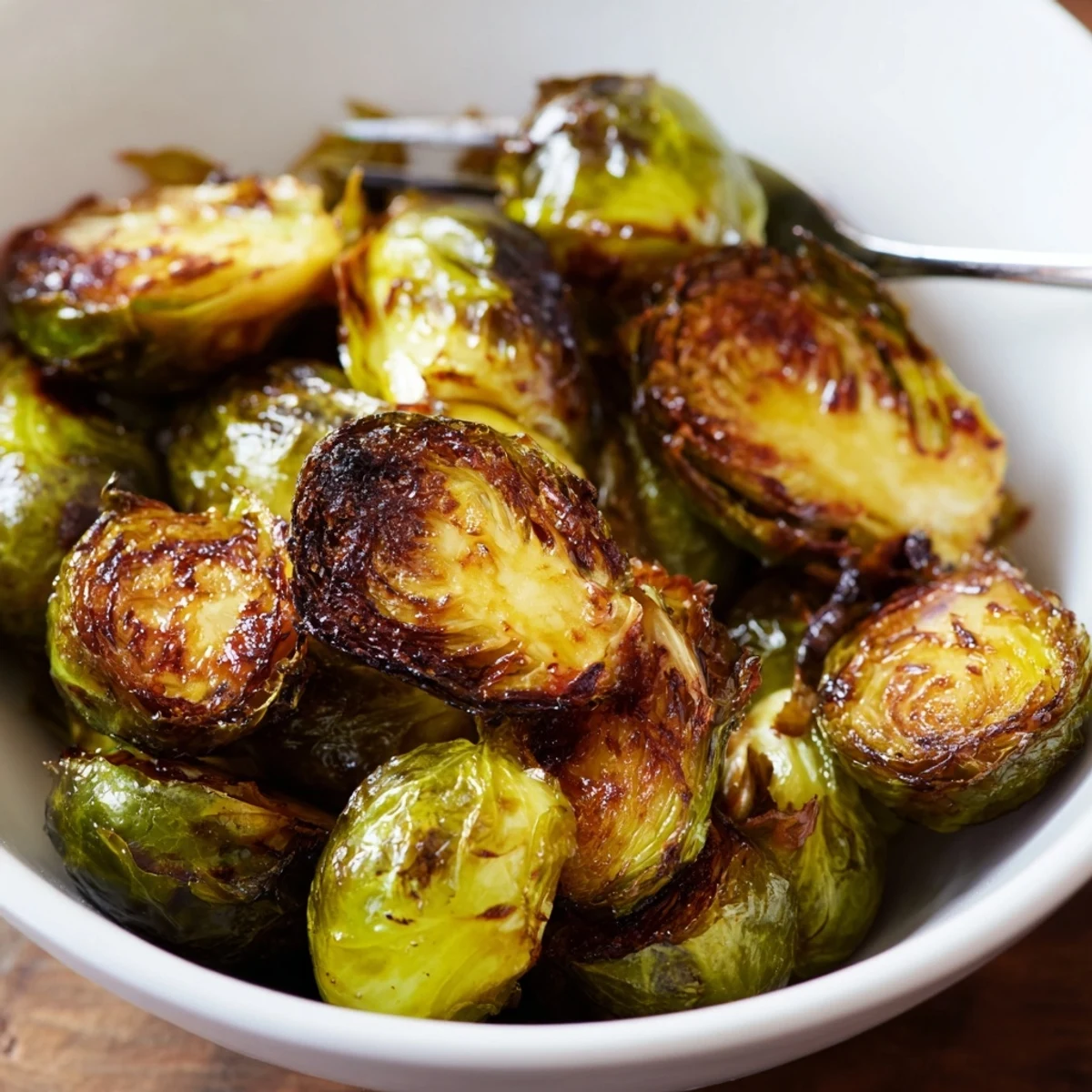
 Brussels sprouts are halved, tossed in olive oil, salt, and pepper, then roasted until crisp and caramelized. A balsamic glaze is prepared by simmering balsamic vinegar with honey until thickened, then drizzled over the warm sprouts to enhance their natural flavors. This simple side is perfect for elevating meals with its balance of tangy and sweet notes, providing a delightful crunch and rich taste in every bite.
There was a Tuesday evening when my partner came home and the entire kitchen smelled like caramelized brussels sprouts and balsamic vinegar, and they stopped in the doorway and asked if something magical had happened while they were gone. I hadn't planned anything fancy—just roasted some brussels sprouts I'd grabbed at the market that morning, tossed them with a quick glaze I'd invented on the spot. They devoured most of them straight from the baking sheet, and I realized right then that this simple combination had somehow become one of my favorite ways to cook.
I made this for a potluck once where everyone brought something heavy and complicated, and I showed up with a bowl of roasted brussels sprouts almost apologetically. By the end of the night, the bowl was completely empty and someone asked for my recipe. That's when I understood that simple food, done well, speaks louder than anything else.
Ingredients
- Brussels sprouts: Look for smaller ones if you can find them—they're sweeter and cook more evenly than the giant ones, and the cut sides caramelize beautifully in the oven.
- Olive oil: Don't skimp here; good olive oil makes a real difference in how the outer leaves crisp up and turn golden.
- Kosher salt and black pepper: These keep the focus on the sprouts themselves, letting their natural nutty flavor shine through without competition.
- Balsamic vinegar: The cheaper stuff will work, but if you have access to something aged even a little, the depth it brings to that glaze is worth it.
- Honey: This balances the vinegar's sharpness and helps create that gorgeous syrupy coating that sticks to every sprout.
Instructions
- Heat your oven and prep the pan:
- Get your oven to 425°F and line a baking sheet with parchment paper—this prevents sticking and makes cleanup feel less like punishment. The high heat is what creates those crispy, caramelized edges you're after.
- Coat the sprouts:
- Toss the halved brussels sprouts with olive oil, salt, and pepper in a bowl until every piece is glossy and evenly covered. Don't be shy with the oil; it's what will help them crisp up in the oven.
- Arrange them cut side down:
- Spread the sprouts on the baking sheet in a single layer with the flat cut side facing the hot pan. This is the magic move—that flat surface against the heat is what gives you that caramelized crust.
- Roast until golden:
- Pop them in for 20–25 minutes, stirring halfway through so they brown evenly on all sides. You'll know they're done when the outer leaves look almost charred and the sprouts feel tender when you poke one.
- Simmer the glaze:
- While the sprouts roast, combine balsamic vinegar and honey in a small saucepan over medium heat and let it bubble away for 5–7 minutes until it's reduced by about half and smells intensely sweet and tangy. The vinegar will lose its harsh edge and become silky.
- Bring it all together:
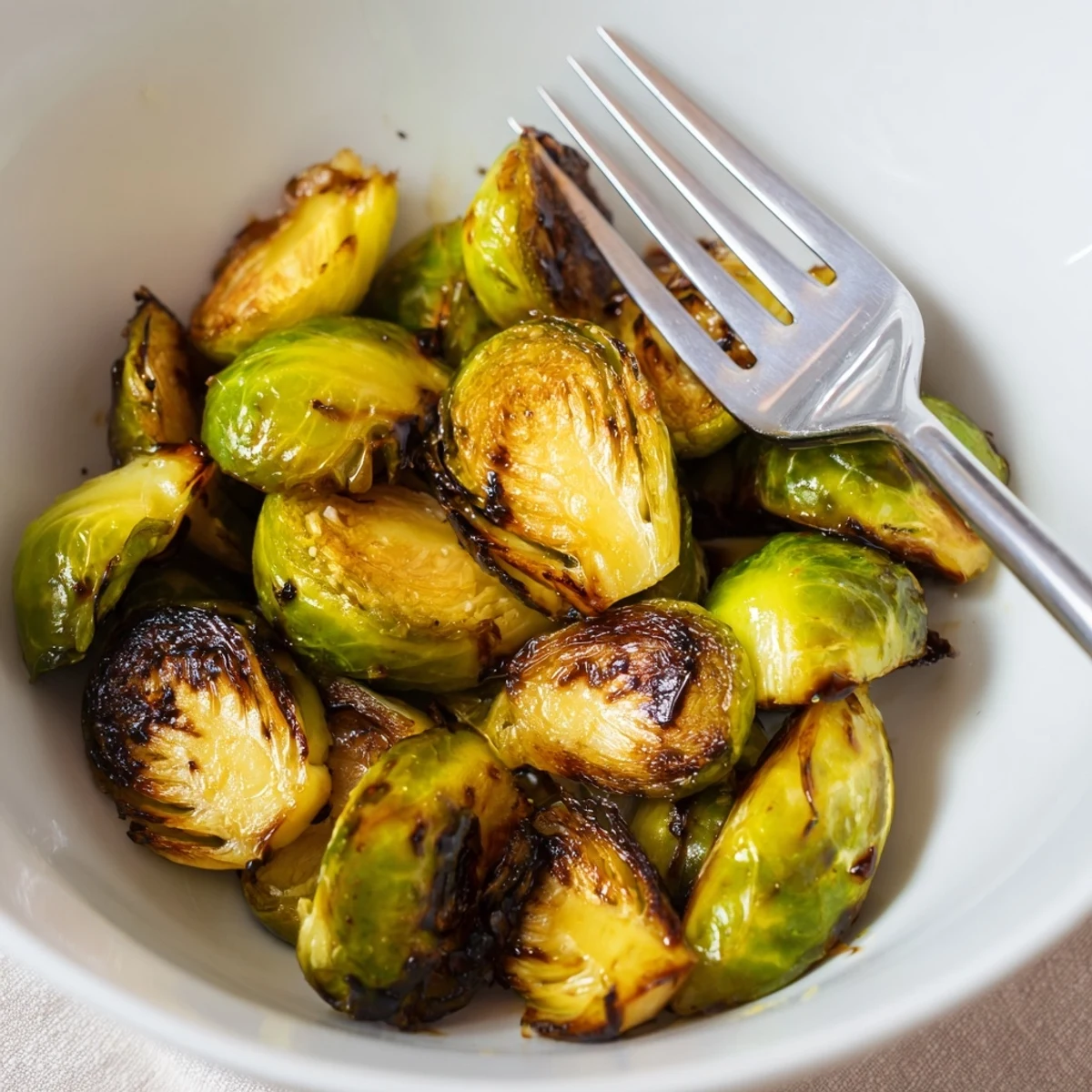
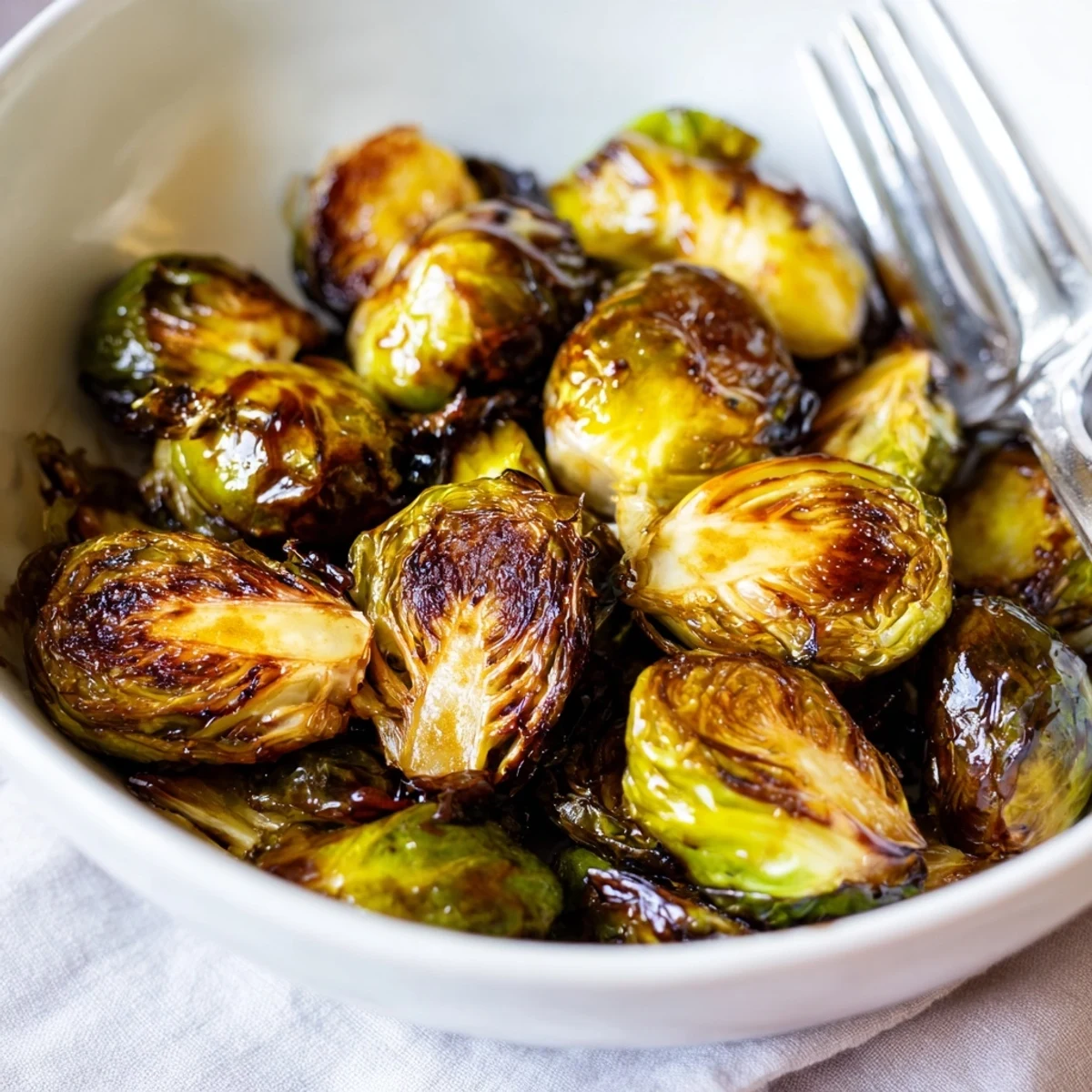
- Transfer the roasted sprouts to a serving bowl, drizzle the warm glaze over top, and toss everything together so each piece gets coated. Serve immediately while everything is still warm and the glaze is clingy.
 Save to Pinterest
 I remember my mother-in-law actually asking for thirds at a family dinner, which shocked everyone because she's usually skeptical of anything green. That moment made me realize how much impact food cooked with care and attention can have on people, even when it's just roasted vegetables.
Why These Sprouts Hit Different
There's something about the contrast between crispy charred edges and creamy insides that just works, especially with something as humble as brussels sprouts. Most people grow up thinking they hate them because they've only ever had boiled, soggy versions, but roasted is a completely different universe. The heat brings out their natural sweetness and nutty flavor, and the balsamic glaze leans into that richness rather than fighting against it.
Timing and Temperature Matter
The 425°F temperature is the sweet spot—hot enough to create serious caramelization but not so hot that the insides stay raw while the outside burns. If your oven runs cool, you might need a few extra minutes, so just keep an eye on them around the 20-minute mark. Stirring halfway through isn't just busywork; it ensures every sprout gets a chance to kiss the hot pan and develop those golden, crispy corners.
Making It Your Own
The beauty of this recipe is how forgiving and adaptable it is without losing its identity. You can play with the glaze by adding a pinch of red pepper flakes if you want heat, or finish the whole thing with a scatter of toasted hazelnuts or walnuts for texture. The core technique stays the same—that high-heat roast followed by the tangy-sweet glaze—but the personality can shift based on what you have in your pantry or what mood you're in.
- A handful of crispy bacon or pancetta torn over the top at the end transforms this into something even more craveable.
- If you're vegan, swap the honey for maple syrup and the glaze works just as well, with a slightly deeper molasses note.
- Parmesan shavings added right after the glaze while everything is still warm will start to melt slightly and create these little pockets of umami richness.
 Save to Pinterest
 This is the kind of recipe that proves you don't need complicated techniques or a long ingredient list to make something memorable. Roasted brussels sprouts with balsamic glaze remind me why I love cooking in the first place.
Recipe FAQs
- → How do I get the Brussels sprouts crispy?
-
Roast the sprouts cut side down at a high temperature (425°F/220°C) without overcrowding the pan. This helps them caramelize and crisp up nicely.
- → Can I substitute honey in the glaze?
-
Yes, maple syrup works well as a vegan-friendly alternative, providing similar sweetness and consistency.
- → What is the best way to prepare the balsamic glaze?
-
Simmer balsamic vinegar and honey over medium heat until reduced by half and slightly thickened, stirring occasionally to avoid burning.
- → Are there any suggested toppings to enhance flavor?
-
Toasted nuts or grated Parmesan can be sprinkled over for extra texture and taste before serving.
- → Is this dish suitable for gluten-free diets?
-
Yes, it contains no gluten ingredients and is naturally gluten-free.