
 Save to Pinterest
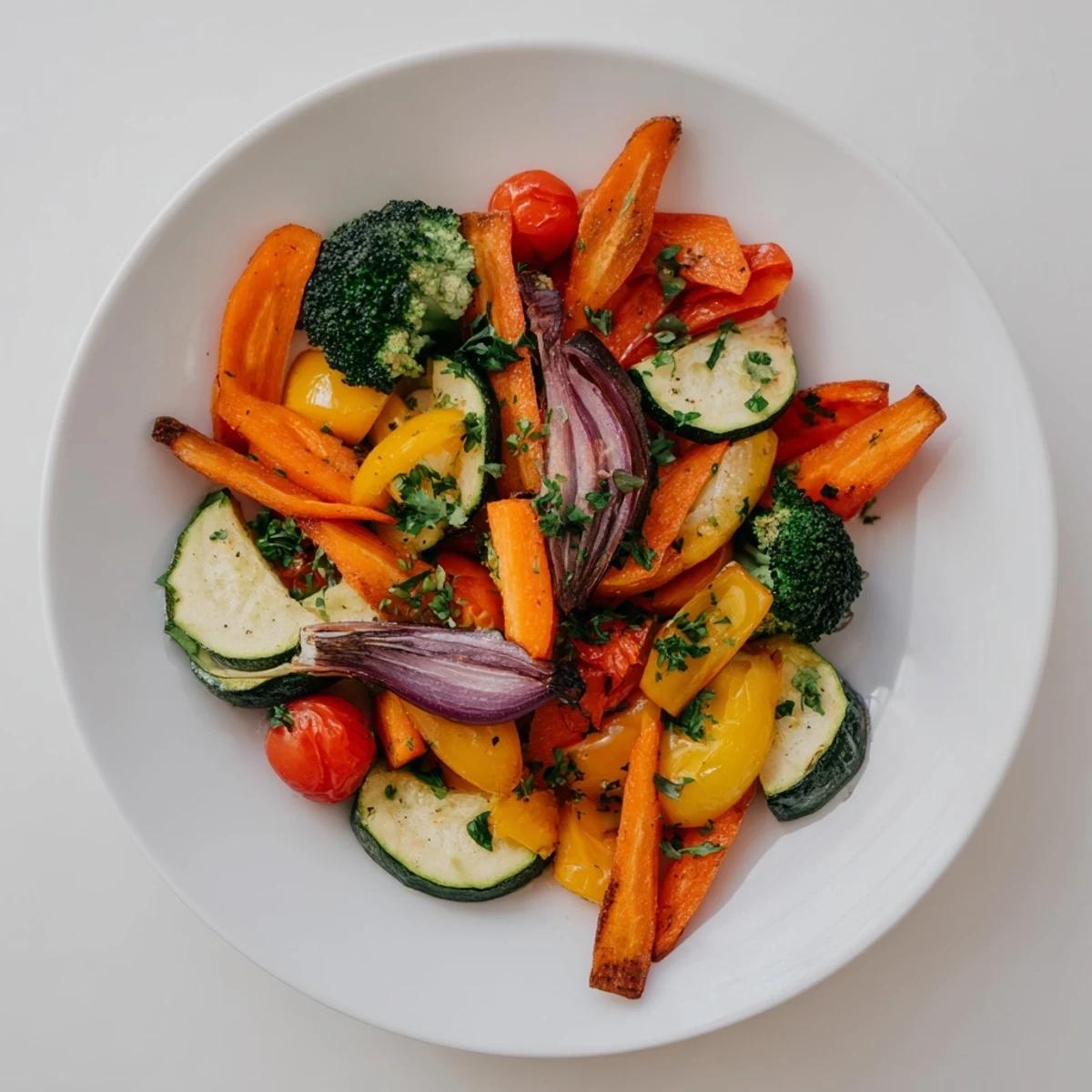
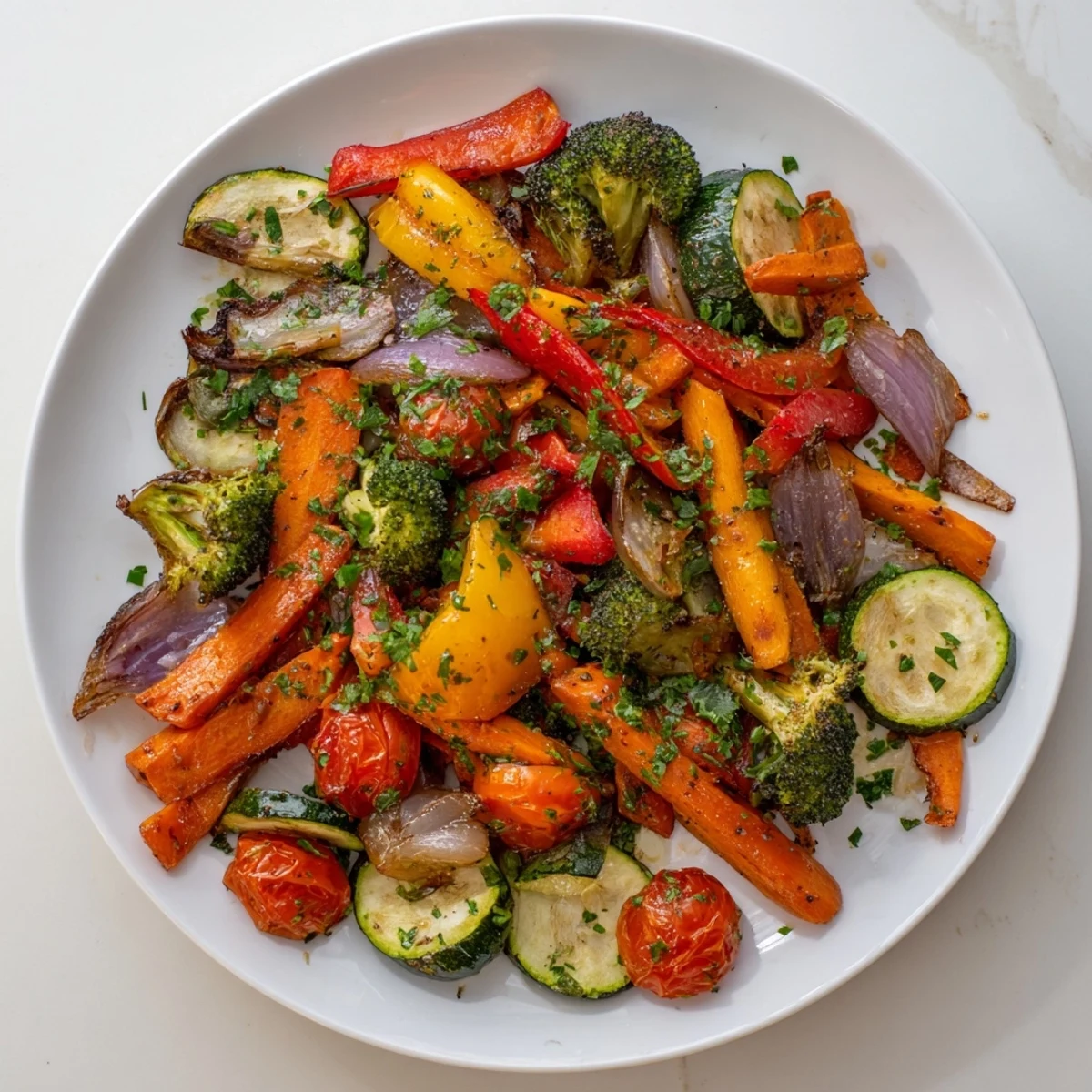
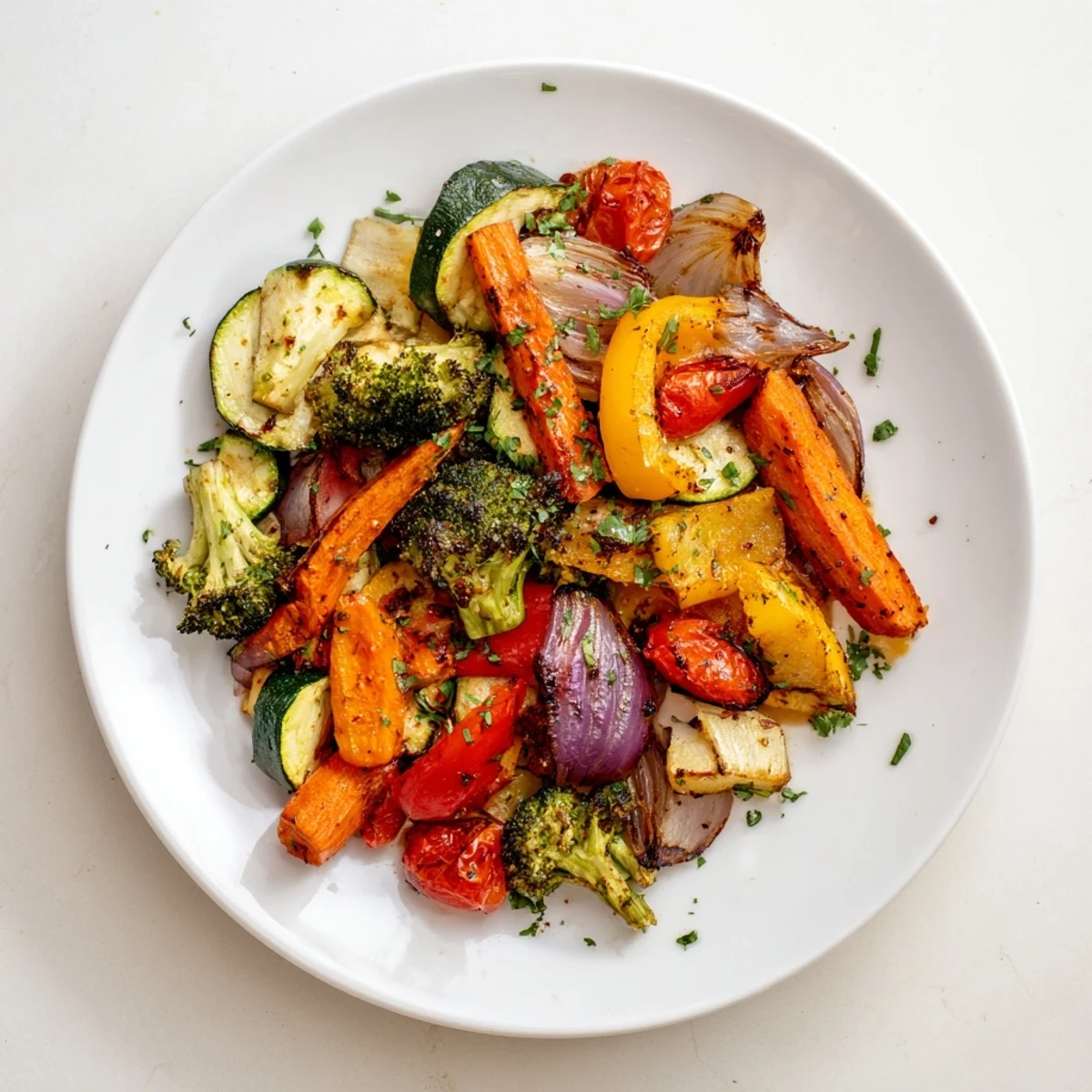
 This dish highlights a vibrant mix of seasonal vegetables, sliced and tossed with olive oil, sea salt, pepper, Italian herbs, and minced garlic. Roasting at a high temperature creates tender vegetables with golden edges and enhanced natural sweetness. Optional balsamic vinegar adds a tangy depth, while fresh parsley brightens the finish. Ideal as a versatile, healthy accompaniment, it suits vegan and gluten-free preferences alike.
There's something almost meditative about the moment when raw vegetables hit a hot oven and the kitchen fills with that toasted, caramelized smell. I learned to make roasted vegetables not from a recipe book, but from standing in my neighbor's kitchen one autumn afternoon, watching her toss a chaotic pile of whatever she'd found at the farmers market into a pan with pure confidence. She didn't measure anything, didn't fuss—just oil, heat, and patience. That lesson stuck with me.
I made this for my partner on a random Tuesday when we'd both had rough days, and watching them actually smile at a plate of roasted broccoli told me everything about how food can turn a moment around. That's when I realized this recipe wasn't just easy—it was honest.
Ingredients
- Carrots: Their natural sweetness intensifies in high heat, so don't skip peeling them properly for even cooking.
- Red and yellow bell peppers: Cut them chunky enough that they won't disappear, thin enough that they'll soften through.
- Zucchini: Half-moons work better than rounds because they crisp up at the edges without becoming mushy in the middle.
- Red onion: Wedges hold their shape better than dices, and they turn sweet and jammy when roasted.
- Cherry tomatoes: Halving them lets the heat get inside, where the real flavor happens.
- Broccoli florets: Smaller pieces brown better, so don't be shy about breaking them down.
- Olive oil: Good quality matters here because it's one of the few things you actually taste on its own.
- Sea salt and black pepper: Freshly ground pepper makes a real difference—use it.
- Dried Italian herbs: This is where a pinch becomes personality; don't under-season out of caution.
- Garlic: Minced so it toasts into the oil, not charred into bitterness.
- Balsamic vinegar: A drizzle after roasting adds a welcome tang that ties everything together.
Instructions
- Get the oven ready:
- Preheat to 220°C and line your baking sheet with parchment paper so nothing sticks. This step sounds small but changes everything about cleanup and texture.
- Prep your vegetables:
- Cut everything into roughly the same size—inconsistent pieces cook unevenly and some turn bitter while others stay pale. Take your time here; it's the only real work.
- Make the coating:
- Combine all your vegetables in a large bowl, then drizzle with olive oil and scatter the seasonings over top. Toss with your hands until every piece gleams with oil and spices cling to the surface.
- Spread and roast:
- Lay everything in a single layer on your hot baking sheet—crowding them means steam instead of caramelization. Roast for 25 to 30 minutes, stirring halfway through so the bottom pieces get their turn at the heat.
- Finish and serve:
- When the edges turn golden and you smell something almost charred, they're done. A drizzle of balsamic vinegar and a scatter of fresh parsley are the moments where simple food becomes memorable.
 Save to Pinterest
 I served this at a dinner where a picky eater actually reached for seconds of broccoli, and I realized that roasting isn't just a cooking method—it's a way of making vegetables taste like themselves, only better.
The Magic of High Heat
The difference between steamed and roasted vegetables lives entirely in the oven temperature and that moment when moisture evaporates and the Maillard reaction kicks in. When you roast hot and fast, the outside caramelizes before the inside turns to mush. It's chemistry that tastes like care.
Seasonal Variations That Keep It Fresh
Summer calls for zucchini and tomatoes; autumn begs for sweet potatoes and mushrooms; spring works with asparagus and baby turnips. The technique stays identical, but swapping vegetables keeps this dish from ever feeling routine. Your farmers market is your ingredient list—use what looks good.
Making It a Meal
On its own, roasted vegetables are a side, but pair them with grains or proteins and they become something substantial enough to anchor a plate. I've built entire dinners around a sheet pan of these, adding feta one night, tahini sauce another, sometimes just eating them with crusty bread and calling it enough.
- Toss warm vegetables with cooked quinoa, lemon juice, and pistachios for a grain bowl that holds up in the fridge.
- Drizzle with a tahini dressing or spoon over hummus for a vegetarian meal that feels complete.
- Serve alongside roasted fish or chicken, letting the caramelized edges complement whatever protein you've chosen.
 Save to Pinterest
 This recipe proved to me that the best dishes aren't complicated—they're just confident. Roasted vegetables remind me that sometimes the most nourishing thing you can make is also the simplest.
Recipe FAQs
- → What vegetables work best for roasting?
-
Carrots, bell peppers, zucchini, red onion, cherry tomatoes, and broccoli are excellent choices that roast evenly and develop great flavors.
- → How does roasting affect the vegetables' flavor?
-
Roasting caramelizes the natural sugars in vegetables, intensifying their sweetness and creating a rich, savory taste with crispy edges.
- → Can I add other seasonings to enhance flavor?
-
Yes, chili flakes or a squeeze of lemon juice after roasting can add a spicy or bright note to complement the herbs.
- → What is the ideal oven temperature for roasting vegetables?
-
Roasting at 220°C (425°F) helps achieve tender interiors with caramelized, golden-brown edges without overcooking.
- → Is balsamic vinegar essential in this preparation?
-
Balsamic vinegar is optional but adds a subtle acidity and sweetness that deepens the overall flavor of the vegetables.
- → How can I ensure even roasting of vegetables?
-
Cut vegetables to similar sizes and spread them in a single layer with space between pieces to promote uniform cooking.