
 Save to Pinterest
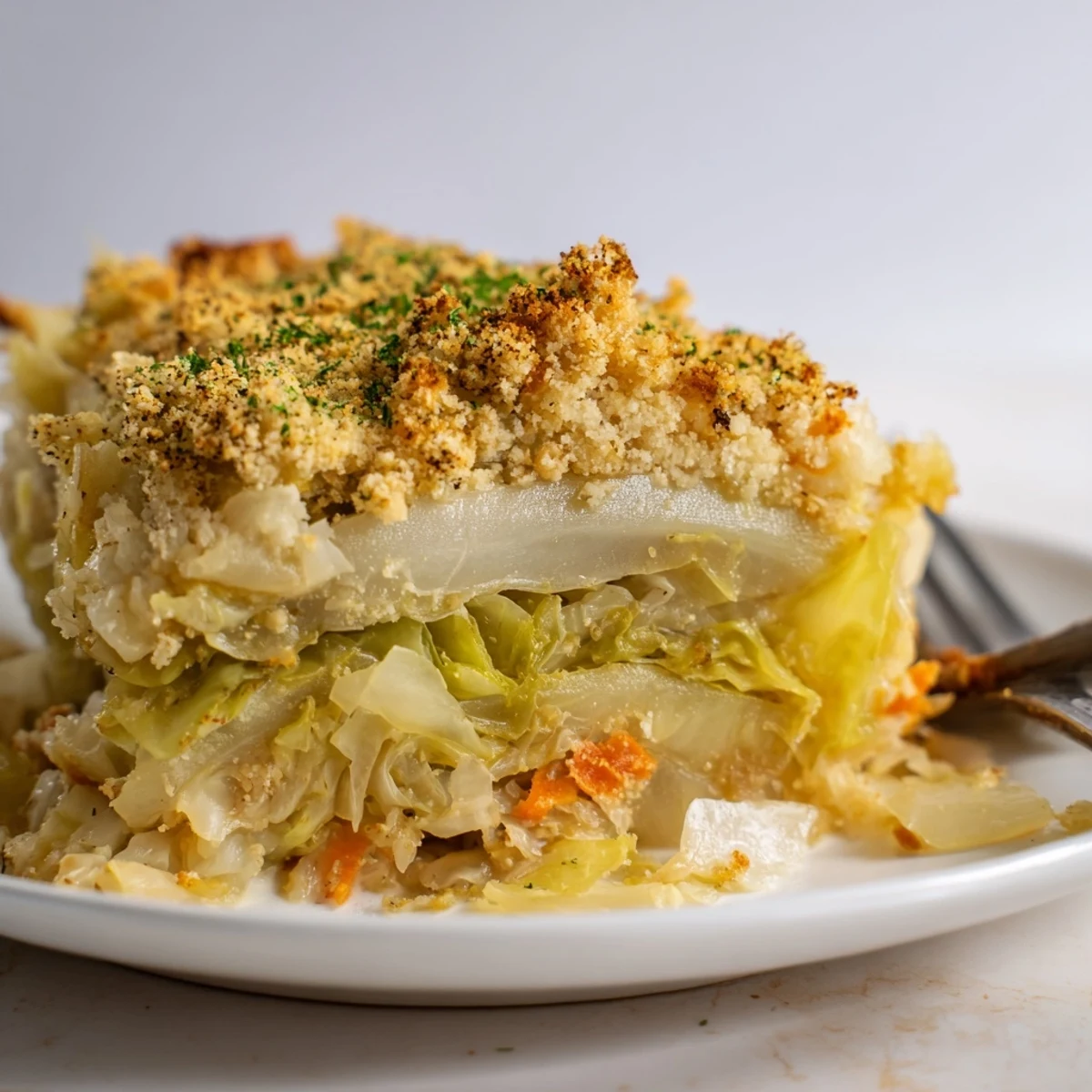
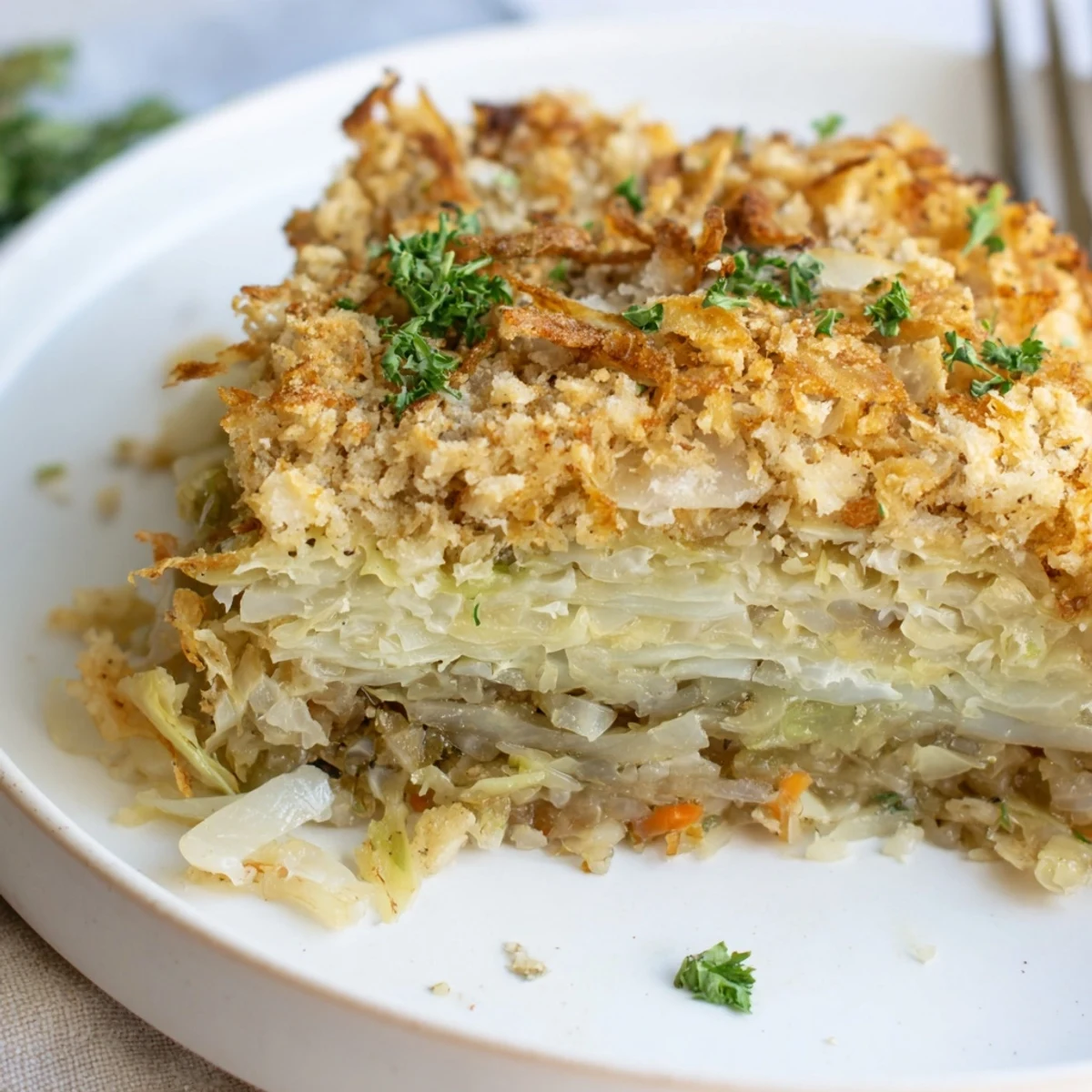
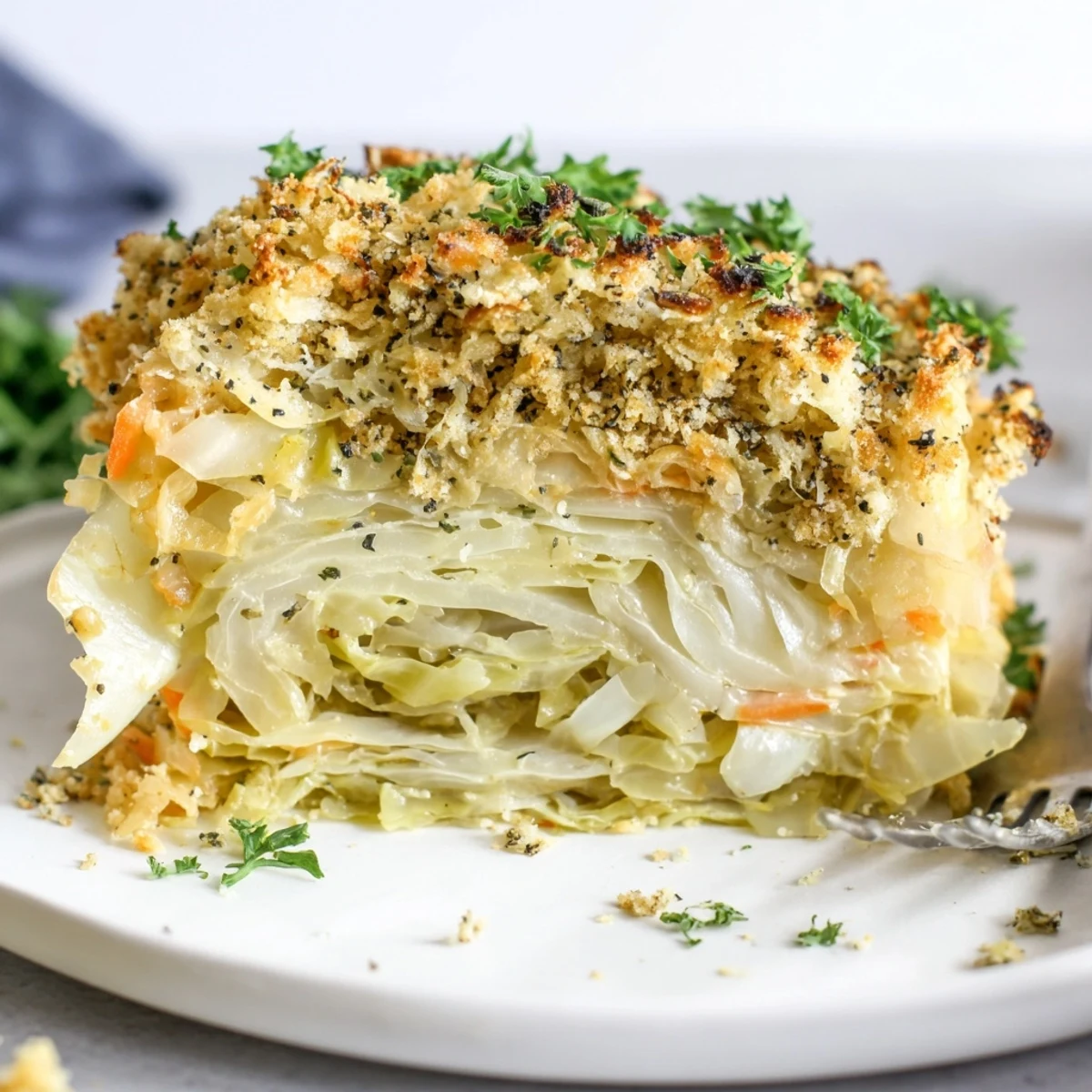
 This slow-roasted cabbage and sauerkraut casserole layers thick cabbage slices with drained sauerkraut and sautéed onions, garlic and grated carrot. A whisked mix of sour cream, eggs and vegetable broth soaks the layers before a long, low roast (about 2 hours at 325°F). Melted buttered breadcrumbs are added for a golden crust; rest 10 minutes before serving. Serves 6; swap plant-based sour cream for a vegan option or add smoked sausage for extra savor.
The smell of cabbage roasting low and slow is one of those quiet kitchen perfumes that sneaks up on you and fills every corner of the house. My neighbor Helga brought a jar of her homemade sauerkraut to a potluck years ago, and I became so obsessed that I started building entire meals around it. This casserole was born on a rainy Tuesday when I had half a cabbage and nothing to lose. Two hours later, I was scooping thirds directly from the dish while standing at the counter.
I made this for my book club one winter and nobody talked about the book for a solid fifteen minutes because everyone was too busy eating. There is something about a bubbling casserole pulled straight from the oven that makes people forget their manners in the best possible way.
Ingredients
- 1 medium green cabbage, cored and thickly sliced: The star of the dish, so pick one that feels heavy and dense with crisp, tightly packed leaves.
- 2 cups sauerkraut, drained and rinsed: Rinsing tames the sharpness just enough while keeping that unmistakable tang.
- 1 large onion, thinly sliced: Onions melt into sweetness during the long roast and tie the cabbage and sauerkraut together.
- 3 garlic cloves, minced: Fresh garlic only, and do not skimp on it.
- 2 medium carrots, grated: They add a subtle sweetness and a fleck of color that breaks up all the pale tones.
- 1 cup sour cream: This is what makes the custardy filling so silky and indulgent.
- 2 large eggs: They bind everything into a cohesive casserole rather than a pile of vegetables.
- 3 tbsp olive oil: Split between greasing the dish and sautéing the aromatics.
- 1 cup vegetable broth: Keeps the layers moist through the long roasting time.
- 1 tsp caraway seeds, optional: If you have them, use them, because that earthy flavor is what makes this taste genuinely German.
- Salt and freshly ground black pepper: Season each layer as you go for the most even flavor.
- 1 cup breadcrumbs: Use gluten-free if needed, and make sure they are fine and fresh for the best crust.
- 2 tbsp melted butter: Tossed with the breadcrumbs for a golden, crunchy finish worth waiting for.
Instructions
- Get the oven ready:
- Preheat to 325°F and rub a large casserole dish with one tablespoon of olive oil so nothing sticks later.
- Build the flavor base:
- Heat the remaining olive oil in a large skillet over medium heat, then cook the sliced onion until soft and translucent, about five minutes. Toss in the garlic and grated carrots for two more minutes until everything smells warm and fragrant.
- Layer with intention:
- Spread half the cabbage across the bottom of the dish, followed by half the sauerkraut and half the sautéed vegetables, then season well with salt, pepper, and caraway seeds. Repeat all three layers with the remaining ingredients so every bite is balanced.
- Make the creamy pour:
- Whisk the sour cream, eggs, and vegetable broth together in a bowl until completely smooth, then pour it evenly over the entire casserole.
- Roast low and slow:
- Cover the dish tightly with foil and slide it into the oven for one hour and thirty minutes while the layers soften and merge into something wonderful.
- Prep the crust:
- While the casserole roasts, stir the melted butter into the breadcrumbs in a small bowl until every crumb glistens.
- Finish golden:
- Remove the foil, scatter the buttered breadcrumbs across the top, and bake uncovered for another thirty minutes until the crust is deeply golden and the edges are bubbling.
- Rest and serve:
- Let the casserole sit for ten minutes before cutting so the layers hold together beautifully on the plate.
 Save to Pinterest
 There was a Sunday when my refrigerator was nearly empty except for cabbage and a jar of sauerkraut, and this recipe turned that emptiness into the most satisfying meal of the week.
Serving Suggestions
This casserole loves a slice of dense rye bread on the side, preferably toasted and slathered with butter. A smear of spicy German mustard cuts through the richness in a way that feels completely right.
Making It Your Own
Diced smoked sausage or crispy bacon bits folded into the layers turn this into a hearty main course that would make any Bavarian grandmother proud. For a vegan version, swap the sour cream for a plant-based alternative and replace the eggs with a flaxseed mixture.
Leftovers and Storage
This casserole reheats beautifully the next day and honestly might taste even better once the flavors have had overnight to settle.
- Store leftovers covered in the refrigerator for up to three days.
- Reheat individual portions in a skillet with a splash of broth to revive the creaminess.
- Freeze portions in airtight containers for up to two months, though the topping will lose its crunch.
 Save to Pinterest
 Some recipes earn their place in your rotation through spectacle, but this one earns it through quiet reliability and the kind of comfort that never gets old. Keep a jar of sauerkraut in the fridge and you are never far from a truly satisfying meal.
Recipe FAQs
- → Can I make this ahead and reheat?
-
Yes. Roast as directed, cool to room temperature, then refrigerate. Reheat covered at 325°F until warmed through, then uncover and brown the topping briefly to refresh the crust.
- → How do I keep the breadcrumb topping crisp?
-
Mix breadcrumbs with melted butter just before the final bake and add them to a very hot, uncovered casserole so they brown quickly. For extra crunch, broil for 1–2 minutes, watching closely.
- → What cabbage variety works best?
-
Green cabbage holds up nicely to long roasting and becomes tender without falling apart. Savoy adds a milder, leafy texture if you prefer a softer mouthfeel.
- → How can I make this gluten-free or vegan?
-
Use gluten-free breadcrumbs or omit the topping. For vegan, swap sour cream for a plant-based alternative and replace eggs with a flaxseed slurry or silken tofu blended with a little broth.
- → Will the sauerkraut make the dish too sour?
-
Rinsing and draining the sauerkraut tames excess tang while preserving its fermented character. The sour cream and breadcrumbs balance acidity for a rounded finish.
- → What sides or garnishes pair well?
-
Serve with rye or crusty bread, a smear of mustard, or a crisp green salad. Fresh parsley or chives on top brighten the rich, baked flavors.